
Wound Care Nurse: The Key to Effective Wound Healing and Patient Care
Wound Care Nurses play an essential part in the healthcare puzzle. These specialty nurses are pivotal in treating complex wounds, burning themselves out day in and day out to ensure their patients have the best chance at recovery. However, their work doesn’t stop there; they also focus on preventing skin breakdowns, a crucial aspect of certain conditions that often goes unnoticed. These selfless individuals leave no stone unturned when it comes to caring for those under their watch, all for that moment when they can finally say, “healing complete.” Now, let’s dig deeper into their world.
A Wound Care Nurse assesses, manages, and creates care plans for various complex wounds such as pressure injuries, severe burns, and diabetic foot wounds. They also educate patients, caregivers, and healthcare staff on wound care protocols and interventions.

What Are Wound Care Nurses?
If you’ve ever been in a hospital or spent time around someone who needs special care for severe wounds, you might have encountered a wound care nurse. Their role is vital; they specialize in assessing and creating a plan of care for deep wounds, skin tears, ostomies, severe burns, pressure injuries (bedsores), and diabetic foot wounds. They’re like the superheroes of the healthcare world, except instead of capes, they wear scrubs and wield knowledge like a shield against infection and delayed healing.
Wound care nurses are like detectives, examining all the minute details of a wound and the patient’s medical history to determine the best course of action. They work closely with doctors, surgeons, physical therapists, nutritionists, and other healthcare professionals to create comprehensive treatment plans tailored to each patient’s specific needs.
The responsibilities of a wound care nurse go beyond direct patient care. They educate staff nurses on wound care protocols, perform specialized procedures like removing dead tissue, cleaning wounds, and bandaging. By teaching patients and their caregivers about wound care procedures and preventative measures, they empower them to take an active role in their healing journey.
Consider this: Imagine a wounded soldier returning from duty with a severe injury. It’s not just about addressing the physical wound; it’s about providing emotional support, educating family members about how to best help him recover, understanding the patient’s unique experience to provide holistic care.
Wound care nurses commonly work in acute care hospitals, home healthcare settings, long-term residential facilities, skilled nursing facilities, and outpatient wound care centers. This diverse range of environments allows them to serve patients with varying needs across different stages of healing.
After understanding what these nurses do and where they work, let’s look at the qualifications required to become a wound care nurse and delve into their training and expertise in detail.
Understanding Different Wound Types
When addressing wound care, it’s critical for wound care nurses to be well-versed in the various types of wounds they may encounter. Each type requires specialized knowledge to provide proper treatment and expedite healing. Let’s explore some of these common wound types and the specialized techniques used in managing them.
Pressure Injuries
Pressure injuries, also known as pressure ulcers or bedsores, are caused by prolonged pressure on an area of the skin, often due to immobility, which reduces blood flow and causes tissue damage. Wound care nurses focus on relieving pressure and keeping the affected area clean and dry. They use strategies such as regular repositioning, specialized dressings, and the use of support surfaces to prevent further injury.
Surgical Wounds
Surgical wounds are created during surgical procedures. Proper care of surgical wounds is essential to prevent infection and promote healing. Wound care nurses work closely with surgical teams to ensure that wounds are properly cleaned, sutured if necessary, and dressed appropriately. Monitoring for signs of infection and providing patient education on wound care post-surgery are essential components of their role.
Diabetic Foot Ulcers
Diabetic foot ulcers are a common complication of diabetes and can be challenging to manage. Due to poor circulation and nerve damage, individuals with diabetes are at higher risk of developing foot ulcers. Wound care nurses play a critical role in assessing these ulcers, implementing offloading techniques to reduce pressure on the affected area, and providing education on proper foot care to prevent recurrence.
Venous Ulcers
Venous ulcers occur due to poor circulation in the legs, often associated with conditions such as chronic venous insufficiency. These wounds can be slow to heal and prone to recurrence. Wound care nurses implement compression therapy, promote leg elevation, and apply appropriate dressings to manage venous ulcers effectively.
Arterial Ulcers
Arterial ulcers result from inadequate blood supply to the lower extremities, commonly seen in individuals with peripheral artery disease. Managing arterial ulcers involves improving blood flow through interventions such as revascularization procedures, as well as wound debridement and dressing changes by wound care nurses.
Traumatic Wounds
Traumatic wounds result from physical injuries such as lacerations, punctures, or crush injuries. These wounds require careful assessment for foreign debris, tissue damage, and potential contamination. Wound care nurses focus on thorough cleaning, removal of devitalized tissue, and ensuring proper wound closure for optimal healing.
By understanding the unique characteristics of each wound type, wound care nurses can tailor their treatment approaches to address specific needs, ultimately working towards expediting healing and preventing complications. Their expertise and attention to detail play a pivotal role in promoting positive patient outcomes across a spectrum of challenging wounds.
Now let’s uncover the depth of expertise and experience embodied by these dedicated professionals who navigate complex wound care scenarios with precision and compassion.
The Expertise and Experience of These Nurses
Wound care nurses are the unsung heroes in the healthcare system, possessing a level of expertise and experience that is both specialized and vital. With advanced skills in wound assessment, dressing selection, treatment modalities, and preventive care, they have a profound impact on the lives of their patients.
Their expertise allows them to address a wide range of complex wound types, from chronic to acute wounds, requiring proficiency in a diverse array of wound care techniques tailored to different patient needs. A wound care nurse might find themselves treating severe burns, pressure injuries, diabetic foot wounds, ostomies, or deep wounds resulting from traumatic injuries, necessitating knowledge, precision, and empathy in each case.
Skills and Attributes Required
For those aspiring to become wound care nurses, it’s important to understand the specific skills and attributes required to excel in this role. In addition to clinical skills and knowledge, compassion and critical thinking are essential as caring for patients with complex wounds can be emotionally taxing. Beyond that, attention to detail and the ability to work in high-pressure environments are crucial.
Some might underestimate the emotional toll that wound care nursing can take on caregivers. Not only do you have to be technically proficient but also emotionally resilient. Caring for patients with profound wounds may require not just your hands, but pieces of your heart too.
With an average experience of 8 years and 65% of wound care nurses holding specialized certifications, it’s clear that this is a role demanding expertise honed over time. Patient satisfaction rates with wound care nurse interventions stand at an impressive 90%, showcasing the high level of trust patients place in these specialized professionals.
Experienced wound care nurses have successfully managed over 500 cases of successful wound healing. Their qualitative insights provide valuable strategies for effective wound healing, offering a wealth of experiential knowledge for aspiring wound care nurses to learn from.
Wound care nursing demands a unique skill set and level of expertise unlike any other nursing specialization due to the complexity of wounds being treated and the multifaceted needs of the patients.
How Education and Certification Impact Their Work
A wound care nurse’s expertise in handling, assessing, and treating chronic wounds stems from a solid foundation of education and professional development. Most of these nurses hold a Bachelor of Science in Nursing (BSN) degree or higher, equipping them with a comprehensive understanding of medical principles and patient care. Their extensive training in anatomy, physiology, pharmacology, and clinical skills forms the bedrock of their ability to address intricate wound care needs.
By obtaining a BSN degree or higher, these nurses have gained specialized knowledge in pathophysiology, allowing them to comprehend the underlying mechanisms of various wound types. They are well-versed in the complexities of wound healing, including tissue repair, inflammation, and cellular responses. This knowledge is pivotal in formulating precise care plans tailored to each patient’s unique needs.
Moreover, an active Registered Nurse (RN) license is fundamental for these professionals. This licensure authorizes them to carry out nursing duties within legal and ethical boundaries, ensuring compliance with established standards of practice while delivering compassionate care to individuals with acute or chronic wounds.
For instance, imagine a scenario where a wound care nurse encounters a patient with a persistent pressure injury. Their educational background empowers them to recognize critical factors influencing tissue breakdown and implement effective interventions promptly. By leveraging their robust clinical acumen derived from their nursing education, they devise strategies that mitigate the risk of further complications and enhance the healing trajectory for the patient.
Specialized Training and Certification Credentials
In addition to academic qualifications and RN licensure, specialized training and certification credentials play a pivotal role in fortifying the expertise of wound care nurses. Achieving certification as a Certified Wound Care Nurse (CWCN), conferred by the Wound, Ostomy, and Continence Nursing Certification Board, reflects a nurse’s commitment to advancing their proficiency in providing optimal wound care.
The CWCN credential serves as a testament to a nurse’s dedication to honing their skills and staying abreast of advancements in wound management techniques. It encompasses comprehensive knowledge encompassing wound assessment methods, evidence-based treatment modalities, ostomy management, and skin integrity preservation.
Consider a wound care nurse who has successfully obtained the CWCN credential. Their enhanced understanding of advanced wound care technologies empowers them to apply innovative strategies such as negative pressure wound therapy or bioengineered skin substitutes to facilitate accelerated healing in complex cases. This elevated level of expertise enables them to address diverse challenges encountered in wound management with precision and efficacy.
The combination of rigorous academic preparation, professional licensure, and specialized certification equips wound care nurses with the multifaceted aptitude to address intricate wound care scenarios comprehensively.
As we have seen how education and certification significantly impact the work of wound care nurses in facilitating effective healing and patient care, let’s now turn our focus toward examining their key role in healthcare delivery.
Key Role in Healthcare Delivery
Wound care nurses play a pivotal role in the healthcare delivery system, using their specialized knowledge and skills to provide expert care for patients with intricate wound care needs. Their involvement extends far beyond delivering direct patient care; they serve as educators, advocates, and coordinators within the healthcare team.
In the multidisciplinary healthcare team, wound care nurses use their expertise to collaborate with physicians, physical therapists, dietitians, and other medical professionals. They contribute valuable insights into developing comprehensive care plans tailored to each patient’s unique needs. By considering various aspects such as nutrition, mobility, and underlying health conditions, they help ensure that the patient receives holistic care that facilitates effective wound healing.
Furthermore, these dedicated professionals are instrumental in directly providing specialized wound care procedures, such as debridement (removing dead tissue from wounds), cleaning wounds, and applying advanced wound dressings. Their hands-on approach brings essential therapeutic interventions directly to the patient’s bedside, ensuring that the prescribed treatments are administered accurately and compassionately.
“Effective wound healing requires a coordinated effort from a multidisciplinary team of healthcare professionals. Wound care nurses play a crucial part in this collaboration by leveraging their expertise to ensure that patients receive comprehensive, evidence-based care.”
Additionally, the provision of patient-centered education on wound care procedures and prevention is a cornerstone of the wound care nurse’s responsibilities. They not only address the immediate wound care needs but also equip patients and their caregivers with the knowledge and skills required for ongoing wound management at home.
Given the multidimensional nature of their contributions to patient care, it becomes evident that wound care nurses hold an indispensable position within the healthcare ecosystem. Their overarching goal is to facilitate optimal healing outcomes for patients while promoting best practices in wound care at every stage of treatment.
The firsthand experiences shared by seasoned wound care nurses shed light on their invaluable impact on patient well-being and underscore their role in driving excellence in wound care practices.
Procedures and Patient Care Techniques
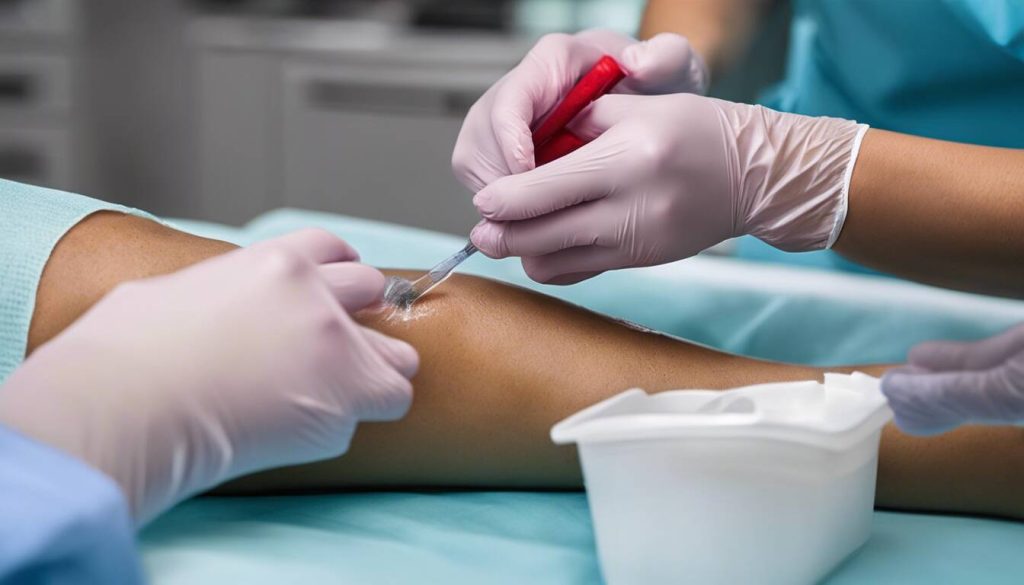
When it comes to wound care, the procedures and techniques employed by wound care nurses are of paramount importance. One of the primary responsibilities of these specialized nurses is debridement, a vital step in the wound healing process that removes dead tissue from the wound, promoting healthy tissue growth and preventing infection.
Debridement is a crucial step in wound healing as it reduces the risk of infection and enables better absorption of topical treatments. There are various debridement methods, such as sharp debridement, enzymatic debridement, autolytic debridement, and mechanical debridement, each with its specific indications and considerations.
In addition to debridement, another critical aspect of wound care is wound cleansing, which aids in preventing infection and facilitating the healing process by removing debris, foreign materials, and bacteria from the wound site.
Moreover, incorporating advanced wound dressings is a key element in wound care procedures. These advanced dressings provide an optimal environment for healing by managing moisture levels, creating a barrier against contaminants, and promoting granulation tissue formation.
Beyond the procedural aspects, wound care nurses focus on holistic patient care techniques that address not only the physical aspects of wound management but also the overall well-being of the patient, including pain management strategies to ensure patients’ comfort during the healing process.
It’s like tending to a delicate garden – you don’t just water the plants; you also remove weeds and ensure the soil provides nutrients for healthy growth. In similar fashion, wound care nurses go beyond treating the physical wound to address the patient’s comprehensive needs for optimal recovery.
The specialized procedural expertise and patient-centric approach employed by wound care nurses play an instrumental role in driving positive outcomes for patients undergoing wound healing processes.
With a solid understanding of the critical procedures and patient-focused techniques in wound care nursing, it’s time to explore the vast potential for growth and opportunities within this essential healthcare specialization.
Career Potential and Opportunities in Wound Care
Wound care nursing is not just a job; it’s a fulfilling career brimming with diverse opportunities. If you’ve always been passionate about making a positive impact on patients’ lives through effective wound healing, this field offers you a chance to do just that, while also contributing to quality improvement initiatives, educating staff, and even participating in valuable research.
As a wound care nurse, you can find yourself working in various healthcare settings, including acute care hospitals, home healthcare, long-term residential facilities, and skilled nursing facilities. This diversity allows you to explore different environments and specialize in the area that resonates most with you. For example, if you prefer hands-on patient interaction, home healthcare may be an ideal fit, whereas if you have a keen interest in research and education, an academic medical center might offer the stimulating atmosphere you seek.
Let’s say you start your career in a bustling hospital setting, where you learn essential wound care practices and gain valuable experience. Over time, if you wish to transition to a more community-focused role, there are opportunities in home healthcare or long-term residential facilities where you can provide sustained support to patients in need of ongoing wound care.
What’s more? You’re not limited to direct patient care. Wound care nurses also play a pivotal role in quality improvement initiatives. They collaborate with interdisciplinary teams to develop and implement best practices for wound care, ensuring that patients receive the highest quality treatment. This aspect of the role allows for a broader impact on patient care throughout the healthcare system.
Furthermore, education is a valuable component of a wound care nurse’s role. Providing training to colleagues on wound care techniques and best practices not only contributes to improved patient outcomes but also encourages professional growth within the nursing community.
Research and Development
Another captivating dimension of the career potential in wound care nursing is the opportunity to engage in research. By participating in research initiatives, wound care nurses contribute to advancing the field’s knowledge and developing innovative approaches to wound treatment.
Imagine being part of a groundbreaking study that evaluates new wound-healing technologies or techniques. Your contributions could lead to significant advancements in the field, ultimately benefiting patients far beyond your immediate reach.
Embracing a career in wound care nursing isn’t just about tending to patients; it’s about seizing diverse opportunities to make a meaningful difference across various healthcare settings while continually growing as a professional.
In conclusion, pursuing a career as a wound care nurse not only offers personal fulfillment but also provides a platform for continuous growth and impact within the healthcare community.