
The Role of a Transplant Nurse Practitioner: Specialized Patient Care in Organ Transplantation
A Transplant Nurse Practitioner is like a vital piece in the puzzle of patient care during an important event – organ transplantation. That’s not only because they have unique skills in dealing with illnesses like cystic fibrosis or COPD but also because they work closely with many different medical teams to plan for everyday patient care. One day, they might be making sure that a patient gets an important lung transplant on time by scheduling all the tasks needed. On another day, they could be working on ways to make everything better and safer for patients in future transplants. To become such an expert, however, nurses need specific education and experience which will set them up for success and potential growth in their careers. So, let’s take a closer look at what it entails….
Transplant Nurse Practitioners play a crucial role in providing specialized care to pre- and post-transplant patients, including managing medications, coordinating with consulting services, and collaborating with the multidisciplinary team. They also engage in quality improvement efforts and may participate in educational conferences to enhance their knowledge within the transplant community.
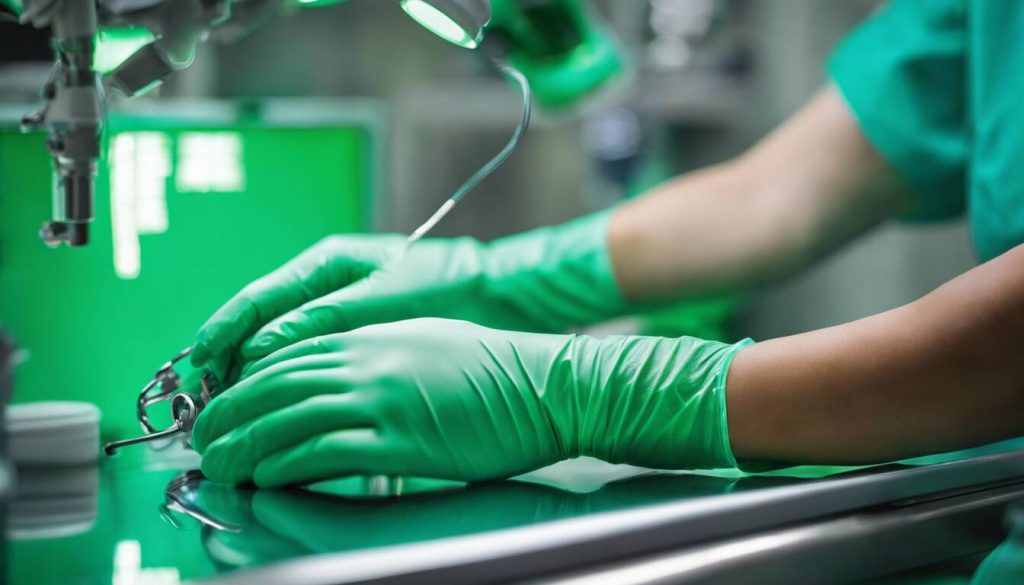
Transplant Nurse Practitioner: Role and Scope
The dynamic environment of a transplant unit requires a nurse practitioner to juggle multiple roles, and these dedicated professionals certainly rise to the challenge. Let’s delve into the specifics of their responsibilities and how they impact patient care on a daily basis.
From the crack of dawn, when the early light filters through the hospital windows, transplant nurse practitioners commence their day with meticulous preparation. Handing off from the night shift providers, they review patient histories, recent events, and objective data. This equips them with the necessary knowledge to embark on their morning rounds with unwavering confidence.
Pre-rounding is not just a routine phase; it’s a pivotal part of their day. It grants them valuable insight into each patient’s progress and any potential setbacks they might have encountered overnight. By collecting subjective data and formulating a comprehensive plan for the day, they are well-equipped to present at multidisciplinary team rounds.
During rounds, the transplant nurse practitioner collaborates with medical experts from diverse disciplines such as pulmonologists, thoracic surgeons, respiratory therapists, pharmacists, social workers, and beyond. Sharing insights from this multidisciplinary team ensures that every aspect of patient care is meticulously fine-tuned to meet individual needs.
As the day unfolds, nurse practitioners execute the developed plan with precision. They actively manage antibiotics, monitor immunosuppression therapies, coordinate bronchoscopies, collaborate with consulting services such as Transplant Nephrology and Infectious Disease, and are often involved in admitting patients requiring specialized care. Each decision is informed by a culmination of experience, education, critical thinking, and most importantly – a deep empathy for their patients’ journeys.
The role of a transplant nurse practitioner transcends routine tasks; it embodies a commitment to excellence at every stage of patient care. Their influence extends far beyond daily responsibilities to shape the landscape of specialized care in organ transplantation.
With a deeper understanding of the crucial role played by transplant nurse practitioners in patient care, let’s now move on to explore the specific duties and responsibilities woven into the transplantation process.
Duties and Responsibilities in the Transplantation Process
The role of a Transplant Nurse Practitioner is multifaceted, encompassing a broad range of responsibilities to ensure the well-being of patients throughout the comprehensive transplant process. From pre-operative care to post-operative support, their duties are pivotal in guaranteeing seamless care and facilitating a smooth transition for patients undergoing transplantation.
Pre- and Post-Operative Care: The nurse practitioners engage in diligent pre- and post-operative patient care, meticulously monitoring vital signs, managing complex medication regimens, and addressing patient concerns. This comprehensive care ensures that patients experience a seamless transition through the transplantation process. Their expertise becomes invaluable during this critical phase, providing personalized attention to each patient’s unique needs and medical history.
Patient Education: In addition to direct patient care, nurse practitioners play a pivotal role in educating patients and caregivers about the transplantation process. They provide detailed information about medications, potential complications, and essential self-care strategies post-surgery. By fostering a supportive and informed environment for patients, they empower individuals to actively participate in their recovery journey. This educational aspect greatly contributes to improving patient outcomes and overall satisfaction.
Collaborative Care Coordination: Nurse practitioners work closely with a multidisciplinary team of healthcare specialists including transplant surgeons, nephrologists, infectious disease experts, and other consulting services. Their collaborative approach ensures comprehensive care throughout the transplantation journey. By coordinating with various healthcare professionals, nurse practitioners contribute significantly to the holistic medical management of transplant recipients.
In addition to these core responsibilities, nurse practitioners also dedicate substantial time to follow-up appointments, monitoring patient progress, addressing emerging concerns, and optimizing the long-term success of transplant recipients. Their involvement is instrumental in offering personalized, quality care tailored to each patient’s unique needs and circumstances.
These critical duties elucidate the indispensable role of nurse practitioners in orchestrating the myriad components of pre- and post-transplant care. Their expertise not only ensures optimal medical management but also fosters a compassionate and informed support system for patients and their families throughout the transplantation process.
Having understood the crucial role played by nurse practitioners in ensuring successful organ transplants, let’s now take a closer look at the advanced medical treatments provided to transplant recipients.
Providing Advanced Medical Treatments

Transplant Nurse Practitioners are equipped with specialized knowledge to manage and monitor complex medical conditions that often accompany organ transplantation. One of the pivotal aspects of their role involves ventilatory support for patients in critical care. This includes providing respiratory interventions such as oxygen therapy, non-invasive ventilation, and mechanical ventilation to patients who may be encountering breathing difficulties.
Furthermore, managing immunosuppression therapies is a significant component of their responsibility. They carefully track the patient’s response to immunosuppressive drugs, making adjustments as necessary based on laboratory results and clinical observations. This is a delicate balance – ensuring that the patient’s immune system is suppressed enough to prevent organ rejection while minimizing the risks of infections and other adverse effects.
In addition to these critical tasks, Transplant Nurse Practitioners confront and address an array of complications related to the transplant process. Whether it’s managing infections, dealing with medication side effects, or addressing post-operative issues, they act as front-line providers in handling the day-to-day medical challenges that arise in transplant patients.
For instance, consider a patient who has undergone a kidney transplant and subsequently experiences complications related to the new organ. It falls upon the Nurse Practitioner to identify and treat any signs of rejection promptly. This involves conducting thorough assessments, collaborating with the transplant team, and adjusting medications to mitigate rejection while preserving the patient’s overall health.
The overarching goal here is clear: ensuring that each patient receives personalized care aligned with their specific medical needs. This requires a deep understanding of the intricacies of immunosuppressive therapies and a keen awareness of potential complications post-transplantation. The Nurse Practitioner serves as a vital link between patients and their healthcare journey, providing ongoing support and specialized care across all stages of transplantation.
The advanced medical treatments provided by Transplant Nurse Practitioners go beyond traditional nursing care, encompassing a wide spectrum of critical interventions that are pivotal to the well-being and recovery of transplant patients.
Collaborative Role with the Medical Team
In the intricate realm of organ transplantation, teamwork is paramount. Nurse practitioners play an integral role in the medical team, offering invaluable insights and recommendations. They actively contribute to the development of care plans and treatment strategies tailored to each patient’s unique needs during multidisciplinary rounds.
Their involvement extends beyond daily rounds. Nurse practitioners collaborate closely with other healthcare professionals, including physicians, surgeons, and specialty consultants, to ensure seamless alignment of every aspect of a patient’s treatment plan. They act as liaisons between different specialists, harmonizing diverse medical perspectives toward a common goal: optimal patient care.
Furthermore, nurse practitioners’ specialized expertise in pre- and post-transplant patient management equips them to provide informed and personalized care. They draw on their extensive knowledge in areas such as cystic fibrosis, ILD, COPD, lung transplantation, and ventilatory support to deliver comprehensive support for patients throughout the transplant process.
For instance, when a patient presents with complex symptoms or complications following a lung transplant, the nurse practitioner’s ability to assess the situation thoroughly and collaboratively discuss potential courses of action is crucial. This includes managing antibiotics, immunosuppression, scheduling bronchoscopies, and coordinating with consulting services like Transplant Nephrology and Infectious Disease.
Their role as collaborative partners extends to quality improvement initiatives as well. Nurse practitioners actively participate in quality improvement committees aimed at enhancing patient care protocols and refining treatment approaches. Additionally, their engagement in educational conferences provides opportunities to explore new advancements in transplant medicine while fostering valuable networking connections within the broader transplant community.
In essence, their collaborative role isn’t just about working with the medical team; it’s about leveraging their expertise to ensure that every patient receives individualized, holistic care that upholds the highest standards of excellence in organ transplantation healthcare.
With a clear understanding of the pivotal role played by nurse practitioners in organ transplantation, let’s now turn our attention to exploring the essential qualifications needed for this specialized field.
Essential Qualifications for a Transplant Nurse Practitioner
Becoming a transplant nurse practitioner is no small feat. It demands a robust educational background and specialized training to excel in this pivotal role. Typically, individuals aspiring to assume this position need to complete a Master of Science in Nursing (MSN) or a Doctor of Nursing Practice (DNP) program.
These advanced degrees provide aspiring nurse practitioners with the foundational knowledge and expertise necessary to navigate the complexities of patient care in organ transplantation. A DNP program, in particular, offers a more comprehensive understanding of evidence-based practice, leadership in healthcare settings, and advanced clinical skills—integral components for success as a transplant nurse practitioner.
Furthermore, obtaining credentials such as Certified Registered Nurse Practitioner (CRNP) and Certified Clinical Transplant Nurse (CCTN) can significantly enhance an individual’s standing in this highly specialized field. These certifications epitomize a commitment to excellence and ongoing professional development, setting them apart as experts in providing specialized patient care within the organ transplantation domain.
Additionally, clinical experience in critical care or transplant units plays a pivotal role in shaping the competency of aspiring transplant nurse practitioners. This hands-on experience provides invaluable insights into managing complex patient cases, collaborating with interdisciplinary teams, and navigating the intricacies of post-transplant care.
In essence, the journey to becoming a competent and skilled transplant nurse practitioner involves acquiring advanced education, pursuing specialized certifications, and gaining hands-on experience – all of which are fundamental in delivering exceptional care to pre- and post-transplant patients.
As we delve into the dynamic landscape of opportunities in the realm of transplant nursing, let’s explore how these qualifications translate into real-world prospects for professionals in this specialized field.
Job Prospects in Transplant Nursing
The demand for experienced and skilled professionals in the field of transplant nursing is noticeably increasing. This rise can be largely attributed to the growing number of patients in need of organ transplants and the expanding role of nurse practitioners in specialized healthcare settings. Transplant nurse practitioners are widely sought after by specialized transplant centers, academic medical institutions, and even general hospitals due to their unique skill set and ability to provide specialized patient care before, during, and after organ transplantation.
Specialized Expertise in Demand
Specialized transplant centers are particularly interested in hiring talented and experienced transplant nurse practitioners to enhance their healthcare teams. These professionals play a crucial role in coordinating pre- and post-transplant care for patients, ensuring seamless communication between multidisciplinary teams, educating patients and their families about the transplantation process, and offering specialized patient care that contributes significantly to positive patient outcomes.
Furthermore, academic medical institutions are increasingly recognizing the valuable contributions of nurse practitioners in the realm of organ transplantation. They often offer diverse opportunities for career growth and professional development for transplant nurse practitioners, including involvement in research initiatives, educational programs, and leadership roles within the institution.
For instance, nurse practitioners who specialize in liver transplantation may have the opportunity to engage in clinical research studies aimed at improving patient outcomes or optimizing transplantation procedures. They may also become part of educational initiatives designed to train future healthcare professionals in the field of transplant nursing.
The promising job prospects in this field are indicative of the vital role that nurse practitioners play in providing specialized care to patients undergoing organ transplantation. As advancements in organ transplantation continue to unfold, the demand for these dedicated professionals will only continue to grow, offering numerous opportunities for career advancement and professional fulfillment.
As advancements open doors for career growth in transplant nursing, let’s now explore the diverse pathways available for nurses looking to progress in this dynamic field.
Career Progression Opportunities in Transplant Nursing
Transplant nurse practitioners play a crucial role in the care of organ transplant patients due to their advanced education and training. For those looking to advance their careers, there are several exciting opportunities to consider within the realm of transplant nursing.
One avenue of professional growth involves assuming leadership responsibilities, such as transitioning into a role as a Clinical Nurse Specialist (CNS) in transplantation. This position allows individuals to become experts in providing direct patient care while also contributing significantly to shaping clinical practice by incorporating evidence-based interventions and translating research findings into meaningful improvements in patient outcomes.
Furthermore, advancement within transplant nursing may include pursuing managerial positions in transplant units. By taking on leadership roles such as Nurse Manager or Nurse Director, nurse practitioners can elevate their involvement in operational decision-making, resource allocation, and staff management within the transplant unit. These roles are instrumental in shaping the overall quality of care provided to transplant patients and fostering a supportive work environment for the clinical team.
Consider this: A senior transplant nurse practitioner takes on the role of a Nurse Manager and is responsible for supervising and coordinating the daily activities of the transplant unit. They work closely with other healthcare professionals to ensure that patient care standards are met, foster interdisciplinary collaboration, and oversee the implementation of quality improvement initiatives.
Moreover, another significant opportunity for career progression is contributing to research and academic endeavors in the field of transplant nursing. Engaging in research projects pertinent to organ transplantation offers nurse practitioners the chance to contribute to advancing clinical practices and enhancing patient care through evidence-based interventions. Additionally, sharing knowledge and expertise through academic pursuits, such as teaching or mentoring aspiring nurses or other healthcare professionals, is invaluable for the continued growth and development of the field.
In essence, the career progression opportunities in transplant nursing are diverse and rewarding, providing ample scope for professional growth and contributing to the advancement of care delivery in organ transplantation.
With various avenues for professional development and impactful contributions to patient care, the field of transplant nursing offers an array of opportunities for driven individuals seeking to make a difference in healthcare.