
Sports Medicine Nurse Practitioner: Providing Expert Care for Sports Injuries
A Sports Medicine Nurse Practitioner is like a superhero for athletes. These highly trained nurses have the skills to diagnose and fix sports injuries, often working with doctors and other health pros. From helping a soccer player recover from a twisted ankle to educating a runner on how to prevent injury, these practitioners are champions in their own right. The road to becoming one requires intense education but offers strong career growth. Let’s dive in and learn more about them.
A Sports Medicine Nurse Practitioner specializes in providing comprehensive care to individuals with musculoskeletal injuries resulting from sports activities. Their duties include assessing and diagnosing injuries, developing treatment plans, applying orthopedic interventions such as casts and splints, collaborating with healthcare teams, and educating patients on injury prevention and management. Careers in this field can involve working in clinics, schools/universities as athletic trainers, or with semi-pro/amateur and professional sports teams.
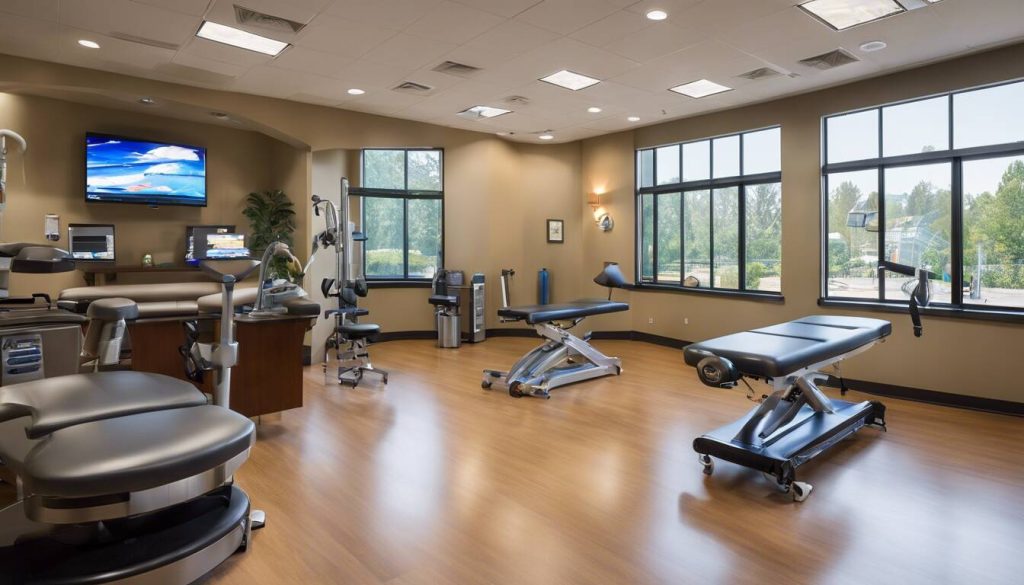
Role and Responsibilities of a Sports Medicine Nurse Practitioner
The role of a Sports Medicine Nurse Practitioner (NP) is both dynamic and crucial. They are the first point of contact for patients with various sports-related injuries, providing diagnosis and treatment for musculoskeletal issues across all levels of athletic activity. Their work demands medical expertise and a deep understanding of athletic performance and the physical demands of different sports.
When assessing patients, Sports Medicine NPs utilize their specialized training in orthopedic medicine to interpret diagnostic images, such as X-rays and MRIs, enabling accurate injury diagnosis. This allows for the determination of the injury’s extent and the most effective treatment plan for each patient. Proficiency in applying casts and splints to immobilize fractures and other injuries is essential, requiring adaptability to tailor treatments to individual needs.
In addition to direct patient care, Sports Medicine NPs collaborate with orthopedic surgeons, physical therapists, and other healthcare providers to coordinate comprehensive treatment plans. This effective collaboration is crucial for ensuring the best outcomes for patients, akin to being the captain of a sports team working together with each player to achieve victory—here, victory means helping patients recover from their injuries.
Their role in educating patients on injury prevention and rehabilitation is equally vital as it empowers individuals to take charge of their health. This involves creating personalized treatment plans tailored to each patient’s unique needs based on factors like age, activity level, and overall health status.
Moreover, remaining calm and focused during intense moments such as games or matches where split-second decisions might need to be made regarding potential injuries is paramount for Sports Medicine NPs. The pressure they face is quite similar to that encountered by athletes in the heat of competition.
Community outreach is another critical aspect of their work. Some Sports Medicine NPs engage in outreach programs aimed at promoting injury prevention and healthy lifestyles among sports enthusiasts, leading workshops at schools or community centers, further emphasizing their proactive approach toward healthcare.
The extensive responsibilities undertaken by Sports Medicine Nurse Practitioners underscore the immense value they bring to the field of sports medicine.Therefore, their multifaceted roles not only serve individual athletes but also contribute significantly to broader public health initiatives.
Assessing, Diagnosing, and Treating Sports Injuries
When a patient arrives with a sports injury, the first step is a comprehensive assessment. The nurse practitioner meticulously examines the injured area and evaluates the severity of the injury. To confirm the initial diagnosis, diagnostic imaging such as X-rays or MRIs may be used for a more in-depth understanding.
This initial assessment is crucial since it forms the foundation upon which the treatment plan will be built. By thoroughly understanding the extent and nature of the injury, the nurse practitioner can develop a personalized treatment plan that caters to the specific needs of the patient. This individualized approach ensures that each patient receives the care most suitable for their unique situation.
For instance, if a soccer player comes in with a suspected knee injury, precise evaluation will help determine if it’s an ACL tear, meniscus damage, or another issue. This level of detail allows for accurate diagnosis and tailored treatment.
Treatment Planning
Once the assessment is complete and a diagnosis is confirmed, it’s time to create a treatment plan. Based on the assessment findings, an effective and personalized course of action is developed. This plan may include various components such as rehabilitation exercises, medication management, or in some cases, referral to a specialist if surgical intervention is deemed necessary.
The significance of this phase cannot be overstated. The treatment plan serves as a roadmap for the patient’s recovery journey. Just as no two injuries are identical, no two treatment plans are identical either. Each plan must be carefully crafted to address the unique circumstances and needs of the individual while aligning with their overall health goals.
Consider a scenario where a track athlete is diagnosed with a hip flexor strain. The treatment plan might involve specific exercises to strengthen and stretch the affected muscles, along with guidance on pain management and gradual return to training.
Follow-up Care
Following the formulation of the treatment plan, it doesn’t end there—far from it. Continued monitoring is integral to ensuring that the patient progresses effectively along their recovery path. Adjustments are made to treatment plans as necessary, ensuring that any changes in the patient’s condition are addressed promptly.
This ongoing care demonstrates the commitment of sports medicine nurse practitioners to their patients’ well-being beyond just an initial consultation or diagnosis. It allows for adaptations based on how the patient responds to treatment and facilitates alterations needed to optimize their recovery trajectory.
For instance, if a high school basketball player undergoing rehabilitation for an ankle sprain experiences persistent discomfort when returning to practice, adjustments can be made in their treatment plan accordingly.
This detailed process underscores the depth of care and expertise woven into each step of addressing sports injuries. From precise assessments to personalized treatment plans and continued attentive care – every aspect contributes to optimal recovery for athletes and individuals alike.
As we transition from understanding expert care for sports injuries, let’s now explore how this expertise translates into planning, implementing, and collaborating in patient care.
Planning, Implementing, and Collaborating in Patient Care
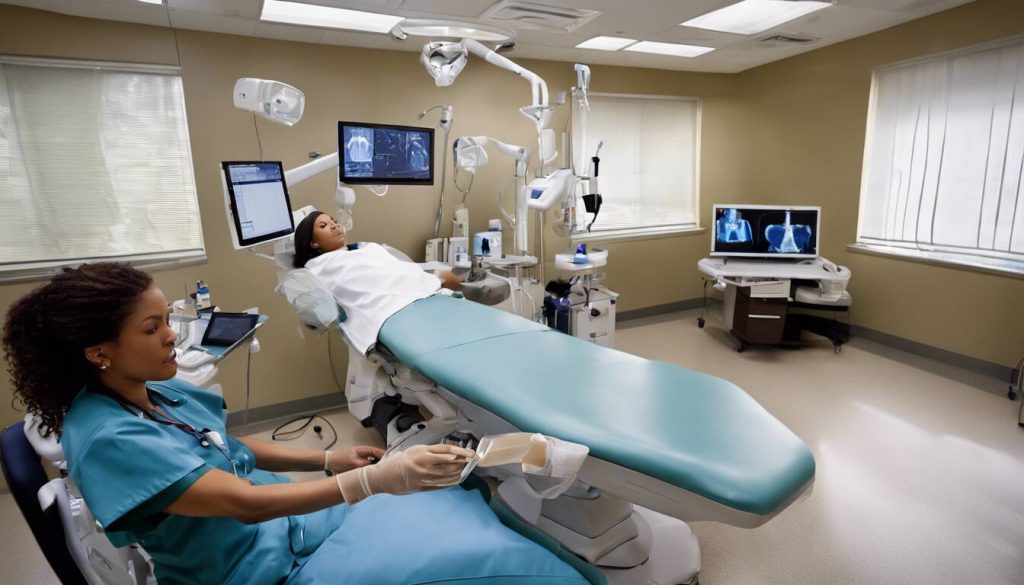
When it comes to sports injuries, the road to recovery is not a solitary journey. As a sports medicine nurse practitioner, your role extends beyond individual assessments and treatments. You work closely with a team of healthcare professionals, including orthopedic specialists, physical therapists, nutritionists, and athletic trainers, to ensure that the patients receive comprehensive care tailored to their unique needs.
A pivotal aspect of your role is coordinating treatment plans that incorporate various therapeutic modalities. This means identifying specific rehabilitation goals for each patient and developing a roadmap to help them achieve those objectives. Do they require surgical intervention followed by physical therapy? Or can their injury be managed through a conservative approach involving rest, rehabilitation exercises, and modified training? These are the intricate details that you consider when outlining treatment plans.
Furthermore, you are responsible for tracking patient progress, monitoring their response to treatments, and adjusting the care plan as necessary. Regular follow-up appointments provide an opportunity to gauge the effectiveness of interventions and make informed adjustments based on the patient’s feedback and clinical outcomes.
For instance, if a young athlete sustains a knee injury during a soccer game, you may collaborate with the physical therapist to design a structured rehabilitation program aimed at restoring strength and flexibility while minimizing the risk of re-injury. Through ongoing communication with the patient and the physical therapist, you can evaluate the treatment’s impact and modify the exercise regimen or therapy sessions accordingly.
The effective coordination of care among multiple healthcare professionals ensures that patients receive holistic support throughout their recovery process. But there’s one more vital aspect to your role as a sports medicine nurse practitioner—being the central point of contact for patients and their families. Let’s delve into this significant responsibility next.
Counseling Patients and Managing Their Lifestyle
Beyond treating the physical injuries, sports medicine nurse practitioners play a pivotal role in educating patients about injury prevention, healthy lifestyle choices, and safe exercise practices. As advocates for holistic wellness, nurse practitioners offer valuable guidance on nutrition, healthy habits, and safe return-to-play protocols to reduce the risk of re-injury.
By providing personalized lifestyle counseling, nurse practitioners empower patients to take charge of their overall well-being. Lifestyle management involves equipping patients with the knowledge and tools they need to make informed choices that promote healing and prevent future injuries. Whether it’s recommending specific nutrition plans to support recovery or offering exercise modifications to minimize strain on healing muscles, nurse practitioners tailor their guidance to each patient’s unique needs.
Consider, for instance, an athlete recovering from a knee injury. The nurse practitioner may advocate for a personalized exercise regimen that emphasizes low-impact activities to strengthen the surrounding muscles while avoiding undue stress on the injured area. Such individualized recommendations go a long way in promoting effective recovery while mitigating the risk of exacerbating the injury.
Moreover, in addition to counseling patients during visits, nurse practitioners often follow up with them to monitor progress and address any questions or concerns that may arise during their recovery journey. This ongoing support not only ensures that patients adhere to their treatment plans but also provides a source of encouragement and guidance as they navigate the challenges of rehabilitation.
By proactively engaging with patients and imparting practical strategies for enhancing their overall wellness, sports medicine nurse practitioners contribute significantly to the comprehensive care and recovery of individuals grappling with sports-related injuries.
As we’ve seen, the role of a sports medicine nurse practitioner extends far beyond immediate treatment; it encompasses comprehensive patient education, support, and personalized care. Now, let’s unfold the educational journey necessary for aspiring professionals in this field.
Educational Journey to Becoming a Sports Medicine Nurse Practitioner
Becoming a Sports Medicine Nurse Practitioner, or SMNP, is a commitment that demands dedication, time, and hard work. To embark on this career path, you typically start by earning a Bachelor of Science in Nursing (BSN) degree. This undergraduate program equips you with the fundamental knowledge and skills necessary for nursing practice, including anatomy, physiology, pharmacology, and clinical experience.
Following your BSN degree, the next step is pursuing an advanced degree in nursing. A Master of Science in Nursing (MSN) or a Doctor of Nursing Practice (DNP) degree is usually required. These graduate programs provide you with specialized training in advanced nursing practices and give you the opportunity to focus on areas like musculoskeletal care, orthopedic medicine, and sports-related injuries. During this stage of your education, you will learn how to assess and manage various musculoskeletal injuries common in sports.
Once you’ve completed your advanced degree program, obtaining certification in your specialized field is the next important milestone. Certification adds credibility to your expertise and demonstrates your commitment to delivering the highest standard of care.
For instance, organizations like the National Association of Orthopaedic Nurses offer certifications that validate your proficiency in orthopedics. Additionally, getting certified through a recognized body such as the American Academy of Nurse Practitioners Certification Board serves as a mark of excellence.
The certification process typically involves passing a comprehensive exam that evaluates your knowledge and understanding of sports medicine nursing principles. It’s important to note that these certifications require periodic renewal through continuing education and professional development.
Prerequisites & Considerations
It’s worth noting that before entering an SMNP program, there are some prerequisites to consider. For instance:
- Years of Experience: Some programs require candidates to have 2-3 years of clinical experience before pursuing an SMNP program.
- Minimum Clinical Hours: Admission may also necessitate 1,000-2,000 hours of clinical experience.
- Educational Background: Common undergraduate degrees pursued by SMNP candidates include Nursing, Exercise Science, or Kinesiology.
- Academic Requirements: A substantial percentage of SMNP programs mandate a minimum GPA for admission along with prerequisite courses such as Anatomy, Physiology, Pathophysiology, and Pharmacology.
Graduating from an SMNP program is just the beginning of an impactful journey—a journey that allows you to make real differences in people’s lives through expert care and compassion.
Career Opportunities and Salaries in Sports Medicine Nursing
Sports Medicine Nurse Practitioners have a diverse array of settings where they can provide valuable care to athletes and individuals engaged in physical activities. These professionals are not limited to hospitals; they can also work in clinics, university athletic departments, and alongside professional sports teams. Each setting offers unique challenges and opportunities for growth, allowing Nurse Practitioners to develop a wide range of skills vital in ensuring that athletes receive the specialized medical attention they need to recover from sports-related injuries and maintain peak performance.
In addition to the traditional hospital or clinic route, Sports Medicine Nurse Practitioners can find themselves working with local sports teams, from high school level all the way up to professional leagues. Whether it’s on the sidelines during games or in specialized practice facilities, these nurse practitioners are often the first line of defense when an athlete gets injured. This field requires quick thinking and the ability to remain calm under pressure as you respond to and treat sports injuries on the spot.
Consider this scenario: You’re working with a college basketball team. In the middle of a game, a player falls and injures their ankle. As a Sports Medicine Nurse Practitioner, you’re right there on the court, providing immediate care. Your expertise helps determine the severity of the injury and you initiate appropriate treatment while ensuring that the athlete is stable and comfortable.
Now, let’s talk salaries. According to the U.S. Bureau of Labor Statistics, the median annual wage for nurse practitioners, including those specializing in sports medicine, was $111,680 in May 2020.
- The average annual salary for a Nurse Practitioner in sports medicine is $130,295, equivalent to approximately $62.64 per hour.
- Salaries range from $41,500 to $200,000, with the majority falling between $108,000 and $150,000.
- The top earners in this field can make up to $180,000 annually.
These figures reflect a broad spectrum based on factors such as location, skill level, and years of experience. For instance, the highest paying cities for Nurse Practitioners in sports medicine are Sunnyvale, CA; Livermore, CA; and Arlington, VA.
The variation in salaries underscores the potential for growth and advancement in this profession. Nurse Practitioners who specialize further or take on management positions can see their earning potential increase significantly.
Moreover, related jobs such as Emergency Medicine Nurse Practitioner or Remote Sports Medicine Physician can pay significantly more than the average salary for Nurse Practitioners in sports medicine. These opportunities for increased pay underscore how varied and lucrative this field can be.
As evident from these statistics and opportunities for advancement within the field, pursuing a career as a Sports Medicine Nurse Practitioner offers not only diversity but also attractive financial rewards.
With a clear understanding of the career landscape and financial prospects in sports medicine nursing, let’s now explore the essential skillset and attributes required for success in this dynamic field.
Skillset and Attributes Required for Success
The role of a Sports Medicine Nurse Practitioner is multi-faceted and demands a diverse set of skills and attributes to effectively care for patients with musculoskeletal injuries. One of the most crucial skills is strong clinical and diagnostic abilities, which enable nurse practitioners to accurately assess and diagnose sports-related injuries. This includes interpreting diagnostic images such as X-rays, MRIs, and CT scans to determine the extent of the injury and formulate an appropriate treatment plan.
Effective communication is equally vital in this role. Nurse practitioners must be able to clearly explain complex medical conditions, treatment options, and rehabilitation exercises to their patients, as well as collaborate with other healthcare professionals, including physicians, physical therapists, and athletic trainers. This enhances patient understanding and ensures that all members of the healthcare team are working in harmony towards the patient’s recovery.
Moreover, the capacity to work collaboratively within a healthcare team is an essential attribute. Sports Medicine Nurse Practitioners often function in a multidisciplinary environment, requiring seamless coordination with various specialists to deliver comprehensive care to athletes and individuals participating in physical activities.
For instance, when an athlete sustains a complex injury, the nurse practitioner may need to consult with an orthopedic surgeon for further evaluation or seek input from a physical therapist to devise a tailored rehabilitation program. This demonstrates how teamwork plays a pivotal role in ensuring the best possible outcomes for patients.
Additionally, a deep understanding of orthopedic medicine is fundamental for providing high-quality care. This involves staying updated with the latest advancements in orthopedic treatments, surgical procedures, and non-invasive interventions to offer patients the most current and effective modalities for injury management.
For example, they should be proficient in identifying common sports injuries such as ACL tears, rotator cuff injuries, stress fractures, and dislocations. This expertise enables them to promptly recognize these injuries during clinical assessments, leading to timely interventions that can expedite recovery.
Furthermore, flexibility in approach to patient care is essential due to the diverse nature of sports-related injuries. No two patients are alike, and individualized treatment plans are often necessary to address unique clinical presentations effectively. Sports Medicine Nurse Practitioners must be adaptable in tailoring their approach based on each patient’s specific needs and response to treatment.
Finally, good time management skills are paramount for handling a demanding caseload efficiently. Whether operating in a clinic setting or as part of a sports team’s medical staff, nurse practitioners must navigate through busy schedules comprising assessments, follow-up appointments, and treatment sessions while ensuring that each patient receives adequate attention and care.
In essence, the combination of these skills and attributes equips Sports Medicine Nurse Practitioners with the capabilities needed to deliver comprehensive care tailored to the unique needs of each patient suffering from musculoskeletal injuries.
The specialized skill set possessed by Sports Medicine Nurse Practitioners underscores their ability to provide expert care for diverse sports-related injuries with precision and empathy.