
The Role of a Rehabilitation Nurse: Providing Patient Care and Therapy
A rehabilitation nurse is like a guide who guides people with serious diseases or injuries to reach their best health. They stand by these people, teaching them how to take care of themselves again while living with changes in their bodies. Rehabilitation nurses also help people’s families understand how best to support their loved ones in these tough times. If a patient needs more help, the nurse might do things like giving medicine or helping the patient clean themselves. But no matter what, at the heart of everything they do, these nurses always aim to give their patients back as much independence as possible. Now then, let’s dig deeper into what a day looks like for these hard-working nurses.
A rehabilitation nurse specializes in providing care and therapy to individuals with disabilities and chronic illness, focusing on achieving optimal function and adapting to altered lifestyles. They work as part of a multidisciplinary team, coordinating patient care, conducting assessments, administering medication, and assisting with activities of daily living.
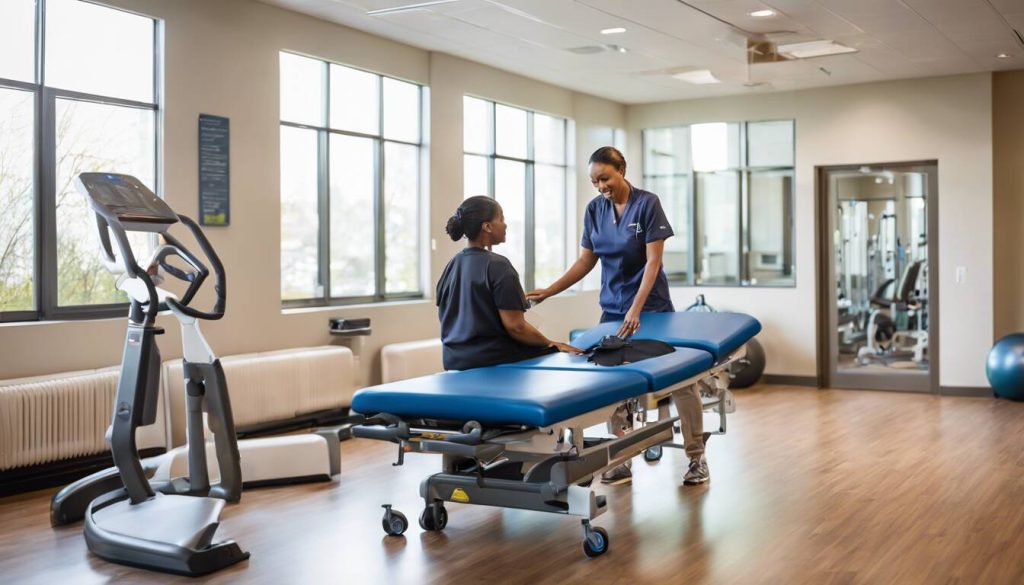
The Role of a Rehabilitation Nurse: An Overview
Rehabilitation nurses serve as patient champions, tirelessly working to help individuals navigate the complex journey of recovering or managing their health conditions. Their impactful work extends beyond physical care to encompass education, emotional support, and fostering independence. Let’s explore the multifaceted role they play in various healthcare settings.
In hospitals, rehabilitation centers, long-term care facilities, and home health settings, these dedicated nurses bring their expertise to diverse environments. They form an integral part of a multidisciplinary team, collaborating with physicians, therapists, social workers, and other healthcare professionals. This synergy allows them to coordinate patient care effectively and ensure every aspect of a patient’s needs is addressed with precision.
Within the complex realm of healthcare, rehabilitation nurses often find themselves at the heart of patient advocacy. They serve as trusted advisors, providing comprehensive education on conditions, treatments, and strategies for adapting to altered lifestyles. Their guidance helps patients and their families navigate through various aspects of medical care and empowers them to make well-informed decisions about their health.
Consider this: A rehabilitation nurse caring for a patient recovering from a spinal cord injury doesn’t just focus on physical therapy alone. They actively participate in designing personalized care plans that encompass psychological support, assistive technology recommendations, community resources, and ongoing monitoring to ensure optimal function and prevent complications.
Registered nurses who specialize in rehabilitation are often certified by the Association of Rehabilitation Nurses. This certification signifies advanced knowledge and expertise in this specialized area of nursing care.
Rehabilitation nurses do more than just administer medication and provide physical care; they are intricately involved in case management, advocating for their patients every step of the way. Their efforts are essential in promoting successful outcomes and improving the quality of life for individuals with disabilities and chronic illnesses.
The dynamic world of rehabilitation nursing entails a deep understanding of patient needs, a proactive approach to patient advocacy, and a commitment to ongoing research—all contributing to a comprehensive approach to patient care.
As we unfold the layers of patient-focused nursing care, let’s now step into the realm of providing medical and physical support to individuals on their path to wellness.
Providing Medical and Physical Care
Rehabilitation nurses play a pivotal role in administering medication to their patients. They ensure that each patient receives the right medication at the right time, carefully monitoring their responses and potential side effects. Their attention to detail and vigilance when it comes to medication administration is crucial in maintaining the health and wellbeing of their patients, especially for those with complex neurologic or orthopedic conditions.
In addition to medication administration, these dedicated nurses conduct thorough assessments to gauge the progress and needs of their patients. They take into account various factors such as mobility, pain management, cognitive function, and emotional well-being. These comprehensive evaluations form the basis for tailoring individualized care plans that address the specific needs of each patient.
Moreover, part of their daily duties includes assisting patients with activities of daily living (ADLs). This can range from helping them with bathing, dressing, and grooming, to ensuring they are comfortable and well-cared for throughout their day. Rehabilitation nurses provide compassionate support that goes beyond medical care; they offer personalized attention to help patients maintain dignity and independence during their recovery process.
Given the nature of their work, rehabilitation nurses often manage minor procedures as part of the patient’s ongoing care plan. From wound care and catheter management to therapeutic modalities and assistive device training, these nurses are skilled in a wide array of clinical interventions. Their ability to seamlessly integrate these diverse aspects of care sets them apart as versatile caregivers who prioritize patient comfort and progress.
Consider a scenario where a rehabilitation nurse is working with a patient recovering from a spinal cord injury. In addition to providing medication to manage pain and prevent infection, the nurse conducts routine assessments to track motor function and sensory perception. The nurse then assists the patient with physical therapy exercises tailored to improve mobility and strength in affected areas. This holistic approach demonstrates the specialized care provided by rehabilitation nurses that goes beyond conventional nursing roles.
The multifaceted responsibilities of rehabilitation nurses encompass not only administering medications and conducting assessments but also facilitating daily activities and managing minor procedures. These vital aspects collectively contribute to the comprehensive care provided by these dedicated professionals in improving the quality of life for individuals with neurological conditions, orthopedic conditions, and chronic illnesses. Now let’s explore how rehabilitation nurses coordinate with multidisciplinary healthcare teams to provide optimal care for patients undergoing rehabilitation.
Coordinating a Multidisciplinary Health Care Team

A rehabilitation nurse collaborates with various healthcare professionals to ensure comprehensive care for patients. This entails coordinating with physical therapists, occupational therapists, speech therapists, and social workers. Research indicates that a higher number of professionals in a team can positively impact patient care and outcomes.
For example, a study published in the Journal of Rehabilitation Medicine found that when patients were cared for by a larger multidisciplinary team consisting of not just medical professionals like nurses and doctors, but also specialists like physical therapists, occupational therapists, psychologists, and social workers, the patient outcomes significantly improved. These teams provided more holistic care addressing not just the medical needs but also the social and emotional factors affecting the patient’s recovery.
This collaborative approach ensures that all aspects of a patient’s well-being are considered, leading to a more well-rounded treatment plan.
Additionally, successful patient outcomes are closely linked to the efficiency and effectiveness of communication between different members of the multidisciplinary team. A seamless flow of information ensures that every professional involved in the patient’s care is aware of their evolving needs and progress, leading to coordinated efforts that enhance the overall rehabilitation process.
Role in Patient Advocacy
Rehabilitation nurses also serve as patient advocates within the multidisciplinary team. They work to ensure that the patient’s voice is heard and their preferences are considered in formulating the rehabilitation plan. This advocacy role extends beyond clinical settings into areas where policy-making decisions regarding disability or chronic illness may occur.
The impact of this multidisciplinary approach underlines the pivotal responsibility shouldered by rehabilitation nurses in facilitating comprehensive patient care. By effectively coordinating with various healthcare professionals and emphasizing patient advocacy, they play an instrumental role in driving positive patient outcomes and quality care delivery.
As we navigate through the intricate landscape of patient care in rehabilitation nursing, it becomes evident that prioritizing comfort and specialized care forms the bedrock of this profession. In our next section, we will delve into how rehabilitation nurses employ their expertise to ensure the comfort and specialized care tailored to each individual.
Patient Comfort and Specialized Care
When individuals are grappling with disabilities or chronic illnesses, the emotional and physical toll can be overwhelming. Rehabilitation nurses grasp this reality and prioritize providing comfort and specialized care to address these unique challenges. They work closely with each patient, comprehending their individual needs and tailoring their care to ensure a sense of support and empowerment throughout their healing journey.
Ensuring patient comfort encompasses a variety of aspects, from pain management to fostering a positive and nurturing environment. For example, rehabilitation nurses are trained to assess pain levels and implement suitable interventions to alleviate discomfort. They may also incorporate relaxation therapy, which has been shown to reduce anxiety levels by 40%, creating a soothing atmosphere that contributes to overall healing and wellbeing.
Consider, for instance, a patient with a neurological condition such as a spinal injury. This individual requires comprehensive care that caters to their specific challenges, including managing mobility limitations and preventing complications associated with their condition. Rehabilitation nurses step in to provide tailored care plans that encompass these critical aspects, playing a pivotal role in optimizing the patient’s functionality, health, and overall quality of life.
Furthermore, by forging trusting relationships with patients, rehabilitation nurses serve as advocates for their unique needs within the healthcare team. This patient-centered approach fosters a sense of empowerment and confidence, significantly impacting the patient’s ability to adapt to an altered lifestyle. The specialized care provided goes beyond physical healing, encompassing emotional support and guidance through each step of the recovery process.
Having shed light on the significance of patient comfort and specialized care provided by rehabilitation nurses, it’s evident that their role extends far beyond traditional healthcare practices, addressing individualized needs in a holistic manner.
Utilizing a Wide Range of Nursing Skills
Rehabilitation nursing is an intricate dance of skill and sensitivity. When caring for individuals with disabilities or chronic illness, the rehabilitation nurse must be adept in a multitude of areas. Let’s break down some key aspects of this diverse skill set to gain a deeper understanding of the holistic approach that rehabilitation nurses employ.
First and foremost, assessment is a crucial part of a rehabilitation nurse’s role. They meticulously evaluate their patients’ condition, including physical, emotional, and psychological status. By doing so, they are able to develop individualized care plans tailored to each patient’s specific needs. This careful and thorough assessment allows them to effectively monitor their patients’ progress, identifying any changes in their condition and promptly addressing them.
Furthermore, patient education stands as another cornerstone of a rehabilitation nurse’s practice. They take the time to thoroughly explain medical conditions, treatment plans, and self-care techniques to patients and their families. By equipping them with knowledge and guidance, they empower their patients to actively participate in their own care, fostering a sense of independence and self-reliance.
For instance, a rehabilitation nurse might teach a patient with a spinal cord injury how to perform daily activities using adaptive equipment or demonstrate exercises that can improve strength and mobility. This hands-on approach ensures that patients are well-prepared to manage their condition outside of the healthcare setting.
Much like a conductor orchestrating a symphony, rehabilitation nurses harmonize various therapeutic interventions to expedite their patients’ recovery process. From wound care and pain management to emotional support and counseling, they employ a diverse array of nursing skills to address each dimension of their patients’ well-being.
In essence, the role of a rehabilitation nurse extends far beyond traditional bedside care. It encompasses a multifaceted skill set designed to support, guide, and heal individuals as they strive toward optimal function, health, and adaptability.
As we’ve explored the intricate skills required by rehabilitation nurses, let’s now pivot to uncover how these professionals craft individualized care plans tailored to each patient’s unique needs.
Crafting Individualized Care Plans
Crafting individualized care plans is fundamental to the role of a rehabilitation nurse. Just as no two people are exactly alike, no two rehabilitation plans are identical. Each patient comes with their unique set of challenges, needs, and goals. It’s the rehabilitation nurse’s responsibility to meticulously tailor a plan that best supports the patient’s journey to recovery.
One of the first steps in crafting an individualized care plan is to conduct a thorough assessment of the patient’s condition and needs. This isn’t limited to just physical evaluation; it extends to understanding the patient’s mental and emotional well-being as well. Every detail matters in creating a comprehensive plan that addresses all aspects of the patient’s health.
Following the assessment, it’s crucial to set specific, achievable goals. These goals should be realistic but also ambitious enough to motivate the patient. Whether it’s regaining mobility, managing pain, or adapting to new lifestyle changes, each goal must contribute to the overall well-being and progress of the patient.
Once the assessment is complete and goals are set, the rehabilitation nurse collaborates closely with the patient, their family, and a multidisciplinary team to develop a holistic plan. This plan may encompass physical therapy exercises, medication management, psychological support, and lifestyle adjustments. By combining various facets of care into a single plan, the patient receives comprehensive support tailored to their specific needs.
Regular evaluations and adjustments to the care plan become essential as the patient progresses through their rehabilitation journey. This ongoing assessment ensures that the care plan continues to align with the patient’s changing needs and evolving goals. It requires flexibility and continuous communication among the healthcare team to ensure that every adjustment serves the best interests of the patient.
Ultimately, crafting individualized care plans is more than just a set of tasks; it’s an intricate process that takes into account every aspect of a patient’s well-being. By tailoring care plans to suit each patient’s unique situation, rehabilitation nurses play a pivotal role in promoting positive outcomes and fostering the best possible environment for recovery.
As we’ve explored how rehabilitation nurses craft personalized care plans, it’s time now to delve into the dynamic environment in which these plans are implemented—functioning in a patient-centered setting.
Functioning in a Patient-Centered Environment
Rehabilitation nurses are the cornerstone of holistic, patient-centered care. Their work extends far beyond treating medical conditions; they establish deep connections with patients and their families, ensuring that individual needs and preferences are at the forefront of every decision made. Picture an atmosphere where compassion, empathy, and expertise converge—this is where the rehabilitation nurse thrives.
The Patient as the Top Priority
In the realm of rehabilitation nursing, the patient’s well-being reigns supreme. It’s not just about administering medication and overseeing therapy sessions; it’s about truly understanding each patient’s unique story, motivations, and fears. By building trust and establishing open communication channels, rehabilitation nurses empower patients to be active participants in their recovery journey.
Patients come from various walks of life and carry with them a plethora of experiences and concerns. It’s crucial for rehabilitation nurses to actively listen to their stories and wholeheartedly support them through both their physical and emotional challenges.
Collaborative Care Approach
Patient care is seldom solitary; it requires a collaborative approach that involves various healthcare professionals, patients, and their loved ones. Rehabilitation nurses are skilled in coordinating these efforts to ensure that all aspects of a patient’s well-being are comprehensively addressed.
The ability to work within a multidisciplinary team is pivotal for rehabilitation nurses. They must seamlessly collaborate with physical therapists, occupational therapists, speech therapists, physicians, social workers, and other professionals to craft a cohesive care plan tailored to the individual needs of each patient.
Valuable Resources for Further Understanding
For those keen on delving deeper into the world of rehabilitation nursing, our website hosts an array of valuable resources that provide in-depth insights into their roles. From firsthand accounts from seasoned professionals to expert-reviewed articles on best practices, our platform aims to offer a comprehensive understanding of the intricate responsibilities shouldered by rehabilitation nurses.
By enhancing knowledge and awareness, we aim to foster a community where individuals not only comprehend the importance of rehabilitation nursing but also appreciate the dedication required for providing exceptional patient-centered care.
As we continue to shine a light on the pivotal role of rehabilitation nurses, may their dedication and impact on patient well-being never go unnoticed.