
Perioperative Nursing: Providing Essential Patient Care in Surgical Settings
A perioperative nurse is an important part of the surgical team. They provide care for patients before, during, and after surgery, making sure the patient is safe and comfy. They handle many tasks like helping doctors during the operation and keeping the room clean so no germs can get in and cause problems. Surprisingly, they also have a job before the surgery even begins. They meet with the patient to go over details about the operation, help to calm worries, and answer questions. All these duties are completed before a single incision is made.
As a perioperative nurse, your primary responsibilities include preparing the operating room, assisting the surgical team during procedures, and ensuring patient safety before, during, and after surgery. You will also be involved in coordinating patient care, communicating with patients and families, and maintaining a sterile surgical environment. Remember, teamwork, attention to detail, and effective communication are essential in this dynamic and rewarding nursing specialty.
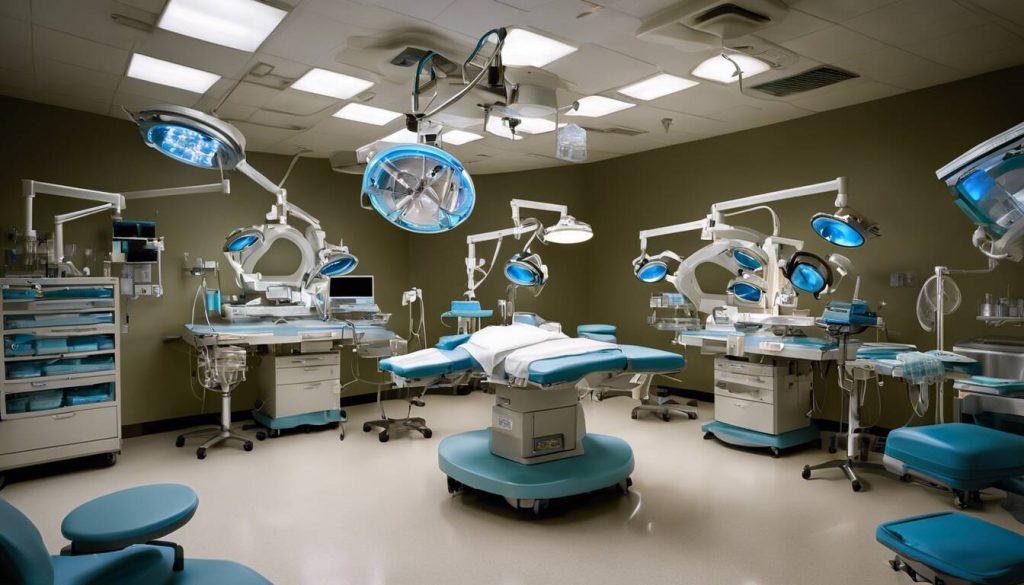
What is a Perioperative Nurse?
A perioperative nurse is like a silent guardian in the operating room; they are specialized professionals who focus on the care of patients undergoing surgery. Their role involves supporting and caring for patients throughout the entire surgical process, from start to finish. This includes preoperative preparation, assisting during the surgery itself, and ensuring a smooth recovery in the postoperative phase.
This means working closely with all members of the surgical team, including surgeons, anesthesiologists, and surgical technologists. As part of this coordinated effort, perioperative nurses play a pivotal role in advocating for patient safety and well-being.
In addition to providing direct patient care, perioperative nurses also oversee the maintenance of a safe and sterile environment in the operating room. They meticulously ensure that all equipment and instruments are properly sterilized and organized, reducing the risk of infection or complications for the patient undergoing surgery.
For instance, when considering preoperative preparation, perioperative nurses are involved in assessing patients before their surgery to identify any potential risks or concerns. During surgery, they assist the surgical team by anticipating the needs of the surgeon, providing necessary instruments, and maintaining organization in the surgical area.
Moreover, these dedicated professionals extend their care into the postoperative phase by monitoring patients as they recover from anesthesia and assisting with pain management. They are ever watchful for signs of complications that may arise during the recovery process.
Importantly, perioperative nurses embody incredible foresight – they are incredibly skilled at foreseeing potential challenges that may arise during surgery and possess what can be described as operating room ears – a keen ability to listen attentively and respond swiftly to changing situations in the operating room.
By maintaining close collaboration with other members of the surgical team, perioperative nurses ensure that patients receive comprehensive care that supports them through every stage of their surgical experience. In summary, perioperative nursing is fundamental in ensuring both patient safety and positive outcomes during surgical procedures. They stand as unwavering sentinels, tirelessly guarding the well-being of those under their care.
Key Roles: Preoperative Nursing
Preoperative nursing is a critical stage in ensuring patients are well-prepared for surgery and set on the right path to recovery. Let’s explore some of the primary duties and responsibilities involved in preoperative nursing, and how they contribute to the seamless functioning of surgical settings.
Patient Assessment
The initial patient assessment, taking 30-60 minutes, plays a crucial role in laying the groundwork for a successful surgical procedure. This intricate process aims to identify possible contraindications, such as allergies or existing conditions that may affect anesthesia or recovery. Every detail matters, as it helps create a clear roadmap for personalized care that ensures optimal surgical outcomes for each patient.
Patient Education
Providing holistic education regarding upcoming surgical procedures is a core duty of preoperative nursing. Perioperative nurses act as guides, imparting knowledge about what patients can anticipate before, during, and after surgery. By offering detailed insights into postoperative care and recovery, these nurses help alleviate anxiety and apprehension among patients, empowering them with the information they need to actively participate in their own care.
Coordination and Planning
In addition to direct patient care, preoperative nurses collaborate closely with various healthcare professionals. This phase encompasses securing necessary preoperative tests, ensuring all required documentation is complete, and organizing the timeline leading up to surgery. For instance, if a patient requires specialized imaging or diagnostic tests prior to their procedure, it is the prerogative of the preoperative nurse to ensure that these tests are scheduled at appropriate intervals to coincide with the surgical timeline.
Through these critical roles in preoperative nursing, perioperative nurses form an essential link between patients and the surgical team, ensuring that every facet of patient care is diligently addressed before they enter the operating room.
As we delve deeper into the intricacies of patient care within surgical settings, we’ll now shift our focus to examining the essential functions of intraoperative nursing – a pivotal phase in the continuum of perioperative care.
Essential Functions: Intraoperative Nursing
Intraoperative nursing encompasses a set of crucial responsibilities pivotal to the smooth operation of surgical procedures. Let’s take a closer look at these essential functions.
Sterile Technique Maintenance
Maintaining stringent standards of sterile technique is a fundamental responsibility for perioperative nurses. It involves ensuring that surgical instruments and equipment are sterile, effectively organizing them, and passing necessary items to the surgical team as required. The meticulous attention to detail in handling sterile instruments and maintaining the integrity of the surgical area forms the cornerstone of this function.
Scrupulous adherence to sterile technique is critical in minimizing the risk of surgical site infections (SSIs) and promoting positive patient outcomes. Perioperative nurses’ dedication to ensuring a sterile environment significantly contributes to the success and safety of the surgical procedure.
Patient Safety Monitoring
Intraoperative nurses serve as vigilant guardians of patient safety during surgery. They continuously monitor vital signs, keep a watchful eye on anesthesia administration, and swiftly address any emerging concerns that may arise during the surgical intervention. Their astute vigilance enables them to intervene promptly in case of any variations from the expected parameters, potentially averting adverse events.
Additionally, their close coordination with other members of the surgical team ensures seamless communication and swift implementation of interventions if warranted. Through their unwavering focus on patient safety, perioperative nurses act as linchpins in upholding the highest standards of care throughout the surgery.
Communication and Documentation
Communication and detailed documentation constitute another indispensable facet of intraoperative nursing. Perioperative nurses meticulously maintain comprehensive records encompassing various aspects of the surgical procedure, such as documenting medications administered, surgical events, and intricacies regarding changes in the patient’s condition during surgery.
For instance, imagine a scenario where meticulous documentation becomes indispensable – an unexpected change in the patient’s condition requires immediate alteration in the course of action during surgery. In such instances, accurate and comprehensive documentation serves as an invaluable resource for the entire healthcare team, facilitating informed decision-making during critical moments.
Clear and effective communication within the intraoperative setting is rooted in fostering collaborative teamwork and ensures a harmonious flow of information among all individuals involved in patient care. Such precise communication is pivotal not only in facilitating seamless coordination within the operating room but also in optimizing patient safety and outcomes.
The proficient execution of these critical functions by perioperative nurses ensures not only the smooth functioning of surgical procedures but also underscores their irreplaceable role in safeguarding patient well-being and optimal clinical outcomes.
Now, venturing beyond the theater of surgery, let’s navigate through the pivotal realm of postoperative care in our exploration of “Critical Tasks: Postoperative Nursing.
Critical Tasks: Postoperative Nursing
Once the patient moves on from the operating room, their journey toward recovery begins, and this is where postoperative nursing comes into play. Here are some key tasks that perioperative nurses often handle:
Recovery Assistance
When the patient awakens from anesthesia, perioperative nurses step right in to provide immediate postoperative care. They’re responsible for addressing the patient’s pain management, ensuring proper wound care, and vigilantly monitoring for any potential complications. Their swift attention to such matters allows them to address any issues that may arise promptly, fostering a smooth transition into the crucial early recovery period.
Discharge Planning
Transitioning from the sterile environment of the recovery area to the comforts of home can be daunting for patients. This is where perioperative nurses play a pivotal role in facilitating a seamless handover. They’re responsible for carefully planning and coordinating with the medical team to ensure that proper instructions regarding medication, dietary restrictions, and activity levels are conveyed to the patient. Additionally, they arrange any necessary follow-up appointments, further ensuring continuity of care and support beyond the hospital walls.
Patient Advocacy
Advocating for the patient’s needs doesn’t end when the surgery does; it extends well into the postoperative period. Perioperative nurses continually champion for their patients’ rights, ensuring that they receive appropriate care, support, and understanding as they navigate through their recovery journey. Moreover, they remain proactive in addressing any concerns or discomfort expressed by the patient, serving as a steadfast pillar of support during what can be an emotionally taxing time.
For instance, if a patient expresses apprehension or confusion regarding their post-surgical care or has any unaddressed discomfort, perioperative nurses are there to listen attentively and offer clear explanations to alleviate any concerns.
In essence, postoperative nursing isn’t just about tending to physical needs; it encompasses emotional support and personalized care, reflecting the essential role that perioperative nurses play in their patients’ recovery process.
Armed with a deeper understanding of postoperative nursing’s role in ensuring a patient’s smooth transition into recovery, we can better appreciate how perioperative nurses contribute beyond the operating room.
Advantages of Being a Perioperative Nurse
Being a perioperative nurse isn’t just about providing essential care in surgical settings; it’s also filled with numerous benefits and opportunities that can enhance both personal and professional growth. Let’s explore the advantages of being a perioperative nurse and understand why many find it to be a rewarding career path.
Diverse Learning Opportunities
One of the most appealing aspects of working in the perioperative setting is the exposure to a wide range of surgical procedures, medical conditions, and state-of-the-art technology. From common procedures like appendectomies to more intricate surgeries like organ transplants, perioperative nurses have the opportunity to learn and adapt to different clinical scenarios. The constant exposure to diverse cases not only enriches their clinical skills but also fuels their thirst for knowledge and continuous improvement. It’s like being part of a live medical classroom, where every surgery brings new insights and experiences. This diversity allows them to become well-rounded healthcare professionals equipped to handle various challenges with confidence.
Team Collaboration
In the operating room, teamwork isn’t just a buzzword – it’s a way of life. Perioperative nurses work closely with surgeons, anesthesiologists, surgical technologists, and other healthcare professionals to ensure that every aspect of the surgical procedure runs smoothly. This collaborative environment fosters mutual respect, open communication, and efficient problem-solving. It’s all hands on deck as everyone works together towards a common goal: ensuring the best possible outcome for the patient. The camaraderie formed within the operating room creates a supportive and dynamic work culture that many find fulfilling and stimulating.
Career Growth
Perioperative nursing offers an array of opportunities for professional development, specialization, and career advancement. With continuous advancements in surgical techniques, equipment, and patient care protocols, perioperative nurses are presented with numerous avenues for growth. They can pursue specialized certifications in areas such as trauma nursing, pediatric surgery, or even become leaders in perioperative management. Whether it’s through formal education or on-the-job training, there are ample opportunities for perioperative nurses to elevate their careers and take on leadership roles within their field. This offers a pathway for long-term career satisfaction and personal fulfillment.
These advantages make perioperative nursing an appealing and gratifying career choice for those passionate about contributing to high-stakes healthcare environments while continuously expanding their knowledge base and professional horizons.
Challenges in Perioperative Nursing
The operating room can sometimes feel like a pressure cooker, with every action having a critical impact on the patient. For perioperative nurses, this environment brings its own unique set of challenges, ranging from the intense pace to the technical complexity of the equipment they work with.
High-Stress Environment
The fast-paced and high-stress nature of the operating room can be mentally and emotionally challenging for perioperative nurses, requiring strong coping mechanisms and resilience. Every moment counts in the operating room, and the need to maintain focus under such pressure is one of the key challenges faced by perioperative nurses. The ability to respond quickly and effectively under these circumstances is vital for both patient care and personal well-being.
Perioperative nurses must continually stay on high alert, ready to adapt to unexpected developments and changes. This environment demands a great deal of mental fortitude and emotional resilience. It’s not just about mastering technical skills; it’s about maintaining composure in high-stakes situations where split-second decisions can make all the difference.
Technical Complexity
Navigating advanced surgical technology and equipment demands a high level of competence and adaptability from perioperative nurses. As medical technology continues to advance at a rapid pace, staying updated with the latest tools and techniques becomes an ongoing challenge. From robotic surgical systems to complex imaging devices, perioperative nurses must possess a deep understanding of these technologies to ensure efficient support during surgical procedures.
Furthermore, the dynamic nature of surgical procedures means that perioperative nurses must also be adept at troubleshooting and problem-solving in real-time. They often find themselves at the intersection of man and machine, ensuring seamless coordination between patient care requirements and technological processes.
Intensive Patient Care
Perioperative nurses are involved in critical phases of patient care, which necessitates a high degree of attention to detail and swift decision-making. The responsibility of ensuring patient safety during surgery, as well as managing any unforeseen complications that may arise, rests heavily on their shoulders.
Imagine having to balance meticulous monitoring of vital signs, medication management, and communication with other members of the surgical team—all while maintaining calm professionalism in a highly charged environment. This level of intensive patient care requires not only clinical expertise but also exceptional communication and teamwork skills.
In a multifaceted role filled with challenges, perioperative nurses are called to combine technical proficiency, mental resilience, and unwavering dedication to ensuring optimal patient outcomes in the demanding setting of a surgical environment.
As you delve into the world of perioperative nursing, understanding the challenges is just one piece of the puzzle. Now, let’s shift our focus to uncovering the essential steps to becoming a successful perioperative nurse.
Steps to Becoming a Successful Perioperative Nurse

Becoming a perioperative nurse is an amazing journey that offers a rewarding and fun work environment. But it definitely takes some careful planning and effort. Here are some key steps you can take to begin your career as a successful perioperative nurse.
Obtain Proper Education
First things first – proper education! It all begins with pursuing a nursing degree that serves as the foundation for your career. Look for programs that offer specialized training in perioperative nursing through certification programs and continuing education. These specialized programs will equip you with the necessary skills and knowledge to thrive in surgical settings.
In addition to the general nursing curriculum, aspiring perioperative nurses can benefit from seeking out specific courses related to surgical care such as infection control, aseptic techniques, and operating room technology. By developing competence in these areas, you’re not just enhancing your career potential but also contributing to the health and safety of patients under your care.
Gain Clinical Experience
Getting hands-on experience is crucial. It’s not just about what you know, it’s about putting that knowledge into practice. Seek internships, clinical rotations, or entry-level positions in surgical settings to develop a strong foundation in perioperative nursing. The more exposure you have to surgical procedures and patient care, the better prepared you’ll be for your future role.
Internships and clinical rotations are especially beneficial as they provide a real-world perspective on the demands and intricacies of perioperative nursing. You’ll learn valuable interdisciplinary teamwork skills, experience firsthand the intensity of surgical situations, and gain an understanding of patient advocacy within the operating room setting.
Pursue Professional Development
Learning never stops in healthcare. Pursuing professional development initiatives is key to excelling as a perioperative nurse. This involves staying abreast of the latest advancements in surgical procedures, technologies, and patient care practices. Continuous education not only enhances your skills but also ensures that you’re delivering the best possible care to your patients.
Furthermore, obtaining advanced certifications showcases your commitment to excellence in perioperative nursing and strengthens your credibility as a specialist in this field. Many organizations offer opportunities for ongoing learning where you can acquire new skills and expand your knowledge base through seminars, workshops, and conferences dedicated to perioperative care.
By investing in proper education, gaining valuable clinical experience, and continually pursuing professional growth, you can set yourself up for success as a competent and effective perioperative nurse.
Embarking on a career in perioperative nursing demands dedication and perseverance, but the rewards of making a positive impact on patients’ lives make it an incredibly fulfilling journey. Best of luck on this incredible path!