
The Definitive Guide to Being an Operating Room Nurse: Roles and Responsibilities
An Operating Room Nurse is a vital member of the surgical team; these nurses care for patients before, during and after surgery. Their role extends to collaborating closely with other members of the operation theatre, such as surgeons and anesthesiologists, playing a pivotal part in ensuring safety throughout the surgical process. While most may think that operating room nurses merely assist during the procedure, their responsibilities run much deeper. From preparing the patient for surgery to checking vital signs post-operation, they provide comprehensive care. To don such a significant role, one needs to be a registered nurse with specialized training and skills focused on perioperative care. Now, let’s dive into their key responsibilities.
Operating room nurses, also known as perioperative nurses, play a crucial role in the surgical process. Their responsibilities include preparing patients for surgery, assisting surgeons during procedures, and ensuring a safe environment in the operating room. Additionally, they monitor patients’ vital signs post-surgery and provide post-operative care.
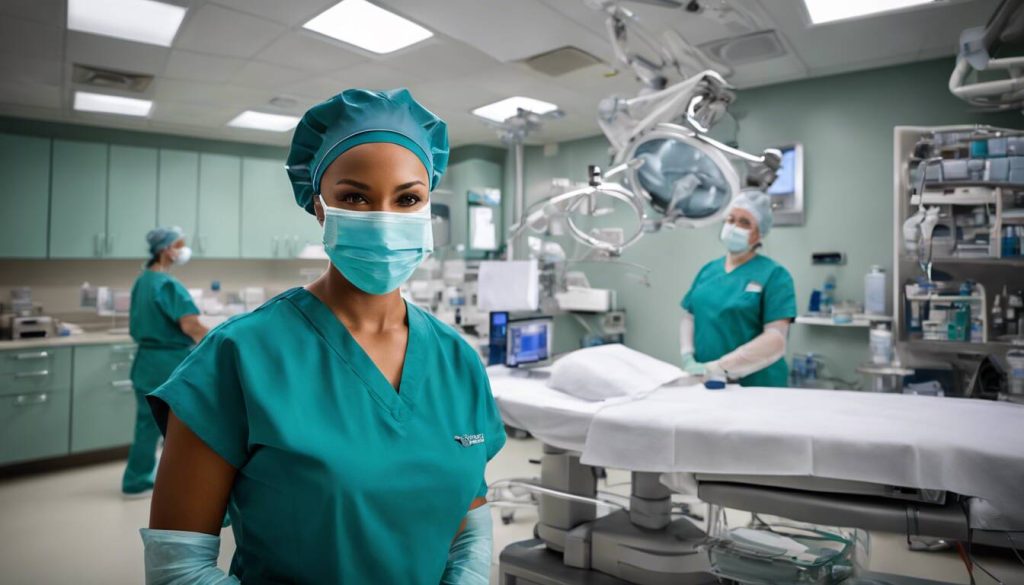
What is an Operating Room Nurse?
Imagine a place where every second counts, where teamwork is paramount, and where lives are on the line. This is where the operating room nurse, or perioperative nurse, shines. They are the unsung heroes in the surgical theater, working tirelessly behind the scenes to ensure that everything goes smoothly.
Their main responsibility extends beyond just taking care of patients. Before surgery begins, they’re responsible for completing all the necessary paperwork with the patient to ensure that everything is in order for their procedure. They meticulously double-check medical histories, medications, and any important details provided by the patient to ensure a safe and successful surgery.
During the surgical procedure, you’ll find them assisting the surgeon by selecting and passing instruments with precision and maintaining a sterile environment at all times. They’re constantly vigilant, anticipating the needs of both the patient and the surgical team to guarantee that everything runs seamlessly.
After the surgery, their responsibility continues as they monitor the patient’s condition, providing post-operative care and keeping a close eye on any signs of complications. They are adept at managing overall nursing care from start to finish during the operation and ensuring that their patients recover as comfortably as possible.
In essence, an operating room nurse’s role is multifaceted—requiring a blend of technical skills, compassion, attention to detail, and quick thinking under pressure.
This description only scratches the surface of what it truly means to be an operating room nurse. Let’s dive deeper into the various daily aspects of this crucial role.
Moving forward, let’s delve into the myriad of daily responsibilities that encompass an operating room nurse’s pivotal role.
Key Responsibilities of Operating Room Nurses
Operating Room Nurses are integral to the surgical team and shoulder a wide array of vital responsibilities. Let’s break down their main duties step by step.
Preoperative Duties
Prior to surgery, these dedicated professionals ensure meticulous preparation, completing essential paperwork with patients, conducting thorough health assessments, and verifying that all necessary preoperative procedures are in place. This phase is critical as it sets the stage for a smooth surgical experience, demanding precision and attention to detail.
They also play a key role in offering reassurance and support to patients who may be feeling anxious about their upcoming procedures. Their ability to create a calm, comforting environment can significantly contribute to positive patient outcomes.
Intraoperative Care
During surgeries, operating room nurses work diligently alongside the surgical team. Their tasks include selecting and passing instruments to the surgeon, ensuring the OR environment remains sterile and safe, and closely monitoring the patient’s condition throughout the procedure. Their expertise in maintaining aseptic techniques is crucial in preventing infections and ensuring the success of the surgery.
These dedicated professionals act as vital liaisons between the patient, surgeon, and other team members, working seamlessly to facilitate efficient communication and execution within the high-pressure environment of the operating room.
Postoperative Responsibilities
Once the surgical procedure is complete, the responsibilities of operating room nurses continue into the postoperative phase. They diligently monitor the patient’s condition as they emerge from anesthesia, manage overall nursing care by addressing any immediate recovery needs, and provide unwavering support during this critical period.
Their skills in postoperative care are invaluable in identifying any unforeseen complications and swiftly addressing them, thereby contributing significantly to positive patient outcomes and recovery periods.
In summary, the role of an operating room nurse is multifaceted, demanding not only advanced medical knowledge but also exceptional communication, teamwork, and critical thinking skills. It encompasses meticulous preparation before surgery, vigilant intraoperative care during surgical procedures, and attentive postoperative support for optimal patient recovery.
With a clear understanding of the essential duties of operating room nurses, let’s now explore what it takes to enter this esteemed profession.
Prerequisites for Becoming an Operating Room Nurse
Entering the world of perioperative nursing is no small feat—it requires dedication and a solid educational foundation. The path to becoming an operating room nurse often begins with obtaining a Bachelor of Science in Nursing (BSN). This comprehensive program equips aspiring nurses with the theoretical knowledge and practical skills required for success in a fast-paced operating room environment.
The BSN curriculum covers a wide range of subjects, from anatomy and physiology to pharmacology and patient care. Armed with this in-depth knowledge, nurses are better prepared to make informed decisions and provide high-quality care to patients undergoing surgical procedures, laying a strong foundation for a career in perioperative nursing.
Once the BSN program is successfully completed, prospective operating room nurses must pass the National Council Licensure Examination for Registered Nurses (NCLEX-RN). This standardized test assesses the knowledge, skills, and abilities necessary for safe and effective nursing practice, ensuring that nurses meet the required standards before entering the workforce.
The NCLEX-RN covers a wide range of topics, including physiological adaptation, risk reduction, and pharmacological and parenteral therapies. Nurses who clear this exam demonstrate their competence in areas such as medication administration, safety measures, and patient advocacy. A strong performance on the NCLEX-RN reflects a nurse’s readiness to assume the responsibilities associated with working in the operating room. For example, Jane, a diligent nursing student committed herself to extensive study sessions and practical application of her knowledge. Her commitment paid off when she received passing scores, solidifying her readiness to embark on a career as an operating room nurse.
Furthering their qualifications, prospective operating room nurses are encouraged to complete a perioperative nurse certification program, which equips nurses with specific knowledge and skills unique to the operating room environment. It provides insights into interdisciplinary teamwork within the operating room, emphasizing effective communication and collaboration with surgeons, anesthesiologists, and other OR staff. Additionally, it offers hands-on learning opportunities that familiarize nurses with various surgical procedures and equipment commonly used in operative settings.
By obtaining these essential educational qualifications and pursuing specialized training through certification programs, aspiring operating room nurses can position themselves for success in this challenging yet rewarding field.
As we explore further into the world of operating room nursing, let’s examine the essential skillset required to thrive in this dynamic environment.
Essential Skillset for Operating Room Nurses

Being an operating room nurse is a demanding job that requires a unique set of skills and traits, specific to working in a surgical setting.
Attention to Detail
In the operating room, being attentive to the smallest details is critical. A small mistake can have significant consequences, so operating room nurses need to meticulously double-check everything, from verifying medications and dosages to ensuring all necessary equipment is available and confirming patient information. Even the most seemingly minor oversight can lead to serious complications during surgery.
Ensuring that everything is in its place and consistently monitoring all aspects of the procedure is crucial. Take, for instance, verifying the patient’s identification and surgical site – a misplaced label or surgical instrument could lead to dire consequences, underscoring the life-and-death significance of attention to detail in the operating room.
Strong Communication
Effective communication is another indispensable skill for operating room nurses. They must effectively relay critical information to other members of the surgical team, including surgeons, anesthesiologists, and surgical technologists. This ensures that everyone is on the same page and working cohesively to deliver optimal patient care.
In the high-pressure environment of surgery, clear and concise communication among team members is essential for seamless coordination. Whether it’s notifying the surgeon about a change in the patient’s condition or relaying instructions to the circulating nurse, effective communication is fundamental to maintaining patient safety and ensuring the smooth progression of the procedure.
Critical Thinking
In the operating room, split-second decision-making is often required. Operating room nurses must be adept at thinking critically under pressure, swiftly analyzing situations, and making informed decisions that directly impact patient outcomes.
Each moment in surgery presents its own unique set of challenges, requiring nurses to think on their feet and respond promptly to evolving circumstances. From anticipating potential complications to adjusting strategies based on real-time observations, critical thinking skills are indispensable for navigating the complex landscape of a surgical environment.
The demands placed upon operating room nurses necessitate an intricate blend of technical expertise and interpersonal abilities. These vital skill sets play a pivotal role in upholding patient safety and ensuring optimal surgical outcomes.
Navigating the Work Environment in OR Nursing
Operating room (OR) nurses play a pivotal role, much like conductors in an orchestra, guiding the performance of a skilled team through intricate procedures. Each day brings new challenges as they must adapt to diverse surgical settings and collaborate with surgeons, anesthesiologists, and other healthcare professionals.
The work environment in the OR is fast-paced and demanding, requiring flexibility and quick decision-making. Nurses must anticipate the needs of the surgical team, maintain impeccable attention to detail, and react swiftly to unexpected developments. The ability to stay calm under pressure is crucial, as each moment impacts the safety and well-being of the patient.
Moreover, navigating the dynamics of the surgical team demands strong communication and interpersonal skills. Effective communication is paramount, whether providing critical information to the surgeon or comforting a nervous patient during their time of need.
Scrub Tech Responsibilities
In some facilities, OR nurses may also take on scrub tech responsibilities alongside their nursing duties. This role involves preparing and maintaining sterile fields for surgical procedures, handling instruments, and passing necessary equipment to the surgeon. Juggling these responsibilities requires exceptional dexterity and acute understanding of surgical procedures.
Circulating Nurse Role
Simultaneously, OR nurses may assume the role of a circulating nurse, serving as a patient advocate throughout the procedure. Their responsibilities include managing overall nursing care, maintaining a safe environment in the operating room, and ensuring adherence to strict procedural protocols.
As members of both behind-the-scenes support and frontline patient care, operating room nurses play a pivotal role in upholding standards of excellence in surgical settings.
Mastering this vibrant work environment not only calls for technical expertise but also relies heavily on honed communication skills, swift decision-making abilities, and unwavering dedication to patient welfare.
With a solid understanding of the intricate responsibilities of an OR nurse, it’s time to explore potential career growth and salary prospects in this dynamic field.
Potential Career Growth and Salary in OR Nursing
The healthcare industry offers a range of career options for operating room nurses, from lateral advancements within the specialized field to broader, supervisory roles. Aspiring nurses may seek career progression through avenues such as leadership positions as operating room directors or further education to become certified first assistants or nurse anesthetists.
The median salary for registered nurses, including operating room nurses, is approximately $81,840. However, it’s important to note that this figure can significantly vary based on factors such as level of experience, location, and specific role within the operating room. For example, the average salary for an Operating Room Nurse in New York is $106,327 per year, ranging from $37,744 to $187,626 annually.
In addition to these standard career paths, there are opportunities for specialization within the realm of operating room nursing, such as roles like Cardiac Operating Room Nurse and Cardiovascular Operating Room Nurse. These specialized roles often offer considerably higher salaries when compared to the average operating room nurse salary.
For instance, the average salaries for related jobs in the operating room nurse category include **Er Pediatrician ($192,218), Cardiac Operating Room Nurse ($164,363), and Cardiovascular Operating Room Nurse ($159,331)**—figures that surpass the average annual salary for operating room nurses.
It is crucial for aspiring and current operating room nurses to be aware of the financially lucrative possibilities open to them through advanced degrees or specialization within their field. The prospect of continually increasing job opportunities coupled with competitive salaries makes pursuing further education or acquiring specialized skills all the more enticing.
As we delve deeper into understanding the earning potential and career pathways available to operating room nurses, it becomes clear that promising opportunities await those who seek career growth and advancement within this specialized nursing domain.
Comparative Analysis: Operating Room Nurse vs. Surgical Nurse
Operating room nurses and surgical nurses both play vital roles in ensuring patients receive the best care possible during surgical procedures. However, their specific responsibilities and focus areas differ, making each role unique. Let’s break down the differences between these two important nursing positions to understand how they contribute to the overall patient care process.
Operating Room Nurse
Operating room (OR) nurses, also known as perioperative nurses, are highly specialized professionals who are integral to the success of surgical procedures. They ensure the safety and well-being of patients during their time in the operating room. From preparing the surgical environment to monitoring vital signs during the procedure, their primary focus is on the immediate care of the patient during surgery.
Operating room nurses play a critical role in coordinating with surgeons, anesthesiologists, and other members of the surgical team to maintain a sterile environment and assist with any instruments or supplies needed throughout the procedure. Their expertise in patient positioning and understanding of surgical procedures make them essential contributors to the seamless execution of surgeries.
Surgical Nurse
On the other hand, surgical nurses are involved in a broader spectrum of patient care that encompasses both preoperative and postoperative phases. Before surgery, they conduct assessments, educate patients about the procedure, and ensure all necessary preoperative preparations are completed. They often assist with anesthesia administration and help prepare the patient for surgery.
Post-surgery, surgical nurses play a pivotal role in monitoring and managing patients’ recovery. This includes assessing vital signs, managing pain, addressing wound care, and providing comprehensive support to ensure patients are on track for a successful recovery.
When comparing these roles, it becomes evident that while both types of nurses are committed to delivering exceptional patient care, their areas of expertise vary significantly. While operating room nurses focus on maintaining a safe surgical environment and providing direct patient care during surgery, surgical nurses are involved in a more comprehensive spectrum of care spanning both preoperative and postoperative phases.
The distinct responsibilities of these nursing positions highlight the collaborative nature of healthcare delivery within surgical settings. Both operating room nurses and surgical nurses work together seamlessly to ensure optimal outcomes for patients undergoing surgical procedures. Each role brings its own unique contributions to the holistic care provided to patients throughout their surgical journey.
In conclusion, while their roles may differ, operating room nurses and surgical nurses share a common goal: providing exceptional care to patients throughout every stage of their surgical experience.