
The Role of an Oncology Nurse: Providing Specialized Cancer Care
An oncology nurse plays a vital role caring for those suffering from cancer. These nurses provide physical care alongside emotional comfort to patients, making them a key asset within the medical team. Surprisingly, they additionally serve as educators, offering knowledge and guidance to patients and their loved ones throughout their journey. Their dual role as caregivers and teachers for these patients truly anchors the healthcare field. Now, imagine the depth of this vital roleĺ.
As an oncology nurse, your daily responsibilities may include patient advocacy, providing vital patient education, administering treatments, and contributing to innovative advancements in cancer care. Additionally, you will offer vital emotional support while addressing symptoms and collaborating with the care team to develop personalized plans for patients.
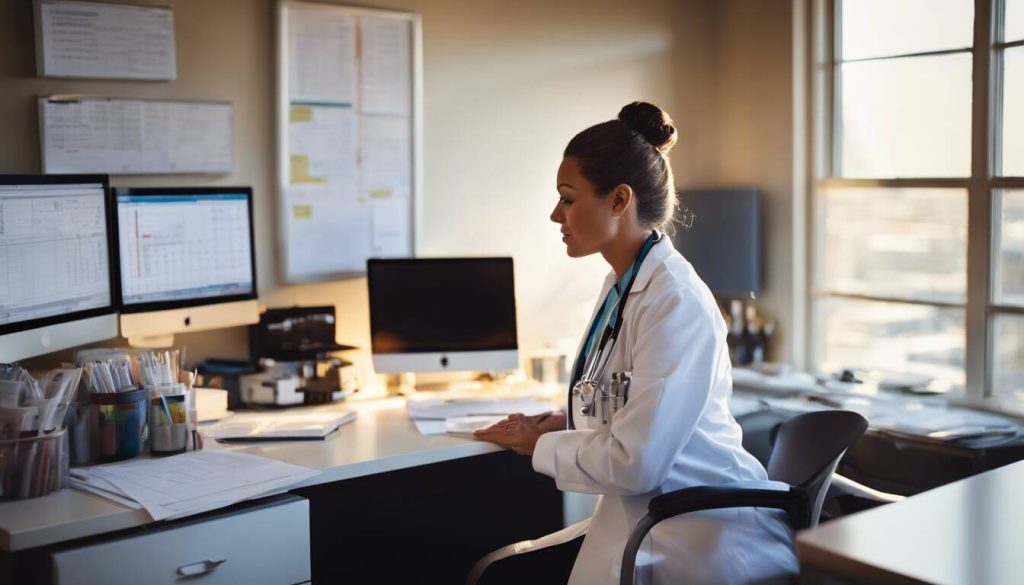
Defining Oncology Nursing
Oncology nursing is a specialized and rewarding field that centers on caring for patients diagnosed with cancer. It extends beyond administering medical treatments to encompass emotional support, education, and patient advocacy. This unique role necessitates a deep understanding of the physical and emotional impact of cancer on patients and their families. It’s about being a source of strength and knowledge in the face of such a challenging diagnosis.
An oncology nurse doesn’t merely administer treatments or provide physical comfort; they become critical advocates for their patients’ overall well-being. They develop personal connections and form strong relationships with those they care for, learning about individual needs and adjusting their support accordingly. Whether it’s explaining complex treatment plans to patients and family members in an accessible way or offering a reassuring presence during moments of fear or uncertainty, the role of an oncology nurse is multifaceted.
The responsibilities of an oncology nurse are numerous, encompassing daily tasks such as medication administration, symptom management, and close monitoring of patient progress. Beyond these clinical duties lies the fundamental tenet of compassionate care. This often means being a comforting presence during despair for both patients and their families; it’s a role that leans heavily on emotional intelligence and empathy.
Imagine this: A newly diagnosed cancer patient is overwhelmed by the barrage of information presented to them by their doctors. They may feel fearful, confused, angry, or all at once. An experienced oncology nurse steps in to address their concerns calmly, breaking down complex medical jargon into digestible information while offering reassurance and hope. Such moments highlight the incredible impact that empathetic and knowledgeable oncology nurses bring to the table.
Esteemed as both caregivers and educators, oncology nurses play an integral part in guiding patients through one of the most challenging periods of their lives—providing not only physical support but also enduring emotional encouragement and understanding.
Moving forward, let’s delve into the specific tasks that form the backbone of an oncology nurse’s daily routine – ensuring comprehensive care for their patients.
Key Tasks of Oncology Nurses
As an oncology nurse, you carry out many important tasks to ensure that patients receive the specialized care they need. Let’s take a closer look at some of the key responsibilities crucial to providing comprehensive care for cancer patients.
Patient Assessment
When a patient with cancer arrives for their treatment, one of the first things you do is conduct a detailed assessment. This involves carefully monitoring and managing their symptoms, discussing treatment options, and evaluating their responses to ongoing treatment. It’s your job to keep a close eye on how they’re doing physically and emotionally throughout their treatments.
Let me tell you, it’s not just about observing physical symptoms—although that is very important too—but also being attentive to any emotional changes the patient might be experiencing. It could be fear, anxiety, or uncertainty about the treatment process. The ability to understand nonverbal cues and pick up on subtle changes in mood can make a world of difference in how you approach each patient’s care.
Treatment Administration
Administering cancer treatments such as chemotherapy, immunotherapy, and targeted therapy comes with a great deal of responsibility. Ensuring that these treatments are delivered safely and accurately is vital. You need to be well-versed in the intricacies of different treatments, understanding the potential side effects and knowing how to manage them effectively.
I remember when I first started administering chemotherapy—it was nerve-wracking! But with time and experience, I became confident in my ability to handle these powerful treatments while keeping the patient’s safety at the forefront.
Patient Education
In the world of oncology nursing, providing patients and their families with crucial information is an essential part of the job. Patients rely on nurses like you to guide them through their condition, help them understand treatment options, manage potential side effects, and inform them about available support services. Your role as an educator is invaluable in empowering patients to make informed decisions about their care.
Being able to break down complex medical jargon into easily understandable language for patients and their families is such a crucial skill. Sharing knowledge in this way can make a huge difference in easing their anxieties and helping them feel more in control of their situation.
Care Plan Development
Collaborating with the healthcare team to develop individualized care plans is essential for addressing the diverse needs of cancer patients. These care plans are not just about physical health but also address the emotional and psychological aspects of living with cancer. As an oncology nurse, you play a key role in creating a supportive environment for patients where all their needs are met.
I remember working on a particularly challenging case where the patient needed extensive pain management alongside emotional support. Collaborating with other healthcare providers allowed us to devise a comprehensive care plan that significantly improved the patient’s quality of life during treatment.
These tasks represent just a fraction of what it means to be an oncology nurse—each responsibility playing a critical role in providing holistic and compassionate care to individuals battling cancer.
The next step is delving deeper into the essential skills required by oncology nurses as they navigate the complex landscape of caring for cancer patients.
Essential Skills for Oncology Nurses
Strong Communication: Effective communication is like a bridge between the nurse and the patient, enabling trust to form and ensuring that patient needs are met comprehensively. As an oncology nurse, having solid communication skills is not just about relaying information— it’s about truly hearing and understanding the patient’s concerns, fears, and hopes. Oncology nurses also need to communicate seamlessly with the broader healthcare team, ensuring that all aspects of patient care are coordinated and in sync.
Empathy and Compassion: The emotional toll of cancer diagnosis and treatment is tremendous, not just for the patient but for their loved ones as well. Oncology nurses must possess a high level of empathy and compassion to provide holistic support to patients and their families. This means being able to tap into one’s own emotional reserves while demonstrating understanding, patience, and genuine care in all interactions.
Critical Thinking: The ability to think critically is a fundamental skill for oncology nurses. In the fast-paced and high-stakes environment of cancer care, quick and accurate assessments can make all the difference. Nurses must be adept at recognizing subtle changes in a patient’s condition, interpreting lab results, and making timely clinical decisions that directly impact patient outcomes.
Attention to Detail: Administering complex treatments like chemotherapy requires meticulous attention to detail. Oncology nurses need to be astutely observant, unwaveringly careful when administering medications, and vigilant in monitoring patients for potential side effects or complications. It’s this meticulous approach that enhances patient safety and ensures that each patient receives personalized care tailored to their specific needs.
Mastering these skills equips oncology nurses to navigate the myriad challenges of cancer care with resilience, professionalism, and unwavering commitment to their patients’ wellbeing.
Now let’s delve into the training and education requirements essential for those aspiring to become part of this noble profession.
Training and Education Requirements
As with any profession in the healthcare field, the journey to becoming an oncology nurse begins with obtaining the necessary education. Typically, aspiring oncology nurses must complete either an Associate’s Degree in Nursing (ADN) or a Bachelor of Science in Nursing (BSN) from an accredited nursing program. These educational paths provide a comprehensive foundation in nursing principles, patient care, and medical knowledge. However, it’s important to note that a BSN offers a more extensive education and is increasingly becoming the preferred qualification for many healthcare employers due to its emphasis on critical thinking and leadership skills.
The coursework involved in these programs covers a wide range of subjects, including anatomy, physiology, pharmacology, microbiology, and medical-surgical nursing. Additionally, students gain hands-on clinical experience in various healthcare settings, from hospitals to community clinics. This practical exposure equips them with the fundamental skills and knowledge needed to provide competent patient care.
Moreover, obtaining the Registered Nurse (RN) license is an essential requirement for practicing as an oncology nurse. This licensure is acquired by passing the National Council Licensure Examination for Registered Nurses (NCLEX-RN). It is a rigorous exam that assesses the individual’s ability to provide safe and effective care in various healthcare settings. Earning this license establishes the nurse’s competence and eligibility to practice within the profession.
Beyond the foundational education and licensing, specialized certifications play a pivotal role in enhancing career prospects in oncology nursing. The Oncology Nursing Certification Corporation (ONCC) offers several esteemed certifications for oncology nurses, including the Certified Oncology Nurse (OCN), Advanced Oncology Certified Clinical Nurse Specialist (AOCNS), Blood & Marrow Transplant Certified Nurse (BMTCN), Certified Breast Care Nurse (CBCN), and Certified Pediatric Hematology Oncology Nurse (CPHON). These certifications validate the nurse’s expertise, dedication, and commitment to delivering specialized cancer care.
In essence, obtaining the requisite education and licensure forms the bedrock of a successful career as an oncology nurse. However, it is through specialized certifications that nurses can further distinguish themselves and expand their opportunities within this noble profession.
With a solid educational foundation established, let’s now delve into the challenging yet rewarding working environment of oncology nursing.
Working Environment and Challenges
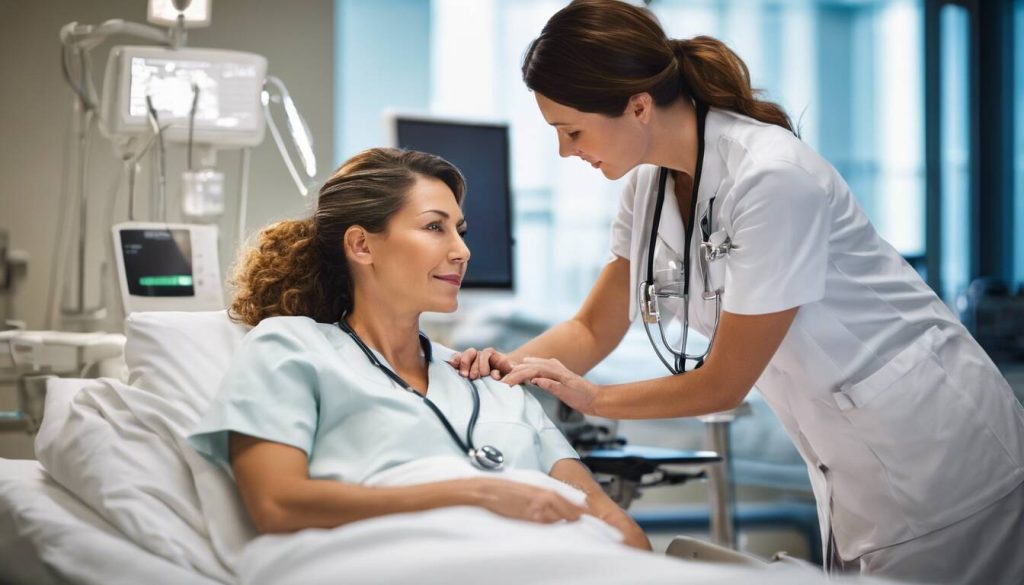
Working as an oncology nurse is deeply fulfilling, but it comes with its own unique challenges. One of the most discussed emotional tolls in oncology nursing is the bond formed with patients facing life-threatening illnesses. It’s emotionally demanding to provide care for patients who are battling cancer. The work is touching and enriching but can also be emotionally draining.
Oncology nurses often form close bonds with their patients and witness firsthand the difficulties and hardships that come with cancer treatment. This creates a deep sense of responsibility to provide not just medical care, but also emotional support to patients and their families. It’s a testament to their compassion and dedication that they often go above and beyond for their patients, which takes a toll on their emotional well-being.
Moreover, the demand for more oncology nurses due to the increasing number of cancer patients has resulted in staffing shortages in many healthcare facilities. Being short-staffed can cause additional stress as oncology nurses strive to provide the best possible care amidst limited resources. They might have to juggle multiple responsibilities simultaneously, leading to increased pressure and fatigue.
Coping Strategies and Support
In response to these challenges, many oncology nurses have found solace in seeking support from their peers or participating in group counseling sessions tailored to address the specific emotional toll of caring for cancer patients. These peer support systems allow them to share experiences, vent frustrations, and find encouragement from colleagues who understand the unique challenges they face.
Additionally, technological advancements in cancer treatments are rapidly evolving, necessitating ongoing education and training for oncology nurses to provide the best care. Keeping up with these advancements requires constant learning and adaptability.
Continuous Learning
In order to stay current with new treatments, medications, and technologies, oncology nurses engage in continuing education programs. These programs equip them with the knowledge and skills needed to effectively implement new treatment modalities and technologies in patient care. By staying abreast of these advancements, they ensure that they are providing the most up-to-date care to their patients. However, this continuous learning can sometimes be challenging due to time constraints and balancing work commitments with educational pursuits.
Despite these formidable challenges, the role of an oncology nurse remains indispensable in providing specialized cancer care. The dedication of these nurses in the face of such obstacles is truly commendable.
The Impact of Oncology Nurses
Oncology nurses are not just compassionate caregivers; they are knowledgeable professionals who provide crucial support to cancer patients and their families. Their unwavering dedication and expertise in cancer care have a profound impact on patient outcomes and quality of life. They form deep connections with their patients, offering empathy, understanding, and personalized attention that goes beyond medical treatment.
The compassionate care provided by oncology nurses has been shown to significantly improve patient satisfaction and emotional wellbeing. Studies have demonstrated that when cancer patients receive care from empathetic and supportive nurses, their overall experience during treatment is enhanced. Patients feel more supported and empowered to navigate the complexities of their diagnosis and treatment plan, ultimately leading to improved mental and emotional resilience throughout their cancer journey.
For instance, a compassionate oncology nurse may take the time to sit with a patient, attentively listen to their concerns, and offer reassurance during a challenging chemotherapy session. This simple act of empathy can alleviate anxiety and instill a sense of comfort, positively influencing the patient’s overall treatment experience.
Moreover, the expertise of oncology nurses in educating patients about cancer treatment options, symptom management, and coping strategies is invaluable. By providing comprehensive education and guidance, these nurses empower patients to actively participate in their own care, contributing to improved understanding and engagement in the treatment process.
Research indicates that the presence of oncology nurses in cancer care teams leads to better patient outcomes. Their proactive involvement results in reduced hospital readmission rates, improved adherence to treatment plans, and enhanced overall well-being for patients undergoing cancer treatment. Through their tireless efforts, oncology nurses contribute to fostering a supportive environment that promotes healing and resilience among cancer patients.
In essence, the impact of oncology nurses transcends the clinical setting; it extends into the hearts and lives of those facing the challenges of cancer diagnosis and treatment. Their compassionate care, expertise, and unwavering support leave an indelible mark on patient experiences and contribute immeasurably to better outcomes and enhanced quality of life for individuals navigating the complexities of cancer.
As we gain insight into the pivotal role of oncology nurses in cancer care, let’s now explore the future landscape of this essential profession in our next section.
Career Outlook for Oncology Nursing
Oncology nursing is more than just a job; it’s a calling—a chance to make a difference in the lives of those battling cancer. Beyond its profound impact on patients, the field also offers an array of professional opportunities. The demand for oncology nurses is highly promising, reflecting the increasingly urgent need for specialized care as the number of cancer patients in the US continues to climb. Overall employment of registered nurses, including oncology nurses, is projected to grow 9% from 2020 to 2030 – faster than the average for all occupations according to the Bureau of Labor Statistics.
This anticipated growth translates to approximately 3.4 million job openings for registered nurses over that decade. With over 1.9 million jobs currently held by registered nurses in the US, the prospects for entering or advancing within this specialized field appear quite favorable.
Furthermore, the role of oncology nurses in providing vital care and support throughout a patient’s cancer journey has garnered recognition, leading to greater emphasis on expanding services and facilities dedicated to cancer treatment and supportive care. Consequently, this has paved the way for a surge in employment opportunities within various healthcare settings such as hospitals, cancer treatment centers, hospices, and home health agencies.
In terms of financial remuneration, the median annual wage for registered nurses in 2020 was around $75,330. However, earnings can vary significantly based on factors such as experience, specialization, and location. Those who specialize in oncology nursing may have the opportunity to command higher salaries due to their advanced skill set and specialized knowledge tailored to supporting patients through complex cancer treatments and therapies. Additionally, geographical location plays a pivotal role in determining earning potential, as certain states offer higher wages and increased demand for qualified oncology nursing professionals.
While remuneration is important, it should not be the primary focus when pursuing a career in oncology nursing. The meaningful impact made each day on the lives of cancer patients transcends monetary value. However, fair compensation does recognize the specialized expertise and dedication required of oncology nurses.
The promising career outlook combined with the potential for impactful work underscores the appeal and significance of pursuing a career in oncology nursing.
Embarking on a career as an oncology nurse not only holds promise for professional growth but also offers the opportunity to touch countless lives with compassion and specialized care.