
The Role of a Cosmetic Nurse: Expert Skincare and Beauty Treatments
A cosmetic nurse plays a key part in improving how people look. They do a lot of things like giving advice on taking care of skin, doing talks with patients before and after operations, and giving safe and painless treatments such as Botox and dermal fillers. In addition to these tasks, a cosmetic nurse also spends time writing down medical details and working hand in hand with doctors who specialize in beauty surgeries and skin care. It’s more than just beauty; it’s a blend of medical know-how, safety oversight, and an understanding of aesthetic appeal. Now, let’s talk about their duties in more detail.
A cosmetic nurse specializes in providing aesthetic treatments such as injectables (Botox, fillers), facials, laser procedures, and chemical peels. They often work in medical spas or alongside plastic surgeons to help clients enhance their appearance and boost their confidence. To become a cosmetic nurse, one must first earn a registered nurse degree, gain experience working with a board-certified physician in relevant fields, and obtain specialized certification in aesthetic/cosmetic nursing.
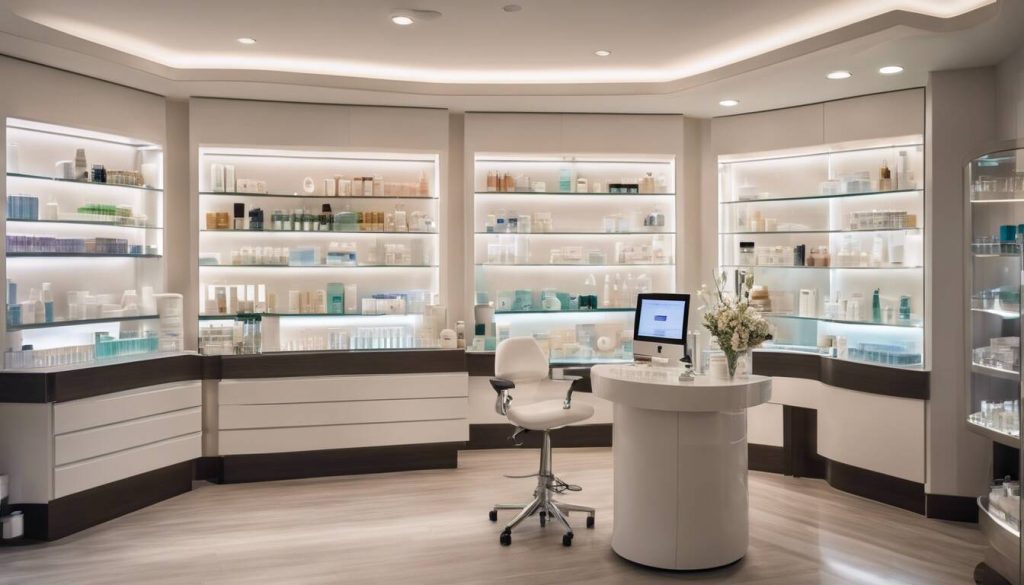
Duties of a Cosmetic Nurse
Cosmetic nurses play a pivotal role in enhancing the appearance and confidence of their patients. Their duties transcend the procedures they perform. At the core of their responsibilities lies an emphasis on patient care and safety. When you visit a cosmetic practice, your initial interaction will often be with a cosmetic nurse.
This initial contact is crucial as it sets the tone for the entire patient experience. Conducting consultations becomes a fundamental responsibility, allowing them to thoroughly understand the patient’s goals and expectations. By actively listening to patients’ concerns and desires, cosmetic nurses can establish trust and build a strong rapport. This in turn leads to a more collaborative treatment plan aligning with the patients’ aspirations and medical history.
Moreover, they play an integral part in administering injectables such as Botox and dermal fillers. This role demands precision and expertise to ensure optimal results while prioritizing patient comfort and safety throughout the process. The ability to provide informative recommendations about skincare regimens, both pre and post-treatment, further exemplifies their commitment to holistic care.
Now, let’s shift our focus to another vital aspect—the responsibility of maintaining accurate medical records. Documenting patient information is an essential part of their role, ensuring that all details related to treatments, follow-up appointments, allergies, and adverse reactions are meticulously recorded. This not only facilitates effective communication among the care team but also supports comprehensive patient care by providing valuable insights for future procedures.
Some might overlook this crucial role by assuming that aesthetics are merely skin-deep… these professionals aren’t just involved in providing treatments—they are advocates for promoting natural beauty by nurturing healthy skin practices and taking a holistic approach to beauty.
In essence, cosmetic nurses function as caregivers, educators, advisors, and skilled practitioners—all working together to deliver comprehensive, individualized care for each patient they encounter.
With a solid understanding of the pivotal roles played by cosmetic nurses, let’s now dive into the intricacies of injection and treatment procedures that form a major part of their domain.
Injection and Treatment Procedures
Cosmetic nurses are highly trained in performing a range of procedures essential for achieving desired skin rejuvenation and beauty enhancement. One of the most common procedures they are skilled at is administering neuromodulators such as Botox, which help reduce the appearance of wrinkles by relaxing facial muscles. To deliver these treatments safely and effectively, cosmetic nurses must have a comprehensive understanding of facial anatomy to ensure precise injections targeting specific areas of concern.
In addition to neuromodulators, cosmetic nurses also play a crucial role in administering dermal fillers to add volume to facial areas, minimize lines, and create a more youthful appearance. Understanding different types of fillers available, their properties, and optimal injection techniques is crucial for achieving natural-looking results while maintaining patient safety.
Furthermore, chemical peels are another vital aspect of skincare treatments within the expertise of cosmetic nurses. By carefully applying chemical solutions to the skin, they promote exfoliation and rejuvenation, addressing concerns such as acne scarring, pigmentation irregularities, and overall skin texture. Skilled application is essential to ensure patient safety and optimal results.
Ensuring Patient Comfort and Safety
Alongside these treatments, cosmetic nurses also play an essential role in comforting and reassuring patients during these procedures. Their guidance helps alleviate any apprehension or discomfort that patients may experience, contributing to a positive treatment experience overall.
Some may wonder about the level of involvement a cosmetic nurse has during pretreatment consultations. It’s important to note that they actively assess patients’ aesthetic concerns, provide professional recommendations, and address any questions or uncertainties.
Cosmetic nurses possess a multifaceted skill set that enables them to proficiently execute various injection and treatment procedures with a focus on patient well-being and satisfaction.
As we continue our exploration into the world of cosmetic nursing, let’s shift our focus to the essential qualifications required for those aspiring to join this rewarding profession.
Essential Qualifications for Becoming a Cosmetic Nurse
Becoming a cosmetic nurse isn’t just about administering beauty treatments; it’s about being highly qualified to ensure the safety and effectiveness of every procedure. The journey to becoming a cosmetic nurse requires dedication, education, and hands-on experience.
First and foremost, a registered nurse degree is crucial. This can be either an Associate’s Degree in Nursing (ADN) or a Bachelor of Science in Nursing (BSN). These programs equip you with foundational knowledge in nursing practice, patient care, and medical ethics.
After completing the nursing degree, passing the NCLEX-RN exam is the next essential step. This exam assesses your readiness for entry-level nursing practice and ensures that you have the necessary skills and knowledge to provide safe and effective care in various healthcare settings.
Gaining Relevant Experience
Once you’ve obtained your RN license, gaining at least two years of experience working with a board-certified physician in relevant specialties like plastic surgery or dermatology is crucial. This hands-on experience provides valuable insight into cosmetic procedures and allows you to develop the necessary skills to excel in the field of aesthetic nursing.
Imagine it like an apprenticeship—working closely under the guidance of experienced professionals, you’ll learn how to provide pre- and post-operative care, administer injections, and deliver various skincare and beauty treatments under physician supervision.
Specialized Certification
In addition to the educational and experiential requirements, obtaining a specialized certification as an aesthetic/cosmetic nurse specialist further enhances your qualifications. Certifications such as Certified Aesthetic Nurse Specialist (CANS), Certified Plastic Surgical Nurse (CPSN), Dermatology Certified Nurse (DCNP), or Dermatology Nurse Certified (DNC) are recognized credentials that demonstrate your expertise in the field of aesthetic nursing.
These specialized certifications can typically be earned through accredited programs, where you’ll receive advanced training in areas such as injectables, dermatology, laser treatments, and non-surgical body contouring. They not only validate your knowledge and skills but also highlight your commitment to upholding high standards of patient care and safety.
By fulfilling these necessary qualifications, aspiring cosmetic nurses lay a strong foundation for delivering expert skincare and beauty treatments while ensuring the well-being of their patients. Now that we’ve explored the essential qualifications for becoming a cosmetic nurse, let’s shift our focus to the extensive experience and training required in this dynamic field.
Experience and Training Required
Becoming a skilled cosmetic nurse doesn’t happen overnight. It requires a robust foundation in general nursing practices, especially in fields like dermatology or plastic surgery. These areas set the stage for the specialized knowledge required by cosmetic nurses.
Expanding on this foundation, additional training in specific cosmetic procedures is essential. This can be obtained through dedicated workshops, certification courses, or mentorship under experienced practitioners in the field.
For instance, precision and expertise are required for procedures such as Botox™ and dermal filler applications, encompassing detailed knowledge of facial anatomy and muscular structures, alongside hands-on training to ensure safe and effective administration. This specialized training equips cosmetic nurses with the proficiency to provide a wide range of skincare and beauty treatments.
Additionally, staying abreast of the latest advancements in cosmetic procedures and technologies is vital for cosmetic nurses. As the field continues to evolve, continuous education and skill enhancement becomes critical for providing top-notch care to patients seeking aesthetic enhancements.
It’s not just about acquiring skills but also knowing how to apply them effectively and safely in a patient-centric manner.
In summary, while experience in general nursing provides a strong foundation, additional training in specialized cosmetic procedures becomes imperative for aspiring cosmetic nurses to offer high-quality skincare and beauty treatments.
The Pros and Cons of a Cosmetic Nursing Career
Deciding to pursue a career as a cosmetic nurse brings with it various benefits and challenges. Let’s look at some of the positive aspects first.
Pros:
1. Lucrative Salaries and Earning Potential: Cosmetic nursing can be financially rewarding. In addition to competitive annual salaries, certain procedures, such as Botox injections and lip fillers, may also attract sizeable tips for the nurse. A successful cosmetic nurse with an established client base has the potential to earn significantly higher than the average annual salary.
2. Diverse Work Settings: Cosmetic nurses have the opportunity to work in diverse settings, such as medical spas, cosmetic dermatology practices, or even establish their own private practice. This variety allows for career flexibility and the chance to cater to different client demographics.
3. Boosting Self-Confidence: The ability to assist clients in achieving their aesthetic goals and boosting their self-confidence can be incredibly gratifying. Through skincare treatments and beauty procedures, cosmetic nurses play a pivotal role in positively impacting the lives of their clients.
On the flip side of the coin, it’s important to consider the potential challenges that come with a career in cosmetic nursing.
Cons:
1. Potential Risks of Malpractice Suits: Performing beauty treatments comes with inherent risks. If something were to go wrong during a procedure, there is the potential for malpractice suits. This emphasizes the critical importance of staying up-to-date with best practices and continuously refining one’s skills.
2. Competitive Field: The field of cosmetic nursing can be oversaturated and highly competitive. Breaking into the industry and establishing a loyal client base requires persistence and dedication. It’s essential for aspiring cosmetic nurses to understand that building a successful practice takes time, effort, and continuous networking.
When pursuing a career in cosmetic nursing, it’s crucial to weigh both the positives and negatives carefully. Each aspect carries weight and should be considered thoughtfully before making a commitment to this challenging yet rewarding profession.
If you are considering entering this field, remember to weigh your options thoroughly and seek guidance from experienced professionals who can provide insider insights into this dynamic domain.
Health and Skincare Advice for Clients
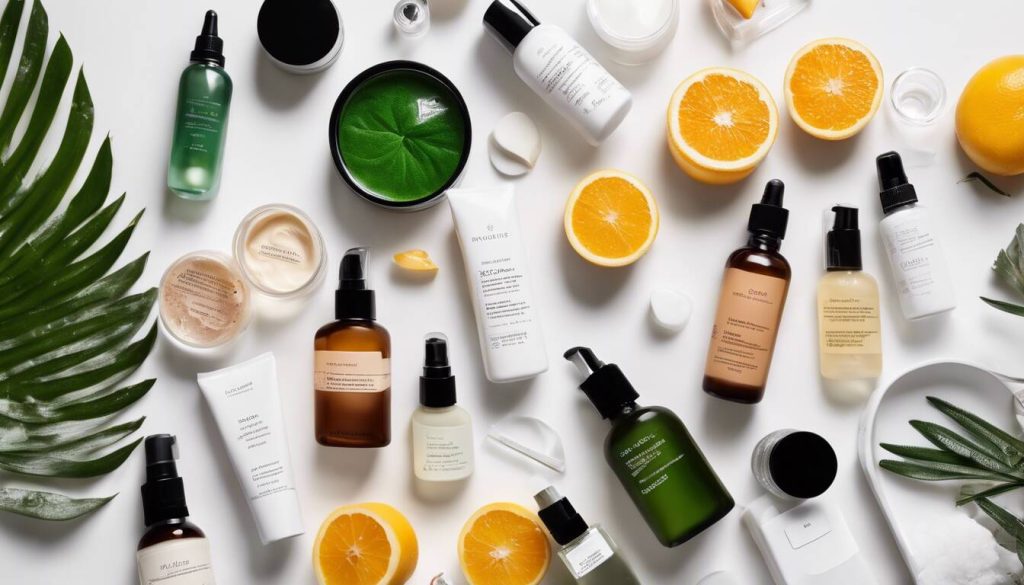
Taking care of our skin is crucial for our overall well-being. It’s not just about beauty; it’s about promoting glowing, healthy skin, and that’s where the expertise of a cosmetic nurse shines.
When you advise clients, you’re not merely suggesting products to make them look better; you’re committed to enhancing their overall skin health. Whether it’s someone struggling with acne, sun damage, or just looking for a routine that keeps their skin youthful, your advice can mean the world to them.
One of the most crucial areas you’ll focus on is recommending suitable skincare products. Your clients will likely ask you which products are best for their skin type and concerns. With your expertise, you’ll be able to steer them in the right direction for cleansers, moisturizers, and treatments suitable for their individual needs.
It’s essential to understand that people trust your judgment as a professional, so be thorough in your recommendations and explain why each product is suited to their unique skin requirements. Clients will value this personalized touch, knowing that you care enough about their skin health to tailor recommendations to their specific needs.
Additionally, offering advice on sun protection measures is key. With your guidance, clients can avoid harmful UV damage that accelerates skin aging and raises the risk of skin cancer. Recommending broad-spectrum SPF sunscreen, protective clothing, and staying out of direct sun during peak hours all contribute significantly to maintaining healthy skin.
Providing practical lifestyle adjustments is another aspect where your expertise comes into play. You might advise clients about dietary changes that can promote healthier skin or suggest stress-reducing activities that benefit their overall well-being and consequently, their skin health.
Remember, these insights aren’t just about making the surface of one’s skin look better; they’re about nurturing healthy habits that promote lifelong wellness and vibrant, glowing skin for your clients.
These practices set the foundation for establishing deep connections between cosmetic nurses and their clients. Now, let’s delve into the various specializations within the field of cosmetic nursing to understand how diverse this profession truly is.
Exploring Various Specializations in Cosmetic Nursing
Cosmetic nursing offers a range of specialized career paths, each with its own unique focus and skill set. For nurses looking to venture into the world of cosmetic nursing or those eager to learn more about this dynamic field, it’s essential to understand the diverse specializations available. Let’s take a closer look at some of these specializations and their specific requirements.
Nurse Injector
The nurse injector specializes in administering injectable treatments such as Botox and dermal fillers. These professionals assess clients’ needs and administer precise injections to enhance facial features and reduce the appearance of wrinkles and fine lines. To excel in this specialization, nurses must undergo advanced training in facial anatomy, injection techniques, and product knowledge.
Qualification: Obtaining the Certified Aesthetic Nurse Specialist (CANS) credential can validate expertise in this area.
Laser Facial Nurse
Specializing as a laser facial nurse involves utilizing laser technology to address various skin concerns and conditions such as pigmentation issues, acne scars, and signs of aging. These nurses are trained in operating laser devices to deliver targeted treatments for skin rejuvenation, helping clients achieve smoother and more youthful-looking skin.
Training: Extensive training in laser safety, treatment protocols, and skin assessment is crucial for this specialization.
Tattoo Removal Nurse
A tattoo removal nurse specializes in using advanced laser technology to safely and effectively remove unwanted tattoos from clients’ skin. This role requires expertise in understanding different ink colors, skin types, and optimal laser settings for successful tattoo removal while prioritizing client safety throughout the process.
Certification: Holding a Dermatology Nurse Certified (DNC) or similar credential demonstrates proficiency in dermatologic procedures including tattoo removal.
Laser Hair Removal Nurse
Laser hair removal is a popular aesthetic procedure aimed at reducing unwanted body hair using concentrated beams of light. A laser hair removal nurse possesses the necessary training to perform this treatment across various skin types and body areas safely and effectively.
Requirements: In-depth knowledge of laser parameters, skin cooling techniques, and post-treatment care is imperative for mastering this specialization.
Chemical Peel Nurse
As a chemical peel nurse, individuals are trained in performing chemical exfoliation procedures to improve skin texture, treat acne scarring, and minimize the appearance of fine lines. Nurses specializing in chemical peels must possess a comprehensive understanding of different peel formulations, application techniques, and personalized treatment plans tailored to individual client needs.
Certification: Advanced certifications such as Certified Aesthetic Nurse Specialist (CANS) or related credentials validate proficiency in chemical peel procedures.
Non-Surgical Body Treatment Nurse
The specialized role of a non-surgical body treatment nurse involves offering non-invasive body contouring treatments to clients seeking enhancements without undergoing surgery. This may include procedures targeting fat reduction, cellulite improvement, or muscle toning using state-of-the-art technologies and techniques.
Training: Expertise in assessing body composition, treatment modalities, and patient care is fundamental for success in this specialized area.
Each of these specializations demands dedication, ongoing education, and practical experience to provide exceptional care within the field of cosmetic nursing. By understanding the intricacies of these roles and pursuing relevant certifications or training programs, aspiring nurses can embark on fulfilling careers dedicated to enhancing their clients’ beauty and well-being.
With the diverse range of specializations available in cosmetic nursing, nurses have ample opportunities to pursue rewarding careers tailored to their interests and passions within the field of aesthetics and skincare.