
The Role of a Cardiovascular Nurse Practitioner in Cardiac Care
A Cardiovascular Nurse Practitioner is an essential member of the cardiac care team. Armed with specialized skills, they give helpful care to heart patients, diagnosing and treating various heart problems. Not only that, but they also tackle situations where the heart disease has just happened like a heart failure or where it’s been there for long – they nurse both acute and chronic cases. It’s their job to control emergencies and also guide people suffering from long-term heart issues. They work hand in hand with heart doctors for this mission.
This is something everyone should know about when thinking about one’s heart health.
The responsibilities of a cardiovascular nurse practitioner include diagnosing and treating cardiovascular conditions, prescribing medications, developing care plans, interpreting diagnostic tests, and providing patient education. Additionally, they may collaborate with cardiologists to provide comprehensive care for patients with heart-related issues.

Role of Cardiovascular Nurse Practitioners
In the dynamic landscape of healthcare, cardiovascular nurse practitioners (NPs) are pivotal in providing specialized care to individuals with cardiovascular conditions. Their multifaceted role encompasses a wide array of responsibilities, ranging from clinical assessment and diagnosis to the development and management of comprehensive treatment plans.
One fundamental aspect of their role is conducting thorough patient assessments. This critical process allows cardiovascular NPs to identify cardiac abnormalities early on, thereby facilitating prompt intervention and mitigating the progression of heart diseases.
Equally important is the collaborative nature of their work. Cardiovascular NPs often collaborate closely with cardiologists and other members of the healthcare team to ensure comprehensive, multidisciplinary care for patients.
Additionally, beyond their roles in clinical settings, cardiovascular NPs engage in patient education. By promoting patient understanding and autonomy, they empower individuals to actively participate in their own care.
Furthermore, cardiovascular NPs hold prescriptive authority, enabling them to order diagnostic tests and prescribe medications tailored to each patient’s unique needs. This autonomy is coupled with a commitment to ongoing professional development, ensuring that they stay abreast of the latest advancements in cardiovascular medicine and nursing practice.
By seamlessly integrating advanced clinical expertise with a patient-centered approach, cardiovascular nurse practitioners stand at the forefront of delivering comprehensive cardiac care to patients while upholding the highest standards of clinical excellence and compassionate practice.
Now, let’s delve into the intricate world of acute and chronic cardiovascular cases, where the expertise of cardiovascular nurse practitioners truly shines.
Acute and Chronic Cardiovascular Cases
Cardiovascular nurse practitioners are specially trained to handle a wide range of cardiac conditions. They are at the frontline when it comes to urgent situations like heart attacks, arrhythmias, and heart failure. In these critical moments, prompt response is crucial, and having professionals who can swiftly and effectively respond is paramount. Cardiovascular nurse practitioners excel at recognizing the signs and symptoms of a heart attack, ordering appropriate diagnostic tests, interpreting results, and initiating immediate treatment.
Moreover, they play an essential role in managing arrhythmias—irregular heartbeats that significantly impact a patient’s quality of life. They closely monitor patients with pacemakers or defibrillators, adjusting their medications as needed to maintain optimal cardiac function. They also provide invaluable support to individuals with heart failure—a chronic condition where the heart is unable to pump blood efficiently—by optimizing medication regimens, recommending lifestyle modifications, and providing education about disease management.
Treating Chronic Conditions
In addition to acute cases, cardiovascular nurse practitioners excel in managing chronic cardiovascular diseases such as hypertension (high blood pressure), atherosclerosis (narrowing of the arteries due to plaque buildup), and congenital heart defects. High blood pressure, often referred to as the “silent killer,” can go unnoticed for years but significantly increases the risk of heart disease and stroke. Cardiovascular nurse practitioners are adept at diagnosing and treating this condition through thorough assessments, lifestyle counseling, and medication management.
Furthermore, they possess the expertise necessary to guide patients with atherosclerosis towards healthier lifestyle choices and administer medication regimens aimed at stabilizing the progression of the disease. Additionally, when it comes to congenital heart defects—a condition present from birth—these specialized providers offer comprehensive care tailored to each patient’s unique needs.
The intricate knowledge and versatile skill set possessed by cardiovascular nurse practitioners enable them to handle both acute and chronic cardiovascular cases with expertise and compassion. Their pivotal role in managing these conditions greatly impacts patient outcomes and contributes significantly to maintaining cardiac health across diverse populations.
With a clear understanding of the complex responsibilities shoulder by cardiovascular nurse practitioners in managing various cardiac cases, it’s time to explore the essential qualifications required for excelling in this specialized field.
Essential Qualifications for Cardiovascular Nurse Practitioners
Becoming a Cardiovascular Nurse Practitioner (NP) isn’t a walk in the park; it’s a journey that demands dedication, specialized knowledge, and hands-on experience.
One of the initial steps on this path is to become a registered nurse (RN), which usually involves completing a Bachelor of Science in Nursing (BSN) program. This foundation provides aspiring NPs with crucial knowledge about nursing fundamentals, patient care, and medical ethics. After gaining valuable clinical experience in cardiology nursing as an RN, individuals can then pursue advanced education at the graduate level.
At this stage, earning a master’s or doctorate degree in nursing with a specialization in cardiology is pivotal. These graduate programs equip future Cardiovascular NPs with advanced knowledge in cardiac physiology, pharmacology, diagnostic techniques, and treatment modalities specific to cardiovascular care. Moreover, some programs may offer specialized coursework focusing on areas such as arrhythmias, heart failure management, or interventional cardiology.
Following the completion of their graduate studies, individuals undergo extensive clinical training and accumulate substantial hands-on experience in cardiac-vascular nursing. This phase is critical as it hones their skills in assessing and managing complex cardiovascular conditions under the supervision of experienced healthcare providers. It’s during these clinical experiences that NPs learn to interpret electrocardiograms (ECGs), manage acute coronary syndromes, conduct stress tests, and provide comprehensive care for patients recovering from cardiac procedures.
Meet Sarah, a dedicated nursing professional who aspires to specialize as a Cardiovascular NP. After she completed her BSN and gained valuable experience in a cardiac care unit, she pursued a master’s degree program with a focus on cardiology. During her clinical rotations, she assisted in managing heart failure patients and learned to perform echocardiograms—a vital skill in the field of cardiology.
In addition to academic and clinical training, aspiring Cardiovascular NPs must obtain certification as a Nurse Practitioner specializing in cardiology. This credential validates their expertise and ensures that they meet the national standards set for advanced practice nurses in the field of cardiovascular care.
Continuing education and certification maintenance are also vital components of maintaining competency as a Cardiovascular NP. Given the rapidly evolving landscape of cardiac care, it’s imperative for NPs to stay updated with the latest advancements in cardiovascular medicine, pharmacotherapy, and procedural interventions. This often involves completing continuing education units (CEUs) and participating in ongoing professional development activities to enhance their knowledge and skills.
As you can see, the journey to becoming an adept Cardiovascular Nurse Practitioner involves a combination of academic rigor, clinical expertise, and ongoing commitment to staying abreast of cutting-edge developments in cardiac care.
The pursuit of excellence doesn’t end there—the realm of direct patient services in cardiac care unveils another layer of significance. So let’s delve into the intricate world of patient-centric care within the realm of cardiovascular health.
Direct Patient Services in Cardiac Care
When visiting a healthcare facility for cardiac care, a Cardiovascular Nurse Practitioner (NP) assumes a significant role in treatment. They are extensively involved in directly providing patient services and managing the day-to-day aspects of cardiac care. But what exactly does this hands-on role involve?
First off, cardiovascular Nurse Practitioners are instrumental in conducting detailed physical assessments of patients. This means they carefully examine the patient’s medical history, current symptoms, and perform thorough physical examinations to better understand the individual’s cardiac health. Through these assessments, NPs can identify potential risk factors, monitor progression or recovery, and assess the effectiveness of ongoing treatments.
Beyond assessments, ordering and interpreting diagnostic tests is an essential part of their patient service responsibilities. This involves collaborating with other members of the healthcare team to ensure that patients receive necessary screenings like electrocardiograms (EKGs), stress tests, echocardiograms, and more. After the tests are conducted, NPs carefully interpret the results and use them to guide treatment decisions.
NPs also prescribe medications as part of their direct patient care services. This duty is underpinned by their advanced education and clinical experience that equips them with the ability to decide on appropriate medications based on individual patient needs and existing cardiac conditions. They work closely with patients to ensure they have a clear understanding of their prescribed medications and monitor their response to treatment over time.
Developing individualized treatment plans tailored to each patient’s unique needs is another key aspect of their direct patient services. This involves working closely with patients to create comprehensive plans that address their specific cardiac concerns while aligning with their lifestyle, preferences, and overall health status.
Imagine a patient who has recently experienced a heart attack. A Cardiovascular Nurse Practitioner would be heavily involved in not just overseeing the immediate aftermath but also ensuring long-term strategies for recovery are put in place – everything from medication management to lifestyle modifications would fall into their scope of practice.
Finally, education stands as an integral part of a Cardiovascular NP’s role—they regularly engage in educating patients on heart health, lifestyle modifications, and medication management. This makes it possible for patients to take an active role in managing their own heart health which leads to better outcomes in the long run.
It’s clear that Cardiovascular Nurse Practitioners play a vital role in guiding patients through various aspects of their cardiac care journey—be it through detailed assessments, medication management or educated decision-making customized according to individual patient needs. Now let’s delve into the intricacies of performing cardiac diagnoses and procedures.
Performing Cardiac Diagnoses and Procedures
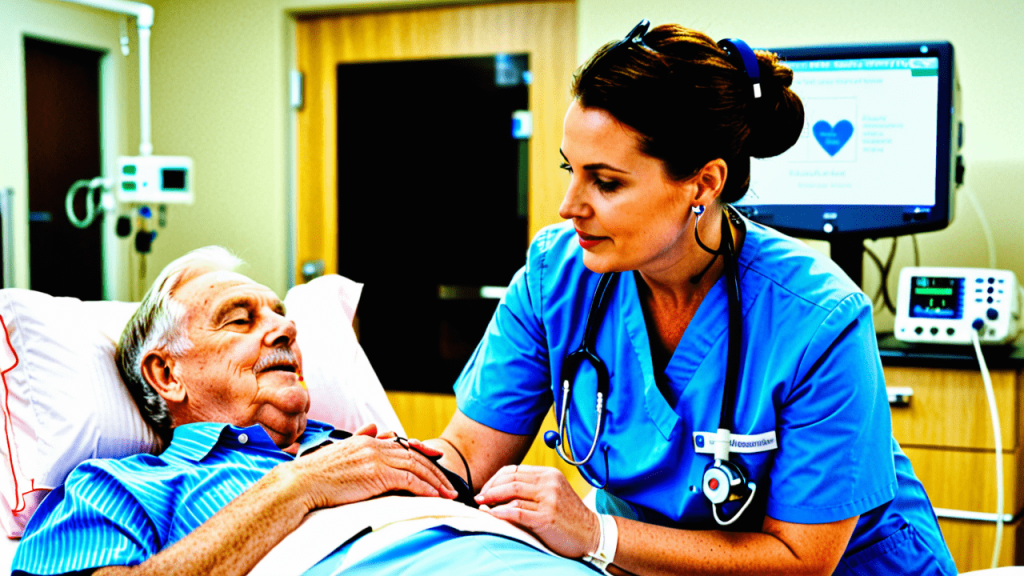
Cardiovascular Nurse Practitioners (CNPs) play a pivotal role in diagnosing and treating cardiovascular conditions. Their expertise allows them to perform a range of diagnostic procedures, providing comprehensive care to patients. One of the primary responsibilities involves conducting electrocardiograms (ECGs) to measure the heart’s electrical activity, enabling CNPs to identify irregularities and provide crucial insights into a patient’s cardiac health.
Additionally, CNPs are adept at performing echocardiograms, using ultrasound technology to assess the heart’s structure and function. This non-invasive procedure is critical in evaluating cardiac conditions and guiding treatment plans. They are also proficient in administering stress tests to evaluate the heart’s performance under exertion and pinpoint any abnormalities that may indicate underlying issues.
Furthermore, CNPs are skilled in overseeing Holter monitoring, continuously tracking the heart’s activity over an extended period. This aids in detecting irregular heart rhythms and patterns that may not be evident during a traditional clinical visit.
For instance, if a patient presents with intermittent chest pain, Holter monitoring can capture data during daily activities, deciphering any irregular heart rhythms that could be responsible for the symptoms.
Assisting in Cardiac Catheterizations and Interventional Procedures
In addition to diagnostic procedures, CNPs play a crucial role in assisting with cardiac catheterizations and other interventional procedures under the supervision of cardiologists. Their comprehensive training equips them to provide hands-on support during these intricate processes, ensuring seamless coordination and top-tier patient care.
During a cardiac catheterization, CNPs assist in positioning the patient, preparing equipment, and monitoring vital signs throughout the procedure. Their involvement extends to communicating with patients, explaining the process, addressing concerns, and providing invaluable emotional support during what can be an anxiety-inducing experience.
Their collaboration with the multidisciplinary healthcare team is vital in guaranteeing optimal patient outcomes. Their ability to work closely with cardiologists and other healthcare professionals fosters a cohesive approach to delivering exceptional cardiac care.
Consider a scenario where a patient undergoes a cardiac catheterization procedure to detect blockages in their coronary arteries. The CNP ensures that the patient receives personalized attention before, during, and after the procedure, enhancing their overall experience and recovery.
As trusted members of the cardiology team, Cardiovascular Nurse Practitioners undertake a multifaceted role in performing diagnostic procedures and supporting interventional processes, culminating in enhanced patient care and well-being.
In seamlessly integrating diagnostic expertise with proactive measures, CNPs also play a pivotal role in preventive cardiac care. Let’s delve into how their contributions encompass an even broader scope of cardiovascular health initiatives.
Role in Preventive Cardiac Care
Prevention is always better than cure, especially when it comes to heart disease. Cardiovascular Nurse Practitioners are at the forefront of preventive care, meticulously conducting cardiovascular risk assessments to identify potential threats to a patient’s heart health. Through these assessments, they determine the likelihood of an individual developing heart disease and take proactive steps to mitigate those risks.
Armed with a deep understanding of cardiac health, these dedicated professionals offer tailored guidance to patients in promoting and adopting healthy lifestyle choices. This includes counseling on diet, exercise, stress management, smoking cessation, and other crucial elements that contribute to overall heart health.
For instance, they may work closely with patients to develop personalized nutrition plans, recommend suitable exercise regimens, and provide support and motivation throughout the entire process. By doing so, they actively empower individuals to take charge of their own well-being and make informed decisions that significantly reduce the likelihood of developing heart disease.
Additionally, Cardiovascular Nurse Practitioners play a pivotal role in implementing preventive strategies aimed at reducing the risk of heart disease in patients. This involves creating and executing comprehensive care plans that consider each patient’s unique circumstances, including family history, lifestyle factors, and existing health conditions. These tailored interventions may involve monitoring vital signs, managing medication regimens, and coordinating necessary screenings or tests to detect early signs of cardiac issues.
Patient education is a central pillar in the practice of Cardiovascular Nurse Practitioners. They ensure that individuals are well-informed about heart-healthy habits and have a thorough comprehension of proper disease management techniques. With clear and accessible communication, they equip patients with the knowledge and resources needed to make sound decisions regarding their cardiovascular health.
This may entail educating patients about the importance of regular exercise, advising them on strategies to reduce stress levels, explaining the significance of medication adherence, and providing guidance on recognizing warning signs that demand immediate attention. By empowering patients through education, Cardiovascular Nurse Practitioners actively contribute to fostering a proactive approach to heart disease management.
In essence, the role of Cardiovascular Nurse Practitioners in preventive cardiac care extends beyond traditional medical practices. Their impact is profound as they proactively identify risks, promote healthy lifestyle choices, implement targeted preventive strategies, and emphasize patient education—ultimately working towards diminishing the prevalence of heart disease within their community.
Designing and Implementing Cardiac Care Plans
When it comes to cardiac care plans, one size does not fit all. Each patient has a unique medical history, lifestyle, and needs. Cardiovascular Nurse Practitioners are tasked with creating comprehensive and tailored care plans that cater to these individual needs. This involves drawing up detailed, step-by-step plans outlining a patient’s diagnostic and treatment regimen for their cardiac condition.
These detailed plans don’t just appear out of nowhere. First, a thorough assessment of the patient’s medical history, current health status, family history, lifestyle, and previous treatments is carried out. The nurse practitioner carefully listens to the patient’s concerns and takes into account their emotional well-being and understanding of their condition. This information provides a comprehensive foundation upon which they build the patient’s care plan.
Collaboration is another key aspect – Cardiovascular Nurse Practitioners work closely with an interdisciplinary team of healthcare professionals including cardiologists, dieticians, physical therapists, and social workers to ensure that the care plan is holistic and addresses all aspects of the patient’s health.
An example of this collaboration can be seen in the case of a patient with heart disease who may need dietary advice to manage cholesterol levels effectively. The nurse practitioner will collaborate with a dietician to design a suitable meal plan tailored to the patient’s specific needs.
Creating a cardiac care plan is like putting together pieces of a puzzle – everything must fit snugly in place to ensure the patients’ wellbeing and successful recovery. It’s akin to tailoring a suit or dress – it should fit perfectly for each individual.
Once the personalized care plan is in place, the cardiovascular nurse practitioner monitors the patient’s progress closely and makes adjustments to the treatment plan as necessary. This ongoing evaluation ensures that the care remains effective and suits the changing needs of the patient throughout their cardiovascular care journey.
In summary, Cardiovascular Nurse Practitioners play a pivotal role in designing and implementing individualized cardiac care plans, ensuring that each patient receives holistic and personalized care tailored to their unique needs.
In conclusion, the meticulous and personalized approach of Cardiovascular Nurse Practitioners ensures that patients receive the specialized care they need for their cardiovascular health. This level of attention contributes significantly to better outcomes and improved quality of life for patients.