
Cannabis Nurse: Expert Guidance in Medical Marijuana and CBD Care
A cannabis nurse specializes in the guidance and support of patients using medical cannabis. Using their unique skills, they educate patients on dosages, monitor effects, and ensure a safe, personalized therapy plan. But becoming a competent cannabis nurse isn’t as simple as knowing about cannabis. It requires a deep understanding of the human body’s endocannabinoid system, gained through specific courses from organizations like the American Cannabis Nurses Association. In the maze that is healthcare, often complicated by laws and ever-evolving discoveries, cannabis nurses light up the path for those considering or qualifying for cannabis-based therapies. With them on board, navigating the world of medical cannabis becomes less about uncertainty and more about informed decision-making.
To become a cannabis nurse, individuals typically start by earning a nursing degree (such as an associate degree or bachelor’s in nursing), obtaining licensure as a registered nurse, and then pursuing specialized education and training in medical cannabis through organizations like the American Cannabis Nurses Association (ACNA). Additionally, gaining experience and potentially obtaining certifications related to cannabis nursing can enhance one’s expertise in this specialized field.
Understanding the Role of a Cannabis Nurse
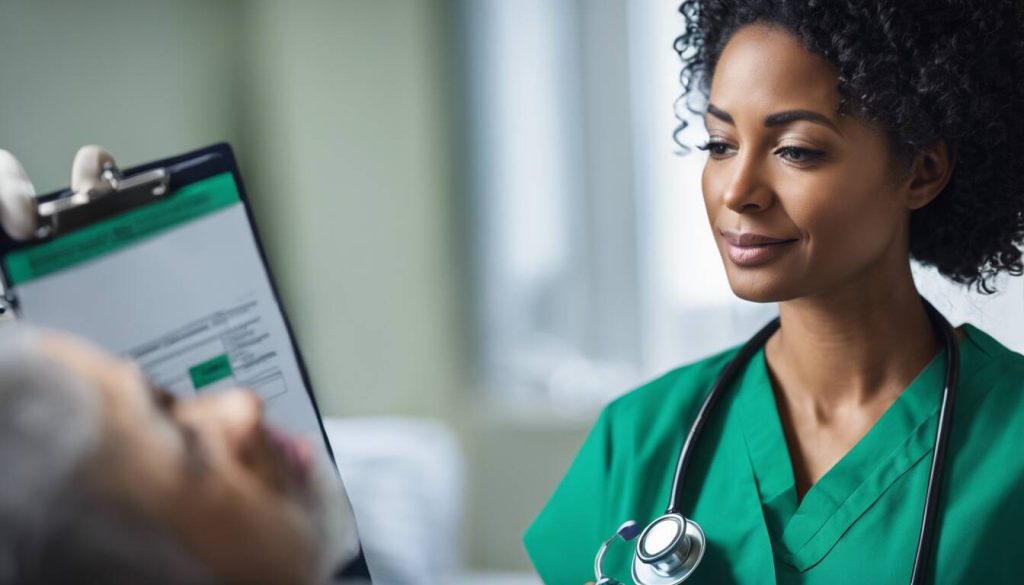
Cannabis nurses are at the forefront of medical cannabis care, providing essential education, guidance, and support to eligible patients. They play a pivotal role in advocating for patient access to medical cannabis, helping them navigate the complexities of using cannabis as part of their therapy.
Expanding on this concept, these specialized nurses bring a comprehensive understanding of medical cannabis, including its potential benefits and risks. They work with patients suffering from conditions such as cancer, Parkinson’s disease, multiple sclerosis, epilepsy, and irritable bowel syndrome. By leveraging their expertise, they assist patients in understanding how cannabis affects the body and mind, enabling them to make informed decisions about their treatment options.
For example, a cannabis nurse may work with a cancer patient to create an individualized cannabis care plan tailored to manage symptoms such as pain, nausea, and loss of appetite. This personalized approach ensures that each patient receives targeted support specific to their condition and needs.
In addition to creating tailored care plans, cannabis nurses monitor the effects of cannabis therapy on their patients. This involves tracking the dosage, intake methods, and observing how the treatment impacts the patient’s overall well-being. Through regular follow-ups and assessments, they can make adjustments to the care plans as needed, ensuring that patients receive optimal therapeutic benefits from medical cannabis.
The day-to-day responsibilities of a cannabis nurse extend far beyond merely administering treatments – they act as guides, educators, and advocates for patients navigating the complexities of medical marijuana and CBD care.
The Education Pathways for a Cannabis Nurse
The educational journey to become a cannabis nurse is multifaceted and can be tailored based on an individual’s nursing background and experience. It’s essential to comprehend medical cannabis comprehensively, including its interaction with the endocannabinoid system and its effects on the human body.
Typically, the process involves acquiring a thorough understanding of cannabinoid pharmacology and therapeutic applications. This extends to familiarizing oneself with state-specific medical marijuana laws and regulations, which vary significantly across different regions. Therefore, it’s imperative for aspiring cannabis nurses to stay updated with the legal regulations pertaining to cannabis nursing practices in their respective states.
BOLD Key Insight: A solid grasp of theoretical knowledge surrounding medical cannabis is indispensable for those aspiring to pursue a career as a cannabis nurse.
Required Nursing Education
The educational pathway towards becoming a cannabis nurse typically begins with earning a Bachelor of Science in Nursing (BSN). This foundational degree plays a critical role in establishing a strong base of clinical and theoretical knowledge indispensable for providing optimal patient care. It equips nurses with foundational expertise in physiology, anatomy, pharmacology, and evidence-based practice, all of which are essential when delving into the complexities of medical cannabis care.
Once the foundation is set through a BSN degree, aspiring cannabis nurses can further enhance their credentials by pursuing additional certification in cannabis nursing. This may entail completing approximately 30 hours of specialized education focused specifically on medical cannabis care.
For those contemplating this educational journey, exploring reputable courses and training programs offered by established organizations like the American Cannabis Nurses Association is highly recommended. These programs provide comprehensive insights into the intricacies of medical cannabis and prepare nurses for the unique challenges and opportunities within this domain.
Navigating Legal Regulations
Navigating the legal landscape surrounding medical marijuana is an integral part of a cannabis nurse’s education. With varying regulations across different states, it’s crucial for aspiring cannabis nurses to familiarize themselves with state-specific guidelines governing medical marijuana use and administration.
For instance, in certain states, nurses have limited scope when it comes to recommending or administering medical marijuana. They may only be allowed to provide education and support around its use, while in other states, nurses might have more expansive responsibilities.
Understanding these nuances requires a dedicated approach towards learning state-specific regulations and incorporating them into one’s practice as a cannabis nurse.
Through a concerted effort to obtain comprehensive theoretical knowledge, navigate legal nuances, and acquire specialized certifications, aspiring individuals can chart their own unique pathway towards becoming adept cannabis nurses equipped to positively impact patients’ lives through informed care strategies.
As we’ve now covered the educational pathways for a cannabis nurse in depth, let’s shift our focus to the expertise required in handling various cannabis substances for patient care.
Expertise in Various Cannabis Substances
Understanding cannabis substances is akin to navigating a vast library. There are numerous strains and products, each with unique qualities and effects. Cannabis nurses must guide patients through this diverse landscape and provide valuable advice based on their individual needs.
Let’s start with cannabinoids. These are the active chemical compounds found within the cannabis plant. THC and CBD are the two most well-known cannabinoids, but there are over a hundred others that also play a role. Each cannabinoid has its own unique effects on the body, so understanding their properties allows nurses to recommend specific strains or products that align with a patient’s medical needs.
Understanding Potency
Different cannabis products boast varying levels of potency. Some have higher concentrations of THC, known for its psychoactive effects, while others have higher amounts of CBD, which is non-intoxicating and often used for medicinal purposes. Knowing about potency helps nurses advise patients on finding the right balance that suits their condition and tolerance level.
Cannabinoid Profiles
Cannabis plants also have distinct cannabinoid profiles, containing different ratios of cannabinoids such as THC, CBD, and others. These profiles play a crucial role in determining the therapeutic effects of the strain. For instance, a high-CBD strain might be recommended for a patient with chronic pain, while a high-THC strain may be more suitable for someone dealing with nausea. Nurses need to understand these profiles to provide personalized recommendations to patients.
For example, let’s say a patient seeks relief from anxiety. A cannabis nurse would need to consider various factors such as the patient’s tolerance level and any potential drug interactions when recommending a product with a specific cannabinoid profile tailored to alleviate anxiety symptoms effectively.
Moreover, considering individual patient preferences can make a substantial impact on treatment outcomes. For example, some patients may prefer vaporizing cannabis while others may opt for edibles. Understanding delivery methods, such as inhalation, oral consumption, or topical application, allows nurses to guide patients towards options that align with their lifestyle and medical requirements.
In essence, expertise in various cannabis substances equips cannabis nurses with the knowledge needed to provide tailored guidance to patients seeking relief through medical marijuana and CBD care.
With a deep understanding of various cannabis substances under our belt, let’s now turn our focus to how cannabis nurses navigate the complexities of treating diverse medical conditions using medical marijuana and CBD.
Dealing with Varied Medical Conditions as a Cannabis Nurse
Dealing with a range of medical conditions is an integral part of a cannabis nurse’s role. Understanding how medical marijuana and CBD can be utilized to alleviate symptoms associated with conditions like cancer, Parkinson’s disease, multiple sclerosis, epilepsy, and irritable bowel syndrome requires extensive knowledge and experience.
First, let’s consider cancer. Cancer patients often suffer from the side effects of chemotherapy, such as nausea, pain, and loss of appetite. Cannabis nurses need to understand the specific strains and dosage that can help manage these symptoms without interfering with the patient’s ongoing treatment. Additionally, patients with Parkinson’s disease may benefit from cannabis therapy to alleviate muscle tremors and stiffness, while those with multiple sclerosis might seek relief from spasticity symptoms. It’s crucial for cannabis nurses to have a deep understanding of which strains and methods of ingestion work best for each condition.
Moreover, when it comes to epilepsy and irritable bowel syndrome, patients often require more tailored assistance. Cannabis nurses are at the forefront of providing personalized care, considering factors such as the presence of coexisting conditions, age of the patient, and their lifestyle choices in conjunction with the therapeutic properties of cannabis. These professionals are adept at devising comprehensive therapy plans that encompass both medical marijuana usage and potential drug interactions.
Consider this real-life scenario: A patient with irritable bowel syndrome experiences excruciating abdominal pain and severe diarrhea. Medical studies suggest that CBD found in certain strains of cannabis can be beneficial in managing the pain and regulating bowel movements. A cannabis nurse would work closely with the patient to monitor the effectiveness of the chosen therapy on an ongoing basis and make any necessary adjustments.
The ability to customize cannabis therapy based on incredibly unique factors specific to each patient’s case showcases the expertise and adaptability of cannabis nurses in addressing diverse medical conditions.
The precision and empathy displayed by cannabis nurses underscore their pivotal role in tailoring treatment plans to individual patient needs. Their insights resonate deeply when mulling over the broader implications of cannabis usage in healthcare.
Health Effects of Cannabis: A Nurse’s Perspective
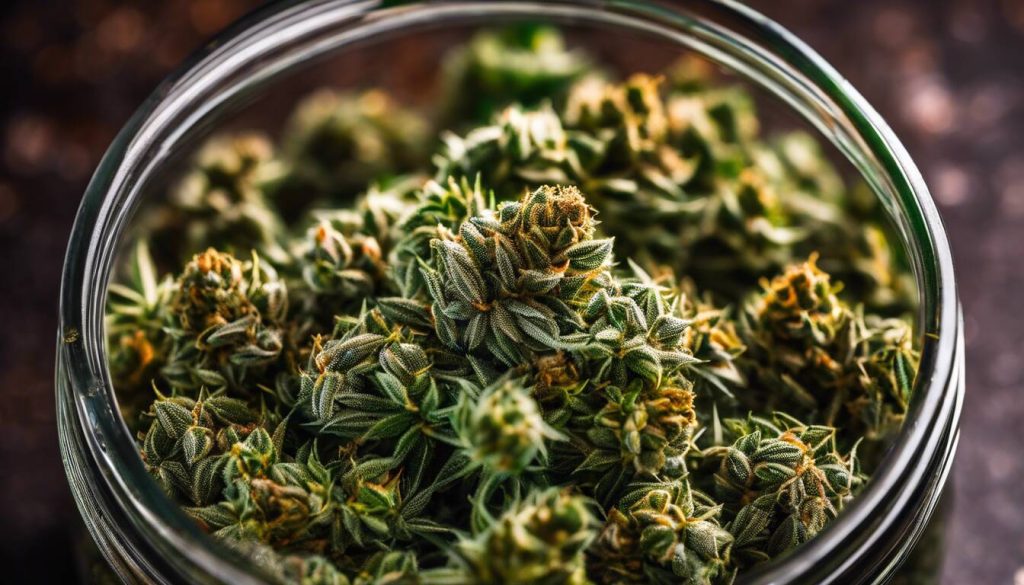
As a cannabis nurse, comprehending the impact of cannabis therapy on patients is integral to providing quality care. Patients grappling with various medical conditions turn to medical marijuana for relief, emphasizing the need for close observation and assessment of their responses to cannabis treatment. This includes monitoring changes in symptoms, potential side effects, and overall well-being resulting from cannabis use.
Ensuring the effectiveness and safety of cannabis therapy entails maintaining detailed records of patient responses. These records assist in tracking any improvements or adverse reactions to the treatment, allowing nurses to tailor care accordingly. For example, a patient with chronic pain may report reduced pain levels after using medical marijuana, while another patient with epilepsy might experience a decrease in seizure frequency. By documenting these outcomes, nurses gain valuable insights into individual patient responses to cannabis therapy, enabling them to adjust care plans based on these observations.
Cannabis nurses also fulfill a vital role in educating patients about the potential health effects of cannabis and guiding them through their treatment journey. This involves explaining the possible therapeutic benefits of medical marijuana, as well as discussing any known side effects or risks associated with its use. By providing accurate information and addressing patient concerns, nurses empower individuals to make informed decisions about their healthcare while promoting safe and effective cannabis use.
In addition to patient education and assessment, cannabis nurses contribute to developing comprehensive care plans tailored to each patient’s unique medical needs. This personalized approach ensures that patients receive optimal support throughout their cannabis therapy journey, promoting positive health outcomes and enhancing their overall quality of life.
By closely monitoring the health effects of cannabis therapy and maintaining detailed patient records, cannabis nurses play a pivotal role in delivering quality care and promoting the safe and effective use of medical marijuana. Their expertise and insights contribute to a holistic approach to patient wellness, emphasizing the importance of personalized care and continuous evaluation of treatment outcomes.
Navigating the Legal Facets of Cannabis Nursing
For cannabis nurses, understanding the legal complexities surrounding medical cannabis is crucial. Each state has its unique regulations and guidelines, so staying up to date with the ever-evolving laws is paramount. These legal frameworks dictate the scope of nursing practice and play a significant role in ensuring that patients have access to the medical cannabis they need.
Navigating these legal landscapes can be a complex task, requiring a thorough understanding and adherence to specific guidelines set forth by Medical Marijuana Programs (MMP). Nurses must familiarize themselves with the detailed exploration of legal aspects provided by platforms like ours, empowering them to practice within legal boundaries while advocating for patients’ access to medical cannabis.
It’s not just about understanding the legal rules; it’s also about advocating for patients’ needs within these frameworks. Nurses often find themselves at the forefront of ensuring that patients receive the care and treatment they require within the boundaries of the law.
Consider a scenario where a nurse encounters a patient who could benefit from medical cannabis, but navigating through the legal procedures feels overwhelming. A well-informed cannabis nurse steps in, utilizing their knowledge to guide both the patient and healthcare team through the intricate legal process, ultimately ensuring that the patient receives the care they need.
By providing in-depth resources and guidance on legal aspects relevant to cannabis nursing, our website serves as a valuable tool for nurses striving to practice within legal boundaries while advocating for patient access to medical cannabis.
Equipped with a solid understanding of the legal landscape surrounding medical cannabis, nurses are well-positioned to explore various alternatives in patient care within this domain.
Exploring Alternatives in Cannabis Patient Care
Cannabis nursing goes beyond prescribing medical marijuana or CBD. It involves understanding the patient’s whole health picture and nurturing their well-being through a range of approaches. Holistic patient care considers not just the symptoms being treated, but also the overall physical, mental, and emotional wellness of the individual. This includes integrating conventional medical approaches, lifestyle modifications, and complementary therapies.
For instance, when caring for patients with chronic pain, cannabis nurses may consider not only medicinal cannabis but also look into lifestyle changes to help manage pain. Patient care isn’t one size fits all; it’s about selecting the best options for each individual’s unique needs.
As part of this approach, cannabis nurses aim to consider the root causes of symptoms and address these underlying issues in conjunction with managing symptoms through medications like cannabis.
Let’s say a patient is experiencing sleep disturbances alongside their chronic pain. Instead of reaching for a prescription medication alone, a nurse might work with the patient to investigate potential lifestyle habits or external factors that could contribute to their sleep issues. By adjusting their sleep environment or daily routines, the patient may find relief without needing additional medications that can bring about further side effects.
This comprehensive care is what sets cannabis nursing apart—it’s about collaborating with the patient to create a personalized care plan that takes into account all aspects of their health and well-being.
On our website, nurses have access to valuable resources that offer insights into alternative approaches in cannabis patient care. These resources enable them to provide more comprehensive and individualized care protocols tailored to the unique needs of each patient. They allow nurses to provide better support and guidance to their patients who can benefit from an integrated treatment framework.
In essence, exploring alternatives in cannabis patient care ensures an individualized approach that offers holistic support beyond just medication, prioritizing the overall health and well-being of every patient.
Embracing alternative approaches in cannabis nursing not only expands the scope of patient care but also reinforces the commitment to providing personalized and comprehensive support for each individual’s well-being.