
Aesthetic Nurse Practitioner: Your Guide to Cosmetic Skincare Treatments
Becoming an Aesthetic Nurse Practitioner involves specialized training beyond general nursing. This extra schooling focuses on cosmetic procedures designed to uplift appearances. You dive deep into facial structures and skin health, learning how various treatments can help people look their best. But that’s not all, this role also involves giving advice and educating patients on skincare routines. Dedication to your patient’s well-being beyond their time in the clinic is a must. Now, let’s delve more into what being an Aesthetic Nurse truly entails.
An Aesthetic Nurse Practitioner specializes in cosmetic medical procedures to enhance patients’ appearance. They may perform treatments such as dermal filler injections, Botox, or laser skin treatments, working collaboratively with physicians or independently in their own practice.
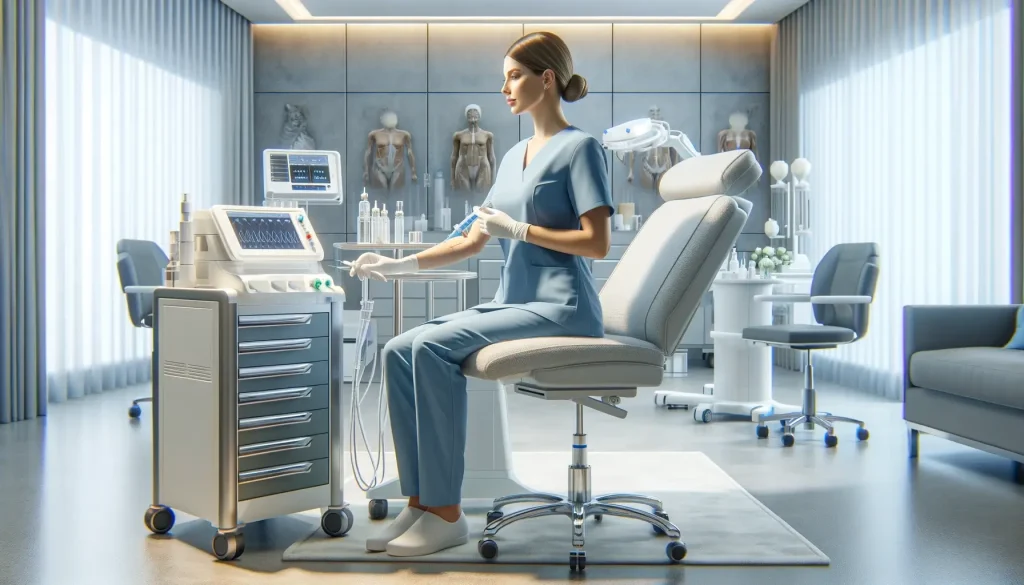
What is an Aesthetic Nurse Practitioner?
An Aesthetic Nurse Practitioner is a medical professional specializing in cosmetic medical procedures to enhance a patient’s appearance. With a background in nursing, they expand their scope to include treatments such as injections of dermal fillers and Botox, sclerotherapy for varicose veins, and laser skin treatments.
One pivotal aspect that sets Aesthetic Nurse Practitioners apart from standard nurses is their familiarity with facial anatomy. This allows them to administer treatments effectively while minimizing potential risks or side effects. Their extensive knowledge of various cosmetic treatments enables them to create tailored solutions aligned with each patient’s unique aesthetic desires, fostering trust and rapport with their clientele.
Their focus on skincare is paramount. Aesthetic Nurse Practitioners are well-versed in the latest trends, products, and techniques in skincare and incorporate this knowledge into their practice to offer the best possible outcomes for their patients.
Moreover, these professionals prioritize open communication and understanding patients’ concerns and goals before recommending any treatment. This approach establishes a strong foundation of trust and ensures that patients are fully informed about the procedures they undergo.
In addition to working independently, Aesthetic Nurse Practitioners often collaborate with physicians, providing a holistic approach to patient care and comprehensive treatment plans that leverage the expertise of both professions.
Their role extends beyond physical treatments; Aesthetic Nurse Practitioners also provide emotional support and guidance to patients as they navigate their cosmetic journey, fostering long-lasting relationships and contributing to the overall success of the treatment process.
For instance, consider a patient seeking to address signs of aging on their face. An Aesthetic Nurse Practitioner would evaluate the patient’s concerns, discuss viable options such as injectables or laser treatments, and guide the patient through each step of the chosen procedure.
In summary, Aesthetic Nurse Practitioners are crucial in the realm of cosmetic skincare by combining medical expertise with a keen eye for aesthetics and a compassionate approach to patient care.
In understanding the pivotal role played by Aesthetic Nurse Practitioners in cosmetic skincare treatments, let’s now explore how they specifically contribute within the broader landscape of cosmetic procedures.
Role of Aesthetic Nurse Practitioners in Cosmetic Treatments
Imagine a space where healthcare and beauty overlap. Aesthetic Nurse Practitioners reside in this unique domain, characterized by compassion, precision, and in-depth knowledge of skincare and the human body. They are experts who combine medical expertise with an artistic eye to help individuals look and feel their best. These professionals work closely with their clients, establishing a deep understanding of their aesthetic goals, offering consultations, performing delicate treatments with injectables like dermal fillers or Botox, and ensuring comprehensive post-treatment care.
Their consultation sessions go beyond assessing a client’s needs; they are also about educating them. Aesthetic Nurse Practitioners take the time to walk their clients through every aspect of the proposed treatment. This involves discussing procedures, potential outcomes, and any contraindications. This thorough consultation process provides clients with a clear picture of what to anticipate and an invaluable opportunity to ask questions or address any concerns they may have.
Moreover, these practitioners don’t stop once the procedure is over. They assist patients with developing customized skincare routines tailored to their specific needs and offer guidance on maintaining the results obtained from the procedures. Whether it’s about using sunscreen for protection or choosing appropriate skincare products, Aesthetic Nurse Practitioners are there to provide comprehensive guidance.
Consider this: After performing a dermal filler procedure on a client concerned about facial wrinkles and lines, the Aesthetic Nurse Practitioner didn’t just send them on their way. Instead, they followed up regularly to monitor progress, offer advice on post-treatment care, and ensure that the patient was satisfied with the results.
By taking a holistic approach to skincare treatments, treating more than just outward appearance but also addressing underlying health factors and patient satisfaction, Aesthetic Nurse Practitioners play a vital role in enhancing confidence levels and providing personalized care.
The seamless combination of medical expertise and personal care distinguishes Aesthetic Nurse Practitioners as essential figures in the realm of cosmetic skincare treatments. Now let’s delve into the qualifications needed to step into this impactful role.
Qualifications to Become an Aesthetic Nurse Practitioner
Becoming an Aesthetic Nurse Practitioner is a journey that requires dedication and specific qualifications. The consistent growth in the field of Medical Aesthetics has led to an increased demand for well-trained professionals who can provide cosmetic skincare treatments. Let’s break down the key qualifications needed to embark on this rewarding career path.
Nursing Education
To start this professional journey, completion of a two-year Associate’s Degree in Nursing (ADN) or a four-year Bachelor of Science in Nursing (BSN) is the foundational requirement. These programs equip future practitioners with fundamental nursing skills, patient care techniques, and medical knowledge, forming the essential building blocks for their future specialization in Aesthetic Nursing.
These degrees provide comprehensive training in areas such as anatomy, physiology, pharmacology, and patient assessment, laying a solid foundation for subsequent advanced studies necessary for this specialized role.
In addition to classroom learning, nursing education also involves clinical experience and hands-on training, allowing students to apply theoretical knowledge in real healthcare settings. Through these experiences, aspiring Aesthetic Nurse Practitioners develop critical thinking and problem-solving skills essential for offering safe and effective cosmetic treatments.
Licensure
Once the nursing degree is secured, passing the NCLEX-RN exam to become licensed as a registered nurse is essential. This standardized test evaluates a candidate’s competency and readiness to enter the nursing profession. Successful completion of this exam ensures that they have achieved a minimum level of knowledge and understanding important for providing patient care.
Obtaining licensure sets the stage for individuals to actively engage in patient care activities within a legal framework. This step not only serves as a legal requirement but also signifies the commitment towards maintaining high standards of practice, ethics, and patient safety—an indispensable aspect of the Aesthetic Nurse Practitioner’s role.
Advanced Nursing Education
Following licensure, earning either a Master of Science in Nursing (MSN) or a Doctor of Nursing Practice (DNP) from an accredited Nurse Practitioner program is necessary to qualify for this specialized role. Advanced education provides in-depth knowledge and specialized training crucial to perform aesthetic procedures, such as cosmetic injectables and laser treatments, with precision and expertise.
In these advanced programs, students delve deeper into subjects like dermatology, wound care management, skin health assessment, and non-invasive cosmetic procedures like dermal fillers and Botox administration. This specialized curriculum equips future Aesthetic Nurse Practitioners with the necessary skill set to excel in the field of medical aesthetics while ensuring patient safety and satisfaction as their top priority.
By emphasizing these qualifications and specialized educational pathways, individuals seeking to become Aesthetic Nurse Practitioners gain an extensive understanding of the educational milestones required to pursue this dynamic career.
Now equipped with a comprehensive understanding of the educational requirements for Aesthetic Nurse Practitioners, let’s now explore another vital aspect—essential skills and experiences crucial for excelling in cosmetic care.
Essential Skills and Experiences for Cosmetic Care
So, you’ve got the qualifications down, and now you’re ready to step into the world of cosmetic skincare treatments. What else do you need apart from your credentials? Let’s explore the key skills and experiences that are essential for excelling as an Aesthetic Nurse Practitioner.
Clinical Experience
It’s no secret that experience is key in any profession, but particularly in healthcare. When it comes to working in dermatology or aesthetics, gaining hands-on clinical experience is not just recommended; it’s crucial. By working in a dermatology setting, you can develop a deeper understanding of skin conditions and treatments, and build valuable connections within the industry. You get to see firsthand how certain treatments work, witness patient outcomes, and learn from experienced practitioners. It’s an opportunity to fine-tune your skills and expand your knowledge base.
Think of it like an artist perfecting their craft. The more they practice and experiment with different techniques, the more skilled and versatile they become. Similarly, the more exposure you have to various skin conditions and aesthetic procedures, the more confident and competent you’ll become in delivering top-quality care to your patients.
Patient Care
Working in cosmetics isn’t just about the technical aspects—it’s also about building rapport with your patients and establishing trust. Effective communication and strong interpersonal skills are paramount. Patients who seek cosmetic treatments often have unique needs and concerns, so being able to listen attentively and empathize with them is integral to developing a personalized treatment plan that meets their expectations.
Remember, your patients are entrusting you with their appearance—an incredibly personal aspect of their lives. The ability to foster a supportive and understanding environment can make a world of difference in how they perceive their experience at your clinic.
Business Acumen
While your expertise lies in providing exceptional skincare treatments, having a solid understanding of the business side of aesthetic practices is equally important—especially if you plan to run your own clinic. Managing client relationships, overseeing clinic operations, and understanding essential financial aspects such as budgeting and profitability can contribute to the long-term success of your practice.
Imagine running your own clinic without any knowledge of how to handle client inquiries or manage day-to-day operations efficiently. This lack of business acumen could impact not only the quality of service provided but also the overall sustainability of your practice.
Being well-versed in these areas can help independent practitioners navigate the complexities of operating a successful aesthetic practice while delivering exceptional patient care.
Remember, building a career in cosmetic skincare treatments is not just about technical proficiency—it’s about creating authentic connections with patients, continuously honing your clinical acumen through hands-on experience, and mastering the art of balancing medical expertise with business savviness.
As we continue on this journey toward becoming an exceptional Aesthetic Nurse Practitioner, let’s now shift our focus towards exploring specialized training opportunities and the certification process vital for advancing in this field.
Aesthetic Care Training and Certification
Becoming an Aesthetic Nurse Practitioner involves rigorous training and obtaining specialized certification. This unique professional path demands a high level of expertise in cosmetic skincare treatments, which requires dedication and commitment. To embark on this career journey, one must seek out reputable organizations that provide the necessary training and certification to practice in the field of aesthetic care.
The Plastic Surgical Nursing Certification Board is one such organization dedicated to providing specialized certification for nurses in the field of plastic surgical nursing. Their Certified Plastic Surgical Nurse (CPSN) credential sets a standard for excellence and underscores a nurse’s expertise in cosmetic surgical procedures, including preoperative and postoperative patient care.
Similarly, the American Aesthetic Association offers comprehensive courses and certifications tailored specifically for healthcare professionals, equipping them with the knowledge and skills required to excel in various cosmetic procedures. This association serves as a valuable resource for those seeking advanced training and accreditation in the aesthetic care industry.
Continuing education plays a significant role in enhancing one’s proficiency as an Aesthetic Nurse Practitioner. While initial certification is crucial, ongoing education ensures that practitioners remain up to date with evolving industry standards, cutting-edge technologies, and innovative treatment modalities. The dynamic nature of the cosmetic skincare field necessitates continuous learning to provide patients with the latest, safest, and most effective treatments available.
State-specific Requirements
Moreover, it’s essential to recognize that continuing education requirements may vary by state. For example, some states mandate a certain number of educational hours or specific courses related to aesthetic care to maintain licensure. Therefore, staying informed about state-specific regulations is paramount for practicing Aesthetic Nurse Practitioners.
Staying updated with industry developments is crucial.
This commitment to ongoing education not only ensures adherence to regulatory standards but also demonstrates a dedication to providing optimal patient care. It allows practitioners to expand their skill set, refine their techniques, and integrate the latest advancements into their practice, ultimately benefiting the individuals seeking aesthetic treatments.
In essence, achieving and maintaining certification through recognized organizations while embracing lifelong learning are fundamental steps toward establishing credibility and expertise as an Aesthetic Nurse Practitioner. By prioritizing professional development and staying attuned to industry changes, practitioners can uphold the highest standards of care while fostering trust and confidence among their patients.
Now equipped with a foundational understanding of the training and certification required for Aesthetic Nurse Practitioners, let’s explore the exciting career prospects awaiting those who venture into this rapidly growing field.
Career Prospects in Aesthetic Nursing
The world of aesthetic nursing offers exciting opportunities for those ready to explore it. As society becomes more accepting of cosmetic procedures, the demand for skilled Aesthetic Nurse Practitioners is soaring. These practitioners find themselves at the forefront of a field that not only prioritizes physical appearance but also places significant emphasis on patient satisfaction and well-being.
Medical spas, dermatology practices, and aesthetic clinics are just a few of the settings where Aesthetic Nurse Practitioners can thrive. Their expertise is invaluable in these environments, where individuals seek expert guidance and care for their cosmetic concerns. These esteemed professionals leverage their skills to administer Botox or dermal fillers, perform laser surgeries for tattoo removal, and provide chemical peels for various skin conditions.
According to the Bureau of Labor Statistics, the employment growth for nurse practitioners, including those specializing in aesthetics, is projected to be an impressive 38% from 2022 to 2032. This statistic serves as a beacon of hope for those aiming to build rewarding careers in this specialized subset of nursing.
A significant factor driving this upward trend is the evolving perception of cosmetic procedures. What was once considered a luxury or purely aesthetic endeavor is now being viewed as part of overall wellness and self-care. Individuals seek out Aesthetic Nurse Practitioners not only for physical transformations but also for emotional upliftment and enhanced self-esteem.
The growing demand for non-invasive or minimally invasive procedures further contributes to the buoyant outlook of this field. Advancements in technology have resulted in a broad spectrum of treatments that cater to diverse patient preferences and needs. Whether it’s addressing fine lines, wrinkles, or skin imperfections, Aesthetic Nurse Practitioners are equipped with the knowledge and skills to deliver impactful results while maintaining patient safety as the top priority.
Consider this: There was a time when aesthetic procedures were primarily associated with individuals seeking dramatic changes. However, as the field continues to evolve, it now encompasses a wide range of treatments that focus on enhancing natural beauty, youthfulness, and overall vitality. This shift has expanded the allure of aesthetic nursing, drawing more professionals into this dynamic arena.
In light of these developments and projections, it’s evident that embarking on a career in aesthetic nursing holds immense promise and potential for those who are passionate about delivering high-quality care while embracing innovation and transformation.
With the promising landscape of aesthetic nursing in mind, let’s now turn our attention to exploring the expected salaries for Aesthetic Nurse Practitioners.
Salary Expectations for Aesthetic Nurse Practitioners
When pondering a career path, it’s crucial to consider the potential financial rewards. As an Aesthetic Nurse Practitioner, your skills and expertise are highly valued in the healthcare industry, necessitating an understanding of the salary prospects associated with this profession.
Average Annual Salary The average annual salary for an Aesthetic Nurse Practitioner in the United States is $114,937. It’s essential to recognize that this figure can vary based on factors such as location, experience, and the specific employer. Similar to any profession, accumulating experience and honing specialized skills may lead to enhanced compensation opportunities.
Establishing a robust portfolio in cosmetic skincare treatments often results in extensive experience, positively impacting one’s earning potential. Moreover, broadening your practice by offering advanced procedures can also contribute to a higher income level.
Variability in Salary Ranges The salary ranges for Aesthetic Nurse Practitioners span from $41,500 to $200,000 in the United States, with the majority falling between $108,000 and $150,000.
Understanding this range highlights the significance of various determinants contributing to compensation levels. Experience, educational background, additional certifications, and specialization areas all play a substantial role in determining where within this spectrum an individual’s salary may fall.
Geographic Impact on Salary
Geographic location significantly influences salary levels for Aesthetic Nurse Practitioners. The highest paying cities for these jobs include Santa Cruz, CA; Sunnyvale, CA; and Livermore, CA. Moreover, the top-earning states for nurse practitioners overall, including aesthetic NPs, are California, New Jersey, Massachusetts, Oregon, and Nevada.
Practicing in areas with a high demand for cosmetic skincare treatments might lead to increased compensation due to a larger client base seeking such services. Additionally, regions with a higher cost of living generally offer higher salaries to accommodate these expenses.
Encompassing these details provides a comprehensive view of the diverse factors contributing to salary expectations within the realm of Aesthetic Nursing. From personal growth and expertise development to regional variables and market demand – each component plays a crucial role in shaping financial outcomes for professionals in this field.
Understanding the nuanced factors influencing Aesthetic Nurse Practitioner salaries equips individuals with valuable insights as they navigate their career paths within this specialized healthcare field. Wishing aspiring Aesthetic Nurse Practitioners success as they pursue their professional endeavors.