
Advanced Specialty Nursing: Becoming a Certified Specialist
Advanced specialty nursing is a dedicated path where you gain knowledge and expertise in particular areas of healthcare. By channeling your learning towards sectors like cardiology, pediatrics, or oncology, you ensure comprehensive understanding and specialized care provision within these areas. A surprising benefit is that beyond the enhanced skills that enable you to better serve specific patient groups, specialty nursing deepens your professional satisfaction. It offers the joy of mastering a subject matter you’re passionate about. This journey begins with exploration.
Specialty nursing encompasses a wide range of nursing roles, each focusing on specific patient populations or medical conditions. For instance, a Cardiac Care Nurse specializes in caring for patients with heart diseases, while a Diabetes Nurse focuses on patients with diabetes. Each specialty requires specialized knowledge and skill sets to provide optimal care within their respective areas of expertise.

Exploring Speciality Nursing
Specialty nursing is akin to discovering your own secret garden in the expansive realm of healthcare. It’s the place where you can choose what to nurture and grow, like tending to rare flowers in a greenhouse. You might be drawn to a certain type of patient, such as kids or elderly people, or a specific condition, like heart conditions or diabetes. Perhaps you are inclined to work at a unique care setting—such as the fast pace of an emergency unit or the quiet calm of a mental health ward.
Imagine each specialty area as its own beautiful garden, filled with unique challenges and rewards. If healthcare were a puzzle, specialty nursing would be one piece that fits your personality and interests perfectly.
The joy of pursuing a nursing specialization doesn’t just come from getting to know one area really well. It also comes from finding your tribe—a group of nurses who share your interests and expertise, along with healthcare providers and patients who trust your knowledge and skills.
Benefits of Specializing in Nursing
Nurses who specialize in niche areas bring so much to the table. One major benefit is the ability to provide in-depth care tailored specifically for their chosen patient population or health condition. This means better outcomes for patients; for example, children with complex medical needs will receive more effective care from pediatric nurses who’ve focused on understanding childhood illnesses and treatments.
It’s like having a tailor-made suit instead of an off-the-rack one: specialized nurses are like skilled tailors crafting care plans perfectly fitted to their patients’ unique needs.
But it’s not just about patients—the nurse’s professional growth is just as important. By choosing a specialty, you’re announcing that you want to excel in your field and be an expert, not just another professional. Being recognized as an expert brings more opportunities for career advancement, whether it’s moving up the ladder into leadership roles or pursuing further education within your field.
So, exploring specialty nursing isn’t just about picking an area of interest; it’s about embracing an opportunity for personal growth and becoming part of an esteemed community dedicated to providing exceptional care to those who need it most.
Having explored the captivating world of advanced specialty nursing, let’s now shine a light on the multitude of benefits that come with dedicating oneself to these specialized areas of healthcare.
Benefits of Speciality Nursing
Embarking on the path of specialty nursing entails more than just acquiring new knowledge and skills. It offers a range of important benefits that contribute to personal and professional growth. Let’s explore a few of these key advantages.
Improved Patient Care and Outcomes
Specializing in a particular area strengthens a nurse’s clinical skills, potentially leading to significant improvements in patient care and outcomes. For example, a nurse specializing in diabetes care may have an enhanced ability to identify early warning signs and provide specialized interventions, ultimately resulting in better disease management and improved quality of life for the patient.
Enhanced clinical skills acquired through specialization enable nurses to develop a deeper understanding of specific health conditions and treatment modalities. This heightened expertise empowers them to deliver more effective and precise care tailored to individual patient needs, making a tangible difference in patient outcomes.
Lucrative Earning Potential
One significant appeal of specialty nursing is the potential for higher earnings. Acquiring advanced skills and specialized knowledge often translates to increased earning potential. By honing expertise in a specific area such as critical care or oncology, nurses position themselves for roles that command higher salaries due to their specialized expertise.
Moreover, with ongoing advancements in healthcare technology and treatment modalities, there is a growing demand for professionals with specialized skills, which can further drive up the remuneration for specialty nurses. This financial advantage not only rewards their commitment to continuous learning but also enhances their overall financial well-being.
Career Advancement Opportunities
Specialty nursing provides a gateway to diverse career advancement opportunities within the nursing profession. Nurses who specialize are often sought after for leadership roles and advanced practice positions within healthcare organizations. Their advanced clinical acumen, in combination with specialized qualifications, makes them natural contenders for managerial positions, where they can influence organizational policies and practices while driving positive change.
Furthermore, specialty nurses are well-equipped to pursue roles in education, research, or consulting, allowing them to share their expert knowledge with emerging nurses, contribute to cutting-edge research initiatives, or provide valuable insights to other healthcare institutions seeking to elevate their standards of care. This multifaceted career progression potential is a testament to the dynamic nature of specialty nursing and the vast array of opportunities it presents for continuing professional development.
By recognizing and embracing these benefits associated with speciality nursing, nurses can make informed decisions about advancing their careers and contributing meaningfully to the healthcare landscape. In understanding the rich benefits inherent in becoming a certified specialist, it’s essential to recognize the diverse fields under this umbrella term. Let’s now explore the varied landscape of speciality nursing.
Varieties of Speciality Nursing
Specialty nursing offers a diverse array of avenues to pursue, each with its own unique set of challenges and rewards. Let’s explore some of these fascinating fields:
Critical Care Nursing
Critical care nurses work in intensive care units (ICUs) and are trained to provide acute care for patients facing life-threatening conditions. They must exhibit strong problem-solving skills and stay calm under immense pressure, serving as a beacon of support for both patients and their families during harrowing times.
Pediatric Nursing
Pediatric nurses specialize in caring for infants, children, and adolescents. Their role involves not only treating physical injuries and illnesses but also focusing on emotional support and developmental milestones unique to younger patients. Their patience and empathy are essential traits as they work closely with young patients and their families.
Oncology Nursing
Oncology nurses are at the forefront of cancer care, providing compassionate yet meticulous care to cancer patients throughout their treatment journey. They have an intimate understanding of the complexities of cancer treatments and are a pillar of strength for both patients and their loved ones as they navigate the emotional and physical challenges brought on by cancer.
Psychiatric Mental Health Nursing
Psychiatric mental health nurses provide crucial support for individuals dealing with mental health disorders. These professionals play a vital role in assessing, diagnosing, and assisting patients in formulating treatment plans. Their dedication to destigmatizing mental health issues is matched only by their unwavering support for patients as they work toward recovery.
Neonatal Nursing
Neonatal nursing involves caring for newborn infants who may be premature or born with medical complications. This specialty requires an extraordinary level of skill, patience, and attentiveness as neonatal nurses monitor the delicate needs of these vulnerable little ones.
Gerontology Nursing
Gerontology nurses specialize in caring for elderly patients, especially those with complex health needs resulting from aging-related conditions. They advocate for their patients’ quality of life while collaborating with interdisciplinary teams to craft thorough care plans that address the unique needs of aging individuals.
Each of these specialities demands a distinct set of skills and a deep sense of compassion. By choosing a field that resonates with one’s passions and strengths, nurses can embark on deeply rewarding careers that positively impact the lives of countless individuals across diverse demographics.
Next, we’ll journey into the comprehensive process of becoming a specialized nurse, delving deeper into the sacrifices, gratifications, and triumphs along this extraordinary path.
The Journey to Becoming a Speciality Nurse
Embarking on the journey to become an advanced specialty nurse is a purposeful and rewarding endeavor that revolves around dedication and continuous learning. It all commences with your experience as a registered nurse. Before specializing, it’s crucial to establish a robust foundation in general nursing practice. This experience helps you comprehend the fundamental aspects of nursing care, laying the groundwork for your future specialization.
Taking care of patients in various medical settings and situations offers invaluable insights and practical experience. You learn effective communication, clinical skills, and gain a deeper understanding of patient care. These experiences shape your perspective and lay the foundation for your transition to becoming an advanced specialty nurse.
Moreover, gaining experience enables exploration of various nursing areas, helping you identify your passion and professional interests. Whether it’s cardiac care, critical care, or dermatology nursing, having a diverse range of experiences helps in discovering your strengths and preferences.
For example, working in a critical care unit provides exposure to caring for critically ill patients, while working in dermatology introduces you to the unique challenges of treating and caring for patients with skin conditions. Each experience significantly contributes to your growth as a nurse.
Pursue Specialized Education
After accruing substantial experience as a registered nurse, pursuing specialized education is the next step towards becoming an advanced practice nurse. Many advanced specialty nursing roles necessitate completion of a master’s or doctoral degree program in the chosen field.
If aspiring to become a Certified Nurse Midwife (CNM), enrolling in a reputable midwifery program is essential. Similarly, if aiming to become a Clinical Nurse Specialist (CNS), pursuing an advanced degree focusing on clinical expertise and leadership within a specific patient population or setting is crucial.
Specialized education provides in-depth knowledge of your chosen specialty, shaping you into an expert within that field. It equips you with advanced clinical skills, research proficiency, leadership abilities, and ethical decision-making — essential elements for delivering high-quality patient care.
Obtain Certification
Acquiring specialized certification related to your chosen specialty signifies advanced clinical knowledge and expertise. Certification serves as validation of your commitment to excellence and proficiency in your specialized area of nursing.
For instance, if you’ve completed an Acute Care Nurse Practitioner program, obtaining the appropriate certification showcases your competency in providing complex acute care across diverse settings. Similarly, obtaining certification as a Pediatric Nurse Specialist validates your expertise in pediatric nursing practice.
Certification not only enhances your professional credibility but also opens up diverse opportunities for career advancement and growth. Maintaining certification requires ongoing professional development, ensuring that you stay updated with the latest advancements in your field. By gaining experience, pursuing specialized education, and obtaining certification, you’re actively shaping yourself into an invaluable asset in the healthcare industry—a dedicated advanced specialty nurse armed with expertise and compassion.
Now equipped with insights into the journey of becoming an advanced specialty nurse, let’s delve into the educational requirements and certification procedures that pave the way for this esteemed role.
Education and Certification Requirements
Specializing in nursing demands a serious commitment to education and professionalism. Like any advanced field, each nursing specialty has its own set of educational requirements and certification processes. Let’s consider the role of a Certified Registered Nurse Anesthetist (CRNA) as an example.
Becoming a CRNA requires completing a master’s degree in nurse anesthesia. It’s an intensive, focused program that equips nurses with the knowledge, skill set, and decision-making abilities needed to work in high-pressure medical environments, administering anesthesia for various procedures such as trauma treatments, emergency labor and delivery, surgical intervention in critical care units, and more. This specialized training ensures they are equipped to manage patients’ vital functions before, during, and after receiving anesthesia.
Upon completing their education, CRNAs seek certification through the National Board of Certification and Recertification for Nurse Anesthetists (NBCRNA). This certification process is rigorous – it involves a national standardized examination that evaluates their knowledge in anesthesia practice. It’s not just about studying textbooks; it’s about having the practical skills and experience to know how to handle every kind of patient in all sorts of situations.
Another specialty to consider is that of a Clinical Nurse Specialist (CNS). These professionals typically need a master’s or doctoral degree in a specialized area of nursing practice, such as oncology or pediatrics. The American Nurses Credentialing Center (ANCC) provides certifications for CNSs in various specialties.
The road to certification doesn’t end with education—the next crucial step is obtaining clinical experience. This on-the-job exposure plays a significant role in shaping the nurse’s expertise within their chosen specialty.
To sum it up, specializing in nursing requires both academic dedication and real-world practice to complement it. Aspiring nurses must be prepared for an extended journey involving focused education, hands-on learning experiences, and rigorous examinations to ensure competency within their chosen specialization.
With the foundation laid for specialized nursing roles, let’s now shift our focus to the intrinsic rewards these careers offer beyond traditional nursing paths.
Achieving Greater Job Satisfaction
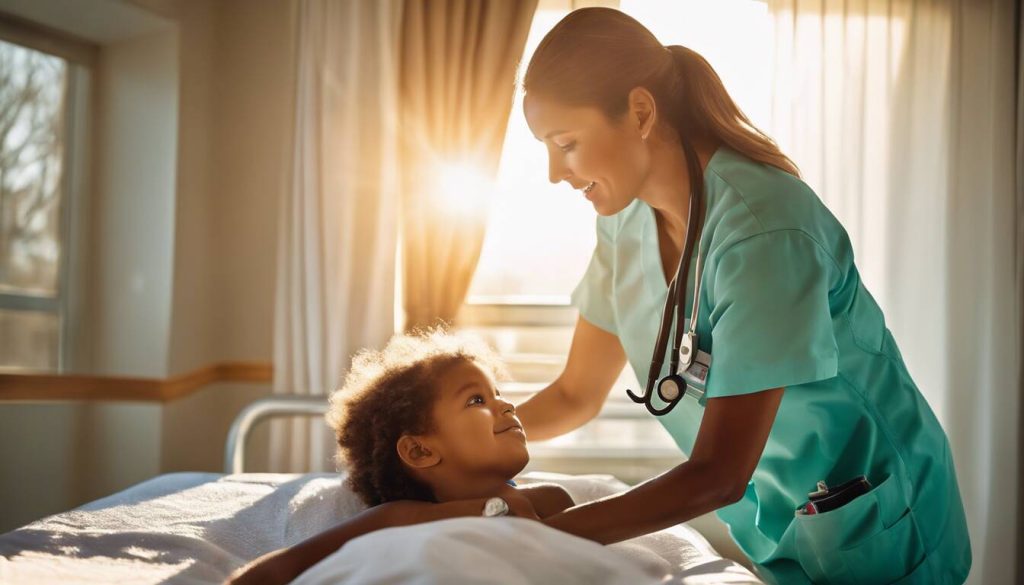
Specialty nurses who have obtained advanced certification often find themselves experiencing a higher level of job satisfaction due to the opportunity to provide specialized and in-depth care within their chosen area of expertise. Whether it’s providing pain management as an Ambulatory Care Nurse or caring for patients with heart diseases as a Cardiac Care Nurse, the ability to focus their skills and knowledge can be incredibly fulfilling.
You see, by working in a specialized field, these nurses are able to work more closely with patients who have complex medical needs specific to their area of practice. This allows them to develop long-term relationships that are built on trust, understanding, and continuity of care, resulting in more meaningful and impactful patient outcomes.
For instance, imagine being a Diabetes Nurse who not only helps patients manage their condition but also provides extensive education and support tailored to each individual’s unique needs. Being able to positively influence someone’s journey with diabetes can be incredibly rewarding and fulfilling.
Furthermore, specializing in a particular area offers nurses the opportunity to make significant differences in patient outcomes. This sense of accomplishment, derived from contributing meaningfully to improving or maintaining a patient’s health, is often a major source of job satisfaction for specialty nurses.
By focusing on a specific patient population or medical condition, these nurses become adept at understanding the nuances, complexities, and specific needs of their patients. In doing so, they acquire the capability to drive positive outcomes and foster improvements directly related to their area of expertise.
Additionally, having advanced specialty nursing certification may potentially offer nurses more control over their work environment. With comprehensive knowledge and specialized skills, these nurses often possess an elevated level of autonomy in decision-making and care delivery within their scope of practice. This autonomy can contribute significantly to job satisfaction as it allows them to practice at the top of their licensure and make decisions based on their expertise.
For example, a Clinical Nurse Leader may have the authority to design and coordinate patient care plans within a healthcare setting, while a Family Nurse Practitioner might have the freedom to establish lasting relationships with patients through personalized healthcare.
Ultimately, by obtaining advanced specialty nursing certification, these professionals gain the tools and knowledge necessary to excel in their chosen discipline. This elevated level of competence brings with it both intrinsic and extrinsic rewards that lead to enhanced job satisfaction for today’s advanced practice nurses.
Exploring the multifaceted world of advanced nursing doesn’t end here. There are vibrant communities where specialized nurses come together to share experiences and grow professionally. Let’s venture into the realm of joining a specialty nursing community.
Joining A Speciality Nursing Community
One of the finest ways to learn more about your specific area of nursing expertise is by joining a specialty nursing community. These communities are groups of nurses who all work in the same field as you. They can be online or local groups, where people with similar interests and professions come together to support one another, share ideas, and provide valuable resources. This kind of environment can truly enrich your career and personal development.
When you join these communities, you gain access to a treasure trove of information about your specialty, from the latest research and treatment methods to tips for dealing with specific challenges only found in your line of work. It’s like having an entire team of mentors at your fingertips.
Benefits of Joining a Specialty Nursing Community
By becoming an active member in a specialized nursing community, you can:
- Network: Connect with other professionals who share your interests and expertise.
- Professional Development: Access training, educational materials, and workshops designed specifically for your specialization.
- Resource Sharing: Exchange valuable resources, such as best practices, research findings, and career opportunities.
- Support System: Foster relationships with colleagues who understand the unique demands and rewards of working in your field.
These connections can guide you toward exciting career opportunities and advancements simply by building relationships with others who are just as invested in their careers as you are in yours.
For instance, if you’re a Cardiac Care Nurse, connecting with others in your field can help you stay updated on the latest treatment breakthroughs for heart conditions or connect you with potential employers looking to hire professionals with your expertise. This network also provides a platform for professionals to give back to their respective communities by sharing knowledge gained through years of experience. Whether it’s through leading discussions or mentoring newer nurses, this aspect alone is incredibly rewarding.
The connections formed within these communities aren’t just about advancing your career; they’re meaningful relationships with colleagues who understand the impact of the work you do every day.
Joining a specialty nursing community offers an invaluable opportunity to grow both professionally and personally. It’s a supportive network that can propel your career forward while enhancing the quality of care you provide.