
Online RN to BSN to MSN Programs: Advance Your Nursing Career
As we continue to navigate the complex healthcare landscape of 2023, the demand for highly skilled nursing professionals has never been greater. Those wanting to elevate their career trajectory and secure a prominent role in advancing patient care can benefit from an online RN to BSN to MSN program. In this dynamic age where digital learning is not just an option but a necessity, these programs are designed to offer flexibility and comprehensive training. In this blog post, we delve into how these online programs provide an exceptional platform for registered nurses to boost their education level from Bachelor’s to Master’s in Nursing. We’ll explore the potential doors such a course opens up and how it is paving the way for next-gen nursing leadership.
An RN to BSN to MSN program offers several benefits, such as a streamlined pathway to earning both a BSN and an MSN degree. This allows registered nurses with an associate’s degree or diploma to advance their education and expand their career opportunities. The requirements for these programs may vary, but typically include maintaining a minimum GPA, completing general education courses if needed, and holding a valid state-issued RN license. Additional documentation like transcripts, CV or resume, letters of recommendation, and a personal statement may also be required during the admissions process.
Understanding RN to BSN to MSN Programs
In the dynamic field of nursing, professionals are constantly seeking opportunities for growth and advancement. This is where RN to BSN to MSN programs come into play, offering a seamless pathway for registered nurses (RNs) to enhance their knowledge and skills. Let’s delve deeper into what these programs entail and how they can benefit your nursing career.
A RN to BSN to MSN program is designed specifically for registered nurses who hold an associate degree in nursing (ADN) or a diploma in nursing. The program allows them to earn both a Bachelor of Science in Nursing (BSN) degree as well as a Master of Science in Nursing (MSN) degree simultaneously. This integrated approach not only saves time but also prepares nurses for leadership roles and specialized areas of practice.
The curriculum of RN to BSN to MSN programs combines courses from both the BSN and MSN curriculums, allowing students to progress seamlessly through various levels of nursing education. Students gain a solid foundation in nursing theory, research, evidence-based practice, healthcare policy, and advanced clinical skills. The coursework focuses on real-world application of nursing theories, enabling students to translate their knowledge into practical settings.
One key benefit of RN to BSN to MSN programs is the ability for RNs to customize their education based on their interests and career goals. These programs typically offer multiple specialty tracks that cater to different areas of focus such as nurse educator, nurse administrator, family nurse practitioner, and more. With this flexibility, nurses can align their education with their passion and pursue roles that align with their professional aspirations.
Completing an RN to BSN to MSN program also opens up a plethora of opportunities in the healthcare sector. Nurses with advanced degrees are highly sought after by employers due to their expanded skill set and broader perspective on patient care. They are eligible for a wider range of positions, including leadership roles, research positions, advanced clinical practice, and teaching positions at nursing schools or colleges.
Now that we have a solid understanding of what RN to BSN to MSN programs are and their benefits, let’s shift our focus to the entry requirements for these programs.
Entry Requirements for RN-BSN-MSN Programs
Entering an RN to BSN to MSN program requires meeting certain criteria and fulfilling specific requirements. As these programs are designed for registered nurses seeking to further their education, there are essential qualifications that applicants need to possess.
First and foremost, individuals must hold a current and unencumbered RN license. This means they must have successfully completed the National Council Licensure Examination for Registered Nurses (NCLEX-RN) and maintained their licensure without any disciplinary actions. The eligibility for these programs may also depend on the state in which the applicant intends to practice as some states require additional licensure or certifications.
Furthermore, applicants typically need to have earned either an associate degree in nursing (ADN) or a diploma in nursing from an accredited institution. Some programs may also consider applicants with a bachelor’s degree in a non-nursing field. It’s important to note that different programs may have varying prerequisites or GPA requirements, so it’s crucial to thoroughly review the specific requirements of each program you are interested in.
In addition to educational qualifications, many institutions offering RN-BSN-MSN programs require applicants to submit letters of recommendation, a resume outlining their professional experience, and a personal statement or essay expressing their motivation and career goals. Admissions committees typically evaluate candidates based on these records along with academic transcripts and relevant work experience when considering their applications.
For instance, Chamberlain University College of Nursing offers RN-BSN-MSN programs with different entry points depending on the applicant’s current academic level. The admissions team reviews applications holistically to ensure a diverse and well-rounded student body.
Now that we have comprehensively covered the understanding of RN to BSN to MSN programs and the entry requirements for these programs, it’s time to explore other aspects related to advancing your nursing career.
Academic Prerequisites
Before embarking on an RN to BSN to MSN program, it is important to consider the academic prerequisites that may be required. While the specific requirements can vary depending on the program and institution, there are some common prerequisites that you should be aware of.
Generally, an RN to BSN to MSN program requires candidates to hold a valid state-issued RN license. This means that you must have successfully completed the necessary licensure examination to practice as a registered nurse. Additionally, most programs require applicants to have either an associate’s degree in nursing (ADN) or a nursing diploma.
For instance, imagine Sarah, a registered nurse with an ADN who wishes to pursue an MSN degree in order to become a nurse practitioner. In order for Sarah to be eligible for an RN to BSN to MSN program, she would need to meet the academic prerequisites set forth by the institution offering the program.
In addition to holding a valid RN license and having an ADN or nursing diploma, some programs may also require applicants to have completed specific coursework or meet certain GPA requirements. These requirements are put in place to ensure that students entering the program are equipped with the foundational knowledge necessary for success.
Now that we have explored the academic prerequisites for RN to BSN to MSN programs, let’s turn our attention toward the clinical practice expectations associated with these programs.
- As projected by the American Association of Colleges of Nursing, half (45%) of hospitals and other healthcare settings are demanding nurses with a bachelor’s degree at minimum for their registered nursing positions.
- Approximately 88% of employers express a preference for new nurses with a BSN over those holding only an associate’s degree according to a survey conducted by the American Association of Colleges of Nursing in 2019.
- A study published in Health Affairs found that surgical patients have up to a 43% better chance of survival when treated in hospitals where 60% or more of the RNs hold Bachelor’s degrees in nursing.
Clinical Practice Expectations
Clinical practice is a vital component of nursing education and plays a crucial role in RN to BSN to MSN programs. These programs typically require students to engage in hands-on clinical experiences under the guidance of qualified instructors and preceptors.
The specific clinical practice expectations can vary depending on the program and specialty area being pursued. For example, those pursuing a Clinical Nurse Leader (CNL) specialization may have different clinical practice expectations compared to those pursuing a Certified Nurse-Midwife (CNM) specialization.
Here is a comparison of clinical practice expectations for different advanced nursing specializations within an RN to BSN to MSN program:
| Specialization | Clinical Practice Expectations |
|---|---|
| Clinical Nurse Leader | Leadership and systems-level experience |
| Certified Nurse-Midwife | Birthing and women’s health care experience |
| Nursing Informatics | Focus on healthcare technology and data |
| Nurse Practitioner | Advanced patient care in specialized area |
These clinical experiences provide students with the opportunity to apply theoretical knowledge into real-world practice. It allows them to gain valuable skills, develop critical thinking abilities, and hone their clinical judgment under the guidance of experienced professionals.
Emily, an RN in an RN to BSN to MSN program focusing on becoming a nurse practitioner, has completed multiple clinical rotations in various healthcare settings. These rotations have allowed her to work directly with patients, diagnose illnesses, prescribe medication, and manage chronic conditions. This hands-on experience has been invaluable in shaping her career as a future advanced practice nurse.
It is evident that clinical practice expectations are an integral part of RN to BSN to MSN programs. Understanding these expectations can help students prepare themselves for success in a dynamic healthcare environment.
Advantages of Pursuing RN to BSN to MSN Programs
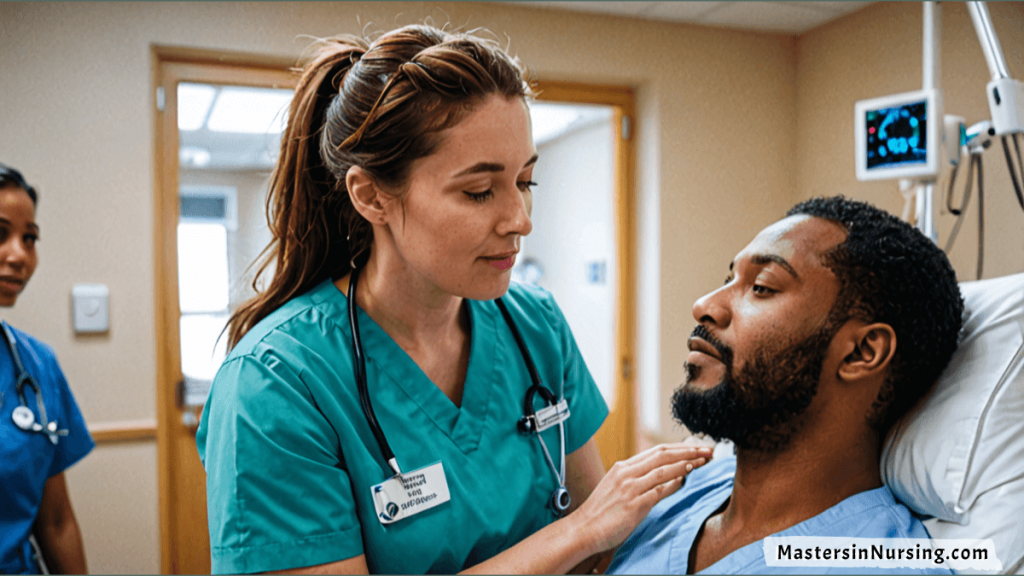
Pursuing an RN to BSN to MSN program can be a transformative step in advancing your nursing career. Here are some key advantages of choosing this educational path:
- Expanded Knowledge and Skills: Transitioning from an RN to a BSN to an MSN program allows you to deepen your knowledge and skills in nursing practice. You will gain a more comprehensive understanding of evidence-based practice, leadership, research, and advanced patient care. This expanded knowledge equips you with the tools needed to provide high-quality care and make informed decisions.
- Increased Career Opportunities: An RN with a BSN degree already opens doors to new career opportunities, but adding an MSN degree further expands your options. With an MSN, you can pursue various advanced nursing roles, such as nurse practitioner, clinical nurse specialist, nurse educator, or nurse administrator. These positions come with increased responsibilities, autonomy, and potential for higher compensation.
- Specialized Expertise: The RN to BSN to MSN pathway allows you to specialize in a specific area of nursing through concentrations or tracks within the MSN program. Whether you’re interested in family practice, women’s health, mental health, acute care, or other specialties, an MSN degree offers the opportunity to develop expertise in your chosen field.
- Professional Advancement: Obtaining an MSN degree positions you for advanced leadership and management roles within healthcare organizations. With the knowledge and skills gained through the program, you can take on positions as a nurse manager, director of nursing services, or even chief nursing officer. These roles offer more influence and decision-making power in shaping the future of healthcare delivery.
- Improved Patient Care: By pursuing an RN to BSN to MSN program, you are investing in your ability to provide better patient care. Through advanced training, you will learn to critically analyze complex patient cases, develop care plans, and lead interprofessional teams. With this knowledge and expertise, you can make a significant impact on patient outcomes and contribute to the advancement of the nursing profession as a whole.
Now that we’ve explored the advantages of pursuing an RN to BSN to MSN program, let’s take a closer look at the career opportunities that await those with this degree.
- Pursuing an RN to BSN to MSN program offers significant advantages for nurses looking to advance their careers. By deepening their knowledge and skills, they can provide high-quality care and make informed decisions. Additionally, obtaining an MSN degree opens doors to increased career opportunities in advanced nursing roles with higher compensation and autonomy. The ability to specialize in a specific area of nursing through concentrations or tracks within the MSN program allows nurses to develop expertise in their chosen field. Furthermore, nurses with an MSN degree are well-positioned for leadership and management roles within healthcare organizations, enabling them to shape the future of healthcare delivery. Ultimately, investing in an RN to BSN to MSN program enhances a nurse’s ability to improve patient care, contribute to patient outcomes, and make a positive impact on the nursing profession as a whole.
Career Opportunities with RN-BSN-MSN Degree

A career in nursing offers diverse paths for professional growth, and obtaining an RN-BSN-MSN degree opens even more doors for advancement. Here are some exciting career opportunities available to individuals with an RN-BSN-MSN degree:
- Nurse Practitioner (NP): As a nurse practitioner, you can diagnose illnesses, prescribe medications, order diagnostic tests, and provide primary care services to patients across the lifespan. This role allows for a high level of autonomy and often involves working in collaboration with physicians.
- Clinical Nurse Specialist (CNS): Clinical nurse specialists focus on specific patient populations or practice areas. They provide advanced specialized care, conduct research, develop evidence-based protocols, and facilitate staff education. CNSs are critical in ensuring quality patient outcomes and promoting best practices within healthcare organizations.
- Nurse Educator: With an RN-BSN-MSN degree, you can pursue a rewarding career as a nurse educator. In this role, you have the opportunity to shape the next generation of nurses by teaching theoretical and clinical courses in nursing programs. Nurse educators play a vital role in preparing future nurses for safe and effective practice.
- Nurse Administrator: Nurse administrators hold leadership positions in healthcare facilities, overseeing nursing departments and managing operations. They handle budgeting, staffing, policy implementation, and quality improvement initiatives. Nurse administrators contribute to efficient healthcare delivery and play a crucial role in organizational success.
- Other Advanced Nursing Roles: The possibilities with an RN-BSN-MSN degree are vast. You can explore roles such as nurse anesthetist, nurse midwife, clinical nurse leader, or nurse informaticist. These specialized roles provide opportunities for growth, innovation, and making a significant impact within the healthcare field.
For example, Jane, an RN with a BSN degree, pursued an MSN degree specializing in family practice as a nurse practitioner. This allowed her to establish her own primary care clinic in an underserved rural area where access to healthcare was limited. Her advanced nursing skills and knowledge contributed to improving health outcomes and making a difference in the lives of her patients.
With so many career paths and specializations within the RN-BSN-MSN degree, it’s important to consider your interests, goals, and the impact you want to make in your nursing career.
Potential Nursing Paths and Specializations
The field of nursing offers a myriad of paths and specializations for those looking to advance their careers. Whether you’re an RN seeking to enhance your skills, or an aspiring nurse looking to carve out a niche, exploring the various potential nursing paths and specializations can open doors to new opportunities and professional growth.
One common path is pursuing a Bachelor of Science in Nursing (BSN). A BSN degree equips nurses with a solid foundation in nursing principles, research, leadership, and critical thinking. It provides a platform for nurses to expand their knowledge and take on higher levels of responsibility in diverse healthcare settings. Graduates with a BSN may choose to specialize in areas such as pediatrics, geriatrics, medical-surgical, critical care, or psychiatric nursing, just to name a few.
For instance, let’s consider the case of Sarah, an experienced RN working in a hospital’s emergency department. She has always had a passion for helping children and wants to focus her career on pediatric nursing. With her BSN degree in hand, she can pursue specialized training or certification in pediatric nursing, gaining the knowledge and skills necessary to provide comprehensive care to young patients. This specialization allows Sarah to make a significant impact on the lives of children and their families.
Another option for nurses who hold a BSN is to further their education by pursuing a Master of Science in Nursing (MSN). An MSN degree opens up advanced practice roles and leadership positions within the healthcare system. Nurses with an MSN can choose from various specializations such as nurse practitioner, nurse educator, nurse administrator, clinical nurse specialist, or nurse midwife.
Let’s take the example of John, an ambitious RN who desires to become a nurse practitioner specializing in adult-gerontology primary care. By earning his MSN degree with a focus on this specialization, John gains the necessary expertise to provide comprehensive primary care services to older adults. As a nurse practitioner, he can diagnose and treat common illnesses, perform physical examinations, order diagnostic tests, prescribe medications, and promote preventive health practices among his patients.
Some may argue that specializing in a particular area limits career prospects, as nurses could be perceived as having a narrower skill set. However, it’s important to recognize that every specialization plays a vital role in providing holistic healthcare. Specialization allows nurses to develop deep expertise and make significant contributions to the field by addressing specific healthcare needs or populations.
Consider Lisa, an RN who specializes in psychiatric nursing. She works with individuals struggling with mental health disorders and provides them with personalized care and support. While some might view her specialization as limiting her career options, Lisa finds immense fulfillment in her role and is passionate about making a difference in the lives of those battling mental illness.
In summary, exploring potential nursing paths and specializations can be an exciting journey for any nurse looking to advance their career. Whether it’s pursuing a BSN degree to gain a solid foundation or obtaining an MSN degree to specialize in a specific area of practice, each path offers unique opportunities for personal and professional growth. Remember, the nursing profession thrives on diversity and collaboration between various specializations, ultimately benefiting the overall healthcare system and improving patient outcomes.