
Graduate Nursing Bridge Programs: Online & Accredited
Imagine being a part of a dynamic medical profession equipped with a robust knowledge base and refined skills? Dive into the realm of Graduate Nursing Bridge programs, your quickest route to an advanced nursing career. In our technologically driven time, these streamlined online programs have elevated the standard for earning advanced degrees in Nursing. Join us as we unravel how these accredited programs are shaping healthcare’s future by eliminating barriers and fast-tracking success in just one click! Time is of the essence, yet with these accelerated programs, you no longer need to chase it. Discover how you can be at the helm of patient care innovation without sacrificing years for education. Yes, your dream career in nursing is more accessible than ever so let’s accelerate today for a healthier tomorrow!
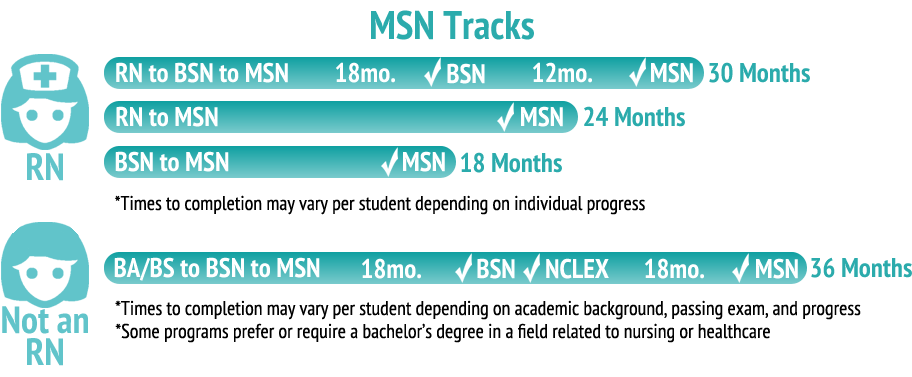
Graduate nursing bridge programs provide an efficient route for entry-level and advanced nurses to further their careers. These programs offer a quicker path to higher levels of licensure compared to pursuing individual nursing degrees. By enrolling in a graduate nursing bridge program, nurses can expand their knowledge and skills, leading to increased job opportunities and potential for higher salaries.
Benefits of Graduate Nursing Bridge Programs
Graduate nursing bridge programs offer valuable benefits for nurses looking to advance their careers and expand their opportunities in the field. These programs provide a shorter pathway to higher levels of licensure compared to pursuing individual nursing degrees. Instead of starting from scratch, bridge programs take into account a nurse’s previous education and experience, allowing them to build upon their existing knowledge and skills.
One major benefit of graduate nursing bridge programs is the time-saving aspect. These programs are designed to be accelerated, meaning they can be completed more quickly than traditional nursing programs. This is particularly beneficial for nurses who wish to advance their careers without putting their lives on hold for an extended period.
For instance, an experienced registered nurse (RN) who wants to become a Nurse Practitioner (NP) might need to complete an additional 2-3 years of schooling through a traditional program. However, by enrolling in a graduate nursing bridge program, they may be able to earn their NP degree in just 12-18 months. This allows them to make career advancements and increase earning potential sooner, without sacrificing too much time.
Another advantage of graduate nursing bridge programs is the flexibility they offer. Many of these programs are available online, allowing nurses to continue working while pursuing higher levels of education. This flexibility is particularly important for nurses who have other commitments such as families or financial responsibilities.
Additionally, graduate nursing bridge programs often provide specialized coursework and clinical experiences that focus on the nurse’s chosen area of specialization. This targeted education helps develop advanced skills and knowledge necessary for specific roles in nursing practice, administration, research, or education. It equips nurses with the expertise needed to excel in their desired career paths.
Now that we’ve explored some of the benefits of graduate nursing bridge programs, let’s shift our focus to another significant advantage: increased career opportunities.
- Graduate nursing bridge programs offer several important benefits, including time-saving accelerated pathways to higher levels of licensure, flexible online options that allow nurses to continue working while pursuing advanced education, and specialized coursework and clinical experiences that enhance skills in specific areas of nursing practice. These programs provide valuable opportunities for nurses to advance their careers, increase earning potential, and excel in their chosen fields.
Increased Career Opportunities
By pursuing a graduate nursing bridge program, nurses open doors to a range of new career opportunities. These programs enable nurses to transition into higher positions and take on roles with greater responsibility and autonomy. With advanced knowledge and skills, graduates of these programs may qualify for positions such as Nurse Practitioner, Clinical Nurse Specialist, Nurse Educator, Nurse Administrator, or Nurse Researcher.
Consider the case of a registered nurse with an Associate Degree in Nursing (ADN) who wants to become a Nurse Educator or pursue a leadership role. Enrolling in a Master’s in Nursing Education or Nursing Leadership bridge program can provide them with the necessary credentials and knowledge to fulfill these aspirations. Without completing a bridge program, they may face limitations in their career progression due to educational requirements.
Furthermore, many healthcare organizations and institutions have started requiring higher levels of education for certain positions. Graduates of graduate nursing bridge programs are more likely to meet these requirements and be eligible for promotions or advancements within their healthcare systems. By obtaining additional degrees through bridge programs, nurses demonstrate their commitment to ongoing learning and professional growth.
Think of it as climbing up a ladder; each rung represents a higher level of education achieved through the completion of a graduate nursing bridge program. As you ascend the ladder, your career prospects expand, presenting opportunities for increased job satisfaction, income potential, and impact on patient care.
As we’ve seen, enrolling in a graduate nursing bridge program offers numerous benefits such as time-saving acceleration, flexibility, targeted education, and increased career opportunities. It is crucial for aspiring nurses to consider these advantages when making decisions about their professional aspirations.
Accelerated Licensure Acquisition
For individuals who have already obtained a bachelor’s degree in a field other than nursing, but wish to embark on a career in nursing, accelerated licensure acquisition programs offer an efficient pathway to achieve this goal. These programs are designed to provide students with the necessary knowledge and skills to become registered nurses (RNs) in a shorter timeframe compared to traditional nursing programs.
These accelerated programs are especially suitable for individuals who may have already completed coursework in a related field and possess transferrable skills, enabling them to build on their existing knowledge and experience. By compressing the curriculum and focusing on essential nursing concepts, these programs allow students to fast-track their education and enter the nursing profession more quickly.
A typical accelerated licensure acquisition program includes intensive coursework that covers foundational areas such as anatomy, physiology, pharmacology, and nursing theory. Students also undergo practical training through clinical rotations in various healthcare settings, which further enhances their understanding of nursing practice.
The duration of accelerated licensure acquisition programs varies, but is typically shorter than the traditional four-year bachelor’s degree in nursing (BSN) program. These programs often range from 12 to 18 months, allowing students to complete their education at an expedited pace. However, it is important to note that these rigorous programs require dedication and commitment due to the accelerated nature of the coursework.
Upon successful completion of an accelerated licensure acquisition program, graduates are eligible to take the National Council Licensure Examination for Registered Nurses (NCLEX-RN) to obtain their RN license. This license opens up various opportunities for employment across different healthcare settings, including hospitals, clinics, schools, and community health centers.
Online and Accredited Graduate Nursing Programs
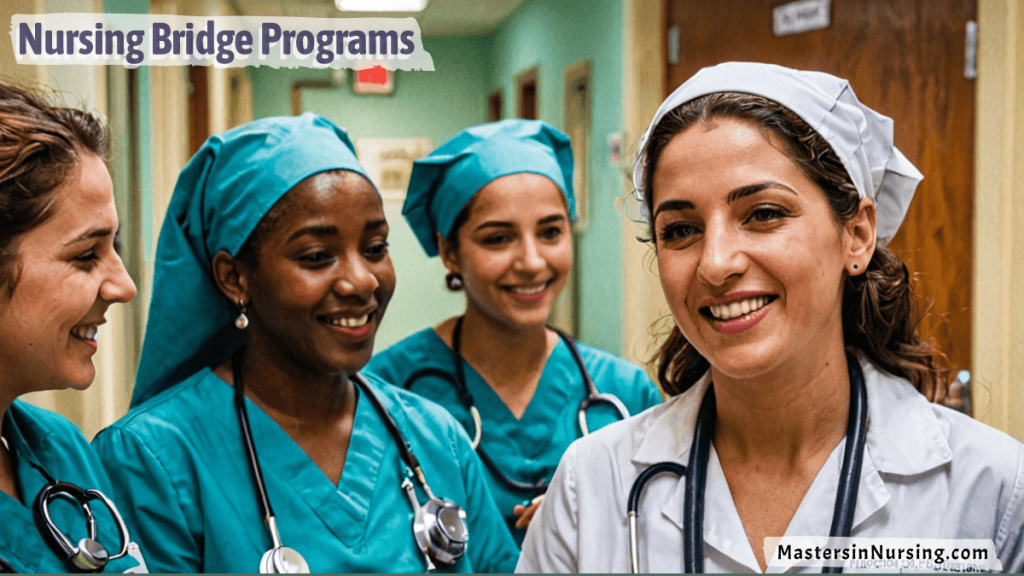
As technology continues to shape education, online learning has gained significant popularity in various fields, including nursing. Online graduate nursing programs offer flexibility and convenience for working professionals who aspire to advance their careers and specialize in a specific area of nursing.
Online graduate nursing programs provide the same rigorous curriculum as their on-campus counterparts but offer the flexibility to complete coursework and assignments remotely. This allows students to balance their personal and professional commitments while pursuing an advanced degree in nursing.
Accreditation plays a crucial role in ensuring the quality and credibility of online graduate nursing programs. When researching programs, it is essential to look for accreditation from reputable accrediting bodies such as the Commission on Collegiate Nursing Education (CCNE) or the Accreditation Commission for Education in Nursing (ACEN). These accreditations validate that the program meets stringent academic standards and adequately prepares students for their chosen specialization.
One of the key advantages of online graduate nursing programs is that they often offer a wide range of specializations, allowing nurses to tailor their education to match their career aspirations. Specializations may include nurse practitioner, nurse educator, healthcare leadership, informatics, public health nursing, and more.
Additionally, online platforms provide various interactive tools and resources, such as virtual simulations, discussion boards, and video lectures, which enhance the learning experience. These virtual components aim to replicate real-life scenarios within the nursing profession and provide opportunities for collaborative learning and engagement with faculty and peers.
It is important to note that some online graduate nursing programs may require occasional on-campus visits or clinical experiences in healthcare settings to ensure practical application of learned skills. However, these requirements are typically structured to accommodate students’ geographic locations and work schedules.
Accreditations to Look for
When exploring accelerated graduate nursing bridge programs online, it’s vital to consider the accreditations of the institution offering the program. Accreditation ensures that the program meets rigorous standards of quality and excellence in education. Two main types of accreditation are important to look for: institutional accreditation and programmatic accreditation.
Institutional accreditation refers to the accreditation of the overall institution where the bridge program is offered. It provides assurance that the institution meets a set of academic and operational standards. Regional accreditation agencies such as the Higher Learning Commission (HLC) or the Middle States Commission on Higher Education (MSCHE) are widely recognized and respected accrediting bodies in the United States.
For example, if you are considering an online nursing bridge program offered by XYZ University, ensure that XYZ University is accredited by a reputable regional accrediting agency. This ensures that the institution has met strict quality standards and that your degree will be recognized by employers and other institutions.
Programmatic accreditation, on the other hand, focuses specifically on nursing programs. The most well-known accrediting bodies for nursing programs include the Commission on Collegiate Nursing Education (CCNE) and the Accreditation Commission for Education in Nursing (ACEN). These specialized accrediting bodies evaluate nursing programs based on factors like curriculum, faculty qualifications, student learning outcomes, and resources.
It is advantageous to choose a nursing bridge program with both institutional and programmatic accreditation. This dual accreditation indicates that not only does the program meet national quality standards but also aligns with industry-specific standards in nursing education. Before enrolling in an accelerated graduate nursing bridge program online, make sure to verify its accreditations to ensure a high-quality educational experience.
Balancing Work and Online Studies
As a working professional pursuing an accelerated graduate nursing bridge program online, finding a balance between work responsibilities and academic studies is crucial. Online programs offer flexibility, but effectively managing your time and commitments is paramount to success. Here are some strategies to help you strike that balance:
Firstly, create a schedule that outlines your work, study, and personal responsibilities. Set aside dedicated blocks of time for studying and stick to them as much as possible. Prioritize tasks based on deadlines and importance, ensuring that both work and academic obligations are met.
Utilize technology to your advantage. Online nursing bridge programs often provide resources such as recorded lectures, discussion boards, and virtual simulations. Take advantage of these tools to learn at your own pace and access course materials whenever it suits your schedule.
For instance, if you have a demanding work schedule during the day, you can devote evenings or weekends to study and coursework completion. This flexibility allows you to fit your studies around your professional commitments.
Communicate with your employer about your academic pursuits. While some employers may offer flexible schedules or support for continuing education, others may not be aware of the demands of an online nursing bridge program. Having an open dialogue can help them understand your situation better and potentially provide assistance or accommodations.
It’s also essential to prioritize self-care during this challenging period. Make time for relaxation and activities that rejuvenate you. Recognize when you need rest and give yourself permission to take breaks when necessary.
Finding a balance between work and online studies can be challenging but is certainly achievable with proper planning, organization, and dedication. Adopting effective time management strategies, leveraging technological resources, communicating with your employer, and prioritizing self-care will contribute to a successful experience in an accelerated graduate nursing bridge program online.
Application Procedures for Nursing Bridge Programs
Applying to a nursing bridge program can be an exciting and transformative step towards advancing your nursing career. However, it’s important to familiarize yourself with the specific application procedures involved in these programs. While the exact requirements may vary from institution to institution, there are some common aspects you’ll likely encounter.
Typically, the first step is to submit an application directly to the nursing bridge program of your choice. This could involve completing an online application form and providing personal information, such as contact details, educational background, and relevant work experience. Additionally, you may be required to provide official transcripts from your previous nursing education, demonstrating successful completion of prerequisite courses.
Along with the application form, many nursing bridge programs also require applicants to submit a statement of purpose or personal essay. This gives you an opportunity to articulate your motivations for pursuing the program and highlight any relevant experiences or skills that make you a strong candidate. It’s important to convey your passion for nursing and how the bridge program aligns with your career goals.
Furthermore, letters of recommendation are often requested as part of the application process. These letters should come from individuals who can speak to your academic abilities, work ethic, and potential as a graduate nursing student. Examples of suitable individuals include nursing instructors, clinical supervisors, or healthcare professionals you have worked with closely.
In some cases, nursing bridge programs may require applicants to participate in an admissions interview or complete an assessment exam. The interview allows program representatives to gain further insight into your qualifications and aspirations, while the assessment exam helps evaluate your foundational knowledge in nursing.
Now that we’ve explored the general application procedures for nursing bridge programs, let’s delve into the debate surrounding specialized versus general nursing bridge programs.
Specialized vs General Nursing Bridge Programs
The choice between specialized and general nursing bridge programs is a decision that requires careful consideration based on individual career goals and aspirations. Both options have their merits and can provide unique opportunities for professional growth.
Imagine a nurse who has been working in pediatrics for several years and wishes to further specialize in this area. Opting for a specialized nursing bridge program would allow them to gain in-depth knowledge and skills specifically tailored to the demands of pediatric nursing. This could include coursework and clinical experiences focused on pediatric healthcare, child development, and family-centered care.
On the other hand, a general nursing bridge program offers a broader curriculum that covers a range of specialties and healthcare settings. This can be advantageous for nurses who are undecided about a particular specialty or who want to maintain flexibility in their career path. A general bridge program equips graduates with a well-rounded foundation of knowledge that can be applied in various clinical settings.
It’s important to recognize that choosing between specialized and general nursing bridge programs is not a one-size-fits-all decision. Some argue that specialized programs may limit nurses’ career options if they decide to switch specialties later on. Others contend that specialized education provides nurses with more advanced skills and expertise, making them valuable assets in their chosen field.
Ultimately, the choice between specialized and general nursing bridge programs should align with your professional goals and aspirations. Reflecting on your desired career trajectory, considering current job market demands, and researching potential future opportunities can help inform your decision.
Understanding the content and outcomes associated with these programs will further assist you in making an informed choice. Let’s explore these factors in more detail.
Program Content and Outcomes
Accelerated graduate nursing bridge programs are designed to provide registered nurses with the knowledge and skills necessary to advance their careers in a shorter timeframe compared to traditional programs. These programs typically build upon the foundation of previous nursing education and experience, allowing students to fast-track their learning and earn a higher level of licensure.
The program content of accelerated graduate nursing bridge programs varies depending on the specific degree being pursued. For example, an accelerated Master of Science in Nursing (MSN) program may include courses in advanced nursing practice, research methods, leadership and management, healthcare policy, and evidence-based practice. Students can also expect to complete clinical rotations or practicum experiences that provide hands-on training in specialized areas such as acute care, pediatric care, or geriatric care.
In addition to coursework, bridge programs often emphasize critical thinking, problem-solving skills, and leadership development. The curriculum is designed to equip students with the knowledge and competencies needed to excel in advanced nursing roles. This includes understanding complex healthcare issues, collaborating with interdisciplinary teams, adopting evidence-based practices, and advocating for patient safety and quality care.
For instance, during a clinical rotation in an acute care setting, a student might have the opportunity to observe and assist in the management of patients with complex medical conditions, participate in interprofessional rounds, collaborate with healthcare providers from various disciplines, and develop comprehensive care plans. By immersing themselves in these real-world scenarios early on, students can gain valuable experience that will enhance their clinical judgment and decision-making abilities.
The outcomes of completing an accelerated graduate nursing bridge program are multiple-fold. Firstly, graduates are equipped with the necessary knowledge and skills to pursue advanced practice roles such as nurse practitioners (NPs), nurse anesthetists (CRNAs), nurse midwives (CNMs), or clinical nurse specialists (CNSs). These advanced practice nurses play a vital role in providing comprehensive, evidence-based healthcare services to patients across various healthcare settings.
Think of these advanced practice nurses as the quarterbacks of the healthcare team, guiding and coordinating patient care while also serving as advocates for their patients’ needs.
Secondly, accelerated graduate nursing bridge programs often focus on leadership and management skills, preparing graduates to take on administrative or managerial roles within healthcare organizations. These roles involve overseeing nursing staff, implementing quality improvement initiatives, managing budgets, and shaping policies that promote safe and effective patient care.
Lastly, completing an accelerated graduate nursing bridge program can open doors to research opportunities and academic positions. Graduates may pursue further education at the doctoral level or engage in research projects that contribute to advancing nursing knowledge and improving patient outcomes. Additionally, they may have the chance to teach future generations of nurses, passing on their expertise and shaping the future of nursing education.