
Home Health Nurse Services for Elderly Care: In-Home Medical Assistance
A home health nurse is a professional who provides critical care to the elderly right in their homes. They do not just help with daily tasks, but also manage their medicines, check important health signs, take care of wounds, and work closely with other healthcare workers. It’s almost as if they’re bringing the entire hospital to the comfort of one’s home. This 24/7 in-home assistance can make the sunset years of an elderly individual more comfortable, healthier and safer. Now, let’s delve into specifics of these caring roles.
Home health nurses provide one-on-one care for patients in their homes, including assessing patient needs, developing care plans, administering medication, managing wounds, assisting with activities of daily living (ADLs), and coordinating home care. These dedicated professionals play a crucial role in caring for elderly, critically ill, or disabled individuals in the comfort of their own homes.
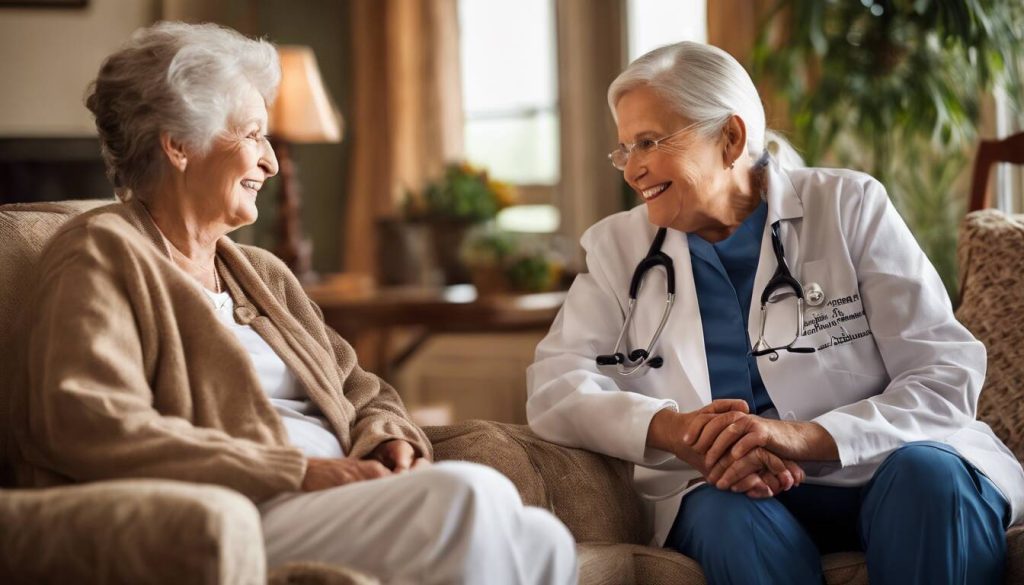
Home Health Nurse Roles in Elderly Care
Home health nurses play a vital role in providing specialized care to the elderly, ensuring they receive the necessary support to maintain their well-being and independence. When it comes to elderly care, these skilled professionals carry out a wide range of responsibilities to ensure that every aspect of a patient’s needs is met with diligence and compassion.
One of the key duties of home health nurses is assisting with daily living activities (ADLs). For many elderly individuals, tasks such as bathing, dressing, grooming, and mobility can become challenging. Home health nurses step in to provide invaluable support with these activities, enabling their patients to maintain a sense of autonomy and dignity within the comfort and familiarity of their own homes.
In addition to ADLs, home health nurses are tasked with administering medications to elderly patients. This responsibility demands precision and attention to detail, as adhering to specific medication schedules is crucial for managing chronic conditions and promoting overall health. Ensuring that medications are taken correctly and at the right times is a fundamental aspect of the care provided by these dedicated professionals.
Furthermore, home health nurses are responsible for monitoring vital signs regularly. Keeping a close watch on metrics such as blood pressure, heart rate, temperature, and oxygen saturation provides crucial insight into a patient’s health status. This proactive approach allows nurses to identify any concerning changes or trends early on, facilitating timely interventions and preventing potential complications.
Consider a scenario where an elderly individual is recovering from surgery at home. A home health nurse diligently monitors their vital signs during each visit, promptly recognizing an irregularity in heart rate. Thanks to this vigilant observation, the nurse alerts the patient’s healthcare team, leading to prompt medical intervention that averts a potentially serious cardiac issue.
Moreover, managing wounds is another essential aspect of a home health nurse’s role in elderly care. Whether addressing surgical incisions, pressure ulcers, or other skin concerns, these professionals employ their expertise to ensure proper wound care. By implementing meticulous protocols and keeping a keen eye on healing progress, they significantly contribute to the overall well-being and comfort of their elderly patients.
The work of home health nurses in elderly care is multifaceted and impactful—providing vital support in daily living activities, medication management, vital sign monitoring, and wound care. Let’s now delve deeper into their collaborative efforts with other healthcare professionals to ensure comprehensive care for elderly individuals at home.
Key Skills for Effective Home Health Nursing
Being a home health nurse means having a unique capacity to respond to a variety of challenges and provide tailored care solutions in people’s homes. With this in mind, let’s unravel the essential skills that make a home health nurse exceptional.
Compassion and Empathy
One of the most vital skills a home health nurse possesses is compassion and empathy. This goes beyond fulfilling duties; it involves demonstrating heartfelt caring and understanding toward the elderly individuals they are supporting. Imagine stepping into an entirely different world; it requires seeing through their eyes, feeling their worries, understanding their fears, and championing their hopes.
A friendly smile or a gentle touch can go a long way in comforting an elderly individual who might be struggling with illness or loneliness. It’s being emotionally present, nurturing trust, and building rapport that makes the patient feel valued, respected, and cared for. When patients feel seen and heard, it can positively impact their healing process.
Patience and Flexibility
In providing care, home health nurses navigate varying needs and conditions which demand a high level of adaptability and patience. Each day brings unique challenges, unexpected twists, and turns. A home health nurse’s ability to remain calm, collected, and flexible in the face of these situations is often what helps them manage demanding circumstances with finesse.
It’s like tending to a garden; you need to water the flowers when they’re thirsty, shield them from harsh weather, and patiently watch them bloom at their own pace. Similarly, home health nurses need to understand that every patient is on their individual journey—they may need more time, specialized care, or simply an ear to listen.
Strong Communication
Clear communication is like the bridge that connects understanding to action. It’s essential for home health nurses to articulate instructions effectively while communicating with patients, their families, and other healthcare providers. This involves listening attentively, asking questions thoughtfully, speaking clearly—ensuring essential information is accurately conveyed from all parties involved in the care process.
Effective communication fosters a supportive environment where concerns can be shared openly and decisions are made collaboratively with everyone on board.
Clinical Competence
Home health nurses must demonstrate proficiency in administering medications, wound care, and managing chronic conditions.
Stay tuned for an exploration of how clinical competence plays a pivotal role in effective home health nursing.
Routine Responsibilities in Home Healthcare
Home health nurses play a pivotal role in providing holistic care to individuals in the comfort of their own homes. When you walk into a patient’s house, it becomes your workplace, and the responsibilities extend far beyond medical treatment. You’re not just there to provide clinical care; you’re also there to offer emotional support, encourage independence, and create a safe and healthy environment for your patients.
Day-to-day tasks vary depending on each patient’s unique needs and medical condition, but there are some general responsibilities that home health nurses regularly undertake:
- Assessing Patient Needs: At the heart of home healthcare is understanding what each patient needs on a physical, emotional, and social level. Assessing their current condition and identifying any changes or deterioration is crucial for providing effective care.
- Developing Care Plans: Based on the patient assessment, home health nurses develop personalized care plans that outline specific interventions and goals tailored to the patient’s needs.
- Ensuring Medication Adherence: Many patients rely on multiple medications to manage their health conditions. Home health nurses are responsible for ensuring patients take their medication as prescribed, educating them on potential side effects, and monitoring their response to treatment.
- Monitoring Health Conditions: Regularly checking vital signs, wound care, disease progression, and response to treatment is a vital part of a home health nurse’s duties. This ongoing monitoring helps detect any changes in a patient’s condition early on.
- Coordinating with Other Healthcare Providers: Effective communication and collaboration with physicians, therapists, and other healthcare providers are essential for ensuring seamless and coordinated care for the patient.
- Providing Emotional Support: Home health nurses often become an important source of emotional support for patients and their families. Their presence and encouragement can significantly impact the mental well-being of those they care for.
For example, imagine you’re caring for an elderly patient who recently had a mild stroke. Your assessment might include evaluating speech difficulties, mobility challenges, and any emotional concerns following the stroke. You would then develop a detailed care plan that outlines exercises for speech therapy, recommendations for assistive devices to aid mobility, and strategies to prevent further strokes.
Regular follow-up visits enable home health nurses to observe changes over time and make necessary adjustments to the care plan.
Nurses working in home healthcare must be adept at balancing medical expertise with compassion, flexibility, and adaptability to provide comprehensive care tailored to each individual’s unique circumstances. Moving forward, let’s weigh the advantages and drawbacks of enlisting home health nursing services—a crucial decision many families face when seeking care for their loved ones.
Pros and Cons of Hiring Home Health Nurses
When considering home health nurse services for elderly care, it’s crucial to weigh the advantages and disadvantages, making an informed decision that best supports the needs and well-being of your loved ones. Let’s delve into the positive aspects first.
Pros
Personalized Care One of the most significant advantages of hiring a home health nurse is the tailored, personalized care they provide. Unlike institutional settings, where care may be more generalized, home health nurses can develop care plans that are specifically tailored to an individual’s unique needs. This personalized attention is especially valuable for elderly patients who may have complex medical conditions or require specialized care.
One-on-One Attention In a home environment, the focus is solely on the patient, allowing for undivided attention and care. This one-on-one interaction not only fosters a sense of trust and companionship but also enables the nurse to observe and address specific health concerns promptly.
Enhanced Comfort and Convenience Being in familiar surroundings can significantly contribute to an elderly individual’s comfort and well-being. By receiving care at home, patients can maintain their routines, independence, and familiarity with their surroundings, which can positively impact their emotional and mental health. Additionally, families experience greater convenience by having professional medical assistance brought directly to their doorstep.
Potential Cost Savings Home health care can potentially result in cost savings compared to institutional care. With reduced overhead expenses associated with institutional facilities, in-home care might be a more economical option for families while still providing high-quality medical assistance.
Now, let’s consider potential drawbacks associated with hiring home health nurses for elderly care. While there are numerous benefits, it’s essential to understand and address potential challenges.
Cons
Limited Availability of Medical Equipment In comparison to dedicated healthcare facilities, certain medical equipment may have limited availability in a home setting. This can impact the range of treatments and interventions that can be readily administered. However, advancements in portable medical technology are continually improving the scope of available equipment in home health care.
Variability in Professional Quality The quality and reliability of individual home health nurses can vary significantly. While many are exceptionally skilled and compassionate, some may fall short in providing the standard of care required for elderly patients with complex medical needs. It’s essential for families to conduct thorough research and vetting when selecting a home health nurse to ensure they are entrusting their loved one’s care to a competent professional.
Challenges in Finding the Right Fit Finding the right fit in terms of a home health nurse can present challenges for families. Each patient has unique requirements that may necessitate a specific skill set or level of experience from the nurse. These matching difficulties emphasize the importance of thorough evaluation and assessment when engaging the services of a home health nurse.
Understanding both the benefits and potential limitations sets the stage for informed decision-making when it comes to incorporating home health nurse services into elderly care plans.
Path to Becoming a Home Health Nurse
Becoming a home health nurse is an incredibly rewarding career path that offers unique challenges and opportunities to provide personalized care for those in need. If you feel called to this profession, it’s essential to understand the steps required to start your journey in this field.
The path typically begins with completing a nursing program, which can vary from an associate degree or diploma to a bachelor’s degree in nursing. These programs provide the foundational knowledge and skills needed for nursing practice. The choice between these options depends on individual circumstances, such as time availability, financial resources, and long-term career goals.
Upon completing a nursing program, obtaining a nursing license is the next crucial step. This involves passing the NCLEX-RN examination to become a Registered Nurse (RN). The licensure process ensures that nurses have the necessary competency to provide safe and effective care to patients.
After acquiring the RN license, gaining clinical experience becomes pivotal. Clinical exposure provides insight into diverse patient populations, healthcare settings, and medical conditions. It’s during these hands-on experiences that nurses develop critical thinking skills, hone their assessment abilities, and learn how to deliver comprehensive care.
Specialized training in home health care is also an integral part of the journey. Home health nursing necessitates a unique set of skills, including strong communication, empathy, critical thinking, and assessment abilities. Training in areas such as wound care management, medication administration in home settings, and coordination of care with other healthcare professionals equips nurses with the expertise needed for this specialized field.
In addition to formal education and training, ongoing professional development is essential for home health nurses. The healthcare landscape is constantly evolving, and staying abreast of best practices, technological advancements, and evidence-based interventions ensures high-quality care delivery.
By understanding the educational requirements, licensing processes, and career pathways involved in becoming a home health nurse, aspiring individuals can chart a clear course towards making a positive impact in the lives of those seeking in-home medical assistance.
Now equipped with insights into the journey of becoming a home health nurse, let’s navigate the complexities of accessing comprehensive health insurance coverage for in-home medical support.
Health Insurance and Home Health Nursing
Home health nursing services play a vital role in providing ongoing medical care and support for individuals with chronic illnesses, disabilities, or those recovering from an acute medical condition—all while enabling them to stay in the comfort and familiarity of their own homes. Notably, some health insurance plans do cover these essential services, offering valuable financial support to families and individuals in need of continuous medical care at home.
It’s important to recognize that coverage for home health nursing can vary significantly among different insurance plans. Some policies may offer more comprehensive coverage than others, and there may be limitations on the types of services that are eligible for reimbursement. Therefore, it’s crucial for families to diligently understand the specifics of their insurance policies to effectively leverage available benefits.
Maximizing Insurance Benefits
When navigating health insurance coverage for home health nursing services, individuals and families should proactively engage with their insurance providers to gain clarity on the extent of coverage available. This could involve seeking detailed information about the specific types of services covered under the plan, such as skilled nursing care, physical therapy, occupational therapy, and speech-language pathology services.
For instance, while one insurance plan might cover skilled nursing care visits for a certain number of hours per week, another plan might have broader coverage extending to additional therapies or specialized medical equipment prescribed by healthcare professionals.
Potential Out-of-Pocket Costs
It’s also crucial to consider potential out-of-pocket costs associated with home health nursing services. Despite having insurance coverage, some plans may entail co-payments or deductibles that individuals and families are responsible for. These out-of-pocket expenses can impact the overall financial burden associated with home-based medical care.
Additionally, certain insurance plans might necessitate pre-authorization for specific services or impose limitations on the duration of coverage for home health nursing. Understanding these terms and conditions is essential for making informed decisions regarding ongoing care at home.
Given the complexity and variation in health insurance coverage for home health nursing services, it’s advisable for individuals and families to seek guidance from healthcare professionals and insurance experts. This collaborative approach can empower them to maximize available benefits while ensuring comprehensive support for in-home medical assistance.
Understanding the intricacies of health insurance coverage for home health nursing is a critical step towards accessing quality care while effectively managing potential financial implications.
Safety Measures in Home Health Nursing Services
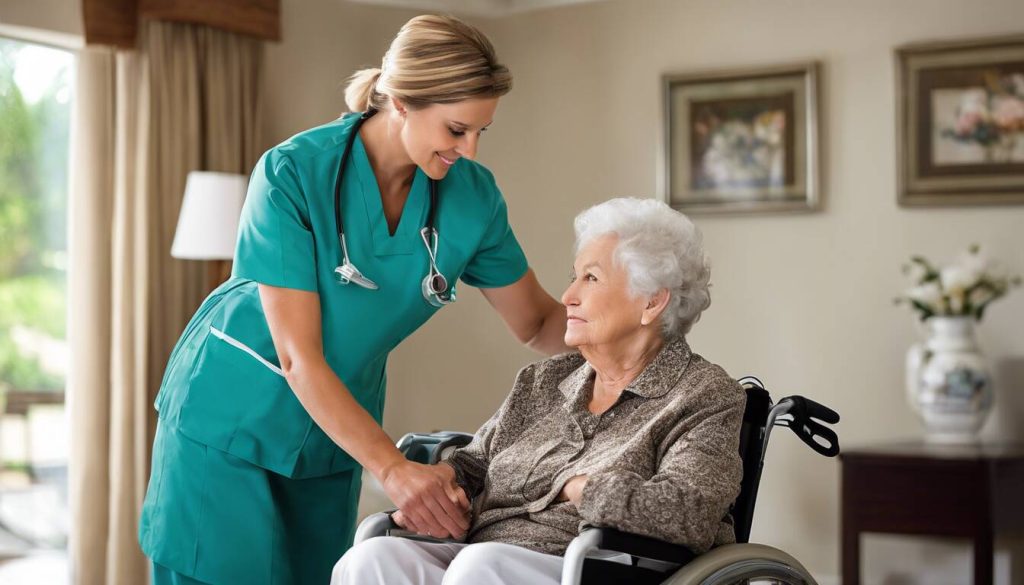
Home health nurses are essential in ensuring the safety and well-being of elderly patients. They take on various responsibilities, such as medication management, fall prevention, and infection control, to ensure the best care possible.
Proper Medication Management: A crucial duty of home health nurses is maintaining an up-to-date record of prescribed medications, administering them following doctor’s instructions, and monitoring for adverse reactions or interactions between drugs.
It’s not just about handing over pills; it’s about understanding the patient’s specific needs and ensuring they take the right medicines at the right time. Each patient is different, and their medication regimen should be tailored to their individual requirements.
For example, some patients may have difficulty swallowing pills or need assistance organizing their medications for daily intake. It’s imperative for home health nurses to create custom plans addressing these needs and ensuring patients have easy access to their required medications while minimizing the risk of accidental overdose or missed doses.
Fall Prevention Strategies
Fall prevention is another critical aspect of home health nursing. Elderly individuals often face an increased risk of falls due to muscle weakness, balance issues, and certain medical conditions. Home health nurses must assess the patient’s living space and implement strategies to reduce fall hazards.
This can involve simple modifications like installing grab bars in the bathroom or eliminating tripping hazards such as loose rugs. Additionally, nurses provide education on safe movement techniques and exercises to improve strength and balance, lowering the risk of accidental falls.
Moreover, nurses encourage patients to use assistive devices like walkers or canes and provide guidance on using them properly. By addressing these preventive measures, home health nurses actively contribute to maintaining a safe home environment for their elderly patients.
Moving forward, let’s explore how infection control practices are integrated into the overall care provided by home health nurses.
By focusing on proper medication management and fall prevention strategies, home health nurses fulfill a vital role in ensuring the safety and well-being of elderly patients in their care.
What does a home health nurse do?
A home health nurse provides in-home medical assistance and care for the elderly. They perform various tasks, including administering medication, monitoring vital signs, providing wound care, assisting with activities of daily living, and educating patients and their families on managing chronic conditions. According to a study conducted by Health Affairs, home health care reduces hospital readmissions and promotes better patient outcomes, making it a valuable service for elderly individuals in need of medical support at home.
What qualifications are required to become a home health nurse?
To become a home health nurse, typically a Bachelor’s degree in nursing or a related field is required. Additionally, acquiring a registered nurse (RN) license is essential. Having experience in geriatric care and familiarity with in-home medical assistance are also desirable qualifications. According to statistics from the Bureau of Labor Statistics, as of 2020, 60% of registered nurses held a Bachelor’s degree, emphasizing the importance of higher education in this field.
How does the role of a home health nurse differ from other types of nurses?
The role of a home health nurse differs from other types of nurses in that they provide medical assistance directly in patients’ homes instead of in a hospital or clinic setting. This unique setting allows them to develop more personal relationships with their patients and offer tailored care that meets the specific needs of elderly individuals. According to a study published in the Journal of Health Economics, home health care has been shown to reduce hospital readmissions by 25% and lower healthcare costs by 19%. As such, home health nurses play a crucial role in improving patient outcomes and reducing healthcare expenditure.
How can I find and hire a reliable home health nurse for my loved one?
To find and hire a reliable home health nurse for your loved one, start by researching reputable agencies in your area that specialize in elderly care. Look for agencies with good reviews and high client satisfaction ratings. It’s also important to check if the agency conducts thorough background checks and provides proper training to their nurses. According to a survey conducted by Home Care Pulse, an industry research firm, 80% of clients reported being satisfied with the reliability and professionalism of their home health nurses when hiring through a reputable agency.
What are the benefits of receiving care from a home health nurse?
The benefits of receiving care from a home health nurse are numerous. Firstly, it allows elderly individuals to remain in the comfort and familiarity of their own home while still receiving necessary medical assistance. This promotes a sense of independence and can have positive psychological effects. Additionally, having a home health nurse reduces the risk of hospital-acquired infections, leading to better overall health outcomes. According to a study published in the Journal of the American Medical Association (JAMA), home health care has been shown to reduce hospital readmissions by 25% and lower healthcare costs by 50%. Therefore, opting for home health nurse services ensures personalized, convenient, and cost-effective care for elderly individuals.