
Adult Gerontology Primary Care Nurse Practitioner: Roles, Responsibilities, Benefits, Salary, and Education
An Adult Gerontology Primary Care Nurse Practitioner is a skilled nursing professional. They hold a vital role in healthcare, extending from young adults to older individuals. To excel in this field, one typically completes advanced education consisting of a bachelor’s and further master’s or doctorate degree in nursing. This robust education equips them with the tools necessary for assessing health, diagnosing problems and managing patient care – it lays the path not just for prescribing medication but also promoting health. So, we’re about to dive into this world. Let’s start by looking at what these practitioners do.
An Adult Gerontology Primary Care Nurse Practitioner assesses, diagnoses, and plans for the health needs of adults from young adults to seniors. They work in various settings such as primary care offices, nursing homes, home health, hospice, and specialized clinics. Career prospects for Adult Gerontology Primary Care Nurse Practitioners include opportunities in primary care offices, long-term care facilities, specialty clinics (e.g., cardiology, oncology), and hospital-based clinics.
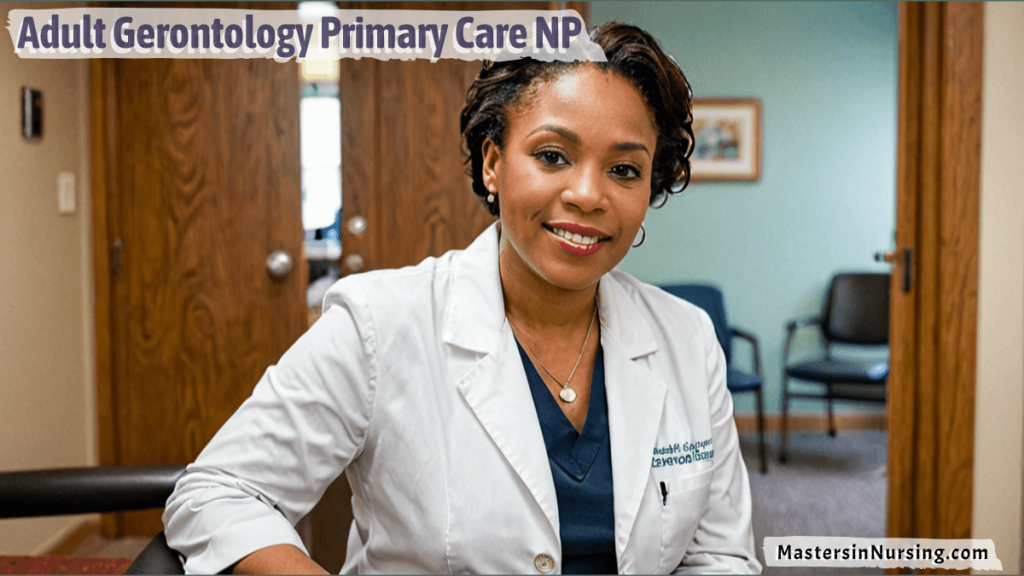
Educational Requirements for AGPCNPs
So, what does it take to become an AGPCNP? While the road to becoming an AGPCNP isn’t exactly a leisurely stroll, it’s a rewarding path. Let’s break down the educational requirements step by step.
First and foremost, aspiring AGPCNPs typically begin with a bachelor’s degree in nursing (BSN). This foundational education equips students with essential skills and knowledge in patient care, health promotion, and disease prevention, setting the stage for their future specialization in adult-gerontology primary care. During their BSN program, students gain hands-on experience in clinical settings, allowing them to apply their theoretical learning to real-world scenarios.
After completing their BSN program, individuals then proceed to pursue a master’s or doctorate degree in nursing, specializing in adult-gerontology primary care. This advanced phase of education delves deeply into areas such as health assessment, diagnostic techniques, and the management of both acute and chronic illnesses in adult patients. It is during this stage that future AGPCNPs gain the specialized knowledge and expertise required to handle the diverse healthcare needs of adult patients across different age ranges.
For instance, comprehensive coursework in an AGPCNP program covers topics such as cardiovascular health, endocrine disorders, respiratory diseases, and neurological conditions common in adult populations. This extensive academic preparation ensures that AGPCNPs are well-equipped to address a wide spectrum of health issues that their future patients may encounter.
Given the complexity of managing adult patients’ health needs across various life stages, the in-depth knowledge gained through this advanced education serves as a powerful foundation for their practice as AGPCNPs.
As we’ve seen, the educational journey toward becoming an AGPCNP is an enriching and rigorous process that lays the groundwork for providing high-quality healthcare to adult patients.
Now that we’ve explored the educational requirements of becoming an AGPCNP, it’s time to uncover the multifaceted roles these dedicated professionals play in the healthcare landscape.
Roles of an Adult Gerontology Primary Care Nurse Practitioner
As a knowledgeable and compassionate provider, an Adult-Gerontology Primary Care Nurse Practitioner (AGPCNP) plays a vital role within the healthcare system. Among their essential tasks is the crucial responsibility to conduct comprehensive health assessments to develop a deep understanding of a patient’s medical history, lifestyle, and present complaints. This involves more than just listening; it’s about understanding the unique factors influencing each patient’s health journey, from young adults grappling with transitions into adulthood to seniors dealing with age-related health challenges.
Diagnosing health problems is another significant aspect of an AGPCNP’s role. They use their extensive clinical knowledge and expertise to analyze symptoms, perform physical examinations, and interpret diagnostic tests to reach precise diagnoses. Their thoroughness and attention to detail are pivotal in ensuring accurate assessments and appropriate treatment plans. Additionally, managing patient care is a fundamental responsibility, encompassing everything from prescribing medications and treatments to providing vital patient education.
A critical focus of an AGPCNP is promoting health and preventing disease, along with effectively managing chronic conditions within their scope of practice. They often function as the primary care provider for many patients, allowing them to build lasting relationships rooted in trust and understanding. This enables them to take a proactive approach towards preventive care and health maintenance, identifying potential concerns before they transform into serious health issues.
To illustrate, imagine an AGPCNP working with an older adult who has been recently diagnosed with diabetes. Apart from devising a well-rounded treatment plan tailored to the individual’s needs, the AGPCNP also educates the patient on the importance of dietary modifications, regular exercise, and blood sugar monitoring. By empowering patients with such knowledge and resources, AGPCNPs significantly contribute to enhancing their quality of life and minimizing disease progression.
Some may argue that these responsibilities entail a hefty workload for AGPCNPs. However, every task they undertake contributes significantly to building healthier communities and fostering positive health outcomes for their patients. Their holistic approach towards patient care results in more informed decisions regarding treatment regimens and further empowers patients to take charge of their well-being.
Embracing such multifaceted roles allows AGPCNPs to make a meaningful impact on patient well-being by promoting wellness, preventing disease, effectively managing chronic conditions, and providing comprehensive healthcare services across diverse age groups.
Such diverse roles equip AGPCNPs with the ability to positively influence patient well-being across different age groups, setting the stage for an exploration of the varied career trajectories and opportunities available in this specialized field.
Scope of Practice and Career Growth in AGPCNP

As an Adult Gerontology Primary Care Nurse Practitioner (AGPCNP), the scope of practice spans various healthcare settings, from long-term care facilities to specialty clinics, reflecting a diverse range of responsibilities and opportunities for career advancement. The primary role involves comprehensive patient care covering adult patients from young adults to seniors, with particular emphasis on health promotion, disease prevention, and managing chronic illnesses.
In addition to diagnosing and treating acute and chronic conditions, AGPCNPs play a pivotal role in patient advocacy, educating patients on preventive measures, guiding them through complex treatment options, and coordinating overall care delivery. This multifaceted scope provides a solid foundation for AGPCNPs to assume different roles within the healthcare system.
Career growth: With approximately 6.5 years of experience, AGPCNPs may navigate their career trajectory into leadership positions or administrative roles within healthcare organizations. Furthermore, they can branch out into specialized areas such as geriatrics, oncology, cardiology, and other high-demand specialties. By acquiring expertise and honing their skills over time, AGPCNPs elevate themselves to influential positions where they can drive significant impact in patient care delivery.
Diverse settings: The allure of the AGPCNP role lies in the ability to work in various practice settings such as hospital-based clinics, private practices, house call practices, hospice care, and specialty clinics catering to specific medical disciplines like rheumatology or pulmonology. This transcends the traditional notion of a clinical setting and offers flexibility for professionals to explore versatile environments aligned with their interests and professional goals.
It’s worth noting that the commitment to excellence in delivering patient care goes hand in hand with ongoing professional development. Continuous learning, advanced certifications, and staying abreast with evolving healthcare practices are integral components that contribute to expanded career horizons in the field of AGPCNP.
The opportunities for AGPCNPs are vast—spanning from influencing direct patient care in diverse settings to assuming specialized roles and shaping organizational policies. These pathways pave the way for a rich and fulfilling career journey that continually amplifies the impact of AGPCNPs in delivering high-quality patient care.
Spanning from influencing direct patient care in diverse settings to assuming specialized roles and shaping organizational policies offers a rich and fulfilling career journey for AGPCNPs. Now let’s explore the typical working environments where AGPCNPs thrive.
Typical Working Environments for AGPCNPs
Adult-Gerontology Primary Care Nurse Practitioners, or AGPCNPs, have an exceptional chance to work in diverse and non-traditional healthcare settings. Whether it’s providing care in the comfort of a patient’s home through house call practices, or working in specialized fields like rheumatology or cardiology, their impact spans across multiple domains.
One of the most remarkable aspects of being an AGPCNP is the variety of places you can choose to work. This diversity offers a range of experiences that can truly enrich your career.
Imagine visiting a college health center where you get to interact with young adults, guiding and supporting them as they navigate their health journey. This role not only provides you with an opportunity to offer impactful care, but also allows you to engage and educate patients during a significant phase of their lives.
On the other hand, specializing in holistic care within palliative and hospice care facilities allows AGPCNPs to support patients and their families during emotionally challenging times. These roles require a unique blend of empathy, resilience, and clinical expertise.
AGPCNPs working in these settings are often instrumental in ensuring that patients experience comfort and dignity as they navigate the final stages of life. This level of impact creates deeply rewarding professional experiences for many AGPCNPs.
Given their extensive understanding of adult health needs and their ability to deliver comprehensive care, AGPCNPs are also highly sought after in specialty clinics such as rheumatology and cardiology. Here, they become vital members of multidisciplinary teams, making critical contributions to complex patient care.
If you’re considering a career as an AGPCNP or are already one, exploring different settings can provide valuable insights and professional growth opportunities that may not be available in traditional healthcare environments.
In this vastly dynamic role, our next stop is an exploration into the compelling salary packages and enviable benefits that come with being an AGPCNP.
Salary and Benefits of Being an AGPCNP
So, let’s talk about money because finding a well-paying job is important for many people. The good news is that being an Adult Gerontology Primary Care Nurse Practitioner (AGPCNP) can be financially rewarding. On average, AGPCNPs earn a total median income of around $112,000 per year. By choosing this profession, you have the potential to enjoy competitive compensation that reflects your dedication and hard work.
More than just the base salary, the benefits package offered to AGPCNPs can make a significant difference. It typically includes healthcare coverage, retirement plans, paid time off, and support for professional development. These are not just perks; they contribute to a well-rounded compensation package that takes care of your present needs and secures your future.
- Healthcare Coverage: In the fast-paced world of healthcare, comprehensive healthcare coverage provides peace of mind. It ensures that AGPCNPs have access to medical services when needed, reducing out-of-pocket expenses and enhancing overall well-being.
- Retirement Plans: Planning for the future is crucial, especially in a demanding profession like nursing. Retirement plans such as 401(k) or pension plans help AGPCNPs secure their financial future, offering long-term stability and peace of mind.
- Paid Time Off: Balancing work and personal life is essential for maintaining overall well-being. Paid time off allows AGPCNPs to rest and recharge, ultimately contributing to better performance at work.
- Professional Development Support: Continual learning is vital in a field as dynamic as healthcare. Professional development support enables AGPCNPs to stay current with best practices and advancements in the field, ensuring that they can deliver the highest quality care to their patients.
For instance, imagine Francine, an AGPCNP who recently completed her Master’s degree in Nursing and started her career at a bustling primary care clinic. With her salary and benefits package, she has access to healthcare coverage for herself and her family, contributing to her peace of mind. Additionally, she has started contributing a portion of her income to her retirement plan, viewing it as an investment in her future.
It’s clear that the financial rewards and benefits associated with being an AGPCNP go beyond just the paycheck. They encompass a holistic approach to employee well-being, ensuring that AGPCNPs are supported in their professional endeavors while maintaining a healthy work-life balance.
By considering both salary and benefits when assessing the attractiveness of a profession, individuals can make informed career decisions that align with their personal and professional goals.
Moving on from understanding the rewarding financial aspects of being an Adult Gerontology Primary Care Nurse Practitioner, let’s turn our attention to the diverse job opportunities available in this field.
Job Opportunities and Areas of Specialty
As an Adult-Gerontology Primary Care Nurse Practitioner (AGPCNP), you have a wealth of career paths to explore. The demand for AGPCNPs is strong, and there are diverse opportunities across various healthcare settings. One option involves specializing in a particular area of healthcare, allowing you to focus on a specific patient population or medical area. This specialization can be immensely rewarding, as you gain expertise in a particular field and make a profound impact in the lives of patients within that specialized domain.
For example, specializing in geriatrics can lead to a fulfilling career tending to the unique healthcare needs of the elderly. This could involve managing chronic conditions commonly found in older adults, coordinating with multidisciplinary teams, and providing patient education on age-related health concerns. Another area where AGPCNPs can specialize is oncology. Working in this field allows you to assist cancer patients through various stages of their illness, providing vital support and guidance as they navigate their treatment plans.
Additionally, hematology and cardiology are also areas where AGPCNPs can specialize, which may involve caring for patients with blood disorders or cardiovascular conditions. Regardless of the area of specialty, these roles often offer deeper patient interactions and the opportunity to enact positive changes within specific patient populations.
Career Settings
When it comes to job opportunities, AGPCNPs can find positions in various healthcare settings. These settings include but are not limited to:
- Hospital outpatient clinics
- Inpatient units
- Private group practices
- Specialty clinics
For instance, working in an inpatient unit might bring different challenges and rewards compared to a role in a private group practice. The dynamic nature of healthcare offers AGPCNPs the flexibility to transition between these diverse environments throughout their careers. In an outpatient clinic, AGPCNPs could focus on preventive care and managing chronic conditions within the community, while those working in specialty clinics might gain expertise in a specific healthcare area such as diabetes management or women’s health.
Each setting offers its own unique atmosphere and pace, allowing AGPCNPs to tailor their careers according to their interests and professional aspirations.
By specializing in a particular healthcare area and choosing from a range of career settings, AGPCNPs are empowered to build fulfilling, impactful careers that align with their passions and ambitions.
Professional Development in AGPCNP Field
In any healthcare profession, staying up to date with the latest advancements and best practices is essential. As an Adult-Gerontology Primary Care Nurse Practitioner (AGPCNP), you can regularly engage in continuous professional development to enhance your skills and knowledge base, ultimately benefiting both yourself and the patients under your care. The American Association of Nurse Practitioners (AANP) plays a pivotal role in providing resources to facilitate this ongoing development.
One key benefit offered by the AANP is access to *certification discounts, encouraging Nurse Practitioners to pursue advanced certifications that not only improve their expertise but also open up new career opportunities. By obtaining additional certifications, AGPCNPs can expand their areas of practice, helping them better meet the diverse needs of their patients.
Additionally, the AANP offers a wide array of continuing education activities through the AANP CE Center. These activities cover various pertinent topics in primary care, geriatrics, and other specialized areas, enabling AGPCNPs to stay informed about the latest treatment modalities, pharmacological advancements, and diagnostic approaches. As medical knowledge continues to evolve rapidly, these activities are vital for ensuring that AGPCNPs provide the highest quality care to their patients.
Moreover, the AANP provides a platform for job opportunities specifically tailored for AGPCNPs through the AANP JobCenter. This resource connects qualified professionals with a wide range of employment options, helping AGPCNPs find positions that align with their areas of expertise and personal career goals. Furthermore, it fosters networking and collaboration within the AGPCNP community, allowing professionals to share insights and experiences within their field.
An investment in continuous development benefits individual practitioners and has a positive impact on patient outcomes. By staying current with best practices and emerging research findings, AGPCNPs can ensure they deliver optimal care that meets the evolving needs of their patient population.
By taking advantage of these resources provided by AANP, AGPCNPs can significantly advance their careers while contributing to healthcare standards in primary care and gerontology.
Continuous professional development is not just about personal growth but also about enhancing patient care. The resources provided by organizations like AANP are invaluable for the progress of healthcare practitioners and the welfare of the patients they serve.