
Primary Care Nursing: Comprehensive Healthcare Services Provided by Nurses
Primary care nursing is all about being the first line of medical help for patients. Nurses in this specialty work in many places like hospitals and clinics, but also out in the community at health centers. They give key health services such as check-ups, tests for illnesses like cancer, and shots to prevent sicknesses. These important tasks are part of a larger effort to keep communities healthy by stopping diseases before they start. Now, let’s dive deeper into their duties.
Primary care nurses play a crucial role in conducting physical exams, assessing patient health status, managing chronic conditions, administering medications, providing counseling and education, coordinating care with other healthcare providers, and promoting overall wellness. These professionals are essential for facilitating preventive care and addressing minor illnesses and injuries within the primary care setting.
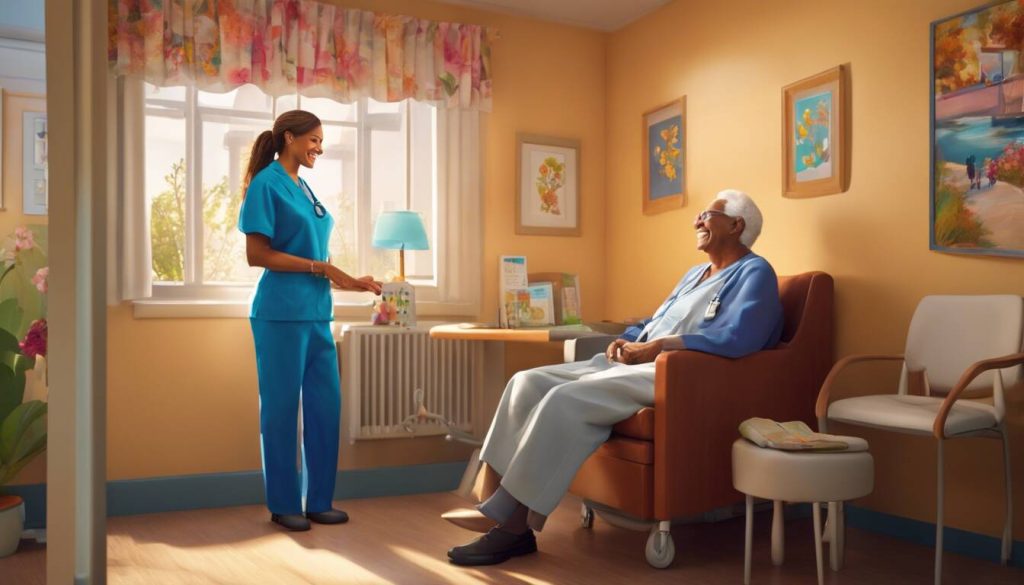
Role of the Primary Care Nurse
Primary care nurses are the first point of contact for patients seeking essential medical attention, making them an indispensable part of the healthcare system. They work in a variety of settings, such as hospitals, clinics, and community health centers, providing comprehensive healthcare services to individuals within their communities. Their impact extends far beyond merely treating patients – they are the frontline for promoting wellness, preventing diseases, and offering early detection services that can potentially save lives.
One of the most crucial responsibilities of primary care nurses is to conduct routine physical exams for their patients. These examinations are not just about checking for visible signs of illness; they involve a meticulous assessment of the patient’s current health status, identification of potential risk factors, and discussions about preventive measures to maintain overall wellness. By engaging in these regular check-ups, primary care nurses lay the foundation for detecting health issues early on, leading to better outcomes for their patients.
Moreover, primary care nurses shoulder the responsibility of managing chronic conditions in their patients. This involves developing personalized care plans, monitoring symptoms, and coordinating treatment regimens with other healthcare professionals. Their deep understanding of their patients’ medical history equips them to provide continuity of care and develop close relationships based on trust and mutual respect.
In addition to managing existing conditions, primary care nurses actively engage in disease prevention activities within the community. They administer preventive immunizations to protect individuals from serious illnesses and conduct thorough screenings for diseases such as cancer. By providing these crucial preventive services, they contribute significantly to reducing the burden of preventable diseases and fostering a healthier population.
An often overlooked but equally important role of primary care nurses is their dedication to patient education and counseling. Through clear communication and compassionate support, they empower patients with vital information about healthy living practices and disease management strategies. This proactive approach not only benefits individual patients but also creates a ripple effect in the community by promoting a culture of health and well-being.
The multifaceted role of a primary care nurse extends far beyond traditional medical care. It embodies a holistic approach that emphasizes both proactive healthcare strategies and compassionate patient engagement, thereby ensuring that individuals receive comprehensive support for their physical and emotional well-being.
With an expansive repertoire of responsibilities and a commitment to holistic healthcare, primary care nurses play a critical role in delivering comprehensive medical services. Now, let’s explore the essential duties and responsibilities that define this foundational position in the healthcare landscape.
Essential Responsibilities and Duties
Primary care nurses are the conductors in an orchestra, orchestrating a symphony of healthcare services crucial to promoting overall well-being. From conducting comprehensive physical exams to educating patients about chronic conditions, they play a pivotal role in keeping communities healthy.
Conducting Comprehensive Physical Exams
One of the primary care nurse’s most fundamental responsibilities is conducting thorough physical exams. It’s not just about making sure everything seems fine at first glance; it’s an in-depth investigation into a patient’s health status. They look for signs of potential health risks or underlying conditions that might need further investigation. This careful examination sets the stage for providing tailored care plans, ensuring no health concern goes unnoticed.
Imagine the human body as a complex, interconnected system where every part plays a crucial role. Just as an architect reviews every detail in the blueprint before constructing a building, the primary care nurse leaves no stone unturned when performing a physical exam. They assess everything from head to toe, checking vital signs, reflexes, vision, hearing, and more. This meticulous process helps identify not only existing health issues but also potential risks that could develop into problems without proper intervention.
Managing Chronic Medical Conditions
Chronic conditions like diabetes, hypertension, and asthma require ongoing attention and management. Primary care nurses take the lead in ensuring that patients receive the support they need to effectively manage these conditions. This involves closely monitoring patients’ health status, helping them understand their conditions, and ensuring they adhere to prescribed treatments. By acting as a constant source of guidance, primary care nurses empower patients to navigate the complexities of long-term conditions with confidence.
Over time, patients develop a strong bond with their primary care nurse as they journey through the challenges of chronic conditions together. This bond goes far beyond professional duty; it evolves into a partnership grounded in understanding and empathy. The primary care nurse becomes an unwavering ally, providing continuous support and resources tailored to each patient’s unique needs.
Administering Medications and Providing Instructions
Administering medications is a critical task that demands precision and clear communication. Primary care nurses ensure that patients not only receive their medications but also understand how to manage them effectively. They provide detailed instructions on dosage, frequency, and possible side effects, enabling patients to take control of their treatment plan with confidence.
Just as an expert guide provides navigational assistance during a challenging hike, the primary care nurse equips patients with the knowledge needed to navigate their medication regimens safely. They break down complex medical jargon into straightforward guidance that empowers patients to manage their treatment independently while knowing that support is always within reach.
Counseling and Educating Patients
Patient counseling and education form the cornerstone of primary care nursing. Empowering patients with knowledge about lifestyle modifications, diet and exercise, disease prevention strategies, and self-care techniques equips them with the tools needed to make informed decisions about their health.
The primary care nurse doesn’t just impart generic advice; they tailor their guidance to each patient’s unique circumstances and preferences. Through empathetic conversations and personalized education sessions, they nurture a sense of ownership within patients towards their health. This collaborative approach fosters a supportive environment where patients feel empowered to embrace positive changes that enhance their overall wellness.
Now that we’ve examined the core responsibilities of primary care nursing thoroughly, it’s evident that their multidimensional expertise forms an invaluable aspect of comprehensive healthcare services.
Preventive Care Services

Preventive care is like a superhero’s invisible shield, protecting your health before any signs of trouble appear. Primary care nurses are like frontline defenders, equipped with an array of services aimed at preventing illness and promoting wellness in the communities they serve. Their pivotal role in providing preventive care goes beyond just administering vaccinations and conducting health screenings; it encompasses the holistic approach of promoting healthier lifestyles for individuals and families.
Immunizations and Vaccinations
Vaccinations provide invaluable protection against potentially serious diseases. Primary care nurses are instrumental in administering vaccines to both children and adults, ensuring that individuals receive essential immunizations to safeguard their health. By organizing vaccination drives and educating communities about the importance of immunizations, nurses contribute significantly to the prevention of contagious diseases and the overall wellbeing of society.
Health Screenings and Risk Assessments
Health screenings allow primary care nurses to identify potential health risks early on, empowering them to educate patients about proactive measures for disease prevention. From checking blood pressure levels to conducting diabetes screenings, these assessments offer valuable insights that guide patients toward appropriate lifestyle modifications and early interventions, helping to reduce the incidence of chronic conditions.
Counseling and Education
Beyond physical health assessments, primary care nurses provide counseling on lifestyle choices that impact overall wellness. Whether it’s offering guidance on nutrition, physical activity, stress management, or smoking cessation, these supportive conversations play a vital role in shaping individuals’ behaviors and attitudes towards health. By imparting knowledge and practical advice, nurses empower individuals to make informed decisions for their well-being.
Collaboration and Community Outreach
In addition to individual patient interactions, primary care nurses engage in community outreach initiatives to promote preventive care on a larger scale. This involves organizing awareness campaigns, leading educational workshops, and collaborating with local organizations to foster a culture of prevention within neighborhoods and schools. Such proactive involvement further amplifies the impact of preventive care efforts across diverse demographics.
The multifaceted approach of primary care nurses in delivering preventative care services not only mitigates the onset of illnesses but also cultivates a proactive mindset towards health among individuals and communities. Their comprehensive contributions extend far beyond clinical settings, fostering lasting impacts on public health awareness and disease prevention initiatives.
As we’ve explored the critical role of primary care nursing in preventive healthcare, let’s now turn our attention to how these dedicated professionals interact with other healthcare providers to ensure seamless patient care.
Interaction with Other Healthcare Professionals
Primary care nurses are like conductors in an orchestra, ensuring all the instruments play in harmony for the benefit of the audience. They work alongside a diverse set of healthcare professionals to orchestrate holistic care for patients. This multidisciplinary team may include physicians, specialists, pharmacists, social workers, physical therapists, and more.
A significant part of a primary care nurse’s role involves sharing and receiving information from other healthcare professionals, acting as a liaison between the patient and the various experts involved in their care. This flow of information is critical for creating comprehensive healthcare plans that take into account not just physical health but also mental and emotional well-being.
For instance, they may communicate patient progress or concerns with a physical therapist to ensure coordinated rehabilitation efforts. This constant thread of communication weaves a tapestry of care that covers all aspects of patient health and wellness.
While daily collaboration with physicians forms the backbone of a primary care nurse’s routine, they also engage regularly with specialists for referrals and consultations. According to recent surveys conducted by the National Association of Nurse Practitioners, over 90% of primary care nurses collaborate with physicians on a daily basis, showcasing the integral nature of this partnership.
The interplay between primary care nurses and specialists is a crucial aspect that ensures patients receive timely and targeted interventions for any health concerns that fall out of the primary care scope.
Furthermore, this constant interaction with a variety of healthcare professionals reinforces the primary care nurse’s expansive knowledge base, allowing them to make well-informed decisions concerning patient management.
The frequency and depth of these professional interactions serve as a testament to the pivotal role played by primary care nurses in fostering collaborative healthcare environments.
This intricate web of professional collaborations intensifies the significance of primary care nursing in shaping comprehensive healthcare experiences for patients.
Patient and Nurse Relationship
In primary care nursing, the relationship between a nurse and their patient transcends professional duty; it is built on trust, empathy, and a deep understanding of the patient’s needs. Every time a patient walks through the door, they don’t just need medical attention—they need care and understanding. That’s where the importance of fostering a strong patient-nurse relationship comes into play.
Communication is at the heart of building this relationship. Active listening is about really tuning in to what your patient has to say. Maintaining eye contact, nodding to show interest, and responding sympathetically to their concerns are essential for patients to feel heard and understood by their nurse. Building rapport translates into more than just exchanging words; empathizing with a patient’s emotions and presenting respect for their autonomy are crucial aspects of effective communication.
Imagine you have a patient who is struggling to manage a chronic illness. By actively listening and offering empathetic support, you can form a solid foundation that allows them to trust you as their caregiver. This trust paves the way for more open communication and willingness to follow treatment plans, leading to better health outcomes.
Trust forms the cornerstone of the patient-nurse relationship. When patients feel confident in their nurse’s expertise and compassionate care, they are more likely to cooperate with the treatment plan, adhere to medication schedules, and share vital information about their health without reservations.
Empathy holds great significance in nurturing this bond. Putting yourself in the shoes of a patient who visits the clinic feeling anxious or worried about their health and offering genuine empathy goes a long way in alleviating their concerns and apprehensions.
For instance, actively acknowledging a patient’s fears or struggles can transform the atmosphere of anxiety into one of comfort and support, which can aid in building trust and fostering a positive connection.
Establishing a strong patient-nurse relationship isn’t just about following protocols; it’s about creating an environment where patients feel valued, heard, and cared for on a human level.
As we delve deeper into ethical considerations within primary care nursing, it becomes clear that upholding these values extends beyond individual relationships to encompass broader principles that guide professional conduct.
Ethical Guidelines in Primary Care Nursing
Ethical guidelines form the foundation of any profession. In primary care nursing, these guidelines are pivotal in ensuring that patients receive exemplary care while upholding their dignity, privacy, and rights. Adhering to ethical principles and professional standards is fundamental in this field, where nurses not only provide medical assistance but also serve as advocates for their patients, embodying responsibility for ethical decision-making and actions.
One of the most critical ethical considerations in nursing is patient confidentiality. Respecting and protecting a patient’s private information is paramount and builds trust between the patient and nurse. This trust is essential in establishing a strong, transparent relationship between the patient and their caregiver, ultimately contributing to better health outcomes.
Similarly, understanding and respecting cultural and individual differences is an integral part of ethical nursing practice. Primary care nurses must be culturally competent, recognizing the unique beliefs, values, and practices of each patient. By doing so, they can provide more personalized, effective care that respects the individuality of each patient. Advocating for patients’ rights, such as informed consent and autonomy, ensures that patients actively participate in decisions about their healthcare, empowering them to make choices aligned with their best interests.
Consider this scenario: A primary care nurse encounters a patient from a different cultural background who prefers alternative medicine remedies. Embracing cultural competence, the nurse respectfully explores the patient’s perspectives on health and integrates traditional practices into their care plan, addressing both the patient’s medical needs and cultural values.
It’s important to note that ethical guidelines are not just theoretical concepts but practical frameworks that guide nurses through complex care situations.
Incorporating these ethical considerations into daily practice ensures that primary care nurses effectively engage with patients while upholding professional integrity and respecting diverse healthcare perspectives.
Continuous Education and Skill Improvement in Primary Care Nursing
The field of healthcare is continually evolving with new treatment methods, technological advancements, and research findings. For nurses in primary care, staying up-to-date with these developments isn’t just helpful – it’s essential. It’s like keeping their “medical toolbox” well-equipped.
Consider a nurse who hasn’t kept up with the latest methods for effectively managing chronic illnesses. They might miss out on educating their patients about crucial self-care techniques or fail to recognize significant changes in their conditions.
This is why continuous education and skill enhancement are fundamental aspects of nursing practice, especially in primary care.
Nurses participate in ongoing educational programs, workshops, and certifications to stay abreast of the latest advancements in medical treatments, technologies, and evidence-based practices. This means attending seminars to learn about updates in medications or participating in workshops focusing on patient communication skills.
By staying informed and well-trained, nurses can provide better care, understand their patients’ needs more thoroughly, and adapt to best practices.
Example
For instance, a primary care nurse may pursue additional training in diabetes management to better assist patients with this condition. This specialized knowledge allows them to offer personalized support and guidance, ultimately improving patient outcomes.
Moreover, continuous education isn’t just about technical skills; it also encompasses broader concepts such as cultural competence and ethical decision-making. This is particularly important due to the diverse patient population primary care nurses encounter. They must be prepared to understand and respect the wide range of values and beliefs held by the individuals they serve.
In summary, staying current with medical advancements through continuous learning enables primary care nurses to deliver high-quality care that aligns with the evolving landscape of healthcare. Their commitment to ongoing education reflects a dedication to providing the best possible outcomes for their patients.