
Palliative and End-of-Care Nursing: Providing Comfort and Support for Patients and Families
Palliative and end-of-care nursing works to aid those who are seriously sick. It’s a type of care that is all about improving the life of a patient with a major illness. Not only does it manage physical pain, but also provides emotional backing, aligning the care delivery to accommodate the family’s wish. It isn’t just about care during an illness, but also providing support when one’s life is nearing the end, promising a sense of comfort and self-worth even in hard times. It’s like being walked home on a dark and stormy night by someone holding a steady lamp guiding your way.
Palliative and end-of-care nursing involves providing compassionate care to patients with serious illnesses, managing their symptoms, offering emotional support to patients and their families, and facilitating open communication about goals of care. Additionally, nurses in this specialty often assist with pain management and help guide patients and families through difficult end-of-life decisions.

The Scope of Palliative and End-of-Care Nursing
Palliative and end-of-care nursing is not solely focused on providing comfort to patients with terminal illness; it encompasses a wide range of responsibilities aimed at supporting patients and their families holistically. It’s about ensuring that every aspect of the patient’s well-being—physical, emotional, and spiritual—is addressed with diligence and care.
From managing physical symptoms such as pain, nausea, and fatigue to addressing the psychological and emotional impact of illness, palliative and end-of-care nurses play a key role in promoting the overall quality of life for their patients. They are not just healthcare providers; they are compassionate advocates who work tirelessly to ensure that the patient’s wishes are honored while also offering much-needed support to family members during this challenging time. This intricate, multifaceted approach often involves collaborating with an interdisciplinary team—including physicians, social workers, spiritual counselors, and other healthcare professionals—to develop a comprehensive care plan tailored to each patient’s unique needs.
One integral aspect of the role of palliative and end-of-care nursing is cultivating an environment of dignity and respect for patients approaching the end of life. This includes addressing the psychological, spiritual, and cultural needs of each individual to ensure that they are treated with compassion and understanding. Beyond medical treatment, these nurses provide companionship and emotional support to patients while actively involving them in decision-making regarding their care.
For example, a skilled palliative nurse may engage in meaningful conversations with a patient to identify their wishes regarding their care. By facilitating open, honest discussions about their values, goals, and fears, the nurse can help the patient articulate their desires for their end-of-life journey, which in turn guides the development of a comprehensive care plan.
The holistic nature of palliative and end-of-care nursing ensures that every facet of a patient’s well-being is carefully attended to. From physical symptom management to upholding the patient’s dignity and respect, the scope of this vital practice extends far beyond traditional medical care.
As we have seen, palliative and end-of-care nursing encompasses a broad and comprehensive range of duties dedicated to providing comfort and support for patients and their families. Now let’s delve into the specific services that are integral to palliative nursing.
Services in Palliative Nursing
Palliative and end-of-care nursing are dedicated to providing comfort and support for patients and their families. This includes a range of crucial services designed to address the impact of serious illness on physical, emotional, and psychological well-being.
Pain Management
One of the central pillars of palliative nursing is proficient pain management. Nurses are committed to ensuring that patients experience relief from pain as much as possible. This involves the administration of carefully calibrated medications in combination with various non-pharmacological techniques, such as massage therapy or heat application. By working closely with patients to understand their unique experiences of pain, nurses can tailor interventions to alleviate discomfort and improve their overall well-being. The goal is not only to manage physical pain but also to minimize its interference with daily life, allowing patients to engage more fully in activities that bring them joy and fulfillment.
Symptom Control
In addition to managing pain, palliative care nurses play a pivotal role in alleviating a variety of distressing symptoms experienced by patients. This includes addressing issues such as nausea, shortness of breath, and fatigue. By employing a range of evidence-based strategies, such as medication adjustments and personal care techniques, nurses empower individuals to overcome these challenging symptoms. Through close observation and ongoing communication with patients, nurses provide tailored interventions to enhance comfort levels and reduce distress. This approach allows patients to maintain a higher quality of life and experience greater dignity during their treatment journey.
End-of-Life Decision Making
An integral component of palliative nursing involves guiding patients and their families through the complex process of making end-of-life decisions. These discussions are sensitive, nuanced, and deeply empathetic. Nurses strive to foster an environment where individuals feel supported in expressing their values and preferences regarding their care. The focus is on respecting autonomy and ensuring that patients’ wishes are at the forefront of all decision-making processes. By engaging in these conversations, nurses help families navigate difficult choices and provide the assurance that their loved ones’ desires will be upheld with dignity and compassion.
Providing these essential services forms an indispensable part of the holistic care approach in palliative nursing. It exemplifies the profound commitment of nurses to enhancing the well-being and dignity of every individual under their care.
As we navigate the intricate landscape of patient care, it’s crucial to delve into the nuances of managing pain and alleviating symptoms effectively for individuals facing critical illness.
Managing Pain and Symptoms
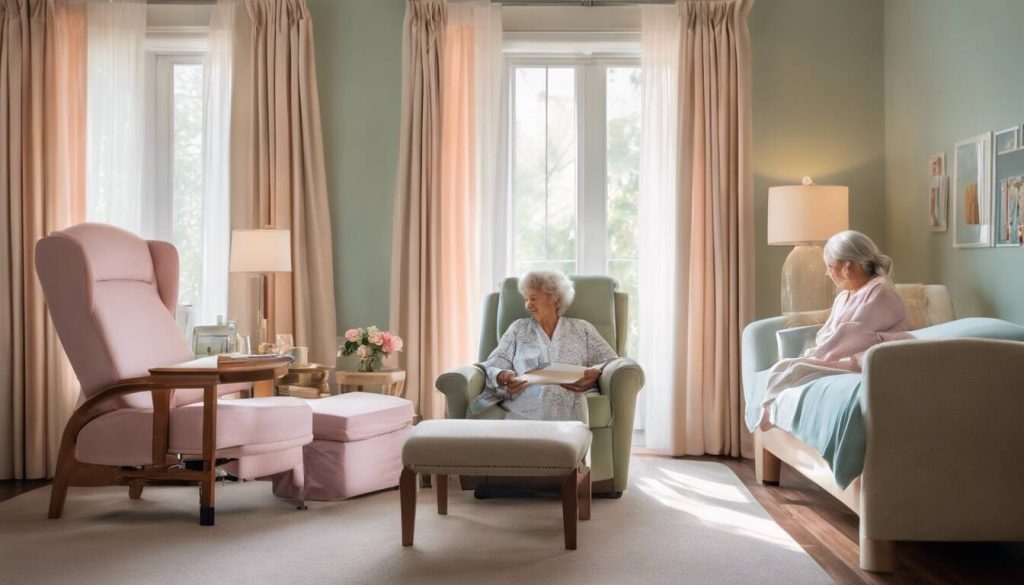
When it comes to palliative and end-of-life care nursing, managing pain and symptoms is an essential part of providing comfort to patients. As a nurse, you play a critical role in assessing, evaluating, and addressing the needs of your patients to ensure they experience optimal relief from distressing symptoms, allowing them to maintain the highest possible quality of life.
Pain Assessment: One of the primary responsibilities of a palliative care nurse is to evaluate the intensity and nature of a patient’s pain. By utilizing standardized pain assessment tools, nurses gain crucial insights into the type and severity of the patient’s discomfort. This enables the development of personalized pain management plans tailored to individual needs. Utilizing these tools allows nurses to gather objective data on pain and better communicate with other healthcare professionals involved in the patient’s care, ensuring a holistic approach to pain management. Moreover, frequent assessments help in tracking changes in pain over time which can guide adjustments in pain management strategies to ensure continued effectiveness.
Symptom Monitoring
In addition to managing pain, continuous monitoring of symptoms is vital for palliative care nursing. As symptoms can fluctuate rapidly in patients with serious illnesses, it’s imperative for nurses to maintain vigilant oversight. By closely monitoring symptoms, palliative care nurses can identify subtle changes that may signify an escalation in a patient’s condition. This proactive approach enables timely interventions and adjustments which contribute to maintaining the patient’s comfort and overall well-being. Furthermore, this continuous observation also helps in evaluating the efficacy of ongoing treatment plans and identifying any adverse effects promptly.
After exploring the meticulous methods employed by palliative care nurses for pain assessment and symptom monitoring, it’s clear that their expertise goes far beyond traditional nursing care. Their dedication enhances the lives of both patients and families during challenging times.
Integrating Emotional and Mental Support
A patient’s diagnosis isn’t just a physical burden; it also carries immense emotional weight. In palliative care nursing, it’s essential to provide more than just physical comfort. You need to be a listening ear, guiding light, and beacon of hope for both the patients and their families.
Counseling and Emotional Guidance: Beyond medical treatment, your role extends to providing counseling and empathetic guidance. Visualize yourself as a lighthouse, guiding them through the stormy seas of emotions and uncertainty. Engage in active listening, sincere conversations, and embrace their feelings. By providing emotional support, you’re giving them the valuable gift of empathy and understanding that can bring solace amidst their distress.
Families often feel overwhelmed with grief, fear, anger, guilt, and anxiety about what lies ahead. Your role here is to help alleviate these emotional burdens while fostering an environment of understanding and compassion.
Mental Health Assessment: In the midst of serious illness and end-of-life care, mental health needs such as anxiety and depression become more prevalent. Your careful observation and assessment are essential in identifying these needs early on. As you assess your patients’ mental well-being, be attuned to subtle changes in mood or behavior that could indicate underlying emotional distress.
For instance, a patient who has been diagnosed with a terminal illness may experience profound anxiety about their future or significant depression due to impending loss. By addressing these emotions proactively, you can help them navigate their fears and uncertainties with greater resilience.
Communication Skills – A Vital Tool: In order to effectively address these concerns, honing your communication skills becomes paramount. The ability to delicately discuss sensitive topics allows patients and families to express their deepest concerns openly. Actively engaging with them during these emotionally charged conversations can have a transformative impact on their mental well-being.
This all-encompassing nursing care equips you to not only manage physical symptoms but also attend to the intricate emotional landscape your patients navigate during this challenging journey.
Navigating the emotional landscape in end-of-life care requires deep empathy and adept handling of complex situations. Now, let’s move on to explore the critical role of family support and counseling in improving the overall quality of care.
Family Support and Counselling
Providing comfort to patients and their families is about addressing not only physical care but also their emotional needs, ensuring they feel supported throughout the journey.
When it comes to family support in palliative care, nurses play a significant role in facilitating open and honest communication among family members. It’s paramount for family members to express themselves and feel heard during such emotionally challenging times. Nurses create a safe space that encourages discussion while providing empathetic guidance. Effective communication ensures that concerns are addressed, decisions are made collectively, and mutual understanding prevails. Families often find solace in knowing that they’re not alone in their journey, as the nurse tactfully navigates difficult conversations with sensitivity and compassion.
Furthermore, bereavement support is fundamental in preparing families for the loss of a loved one and guiding them through the grieving process after the patient passes away. Nurses offer emotional reassurance, resources on coping strategies, and continually monitor the well-being of family members post-loss. This ongoing support extends beyond the patient’s passing and emphasizes the nurse’s commitment to providing holistic care.
The Impact of Counseling Services
Counseling services offered to families carry immense significance, often yielding positive outcomes. According to research, a high percentage of families reported improved coping skills after receiving counseling, with an average reduction in anxiety levels among family members after counseling sessions being quite substantial. Additionally, families often reported feeling more prepared for end-of-life decisions after engaging in counseling services and expressed high satisfaction with their experiences. These statistics underscore the critical impact of counseling services on the emotional well-being of families during challenging times.
For instance, counseling sessions provide a safe environment for family members to express their emotions openly without judgment. Here they can receive comfort, guidance, validation for their feelings, and specialized support tailored to their unique needs. This supportive environment enables families to navigate complex emotions as they prepare for an imminent loss or mourn the passing of a loved one.
Through compassionate counseling and unwavering support, nurses play an essential role in nurturing and uplifting families during these trying experiences, ensuring they feel embraced and understood throughout the palliative care journey.
As palliative care draws strength from teamwork, let’s now explore how collaborative efforts among healthcare professionals lead to improved patient outcomes.
Benefits of Collaborative Teamwork
Palliative and end-of-life care involve a complex array of medical, emotional, and spiritual challenges for patients and their families. In this multidisciplinary approach, nurses work closely with physicians, social workers, chaplains, and a diverse range of healthcare professionals to provide holistic care that caters to every aspect of patient well-being.
This collaboration establishes a comprehensive care plan tailored to each patient’s unique needs—addressing medical, emotional, and spiritual requirements individually. By leveraging the expertise of different professionals, palliative care teams can account for the multifaceted nature of each patient’s condition.
For instance, physicians focus on managing symptoms and providing medical care, while social workers play a pivotal role in addressing emotional and practical concerns, ensuring that patients and their families have access to necessary resources and support services.
Coordinated Care Plans
The coordinated care plans crafted through this collaborative effort ensure that no aspect of patient well-being is overlooked. By integrating the insights and expertise of various professionals, these plans are tailored to meet the individual needs of each patient.
For example, a social worker may identify the need for additional emotional or financial assistance for a patient and communicate this information to the palliative care team. As a result, an integrated approach involving all team members ensures that the patient receives the comprehensive support essential for their well-being.
Enhanced Communication
Moreover, collaborative teamwork fosters improved communication among team members. This open exchange of information facilitates a more cohesive understanding of a patient’s holistic needs, leading to better-coordinated efforts to address those needs effectively.
A chaplain may identify specific spiritual considerations that are essential for a patient’s comfort, and by liaising with other team members, they can ensure that these spiritual needs are seamlessly integrated into the overall care plan. This type of interprofessional communication ensures that all aspects of care are addressed comprehensively.
Collaboration in palliative and end-of-life care significantly enhances the quality and effectiveness of care provided to patients, making it an indispensable component of holistic healthcare delivery.
With an understanding of the profound impact collaborative teamwork has on palliative and end-of-life care, let’s now explore how these principles are applied in implementing patient-centered care.
Implementing Patient-Centered Care
In palliative and end-of-care nursing, every patient deserves care that is as unique as they are. Each individual has their own set of needs, preferences, and values that influence how they wish to receive care and support. As a nurse, one of the most crucial responsibilities is developing individualized care plans that cater specifically to each patient. This entails learning about their wishes and ensuring that their desires are honored throughout their time in care. Patient-centered care plans are not a one-size-fits-all approach. They are carefully crafted to reflect the distinctive needs of each person under your care, taking into account their medical requirements, emotional well-being, and personal beliefs. By fostering an environment rooted in understanding and compassion, nurses can make a profound impact on patients’ lives during challenging times.
Consider a patient who values quality time with family above all else. A patient-centered care plan for them might prioritize opportunities for regular visits from loved ones, establishing moments for group activities, or ensuring private, undisturbed family time. This approach empowers patients by showing respect for their autonomy and allowing them to have a say in decisions about their care. It serves as a means to uphold their dignity while navigating sensitive matters related to pain management, treatment options, and end-of-life preferences.
Advocating for patient autonomy is at the heart of how nurses ensure that patients’ rights to make informed decisions about their care and treatment are respected. Let’s take a deeper look at this pivotal role.
Advocacy for Patient Autonomy
Patient autonomy is the right of patients to make decisions about their medical care without any undue influence from others. In palliative and end-of-care nursing, advocating for patient autonomy involves not only respecting patients’ choices but also ensuring they have all the information necessary to make well-informed decisions. Nurses play a crucial role in facilitating discussions between patients, families, and healthcare teams regarding treatment options, goals of care, and end-of-life preferences. By promoting open communication and providing support, nurses empower patients to actively participate in decisions about their care journey.
This important advocacy helps ensure that patients feel heard and respected as active participants in their care—a fundamental aspect of high-quality palliative and end-of-care nursing.
Implementing patient-centered care and advocating for patient autonomy are essential elements of providing compassionate and respectful palliative and end-of-care nursing. The dedication to understanding patients’ unique needs not only enhances the quality of care provided but also uplifts the overall experience for patients and their families.