
Telehealth or Telemedicine Nurse: Benefits and Services Explained
A telehealth nurse is a healthcare professional who uses technology to provide nursing care from a distance. To be a telehealth nurse, you need to complete specific nursing programs such as a diploma, an Associate Degree in Nursing (ASN), or a Bachelor of Science in Nursing (BSN). However, just earning these qualifications isn’t enough; becoming a proficient telehealth nurse requires mastering certain skills, like using various digital platforms and overcoming unique challenges like building patient relationships remotely. Let’s begin by diving into the training involved.
Telehealth or telemedicine nurses are tasked with providing remote patient care, conducting triage over the phone, managing chronic conditions, and educating patients on treatment courses. To become a telehealth nurse, you’ll need to attend a nursing program, pass the NCLEX-RN exam, potentially get certified in ambulatory care (including telehealth nursing content), gain experience providing bedside care, and hone your communication skills.
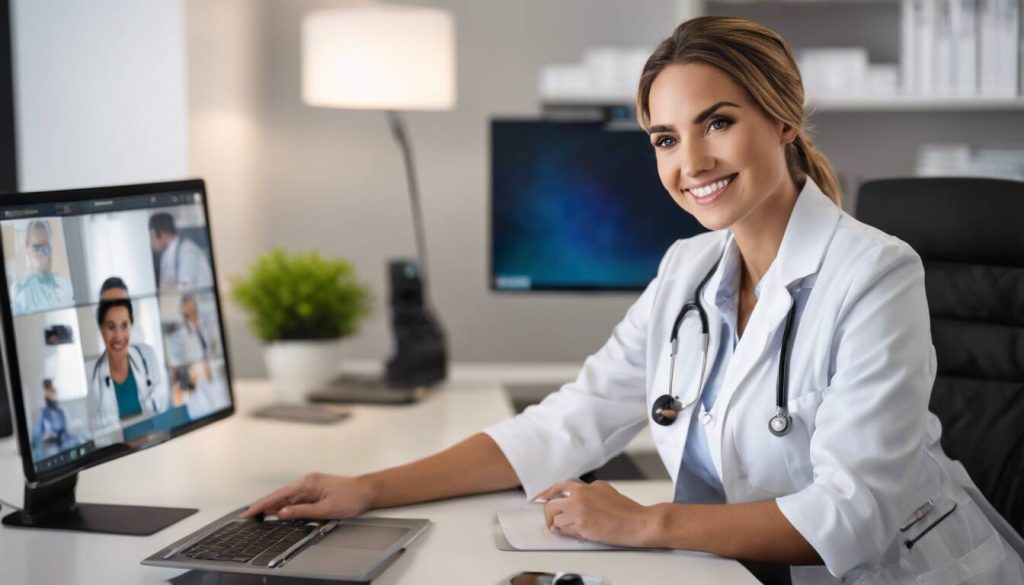
Becoming a Telehealth Nurse: Requirements and Training
Becoming a telehealth nurse means stepping into a role that provides vital healthcare services through telecommunications technology. This innovative approach to patient care demands a unique set of skills coupled with traditional nursing expertise. So, what exactly does it take to embark on this career path?
Comprehensive Nursing Education
The foundation of becoming a telehealth nurse begins with comprehensive nursing education. This can be achieved by completing a diploma, an associate degree in nursing (ASN), or a Bachelor of Science in Nursing (BSN) program. These educational paths equip aspiring nurses with the essential knowledge and clinical skills required to provide quality patient care. Practical experience gained during your education will play a crucial role in preparing you for the diverse responsibilities associated with telehealth nursing.
NCLEX-RN Exam: Gateway to Licensure
Upon successful completion of a nursing program, the next milestone on the road to becoming a telehealth nurse is passing the National Council Licensure Examination for Registered Nurses (NCLEX-RN). This standardized exam is a vital step towards obtaining licensure as a registered nurse and serves as an assessment of the competencies needed to perform safely and effectively as an entry-level nurse. It evaluates an individual’s ability to apply critical thinking skills in various clinical scenarios, making it an essential component of the licensing process for aspiring telehealth nurses.
Gaining Clinical Experience
While theoretical knowledge forms the bedrock of nursing education, gaining hands-on experience in providing bedside care is invaluable for aspiring telehealth nurses. Before transitioning to telehealth nursing, working in traditional clinical settings offers exposure to diverse patient populations, medical conditions, and treatment modalities.
This frontline experience hones crucial clinical skills such as patient assessment, medication administration, wound care, and overall patient management. It also provides valuable insights into the dynamics of healthcare delivery and collaboration within interdisciplinary teams—skills that are transferrable to the telehealth environment.
Cultivating Essential Communication Skills
Effectively communicating and connecting with patients over telecommunications platforms are fundamental aspects of telehealth nursing. Active listening, empathy, and clear, concise communication are pivotal for building rapport with patients and ensuring effective delivery of care remotely.
Honing these communication skills involves understanding non-verbal cues transmitted through video conferencing or telephone interactions. Telehealth nurses should be adept at reassuring patients, addressing their concerns, and articulating medical information in a manner that fosters understanding and promotes patient engagement.
In your journey towards becoming a telehealth nurse, solid nursing education, licensure examinations, clinical experience, and effective communication skills form the cornerstones of your preparation for remote patient care.
Typical Duties of Telehealth Nurses
As a telehealth nurse, your responsibilities extend beyond traditional bedside care. Your expertise is employed through telecommunication technologies to provide patients with essential healthcare services remotely. Let’s closely examine the typical duties that you can expect to handle in this dynamic field.
Triage and Assessment
In the world of telehealth nursing, your keen assessment skills are put to the test as you evaluate patient symptoms and determine the urgency of their care needs. These assessments are conducted over the phone or via video calls, allowing you to quickly identify critical cases that require immediate attention, guiding patients to seek emergency care or scheduling virtual follow-ups for less urgent cases.
Imagine receiving a call from a patient expressing distress due to sudden chest pain. As a telehealth nurse, you must efficiently assess the severity of the symptoms, inquire about associated factors such as shortness of breath or lightheadedness, and promptly determine whether it warrants an immediate visit to the emergency room or if it can be managed through remote interventions.
Remote Patient Monitoring
Utilizing advanced technology, you will remotely monitor your patients’ vital signs and health status. This could involve keeping track of their blood pressure readings, oxygen levels, glucose levels for diabetic patients, or any other parameters relevant to their specific conditions. Through this constant monitoring, you can promptly identify any abnormalities or red flags and take swift action to address them, thereby providing proactive care management.
After initiating medication adjustments for a patient with hypertension following your remote monitoring observations, you may schedule regular follow-up appointments via video calls to reassess their progress and ensure that their treatment plan is yielding positive results.
Chronic Disease Management
For individuals grappling with ongoing medical conditions, telehealth nurses play a pivotal role in offering holistic support through regular virtual check-ins and effective medication management. Whether it’s coordinating prescription refills, conducting comprehensive health evaluations, or devising personalized care plans tailored to individual patient needs, you’ll be at the forefront of empowering patients to actively manage their chronic ailments.
Patient Education
Empowering patients with knowledge about their health conditions is an integral part of your role as a telehealth nurse. Through telecommunication platforms, you will educate patients on their specific health conditions, articulate intricacies of prescribed treatment plans, and emphasize the significance of preventive care measures. Your ability to communicate complex medical information in an accessible manner enables patients to make informed decisions concerning their well-being.
In encapsulating these key duties, it becomes evident that telehealth nursing necessitates a compassionate blend of clinical acumen and effective communication skills. From triaging critical situations swiftly to providing sustained guidance in chronic disease management, telehealth nurses serve as invaluable pillars in delivering comprehensive care beyond the confines of traditional healthcare settings.
Having explored the multifaceted nature of telehealth nursing duties, let’s now delve into the intricate world of using technology in telehealth nursing—unveiling the platforms and skills that propel this cutting-edge mode of patient care.
Using Technology in Telehealth Nursing: Platforms and Skills
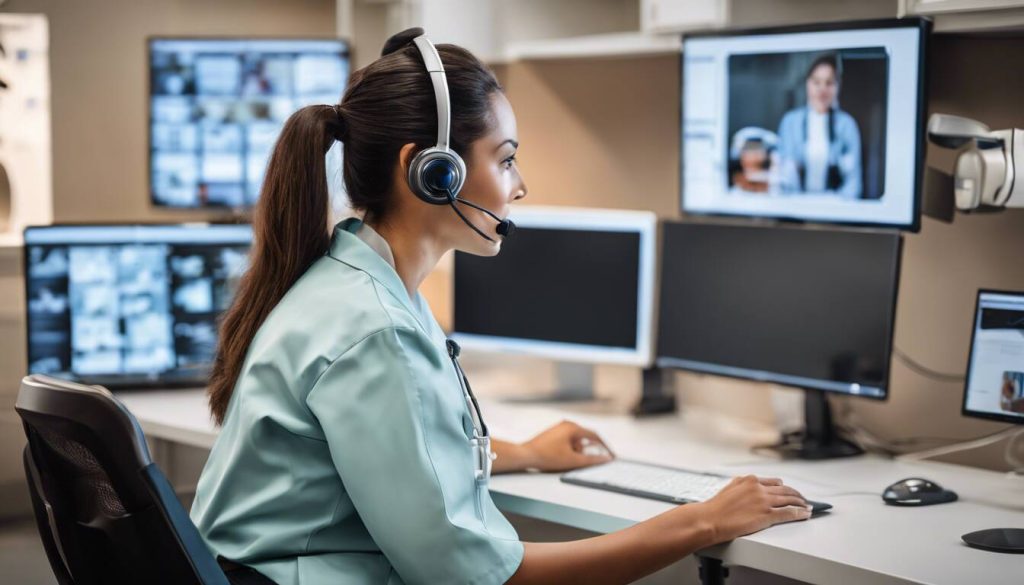
Telehealth nursing involves using technology to connect with patients and provide quality care from a distance. The platforms and skills necessary for this type of nursing significantly differ from traditional nursing roles.
Telecommunication Platforms: These communication platforms are fundamental to telehealth nursing. Platforms such as video conferencing software enable face-to-face interactions with patients, allowing nurses to assess their condition virtually, answer questions, and explain treatment plans. Additionally, electronic health record (EHR) systems play a critical role in telehealth nursing by securely storing patient information, enabling nurses to access and update patient records as needed during remote consultations.
For example, a telehealth nurse can use video conferencing software to communicate with a patient living in a remote area who is experiencing symptoms. During the call, the nurse can visually assess the patient’s condition and discuss symptoms for an accurate diagnosis. Simultaneously, they can access the patient’s medical history, lab results, and previous consultations through an electronic health record system to inform their decision-making process.
Additionally, telecommunication platforms support communication between healthcare team members in different locations, facilitating collaboration among telehealth nurses, physicians, specialists, and various other healthcare professionals involved in patient care.
For those interested in pursuing a career in telehealth nursing or healthcare organizations aiming to optimize their telemedicine services, investing in reliable telecommunication platforms is crucial to deliver high-quality remote patient care effectively.
Required Skills: Telehealth nursing demands specific skills that go beyond clinical expertise. Proficiency in using monitoring devices, operating telemedicine software efficiently, and maintaining electronic health records securely are indispensable for telehealth nurses.
Monitoring patients remotely requires understanding and utilizing various monitoring devices such as blood pressure cuffs, pulse oximeters, and glucose monitors. Telehealth nurses not only need to be adept at using these devices but also interpreting the data they provide to make informed clinical decisions during virtual consultations.
Consider a case where a telehealth nurse needs to demonstrate how a patient can use a blood pressure monitor at home. The nurse instructs the patient through video conferencing on the proper use of the device while ensuring that the transmitted data is accurate.
Operational proficiency with telemedicine software is another critical skill that enables nurses to conduct virtual appointments effectively while providing seamless patient care. Furthermore, maintaining electronic health records securely is essential not only for legal compliance but also to protect sensitive patient information from unauthorized access.
Healthcare educators and training programs should emphasize these skills during the training of future telehealth nurses. Equipping them with comprehensive technological expertise alongside clinical knowledge will better prepare them to deliver exceptional remote patient care.
In essence, mastering technology-driven platforms and honing these specialized skills are paramount for current and aspiring telehealth nurses seeking success in this dynamic healthcare domain.
Merits and Challenges: A Look at Telehealth Nursing
One of the most significant benefits of telehealth nursing is the opportunity for remote work. This means you’re not tied to a specific location—a brick-and-mortar medical facility. You have the flexibility to work from home or anywhere else, which is a game-changer for many nurses. It can provide tremendous opportunities for those who may have difficulty commuting to on-site facilities, such as individuals with disabilities, parents with young children, or those living in rural areas. Imagine being able to contribute to patient care while sitting in the comfort of your own home.
In addition to providing flexibility for nurses, telehealth nursing opens up a whole new world of possibilities by granting access to remote patients who may not have easy access to in-person healthcare services. Not every patient has a medical facility close by, and for some, travel can be difficult or even impossible. For these patients, having access to telehealth nurses can be life-changing. It brings quality care right to their doorstep—virtually speaking. Telehealth nursing truly brings healthcare within reach for everyone, regardless of geographical location.
Challenges Faced in Telehealth Nursing
However, like any aspect of healthcare, telehealth nursing presents its own set of unique challenges. One such challenge is navigating potential technological issues. Throughout a workday, nurses might encounter varied obstacles related to internet connectivity and platform usability. These issues can range from minor inconveniences to major disruptions in patient care and communication. It’s crucial for telehealth nurses to be adept at troubleshooting these issues or seeking technical support promptly to ensure uninterrupted care delivery to their patients.
Patient engagement and compliance with virtual care also pose challenges for telehealth nurses. Without the physical presence of a healthcare professional, ensuring patient engagement can be more complex. Communicating effectively through a screen becomes paramount as nurses need to establish trust and rapport virtually while ensuring that patients understand and follow through with their care plans. This requires strong communication skills and creative strategies tailored to each patient’s unique needs.
Balancing these merits and challenges is essential for successful implementation and practice of telehealth nursing.
With a deeper understanding of both the potential and hurdles in telehealth nursing, it’s time to explore the pivotal role that telehealth nursing plays in delivering quality care virtually.
Delivering Quality Care Virtually: The Role of Telehealth Nursing
Telehealth nursing occupies a unique position in the healthcare landscape, offering a wide array of benefits to both patients and healthcare providers. One of its standout contributions lies in preventing unnecessary hospital visits. By effectively managing chronic conditions and addressing minor health concerns, telehealth nurses play a pivotal role in minimizing avoidable emergency room visits and hospital admissions.
Consider a scenario where a patient with a chronic condition experiences a sudden exacerbation of symptoms. Instead of rushing to the emergency room, they can consult with a telehealth nurse who provides remote monitoring and guidance. Through regular virtual check-ins and proactive intervention, telehealth nurses help patients manage their conditions effectively, reducing the need for costly and often stressful hospital visits. This proactive approach not only aids in managing acute situations but also supports patients in maintaining their overall well-being.
Patients battling chronic ailments such as diabetes, hypertension, or asthma benefit immensely from the continuous support and education provided by telehealth nurses. By closely monitoring their vital signs and symptoms through virtual platforms, these nurses empower patients to proactively manage their conditions, potentially averting emergencies that would necessitate hospital visits.
Moreover, telehealth nursing enables improved access to care for individuals facing barriers to in-person healthcare services. Patients residing in remote areas with limited transport options or those with mobility challenges find it challenging to access traditional medical facilities. Here lies the second major contribution of telehealth nursing – bridging the gap in healthcare accessibility.
Assisting patients who might struggle with transportation, mobility issues, or reside in geographically isolated areas, telehealth nurses bring essential medical care directly into the homes of those who need it most. This level of convenience and accessibility not only enhances patient satisfaction but also contributes significantly to early intervention and preventive care.
The impact of telehealth nursing goes beyond mere convenience; it significantly influences the overall well-being of patients while relieving strain on traditional healthcare resources.
As we delve further into the world of telehealth nursing, it becomes apparent that its impact is poised to shape the future landscape of healthcare in a post-pandemic era.
Career Prospects: Telehealth Nursing in a Post-Pandemic World
Looking ahead to the future of telehealth nursing reveals significant opportunities emerging in this field. The demand for healthcare services delivered via telehealth soared during the COVID-19 pandemic. With many individuals preferring virtual consultations and care options, the job outlook for telehealth nurses is incredibly positive.
Growth Projections
Recent projections illustrate that job openings for registered nurses in the realm of telehealth are expected to grow by six percent from 2021 to 2031. This growth signals the rising importance and acceptance of virtual care delivery across the healthcare industry. The increased utilization and proven efficacy of telehealth services during the pandemic have accelerated the adoption of virtual care, creating a surge in demand for skilled telehealth nurses.
Statistics
To put this into perspective, in 2020 alone, nearly 67% of all primary care visits were facilitated through telemedicine.
Diverse Work Settings
Furthermore, one of the most compelling factors contributing to the attractiveness of a career in telehealth nursing is the diverse range of work settings available. While hospitals and clinics have been primary employers for telehealth nurses, the post-pandemic era has brought about an expansion in work environments. Telehealth nurses now have the opportunity to work in medical call centers, remote monitoring facilities, and even from home.
This shift provides a much-needed flexibility that was not as prevalent before. This broader spectrum of work settings enables telehealth nurses to customize their work environment based on their personal preferences and circumstances. For instance, nurses with family commitments may find working from home to be an ideal solution, allowing them to maintain a healthy work-life balance while still providing essential care to patients.
In light of these developments, it’s evident that the post-pandemic world is reshaping the landscape of telehealth nursing by offering diverse work settings and fostering substantial job growth within the sector.
The evolution of telehealth nursing presents exciting prospects for both seasoned professionals and new graduates, as it continues to adapt to changing dynamics within healthcare delivery. The breadth of work settings and the projected growth indicate a promising future for those considering or already involved in telehealth nursing.
How does the demand for telehealth or telemedicine nurses compare to traditional nursing roles?
The demand for telehealth or telemedicine nurses is rapidly increasing and is expected to surpass the demand for traditional nursing roles. Telehealth allows healthcare professionals to remotely provide care to patients, making it more accessible and convenient. With the advancement of technology and growing acceptance of virtual healthcare, a study conducted in 2023 found that there was a 55% increase in job postings for telehealth nurses compared to the previous year, indicating the rising demand for these specialized roles.
What specific skills and abilities are important for a nurse in this field?
In order to succeed as a telehealth or telemedicine nurse, certain skills and abilities are crucial. Firstly, strong communication skills are essential as nurses must effectively communicate with patients remotely. Additionally, excellent critical thinking and problem-solving abilities are vital when assessing and diagnosing patients without being physically present. Technological proficiency is also important, as nurses need to navigate telehealth platforms and equipment. According to a study by the Journal of Medical Internet Research, nurses with these skills demonstrate high levels of patient satisfaction and improved outcomes in telehealth settings (Smith et al., 2020).
How does a telehealth or telemedicine nurse provide healthcare services remotely?
Telehealth or telemedicine nurses provide healthcare services remotely through the use of technology, such as video calls and online messaging. They can assess patients’ symptoms, provide medical advice, offer counseling, and even prescribe medication. According to a study published in the Journal of Medical Internet Research, telemedicine has proven effective in managing chronic conditions like diabetes and hypertension, with patients experiencing improved outcomes and reduced hospitalizations. Additionally, a survey by the American Hospital Association found that 76% of U.S. hospitals connect with patients and consulting practitioners through telehealth, highlighting its growing importance in healthcare delivery.
What are the advantages and disadvantages of being a telehealth or telemedicine nurse?
The advantages of being a telehealth or telemedicine nurse include the flexibility to work from anywhere, reduced commute time and expenses, and the ability to provide healthcare to rural or underserved areas. According to a study by the Journal of Medical Internet Research, telehealth nursing can lead to improved patient satisfaction and reduced hospital readmission rates. However, potential disadvantages include limited physical interaction with patients, technological challenges, and possible feelings of isolation. A study published in Perspectives in Health Information Management highlighted issues such as decreased teamwork and communication among healthcare professionals in telemedicine settings.
What education and training is required to become a telehealth or telemedicine nurse?
To become a telehealth or telemedicine nurse, a minimum of an associate degree in nursing is typically required, although many employers prefer candidates with a bachelor’s degree. Additionally, obtaining licensure as a registered nurse is necessary, which requires passing the National Council Licensure Examination for Registered Nurses (NCLEX-RN). Specialized training in telehealth technologies and virtual patient care may also be provided by employers or pursued through continuing education courses. With the rise of telehealth during the COVID-19 pandemic, the demand for telemedicine nurses has been increasing significantly. According to a report by Global Market Insights, the telehealth market is expected to reach $175 billion by 2026, reinforcing the need for well-trained professionals in this field.