
The Role of a Correctional Nurse: Providing Healthcare in Prisons
A correctional nurse provides key medical care to individuals living within prison walls. This includes tasks such as health checks, managing sickness, and dealing with health emergencies. For these nurses, the perimeters of their job stretch beyond just nursing; they’re also a vital link within the larger healthcare team in a prison, working closely with healthcare professionals, jail officers, and mental health experts. Their responsibility isn’t just keeping people healthy but also ensuring safety for everyone- both those receiving care and those providing it. It’s not an ordinary nursing job. Now let’s delve deeper.
Correctional nurses are responsible for providing direct nursing care to incarcerated individuals, conducting health assessments, preparing and implementing nursing care plans, as well as diagnosing and treating health problems. They also offer clinical supervision and training to other nursing staff and serve as members of interdisciplinary healthcare teams within correctional facilities.
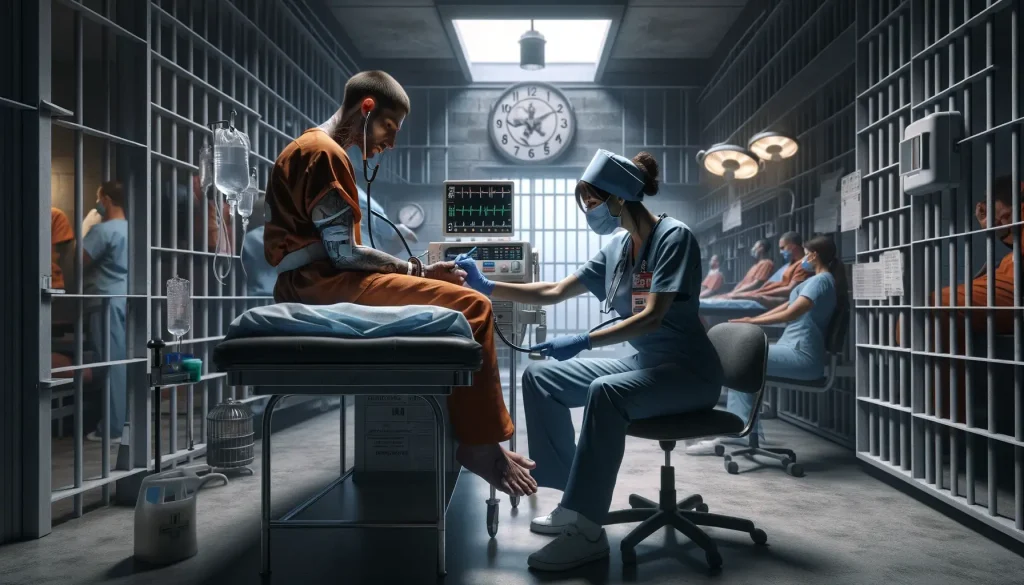
Correctional Nursing: Overview
Correctional nursing is a unique and specialized field that involves providing healthcare to incarcerated individuals. It extends far beyond the confines of traditional healthcare delivery, as it requires a keen understanding of the complex environment within correctional facilities. As a correctional nurse, you are charged with not only providing medical care but also promoting wellness in an often challenging and high-stress setting.
In this environment, nurses face a myriad of responsibilities that go beyond typical patient care. They conduct thorough health assessments, which entail evaluating the overall health status of incarcerated individuals, identifying chronic conditions, and assessing for communicable diseases. Furthermore, nurses are responsible for developing individualized care plans tailored to the specific needs of each patient. This can involve creating strategies for disease management, devising plans for ongoing treatment or rehabilitation, and adjusting medication regimens as needed.
Collaboration is a key component of correctional nursing. Nurses work closely with other healthcare professionals such as physicians and mental health specialists to ensure holistic care for incarcerated individuals. They also regularly interact with correctional officers to address safety concerns and coordinate responses to medical emergencies within the facility. For instance, if an inmate exhibits signs of a mental health crisis or attempts self-harm, the correctional nurse must work collaboratively with mental health specialists and correctional officers to de-escalate the situation and provide appropriate care.
According to recent data, over 40% of incarcerated individuals have chronic medical conditions such as hypertension, asthma, diabetes, or infectious diseases. The work of a correctional nurse demands adaptability, compassion, and strong critical thinking skills. They must navigate challenges unique to the correctional environment, including security protocols, potential exposure to infectious diseases, and the need to assess and address substance abuse issues among the population they serve.
Exceptional communication skills and unwavering professionalism are crucial for navigating these complexities while maintaining a focus on providing high-quality healthcare in an often challenging setting.
Comfort amidst chaos—navigating the intricate web of maintaining patient wellbeing amidst stringent security measures presents its own set of challenges. Let’s now explore how these dedicated healthcare providers ensure patient security in a prison.
Ensuring Patient Security in a Prison
When it comes to providing healthcare in a prison, ensuring patient security is of paramount importance. In such a unique environment, maintaining a safe and secure space is essential for both the incarcerated individuals and the nursing staff. The foundation of patient security lies in adhering to strict security protocols, designed to maintain order and safety within the facility, promoting a secure and predictable environment.
Moreover, as a correctional nurse, cultivating a non-judgmental attitude towards patients is crucial for fostering trust and cooperation. It’s integral to approach each patient with empathy and understanding, encouraging open communication and building therapeutic relationships built on mutual respect.
In addition to strictly following security protocols and maintaining a non-judgmental attitude, being aware of potential security risks while delivering care is another vital aspect of ensuring patient security. Working in a prison healthcare setting requires constant vigilance to recognize any signs of unrest or heightened tension that may pose security threats. This heightened awareness helps in identifying early indicators of potentially risky situations, enabling timely intervention to prevent escalation.
Understanding the facility’s layout and security measures can help nurses anticipate potential security risks and take necessary precautions.
For instance, during medication administration or medical procedures, it’s crucial to be mindful of the surrounding environment and any changes in behavior or atmosphere among the incarcerated individuals. Identifying potential triggers or situational cues empowers correctional nurses to address security concerns proactively while continuing to provide essential healthcare services.
Furthermore, collaboration with correctional officers and other members of the interdisciplinary healthcare team is instrumental in maintaining patient security. Open communication channels and mutual support between nursing staff and security personnel strengthen the overall security infrastructure within the facility, effectively addressing emerging security issues or risks while upholding patient care standards.
In essence, the role of a correctional nurse in ensuring patient security encompasses vigilance, empathy, adherence to protocols, and collaborative efforts aimed at maintaining a safe and secure environment for all those involved.
Comprehensive Healthcare: Role of a Correctional Nurse
In the complex and challenging environment of a prison, it takes more than just basic nursing care to keep the incarcerated population healthy. Correctional nurses hold a multifaceted role in promoting public health and disease prevention within the prison walls while managing chronic diseases, responding to emergencies, and addressing mental health concerns. This kind of comprehensive care involves a broad spectrum of responsibilities that go beyond the traditional healthcare scope.
When it comes to medication management, it’s not just about dispensing pills on schedule; it also requires vigilance in monitoring the effects and interactions of varying medications, especially given the prevalence of substance abuse issues among inmates. For instance, a significant part of a correctional nurse’s job involves educating inmates about their medications and ensuring they understand how to take them properly, as well as recognizing adverse reactions. They must communicate with prescribers about any concerns or side effects experienced by inmates to ensure proper adjustments are made as necessary.
Moreover, in managing chronic diseases like diabetes, hypertension, or HIV/AIDS, correctional nurses are tasked with providing ongoing education about lifestyle modifications and monitoring the progression of these conditions closely.
Another critical aspect of their role involves responding to medical emergencies. This might range from providing immediate first aid for injuries sustained during altercations among inmates to assessing and stabilizing individuals experiencing life-threatening conditions such as heart attacks or severe allergic reactions. The role of a correctional nurse in handling medical emergencies within prisons is akin to an orchestra conductor maintaining harmony amidst chaos. They need to skillfully coordinate responses during crises as well as work with external emergency services when necessary.
Furthermore, mental health concerns are a prevalent issue within the prison system. Correctional nurses collaborate closely with psychiatrists and psychologists to ensure that inmates receive appropriate mental health care. They conduct initial mental health screenings on new admissions and provide ongoing support for those receiving treatment for various mental health conditions. Handling crisis intervention and de-escalating volatile situations is also part of their daily routine.
This multifaceted approach underscores the significance of correctional nurses in not only addressing physical health but also playing a vital role in maintaining the overall well-being of incarcerated individuals.
The multifaceted nature of a correctional nurse’s role demands a diverse set of skills. Now, let’s uncover the essential competencies required for success in this challenging yet rewarding profession.
Skills Required for a Correctional Nurse
Being a correctional nurse isn’t for everyone. The environment and the people you care for can be vastly different from what you might expect in a hospital or clinic setting.
You’ll need to have excellent assessment abilities—this means you can quickly understand a patient’s needs and make decisions even when things are hectic around you. Just like solving a puzzle, being able to quickly piece together the situation based on limited information is crucial.
Effective communication is key. Sometimes the patients you’re helping can be going through really tough situations, and they may not always be cooperative or easy to talk to. You’ll need to find ways to connect with them, understand their concerns, and make sure they understand what you’re trying to help them with.
Let’s say you’re dealing with a patient having withdrawal symptoms—they might not be at their best, or even close to it. So, being able to communicate effectively and de-escalate these intense situations is extremely important.
In addition to crisis intervention skills and effective communication, the capacity to work in a challenging environment is crucial. Prisons can often be high-stress environments, so being able to stay calm under pressure is an absolute necessity.
You also need strong ethical decision-making abilities. In a correctional facility, you’ll face situations where making the right call isn’t always straightforward. You’ll have to weigh your professional responsibilities as a nurse against security concerns and policies within the correctional system.
It might feel like walking a tightrope at times – there’s little margin for error, and every step must be taken with utmost care and consideration.
Above all, adaptability to incredibly diverse patient populations with varying healthcare needs is essential in providing efficient and effective care in such an environment.
These skills together form the foundation of what it takes to be a successful correctional nurse. It’s no walk in the park, but the value of the work done in these facilities cannot be overstated.
These requirements serve as just the tip of the iceberg when it comes to understanding the multifaceted role of a correctional nurse. Join me now as we delve into the world of safety measures and training in correctional nursing.
Safety Measures and Training in Correctional Nursing
Working in a correctional healthcare facility presents unique challenges that require specialized safety measures and continuous training to ensure the well-being of both nurses and patients. One of the most important aspects of safety training for correctional nurses is learning de-escalation techniques. In an environment where tensions can run high, knowing how to calm a situation before it escalates is crucial. Nurses are trained on effective communication and conflict resolution strategies to defuse potentially volatile situations.
Understanding security procedures is equally essential for correctional nurses. They must be well-versed in the facility’s security protocols, including emergency codes and evacuation procedures. This knowledge enables them to respond promptly and effectively in crisis situations, ensuring the safety of everyone within the facility. Regular drills and simulations are often conducted to reinforce this training, allowing nurses to practice their response to various emergency scenarios.
Moreover, managing medical emergencies in a secure setting is a core component of a correctional nurse’s training. They learn how to navigate through the unique challenges posed by providing medical care within a confined and monitored environment. This includes being prepared to administer first aid, perform CPR, and stabilize patients while upholding safety protocols.
For instance, when faced with a medical emergency in a correctional facility, such as an inmate experiencing a heart attack or severe injury, nurses are trained to swiftly coordinate with security personnel to ensure that the necessary medical interventions can be performed without compromising the overall safety and security of the facility.
Similar to how paramedics are trained to provide medical care in diverse environments, from bustling urban streets to remote wilderness areas, correctional nurses are equipped with skill sets tailored to attending to medical needs in the controlled and supervised setting of a prison infirmary.
In addition to these critical safety measures and emergency response training, continuous education and the use of personal protective equipment (PPE) play integral roles in maintaining a safe healthcare environment within correctional settings.
As crucial as individual expertise is in ensuring effective healthcare delivery within correctional facilities, it’s equally vital for healthcare professionals to collaborate seamlessly across disciplines. Let’s now explore the collaborative efforts that underpin healthcare provision in prisons.
Team Efforts: Interdisciplinary Healthcare in Prisons
In correctional settings, nurses work closely with various healthcare professionals to deliver holistic care to incarcerated individuals. This interdisciplinary team may include physicians, mental health professionals, pharmacists, and support staff such as medical assistants and administrative personnel. Collaboration and effective communication within this team are vital for providing comprehensive and effective healthcare in a correctional facility.
The dynamics of an interdisciplinary healthcare team in a prison setting are distinct and demand seamless coordination among its members. Nurses often find themselves at the center of this collaboration, as they interact with diverse professionals to address the complex healthcare needs of incarcerated individuals. The team’s collective expertise allows for a multifaceted approach to patient care, addressing physical, mental, and emotional well-being while navigating the unique challenges presented by the prison environment.
For example, when dealing with an inmate who has a chronic health condition and is also exhibiting signs of psychological distress, the interdisciplinary team may need to collaborate intensely. The nurse might consult with both the physician and the mental health professional to ensure integrated care that addresses all aspects of the individual’s well-being. Such collaboration can lead to a more effective treatment plan that considers the holistic needs of the patient.
In addition to direct patient care, interdisciplinary teamwork also plays a crucial role in preventive health strategies within correctional facilities. Working together, healthcare professionals can develop and implement wellness programs, vaccination campaigns, chronic disease management plans, and mental health support initiatives. This comprehensive approach aims to improve overall health outcomes for incarcerated individuals while mitigating potential public health risks associated with communal living in a prison environment.
This collaborative effort fosters an environment where each member’s specialization contributes to a synergistic approach towards providing healthcare in a prison. It ensures that incarcerated individuals receive comprehensive care that addresses their multidimensional health needs.
With a clear understanding of the collaborative nature of healthcare provision in correctional facilities, it’s essential to delve into the risks and challenges encountered by correctional nurses on a daily basis.
Risks and Challenges for Correctional Nurses
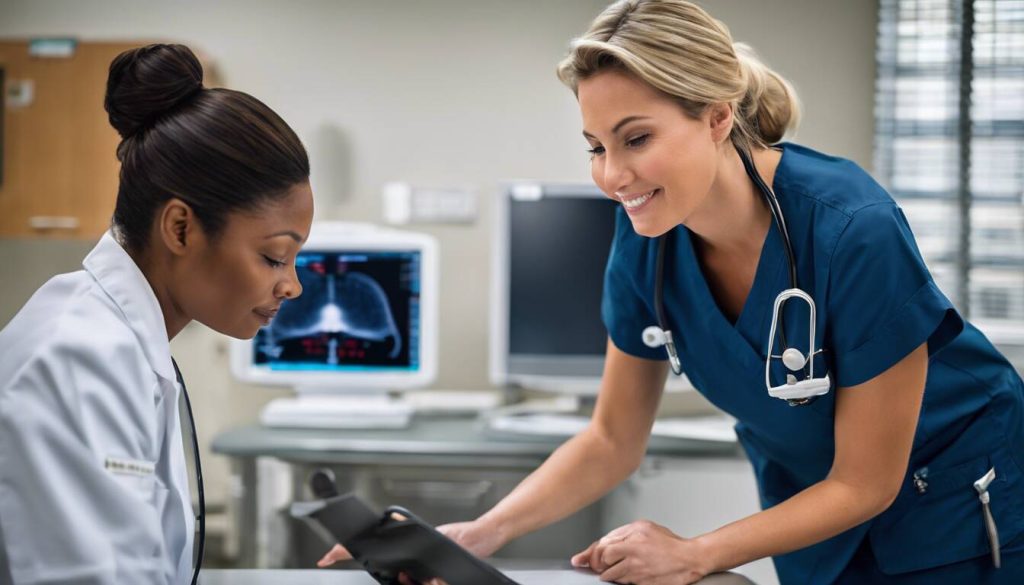
Working as a nurse in a correctional facility presents unique challenges unlike those faced in traditional healthcare settings. One of the most significant concerns for correctional nurses is the risk of exposure to infectious diseases. In a confined environment such as a prison, infectious illnesses can spread rapidly if not identified and contained promptly. From common colds to severe conditions like tuberculosis and hepatitis, correctional nurses must always be vigilant in monitoring and addressing potential outbreaks.
Moreover, mental health crises are prevalent among incarcerated individuals, adding another layer of complexity to the role of correctional nurses. Patients may experience severe episodes of anxiety, depression, or even thoughts of self-harm, requiring immediate intervention and specialized care. The ability to navigate these sensitive situations with empathy and efficiency is crucial for correctional nurses to ensure the safety and well-being of both patients and staff.
Substance abuse issues also present a major challenge in correctional healthcare. Many inmates struggle with addiction, and withdrawal symptoms can be severe. It is vital for correctional nurses to be well-versed in addiction medicine and equipped to manage withdrawal symptoms effectively to prevent life-threatening complications.
Here are a few examples of scenarios that correctional nurses may encounter:
- Providing immediate care and support during an inmate’s panic attack.
- Assisting in de-escalating conflicts between inmates that could potentially become violent.
- Implementing harm reduction strategies for inmates struggling with substance abuse issues.
In addition to medical challenges, personal safety is a constant concern for correctional nurses. They must always be mindful of their surroundings and adhere to strict safety protocols to minimize the risk of altercations or violence. This creates a high-stress environment where quick thinking, effective communication, and conflict resolution skills are essential attributes for success.
Addressing these multifaceted challenges demands constant adaptation, specialized training, and an unwavering commitment to patient care within the unique environment of a correctional facility.
The role of a correctional nurse is intricate, demanding an unparalleled level of expertise, compassion, and adaptability. It requires a unique blend of clinical skills and personal resilience to navigate the multifaceted challenges within the correctional setting.