
The Ultimate Guide to Military and Correctional Nursing: Roles, Requirements, and Differences
Military and correctional nursing is indeed a unique fusion of healthcare service. It involves delivering high-quality medical care to unique populations – our service members, veterans, and detainees. Conditions can be challenging, but it is paramount to focus on health promotion, early disease detection, and timely treatment. A rich web of experience awaits those who brave this path, with carefully structured environments teeming with protocols not seen in typical healthcare settings. On we go now into the boots-on-the-ground perspective of delivering care in a less traditional setting.
Military and correctional nursing offer diverse career paths. In the military, nurses can pursue roles in fields such as flight nursing or specialize in high-demand areas. Correctional nurses provide essential healthcare to incarcerated individuals, emphasizing clinical supervision and training. Both settings require a commitment to continuous learning and professional development in this specialized field of nursing.

The Role of Nurses in the Military and Corrections
Nurses working in military and correctional settings shoulder immense responsibility. They aren’t solely healthcare providers; they are healers attending to the unique physical and mental health needs of individuals within these specialized environments. The multifaceted role involves not only providing direct medical care but also contributing to health education, disease prevention, and promoting overall well-being.
In the military, nurses must be prepared to support service members during combat situations, dealing with injuries on the battlefield, providing emergency care, and facilitating rehabilitative services. Serving on military bases or in deployed areas, their expertise is crucial in maintaining the health and readiness of the armed forces. Additionally, they often work collaboratively with various healthcare professionals to ensure comprehensive care for a diverse range of patient needs.
On the other hand, nurses in correctional facilities face distinct challenges. They frequently encounter complex medical cases, such as mental health issues and chronic conditions. Their compassionate care is essential for treating these conditions while fostering an environment that supports rehabilitation and well-being among detainees. By addressing specific health concerns within these populations, correctional nurses significantly contribute to reducing recidivism rates and promoting positive behavioral changes.
Both military and correctional nursing require a high level of adaptability, resilience, and a deep understanding of population-focused healthcare. Nurses need to remain steadfast in demanding environments while delivering care that addresses unique challenges associated with each setting.
For example, imagine being a nurse deployed with military units. Your role would extend beyond traditional healthcare settings as you may find yourself working out of tents or field hospitals in response to natural disasters or conflicts around the globe.
Similarly, correctional nurses are tasked with providing healthcare in an environment with its own set of security considerations and challenges in building trust among detainees who may have had negative experiences with healthcare systems outside of their incarceration.
While primarily focusing on direct patient care, these nursing roles also involve education making it easier for people under their care to understand how to maintain their health even after they leave these facilities.
In essence, nurses in military and correctional settings provide much more than just medical treatment; they deliver holistic care that serves both the immediate needs of individuals and the broader goal of supporting the overall wellness within their respective communities.
Delivering Care in the Military Setting
Caring for individuals in the military setting involves far more than treating everyday ailments. Military nurses often find themselves on the frontlines of emergency and trauma care, encountering injuries and wounds that are distinct from those seen in civilian healthcare facilities. In combat zones, they work under extraordinary conditions, where rapid response and expertise are essential.
In high-pressure environments, military nurses must be adept at handling a diverse range of medical challenges. Whether responding to combat injuries, providing primary care in remote locations, or offering preventive care to ensure the overall wellness of service members, their responsibilities encompass a wide array of healthcare services.
Imagine being deployed to a remote area as part of a military medical team. Your days involve overseeing routine check-ups for service members, providing vaccinations to prevent the spread of infectious diseases, and conducting health education sessions to boost awareness about maintaining personal well-being in challenging conditions.
Furthermore, military nurses play a pivotal role in promoting health and wellness within the armed forces by crafting tailored health education programs. These initiatives are designed to empower service members with valuable knowledge on managing their physical and mental health amidst the unique demands of military life.
Considering the multifaceted nature of their responsibilities, adaptability is a critical skill for military nurses. They must be prepared to transition seamlessly from providing urgent care during combat situations to rendering long-term support in military hospitals or clinics.
For instance, a military nurse may find themselves aiding soldiers injured in combat one day and counseling veterans on managing chronic health conditions and navigating treatment options the next.
Navigating the dynamic landscape of military healthcare demands remarkable versatility from the nursing professionals involved. It’s truly an environment where each day brings forth new challenges and opportunities to make a meaningful impact.
The demanding landscape of military nursing offers hands-on experience unlike any other, shaping healthcare professionals into adaptable and resilient caregivers. Moving forward, let’s delve into the intricacies of providing quality healthcare within correctional facilities.
Providing Healthcare in Correctional Facilities
Nursing in correctional facilities occupies a significant position in the broader healthcare sector. Nurses working in prisons and jails play a crucial role in providing care to incarcerated individuals, encompassing a wide range of responsibilities that extend beyond conventional clinical settings.
One primary responsibility of correctional nurses is addressing acute and chronic medical conditions such as injuries, infections, diabetes, asthma, and heart disease that are prevalent among incarcerated individuals due to limited access to healthcare before incarceration.
Moreover, correctional nurses are also pivotal in addressing mental health care needs within the incarcerated population, collaborating with mental health professionals to identify and support those struggling with mental illnesses.
For example, a correctional nurse may encounter an inmate exhibiting signs of severe anxiety or depression, highlighting the importance of being able to provide compassionate care while adhering to institutional regulations for the well-being of the individual.
Furthermore, preventive health programs within correctional facilities are essential nursing responsibilities. This involves promoting healthy behaviors, conducting health screenings, and administering vaccinations to prevent communicable diseases—benefiting both the incarcerated population and public health by minimizing the spread of infectious diseases upon release.
Given the multifaceted nature of nursing in correctional facilities, nurses must work closely with multidisciplinary teams consisting of physicians, mental health professionals, and correctional officers to ensure comprehensive care delivery while navigating the unique challenges within these settings.
The complexities involved in treating acute and chronic medical conditions, supporting mental health needs, and spearheading preventive healthcare initiatives underscore the indispensable role of nurses in correctional facilities.
Differences in Military and Correctional Nursing
The nature of nursing in military and correctional settings varies widely due to stark differences in environments and patient populations. Military nursing often involves operating in challenging, rapidly changing, high-stress conditions—ranging from field hospitals near combat zones to caring for service members in non-combat settings, with a focus on trauma care and emergency medicine. On the other hand, correctional nursing is primarily situated within the secure walls of a correctional facility, addressing the unique healthcare needs of incarcerated individuals while navigating the complexities of providing care in a carceral environment.
Military nurses could find themselves caring for service members in austere or remote settings, facing significant pressures such as responding to mass casualty events or supporting humanitarian missions. This demands adaptability and resilience to provide high-quality care in varied circumstances. In contrast, correctional nurses contend with the challenges of delivering healthcare within a confined, controlled environment where issues like mental health care, infectious disease management, and chronic illness are prevalent.
Notably, the breadth of conditions they encounter may vary significantly. Military nurses might treat injuries related to combat and physical training, whereas correctional nurses commonly address chronic conditions resulting from prolonged incarceration, along with mental health concerns that arise from the correctional milieu itself.
For instance, military nursing might involve administering first aid under fire or performing triage in a crisis scenario. Conversely, correctional nursing necessitates an understanding of the clinical complexities presented by incarcerated populations, including managing mental health crises and addressing communicable diseases within an institutional setting.
In essence, while military nursing encompasses the full spectrum of healthcare delivery in dynamic environments with an emphasis on emergent care and injuries unique to combat situations, correctional nursing revolves around delivering ongoing care within the restricted confines of a detention facility. Both require a distinct set of competencies and present unique challenges that demand specialized knowledge and skill sets.
Understanding these fundamental differences clarifies the diverse demands and expertise required for serving as a nurse in military versus correctional environments.
Overcoming Challenges in Unique Working Environments
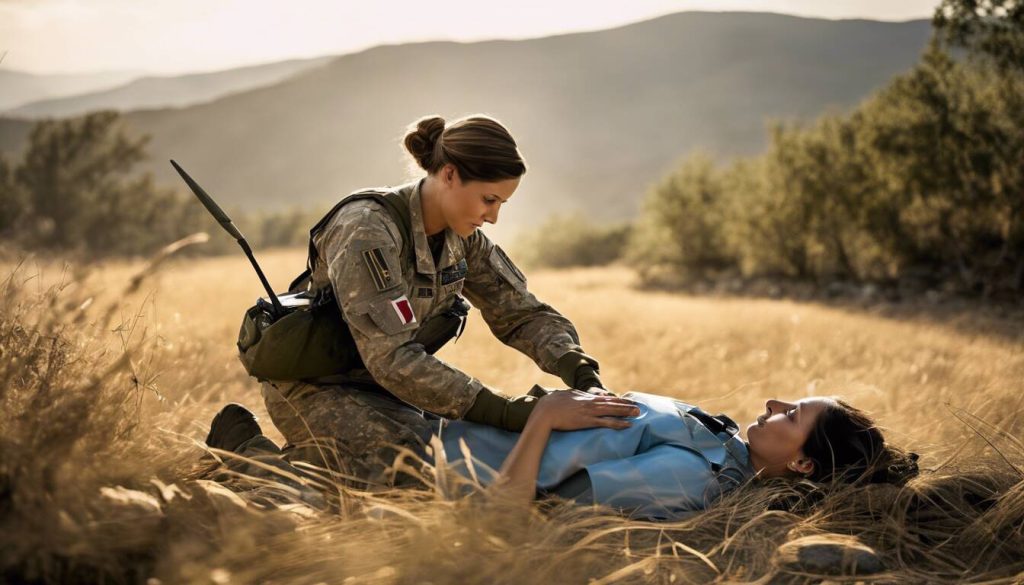
Military and correctional nursing demand adaptability and resilience in the face of adversity. In these roles, nurses are often exposed to high-stress situations requiring quick thinking to provide critical care. For military nurses, the challenges can be more intense, as they may be deployed to conflict zones or areas affected by natural disasters, necessitating swift decision-making and the ability to handle trauma on a large scale.
Additionally, both military and correctional nurses face limited resources as a significant challenge. In military settings, nurses may contend with makeshift treatment facilities or mobile units in remote locations where access to medical supplies and equipment is constrained. Conversely, correctional nurses often work in facilities with restricted access to technology and medical resources due to security protocols, demanding resourcefulness and adaptability while adhering to stringent safety regulations.
Furthermore, both military and correctional nurses encounter diverse patient populations with complex healthcare needs. Military nurses may provide care to individuals from different cultural backgrounds, each presenting unique medical requirements. Similarly, correctional nurses often address the complex health concerns of incarcerated individuals, including chronic conditions and mental health disorders that require specialized attention within the constraints of a correctional facility.
Consider a military nurse deployed overseas facing a mass casualty event. They must swiftly assess and triage numerous injured individuals while navigating language barriers and unfamiliar medical protocols—a daunting task that demands unwavering composure and quick decision-making under extreme pressure. Meanwhile, a correctional nurse working in a prison infirmary must manage the healthcare needs of incarcerated individuals with a myriad of conditions, including infectious diseases, substance abuse issues, and mental health challenges within the restricted environment of the correctional facility.
By recognizing these challenges and understanding the demanding nature of these working environments, we gain deeper insight into the unique skill set required of military and correctional nurses.
Understanding the demands placed on military and correctional nurses provides a foundation for exploring the diverse opportunities and job positions available in these fields.
Opportunities and Job Positions in Military and Corrections
Both military and correctional nursing offer a wide array of positions, each with its own unique challenges and rewards. From the front lines of combat zones to the specialized healthcare needs within correctional facilities, nurses play a vital role in providing quality care in these distinct environments.
In military nursing, nurses may find themselves deployed in combat zones, stationed on naval ships, or providing medical care to military personnel and their families. The responsibilities of military nurses extend beyond traditional healthcare settings, requiring them to be adaptable and resilient in high-stress, ever-changing circumstances. A nurse’s expertise is often put to the test as they face challenging situations, from treating battlefield injuries to delivering critical care during humanitarian missions. These experiences offer a sense of fulfillment that comes from serving one’s country and making a tangible difference in the lives of service members.
On the other hand, correctional nursing focuses on addressing the unique health needs of incarcerated individuals within correctional facilities. Nurses in this setting provide essential healthcare services while navigating the complexities of working within a secure environment. They are responsible for assessing high-risk symptoms and behaviors in patients, developing care plans, and prioritizing the security of the institution. The role requires a deep understanding of mental health issues, substance abuse, and infectious diseases, as well as the ability to communicate effectively with diverse patient populations.
Within both settings, there are various job positions available for nurses to pursue. These positions include staff nurse, nurse manager, clinical nurse specialist, and nurse practitioner. Each role offers diverse experiences and career advancement opportunities within structured healthcare environments.
For instance, a staff nurse has direct patient care responsibilities, ensuring that individuals receive timely and appropriate medical attention. On the other hand, a nurse manager supervises and coordinates the activities of nursing staff, overseeing operational aspects such as staffing levels and resource allocation. Meanwhile, a clinical nurse specialist provides advanced clinical expertise in a specific area of practice, contributing to the development of evidence-based care practices. Lastly, a nurse practitioner has an advanced scope of practice, including diagnosing and managing common acute and chronic illnesses.
In exploring these diverse positions, it becomes evident that both military and correctional nursing present nurses with dynamic career pathways that cater to their professional interests and personal aspirations.
As we continue our exploration into the realm of military and correctional nursing, let’s delve into the specific requirements for individuals aspiring to join these esteemed professions.
Requirements to Become Military and Correctional Nurses
Embarking on the path to become a military or correctional nurse is an admirable pursuit that demands dedication, specific qualifications, and a deep commitment to serving others in distinctive environments. This journey commences with meeting essential eligibility criteria and securing the necessary licensure.
For individuals aspiring to become military nurses, the first crucial step involves completing a nursing program from an accredited institution. This program typically encompasses hands-on clinical experience and coursework delving into various facets of nursing practice. Ensuring that the education obtained is accredited by the Commission on Collegiate Nursing Education or a recognized accrediting body is imperative to meet the standards required for military service.
Furthermore, acquiring licensure is a non-negotiable prerequisite for all military and correctional nursing positions. This involves passing the National Council Licensure Examination (NCLEX) and holding a current, active, full, and unrestricted license or registration as a professional nurse.
Suppose you are considering a career in correctional nursing. In that case, it’s vital to have prior experience working in healthcare settings, particularly within correctional facilities. Certain positions may even mandate advanced certifications in correctional healthcare, showcasing your expertise and dedication to delivering top-notch care in these unique settings.
In addition to educational and licensure requirements, military nurses must fulfill specific military prerequisites distinct from traditional nursing roles. These prerequisites may encompass physical fitness standards, mental and emotional readiness, citizenship status, and the ability to meet security clearance criteria. Conversely, correctional nurses need to possess strong communication skills, an understanding of prevalent behavioral health issues in correctional settings, and proficiency in functioning effectively within law enforcement frameworks.
The dedication and commitment demanded by these roles extend beyond conventional nursing practices, underscoring the critical responsibilities entrusted to military and correctional nurses.
Meeting these qualifications and requirements serves as the bedrock for a fulfilling career in military or correctional nursing, where nurses play a pivotal role in addressing the distinct healthcare needs of individuals within these specialized settings.
Entering the realm of military or correctional nursing represents not only a profound commitment but also an opportunity to make a meaningful difference in specialized healthcare environments.