
Forensic Nurse: Job Description, Duties, and Salary Outlook
A Forensic Nurse is a key connector between healthcare and the justice system. They care for victims of violence, abuse, or trauma, but their work goes beyond traditional nursing duties – they also collect court-worthy evidence. The dual nature of their job demands an unusual skill set: medical expertise paired with knowledge of legal processes. With an alarming rise in violence worldwide, their unique skills place them in high demand. This critical role forms a bridge that you might not have thought about before. Subsequently, we dive into specializations within Forensic Nursing.
Forensic nurses are trained to provide specialized care for victims of violence or abuse, collect and document evidence, collaborate with law enforcement, and testify in legal proceedings. Their expertise in medical evidence collection and the criminal justice system makes them an invaluable asset in investigating cases of assault, abuse, or accidental death.
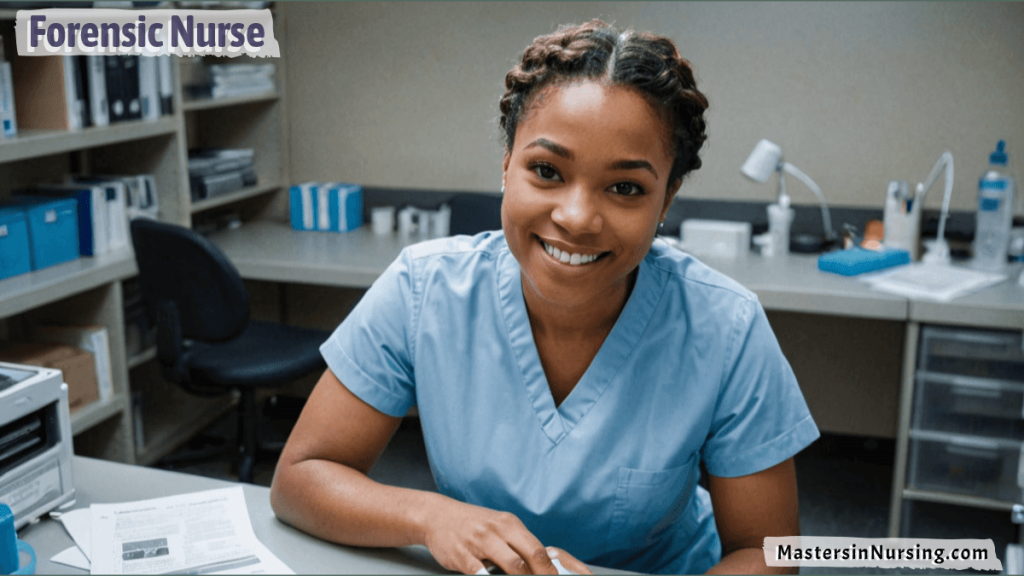
What is a Forensic Nurse?
Imagine a nurse, not just any nurse, but a registered nurse with specialized training – expertise in dealing with victims of crime. That’s what a forensic nurse is. This unique breed of medical professional straddles two very different worlds, providing critical care and support for those who have experienced trauma and violence.
Forensic nurses are much more than just healthcare providers. They serve as a bridge between the intricate domains of healthcare and legal justice. Their role involves providing holistic care for victims of violence and abuse, working closely with law enforcement, collecting crucial evidence, and often appearing as expert witnesses in legal proceedings.
Their work embodies the very essence of being there for someone at their most vulnerable – offering comfort, compassion, and skilled medical attention to help them through the aftermath of devastating experiences.
These professionals are often deployed in emergency rooms, crisis centers, and other healthcare settings where victims of crime may seek assistance. Their compassionate and objective approach can make a world of difference for individuals who are dealing with traumatic events.
Forensic nurses are equipped not only with clinical acumen but also with expertise in evidence collection and preservation. They meticulously document injuries, collect physical evidence, such as hair, fibers, or biological samples, and ensure that every vital detail is recorded to aid legal investigations.
Their role extends beyond immediate care; they often provide expert testimony in court cases to help ensure that justice is served. It’s a truly demanding and emotionally challenging profession that requires exceptional attention to detail and unwavering dedication.
Forensic nursing isn’t just about the technicalities; it’s about giving a voice to those who have been silenced by traumatic experiences and ensuring that their stories are heard in the pursuit of justice. It’s about tending to the mind, body, and soul of individuals during some of their darkest moments.
Intriguing, isn’t it? But there’s still so much more to explore about the multifaceted world of forensic nursing.
Now, let’s delve deeper into the diverse specializations within the field of forensic nursing.
Forensic Nursing Specializations
Specializing in forensic nursing presents exciting career opportunities. One popular area of specialization is Sexual Assault Nurse Examiner (SANE). Visualize these nurses as the frontline responders for survivors of sexual assault, offering empathetic care, and support while meticulously gathering crucial forensic evidence. In this role, SANE nurses play a pivotal part in ensuring justice is served through their attention to detail and compassionate treatment.
Legal Nurse Consulting
Another fascinating specialization is Legal Nurse Consulting. These experts act as a crucial link between healthcare and the legal system, providing valuable analysis and insights on health-related matters within legal cases. Their input can be invaluable for lawyers and legal teams, offering unique perspectives that blend medicine and law.
Correctional Nursing
Furthermore, some forensic nurses specialize in Correctional Nursing, choosing to make a difference in challenging environments within the prison system. They care for individuals facing diverse physical and mental health needs, often dealing with trauma, abuse, and other complex healthcare issues within correctional facilities.
Each of these specializations demands a unique skill set while offering the opportunity to make a real impact in high-stakes situations while contributing to positive outcomes for individuals and communities in need. Whether it’s providing compassionate care to survivors of sexual assault, offering expert analysis in legal settings, or addressing complex health issues within correctional systems, these specializations demonstrate the far-reaching influence of forensic nursing.
Next, let’s uncover the educational journey and training required for aspiring forensic nurses.
Required Education and Training for Forensic Nurses
Becoming a forensic nurse is a multi-step process that involves obtaining the necessary education and professional training. The first essential requirement is to be a registered nurse (RN). This typically entails earning a Bachelor of Science in Nursing (BSN) or an Associate Degree in Nursing (ADN) from an accredited institution.
Acquiring an RN license is a pivotal step in the journey toward becoming a forensic nurse, as it provides the foundational knowledge and skills needed to take on the responsibilities of this specialized role. The curriculum of BSN and ADN programs includes coursework covering topics such as anatomy, physiology, microbiology, psychology, and nursing practice, equipping aspiring nurses with a strong understanding of healthcare fundamentals, preparing them for diverse clinical settings.
Moving beyond the fundamental nursing education, additional specialized training is imperative for aspiring forensic nurses.
Advanced Training and Specialization
Forensic nursing involves unique responsibilities that address both medical care and legal aspects, requiring specialized knowledge and skillsets. To enhance their expertise, many aspiring forensic nurses pursue advanced degrees or certifications in forensic nursing. Some employers may prefer candidates with a Master of Science in Nursing (MSN) degree, signifying a higher level of proficiency and understanding of complex healthcare issues.
For instance, Fitchburg State University offers a renowned forensic nursing program that provides specialized education tailored to the distinct demands of forensic nursing practice. These master’s programs often seek applicants with prior experience in emergency department settings due to their relevance to forensic nursing scenarios. Additionally, certification from reputable organizations such as the American Nurses Credentialing Center (ANCC) or the International Association of Forensic Nurses can significantly elevate career prospects for individuals seeking to specialize in forensic nursing.
Further Professional Development Opportunities
Moreover, ongoing professional development opportunities are essential for forensic nurses to stay updated on crucial advancements in the field. Continuous learning through workshops, seminars, and conferences can provide insights into emerging techniques for evidence collection, trauma-informed care practices, and courtroom testimony preparation. These opportunities strengthen nurses’ proficiency and readiness to navigate the intricate intersection of healthcare and legal systems.
In summary, achieving the status of a forensic nurse requires dedication to continuous learning and professional growth. By obtaining an RN license, pursuing advanced degrees or certifications, and engaging in ongoing professional development, individuals can set themselves on a rewarding path toward serving as competent and compassionate forensic nurses.
As we’ve established the essential educational and training requirements for aspiring forensic nurses, it’s now time to focus on exploring the diverse employment opportunities available in this dynamic field.
Employment Opportunities in the Field
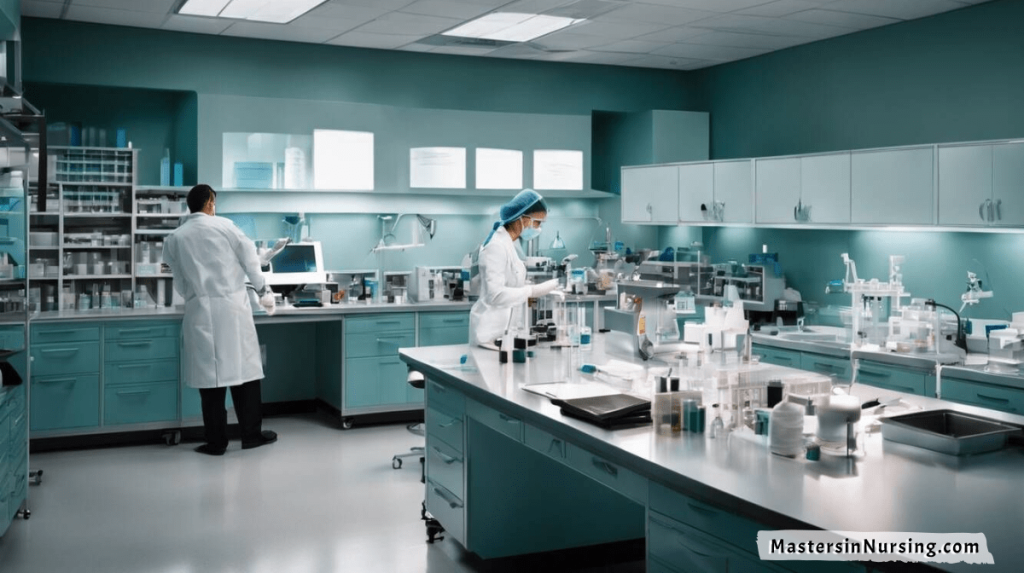
Forensic nursing presents a multitude of employment opportunities spanning various settings, including hospitals, legal institutions, domestic violence centers, psychiatric facilities, and as responders to emergencies like mass casualty events and natural disasters.
In hospitals, forensic nurses are crucial members of the healthcare team, providing care for victims of assault, abuse, or neglect, and offering support to patients with health issues intersecting with legal concerns. Working in legal institutions, forensic nurses contribute expertise to cases involving sexual assault, domestic violence, elder abuse, and child abuse. Their close collaboration with law enforcement and legal professionals ensures effective evidence collection and patient care.
Moreover, domestic violence centers rely on forensic nurses to deliver comprehensive care to abuse survivors. This encompasses physical evaluations alongside compassionate support and patient advocacy. In psychiatric facilities, forensic nurses assess individuals involved in criminal activities due to mental health conditions, ensuring the protection of their rights while addressing safety concerns.
Forensic nurses can also be summoned to respond to emergencies such as mass casualty events and natural disasters. Their proficiency in providing immediate medical care and collecting evidence becomes invaluable in these critical situations, underscoring the importance of their ability to work effectively under high-stress conditions.
Furthermore, forensic nurses collaborate with law enforcement agencies by providing training on healthcare-related topics, assisting in crime scene investigations, and offering expertise in understanding injuries and trauma. Additionally, some may work within correctional facilities, delivering healthcare services tailored to the unique needs of incarcerated individuals.
With such diverse and impactful possibilities, it’s clear that forensic nursing offers a dynamic and challenging career path for those dedicated to leveraging their medical expertise to support individuals in vulnerable situations.
Now that we’ve delved into the broad landscape of employment opportunities for forensic nurses, let’s shift our focus to examine the day-to-day duties that define this vital profession.
Day-to-day Duties of a Forensic Nurse
In the role of a forensic nurse, your work is both critical and intensive. Typically involved in conducting detailed forensic examinations of patients who have experienced trauma, you play a pivotal role in the meticulous evidence collection and preservation, crucial in criminal investigations.
This means spending a considerable amount of time on evidence collection and preservation, which can involve DNA samples, trace evidence, photographs, and more. Each week, you may find yourself conducting multiple forensic examinations, each one demanding your undivided attention and expertise.
Furthermore, a significant part of your day-to-day responsibilities involves providing emotional support to patients who have undergone traumatic experiences. Your ability to offer compassion and guidance can make a world of difference to those affected by violent incidents. These patients often require not just medical care but also someone to listen to them, to provide comfort during distressing moments, and guide them through the complexities of legal processes.
Your role doesn’t stop at the examination table or patient’s bedside. Collaboration with law enforcement and legal professionals is also integral. You’re likely to find yourself working closely with legal authorities, providing expert testimony and evidence for cases related to the trauma incidents you have examined.
This could mean spending time on documentation and report writing to ensure that all necessary information is recorded accurately for use in legal proceedings. Additionally, you might also spend an average amount of time each month in court testimony where your expertise can significantly impact the legal outcomes of cases.
These day-to-day duties demand both professional expertise and empathetic support from you as a forensic nurse. The intersection of patient care, meticulous evidence gathering, emotional support, and collaboration with legal entities makes this role truly multifaceted and critically important.
The multifaceted nature of a forensic nurse’s work leads us to explore the essential skills required to excel in this complex yet rewarding profession.
Necessary Skills in Forensic Nursing
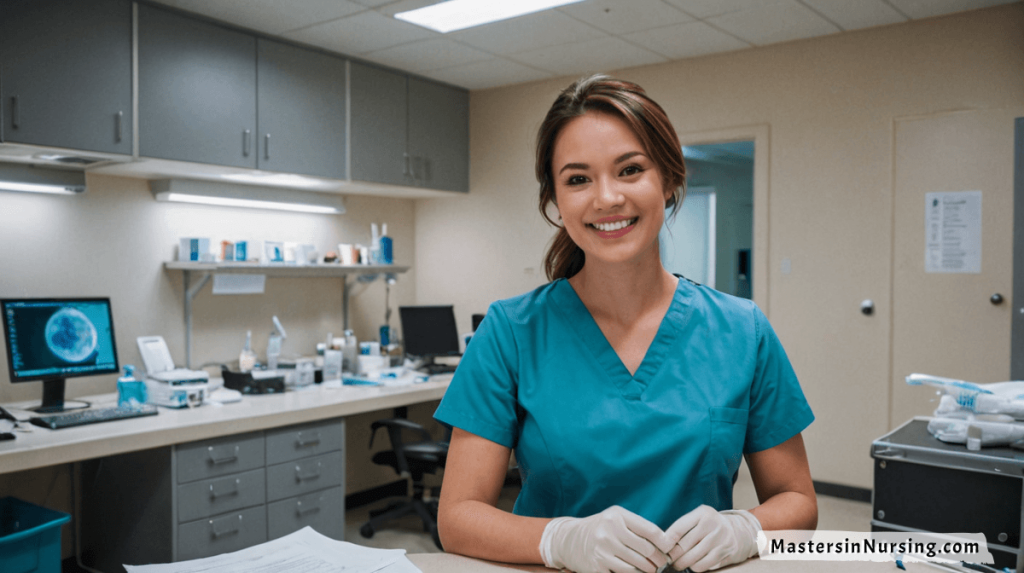
Forensic nursing is a field that demands a unique combination of skills to effectively serve victims and contribute to the criminal justice system. One crucial skill for forensic nurses is attention to detail. When working with evidence from crime scenes or evaluating patients, a meticulous approach is essential to ensure accuracy and thoroughness in documenting evidence.
Imagine being at a crime scene, carefully collecting and preserving evidence that could be vital in solving a case. Every detail must be noted down accurately, ensuring nothing is overlooked or misrepresented. This can be as intricate as correctly documenting physical injuries on a victim to as detailed as preserving biological samples. The ability to maintain precision in their work ensures that the evidence holds up to legal scrutiny, aiding in the pursuit of justice for those affected by criminal acts.
Compassion and Empathy
In addition to attention to detail, compassion and empathy are fundamental attributes for forensic nurses. These professionals often work with individuals who have experienced trauma and violence, necessitating a supportive and non-judgmental environment for patients.
Consider the emotional challenges that come with the job – providing care and support to victims of abuse or assault. Here, compassion plays a central role in helping individuals feel safe and heard during their most vulnerable moments. Empathy enables forensic nurses to establish trust with their patients, which can impact the patient’s willingness to disclose vital information about their experiences.
Such genuine care is not just about making patients feel comfortable; it also directly influences the success of investigations and the outcomes of legal proceedings.
Critical Thinking
Another indispensable skill for forensic nurses is critical thinking. They frequently encounter complex situations that require prompt assessment and decisive action.
For instance, when examining a patient’s injuries, forensic nurses must evaluate whether they align with reported events, assess potential signs of abuse, and consider any underlying mental health concerns—all while making timely, informed decisions about the next steps of care or evidence collection. This demands astute analytical skills, enabling them to weigh multiple factors in high-pressure circumstances to ensure the best possible outcomes for their patients and the legal process.
These abilities are foundational to the success of forensic nursing professionals, empowering them to navigate sensitive situations while delivering optimal care and contributing significant value to the criminal justice system. The foundation of skills needed for successful forensic nursing practices lays the groundwork for the next key aspect: job prospects and salary expectations in this burgeoning field.
Forensic Nurses: Job Prospects and Salary Expectations
When considering a career, job prospects play a pivotal role. Fortunately, for forensic nurses, the outlook is positive. The field is projected to see a 6% increase in employment from 2021 to 2031, indicating growing opportunities due to an aging population and advancements in healthcare technologies.
Moving on to salary expectations, geographic location significantly influences a forensic nurse’s earning potential. In New York, the annual salary averages around $66,391, while in Kentucky, it’s approximately $44,782. These variations underscore the impact of location on earnings within this profession.
In metropolitan areas such as Bolinas, CA; Bellefonte, DE; and New Hartford Center, CT, forensic nurses earn higher salaries compared to their rural counterparts. This disparity is often attributed to the elevated cost of living in urban centers and the amplified demand for specialized healthcare services.
Moreover, experience plays a crucial role in determining salary expectations for forensic nurses. Those with more years of experience tend to command higher wages. It’s common to witness a significant increase in annual income as a forensic nurse gains more expertise and establishes their career.
The median salary for all registered nurses (RNs) nationwide is $81,220 annually or $39.05 per hour. In comparison, forensic nurses earn an average of $72,659 annually or $35 per hour. However, top earners in the field can make upwards of $120,000 annually.
In conclusion, pursuing further education or obtaining additional certifications can significantly enhance a forensic nurse’s earning potential. These credentials often lead to increased responsibilities and higher pay scales within the forensic nursing profession.