
The Importance of Patient Safety and Quality in Healthcare: Best Practices for Improvement
Patient safety and quality shape the backbone of good health care. They guard against health errors that can harm patients, giving effective, timely care that fits their needs. Yet, there’s more to it – they not only protect but also enhance health results. By learning from real-life cases and expert insights, anyone can master these fundamental principles. Now let’s explore this topic deeply.
Patient safety and quality are crucial in healthcare as they ensure the prevention of harm to patients, the effective delivery of care, and positive health outcomes. By prioritizing patient safety and quality, healthcare organizations can reduce medical errors, improve outcomes, and enhance overall patient experience.
Patient Safety and Healthcare Quality: An Overview
Patient safety is about ensuring that patients are protected from unnecessary harm or potential risks while receiving healthcare services. It involves implementing measures, protocols, and systems to prevent errors or adverse events that could negatively impact a patient’s well-being. These errors can range from medication mix-ups to misdiagnoses, and even surgical complications. The Institute of Medicine (IOM) defines patient safety as the prevention of harm to patients by preventing errors, learning from errors that occur, and building a culture of safety.
Healthcare quality, on the other hand, focuses on delivering high-quality care that not only meets the patient’s needs but also improves their health outcomes. This includes the effectiveness of treatments and interventions, the safety of healthcare processes, and the timeliness with which care is delivered. Healthcare quality aims to optimize patient experiences while maximizing successful treatment results. It’s about striving for excellence in every aspect of patient care.
Key Aspects of Patient Safety and Healthcare Quality
To achieve these goals, healthcare providers and organizations must adopt best practices and evidence-based guidelines that promote patient safety and healthcare quality. This can include implementing proper infection control measures, using standardized protocols for medication administration, ensuring accurate patient identification to prevent errors, maintaining effective communication among healthcare teams, and establishing robust strategies for preventing medical errors.
For instance, a simple practice like the “five rights” of medication administration—administering the right medication to the right patient in the right dose via the right route at the right time—contributes significantly to patient safety by minimizing medication errors.
It’s important to recognize that nursing plays a pivotal role in improving quality through patient safety. Nurses are often at the forefront of patient care, coordinating and integrating multiple aspects of care while intercepting errors and near misses. They constantly monitor and surveil for hazards and patient deterioration, enhancing communication among healthcare providers. Research has consistently shown that richer staffing levels with more registered nurses are associated with fewer complications and lower mortality rates.
Understanding these fundamental principles empowers us to take proactive steps towards enhancing healthcare outcomes for patients while fostering a culture of safety within healthcare organizations.
Why Patient Safety and Quality Matter
Imagine going to the hospital for treatment and not knowing if you’ll come out feeling better or worse. That’s why patient safety and healthcare quality are so important. It’s not just about making sure things go well; it’s about preventing things from going wrong in the first place.
When we talk about patient safety, we’re really talking about preventing bad things from happening to patients while they’re in the hospital or clinic. Adverse events, like getting the wrong medicine or contracting an infection while there, can have substantial consequences. Improving patient safety is all about reducing these adverse events as much as possible.
Think about it like this: When you’re driving a car, you put on your seatbelt, stop at red lights, and look both ways before crossing an intersection. You do all these things to stay safe because you know that accidents are dangerous. In the same way, doctors and nurses have to take specific measures to ensure their patients stay safe in the hospital.
One of the important reasons why patient safety is crucial is because it directly affects something called trust, especially between patients and healthcare providers.
When hospitals and clinics focus on safety and quality, it makes patients feel more confident about getting treated there. Just like how we trust a pilot to fly us safely to our destination or a chef to prepare food without making us sick, we also need to trust our healthcare providers. When we know that the people taking care of us are doing everything they can to keep us safe, we feel more comfortable getting the treatment we need. This trust is what keeps patients engaged and helps them stick to their treatment plans.
Trust isn’t a one-way street either; when patients trust their healthcare providers, it creates a positive loop. Patients communicate better with their doctors and nurses, follow through with their recommended treatments, and feel more satisfied with their care.
But why should healthcare organizations care about patient safety and quality? The legal and reputational considerations are equally important. Let’s delve into those next.
Strategies for Preventing Healthcare Errors
In the high-stakes world of healthcare, even the smallest errors can have far-reaching consequences. It’s essential to establish proactive measures to prevent errors before they occur. Let’s explore some key strategies that healthcare institutions can implement to minimize the occurrence of errors and enhance patient safety.
Standardizing Procedures
When procedures are standardized, there’s less room for error. Standardization involves creating clear, uniform protocols and guidelines for healthcare procedures across different departments and facilities. Whether it’s a routine blood draw or a complex surgical procedure, having standardized protocols ensures that every member of the healthcare team follows consistent, evidence-based practices. This not only reduces the likelihood of errors but also minimizes variations in care delivery, ultimately enhancing patient safety and quality of care.
For example, standardizing the steps involved in administering medication reduces the risk of dosage errors. Clear guidelines regarding dosage calculations, administration methods, and monitoring parameters can significantly reduce medication-related errors. Implementing standardized protocols in various clinical areas such as infection control, wound care, and patient monitoring can help streamline processes and eliminate potential sources of error.
Training and Education
Continuous training and education are vital components in equipping healthcare staff with the knowledge and skills necessary to prevent errors. Ongoing education on error prevention techniques, effective communication strategies, and patient engagement practices is crucial for creating an environment where patient safety is prioritized at every level of care delivery.
Training programs that focus on error identification and reporting empower healthcare professionals to recognize potential risks and take proactive measures to prevent adverse events. Additionally, education on effective communication techniques fosters a culture of open dialogue among healthcare team members, enabling timely intervention and resolution of potential issues before they escalate.
Use of Checklists and Decision Support Tools
Integrating checklists and decision support tools into clinical workflows is an effective strategy for error prevention. Checklists provide structured prompts and reminders for healthcare providers, ensuring that critical steps are followed consistently during patient care processes.
By incorporating decision support tools into electronic health records (EHR) systems, healthcare providers receive real-time alerts and recommendations based on evidence-based guidelines and best practices. These tools serve as cognitive aids, helping clinicians make informed decisions and detect potential errors before they manifest into patient harm.
These proactive strategies form a robust framework for error prevention in healthcare settings, emphasizing the significance of standardized procedures, continuous training, and the integration of decision support tools in enhancing patient safety and quality care delivery.
With a solid understanding of proactive measures for error prevention in healthcare, we can now delve into the implementation of safety goals and quality standards for comprehensive patient care.
Implementing Safety Goals and Quality Standards
Healthcare facilities have a crucial role in molding the quality and safety of patient care. By adhering to established safety goals and quality standards, organizations can ensure that they are delivering the best possible care to their patients. One prominent example is the Joint Commission International (JCI), which sets the bar for healthcare accreditation on a global scale. Adhering to JCI standards signals a commitment to delivering care aligning with international best practices.
The JCI evaluates healthcare organizations to ensure they meet rigorous standards in areas such as infection prevention, medication management, patient and family education, leadership, and performance measurement. By implementing these stringent safety and quality goals set by the JCI, healthcare facilities can work towards providing standardized, high-quality care that meets global benchmarks. This not only benefits the patients but also contributes to the overall advancement of healthcare practices.
In addition to adherence to accreditation standards, healthcare institutions can leverage quality improvement programs to fine-tune their operations. Quality improvement initiatives, such as the application of Lean Six Sigma methodology, provide structured approaches to identify and eliminate defects in processes, ultimately leading to improved patient safety and care quality.
Lean Six Sigma aims at enhancing performance by systematically removing waste and reducing variation. By integrating these methodologies into their workflows, healthcare facilities can streamline processes, standardize best practices, and drive continuous improvement throughout their operations. This not only helps in error reduction but also ensures consistent high-quality care delivery. Moreover, it fosters a culture of excellence and innovation within healthcare organizations.
Consider a scenario where a hospital implements Lean Six Sigma principles in its surgical unit. By analyzing the entire surgical process—from preoperative assessments to postoperative follow-ups—the hospital can identify areas for improvement. This might lead to more efficient scheduling of surgeries, reduced waiting times for patients, standardized preoperative protocols for risk assessment, and post-operative monitoring procedures. These systematic improvements contribute significantly to patient safety and enhance overall care quality.
Patient safety and quality standards are not just theoretical concepts; they are living principles that shape the very fabric of healthcare organizations—guiding daily decisions and actions to ensure optimal care delivery for every patient.
Now, let’s uncover how nurses play an integral role in upholding these paramount principles of patient safety.
Role of Nurses in Patient Safety

Nurses are the backbone of patient care in hospitals and clinics. Their role extends far beyond just administering medications and assisting doctors. They play a multifaceted role in ensuring patient safety and improving the quality of care. Let’s explore the specific areas where nurses make a significant impact.
Coordinating Care
Nurses act as a linchpin in coordinating and integrating multiple aspects of patient care. They work closely with physicians, therapists, and other healthcare professionals to ensure that every patient receives comprehensive and seamless care. From managing medications to coordinating diagnostic tests, nurses serve as the glue that keeps the various elements of a patient’s treatment plan together.
They also bridge the gap between patients and other members of the healthcare team, ensuring that communication flows smoothly and effectively. This coordination is vital for preventing errors and oversight, which can have serious implications for patient safety. When different healthcare providers work together seamlessly, it enhances the overall quality of care delivered to the patient.
Monitoring and Surveillance
Another critical aspect of nursing responsibility is continuous monitoring and surveillance within a healthcare environment. Nurses are trained to identify potential hazards, prevent patient deterioration, and intercept errors before they lead to adverse events. This proactive approach to surveillance enables nurses to address any emerging issues promptly, ultimately averting potential harm to patients.
Furthermore, nurses are often the first to notice subtle changes in a patient’s condition, which can be early indicators of complications or adverse events. By staying vigilant and attuned to these subtle shifts, nurses serve as an essential barrier against errors and adverse outcomes.
In essence, the ability of nurses to coordinate care effectively and maintain vigilant surveillance contributes significantly to the prevention of medical errors and the enhancement of patient safety throughout their healthcare journey.
By understanding these critical roles that nurses play in patient safety and quality improvement, we underscore the indispensable value they bring to the healthcare system.
The pivotal contributions of nurses to patient safety are undeniable. Now, let’s turn our attention to the innovative technologies that are revolutionizing healthcare by enhancing patient safety and quality.
Technologies Enhancing Patient Safety and Quality
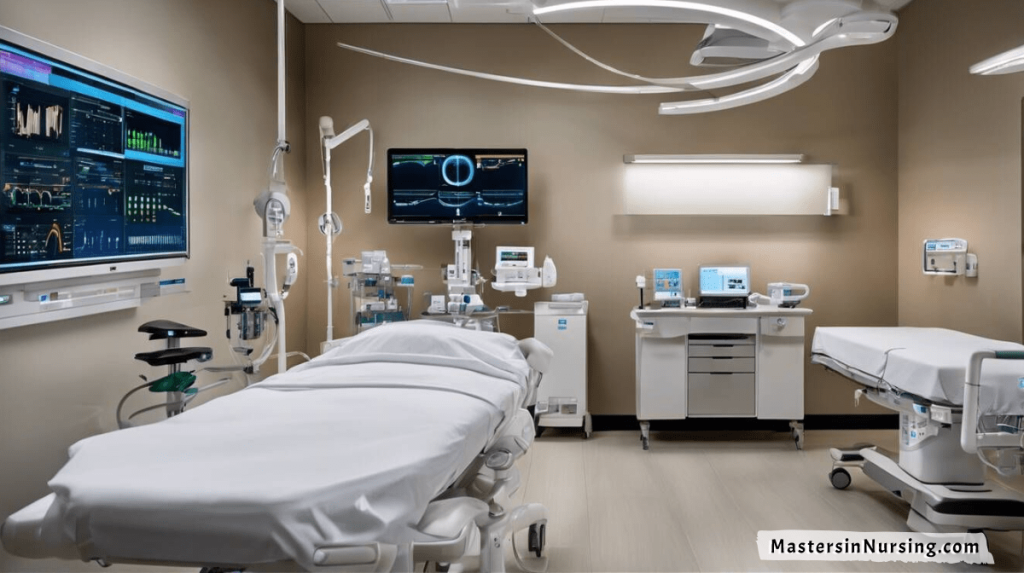
When it comes to providing top-notch patient care, technology has become an indispensable tool in healthcare. The integration of advanced technological systems has revolutionized the way patient safety and quality are managed, offering a seamless way to streamline care processes and minimize errors. Let’s take a closer look at two vital technological assets that have significantly enhanced patient safety.
Electronic Health Records (EHR)
Electronic Health Records (EHR) systems have fundamentally changed the landscape of healthcare delivery. These digital platforms allow healthcare providers to access comprehensive patient information, including medical history, medication lists, diagnostic test results, treatment plans, and more, all in one centralized location. This aids in maintaining accurate patient records and streamlining care coordination among different healthcare professionals involved in a patient’s treatment.
By having quick and easy access to real-time patient data, healthcare professionals can make well-informed decisions regarding diagnosis and treatment, resulting in safer and more efficient care delivery. With EHR systems, team members are better equipped to communicate with each other effectively, ensuring that patients receive integrated and coherent care across various medical settings. The seamless sharing of vital medical information across departments and facilities significantly reduces the likelihood of errors due to miscommunication or incomplete patient records.
Medication Management Systems
In addition to EHR systems, automated medication management systems play a pivotal role in promoting patient safety by minimizing medication errors.
These sophisticated systems provide accurate dosing information, maintain detailed administration records, and issue alerts for potential drug interactions. By automating the medication dispensing process, these systems significantly reduce the occurrence of human errors in dosage calculation and administration. Alerts for possible drug interactions act as a safeguard against adverse drug events, enabling healthcare professionals to make informed decisions regarding a patient’s medication regimen.
For example, if a prescribed medication may interact negatively with another drug the patient is currently taking, the system will immediately alert the healthcare provider, preventing potential harm to the patient.
Furthermore, medication management systems contribute to increased efficiency by simplifying inventory management of medications and ensuring that patients receive their prescriptions on time. This level of accuracy and timeliness not only enhances patient safety but also contributes to higher-quality care delivery overall.
As we continue to explore the impact of technology on patient safety and quality in healthcare, it becomes evident that these advancements are not only transforming processes but also redefining the standards for exceptional care.
Balancing Healthcare Costs and Quality Outcomes
Healthcare costs are a significant concern for individuals, organizations, and governments alike. High-quality care is essential in maintaining patient safety and well-being. However, providing this level of care comes with a financial burden. Balancing healthcare costs while ensuring top-notch quality outcomes is a complex yet critical challenge.
Value-based care models have been gaining attention for their potential to revolutionize healthcare delivery. These models prioritize health outcomes over the volume of services provided. By aligning incentives with patient wellness rather than the quantity of services rendered, value-based care encourages efficiency and effectiveness in healthcare delivery. This approach incentivizes the prevention of unnecessary procedures and encourages proactive, holistic patient management.
Benefits of Value-Based Care Models:
| Benefit | Description |
|---|---|
| Enhanced Patient Wellness | Focuses on wellness and prevention, aiming to keep patients healthier and reduce the need for costly interventions. |
| Cost-Control | Emphasizes health outcomes to reduce overall healthcare expenditures by avoiding unnecessary tests, treatments, or hospitalizations. |
| Improved Care Coordination | Promotes better coordination among healthcare providers, leading to more cohesive and effective patient care. |
Adopting value-based care requires a shift from traditional fee-for-service reimbursement towards a more outcome-driven approach. Patient safety and quality outcomes take center stage in this model, fostering a proactive and preventive approach to healthcare delivery that ultimately benefits both patients and healthcare systems.
In addition to value-based care models, process efficiency plays a pivotal role in navigating the intricate balance between cost control and quality outcomes. Lean methodologies and waste reduction strategies have emerged as powerful tools in streamlining healthcare processes and curbing unnecessary expenses.
Lean Methodologies: Drawing inspiration from manufacturing practices, lean methodologies focus on eliminating waste, improving operational efficiency, and optimizing resource utilization. By reducing non-essential processes and streamlining workflows, healthcare facilities can enhance the value they deliver to patients while simultaneously trimming excess costs.
Advantages of Process Efficiency Measures:
- Cost Savings: Identify and eliminate inefficiencies result in reduced operational costs without compromising quality.
- Enhanced Patient Experience: Quicker response times, reduced wait times, improved overall patient experience.
- Resource Optimization: Redirect saved resources towards enhancing care quality and patient safety initiatives.
For instance, introducing standardized workflows for medication administration not only reduces errors but also minimizes wastage of medications, thereby contributing to cost containment.
By integrating value-based care models and process efficiency strategies into healthcare delivery, organizations can achieve a harmonious equilibrium between controlling costs and safeguarding exceptional quality outcomes for their patients.
In this high-stakes game of cost management and quality enhancement, striking a balance between financial prudence and patient well-being stands as a testament to the progressive nature of our healthcare systems. Remember that prioritizing both can lead to optimal results.