
Care Coordination Nurse (CCN): Role and Responsibilities in Healthcare
A Care Coordination Nurse, or CCN, is like the master chef of health care. Just as the chef conducts the kitchen, ensuring all dishes are ready at the right time in perfect harmony, so too does a CCN ensure every aspect of patient care is well-coordinated and efficient. They take care of everything from managing medical services and resources to ensuring smooth transitions for patients between healthcare settings. But unlike a general nurse, a CCN doesn’t just look after patients – they also take care of communication with professionals, similar to how a head chef corresponds with suppliers, staff, and customers. Let’s start peeling back the layers of this fascinating role now.
A Care Coordination Nurse (CCN) plays a pivotal role in ensuring seamless healthcare experiences for patients by conducting assessments, developing individualized care plans, coordinating with medical teams, and connecting patients with essential resources and services. Additionally, they may be involved in coordinating care transitions and advocating for patients’ needs to optimize their overall well-being.
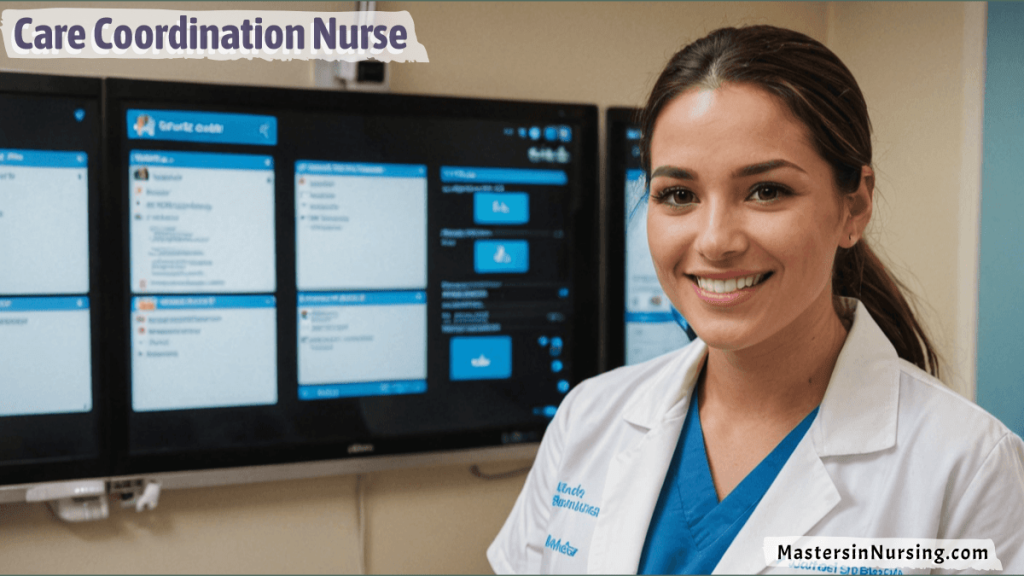
Defining a Care Coordination Nurse (CCN)
At its core, the role of a Care Coordination Nurse (CCN) is to help patients and their families navigate the complex healthcare system. They serve as a crucial link between patients, healthcare providers, and community resources, working tirelessly to ensure that each patient receives the necessary care and support.
This means CCNs need to have an in-depth understanding of various medical conditions and the services available to address them. More than just knowing the ins and outs of nursing, they must also be familiar with community programs and social services that can aid with patient recovery and well-being.
For example, suppose a patient is discharged from the hospital after a serious illness or injury. Here’s where the CCN steps in: they’ll work closely with the patient’s primary care physician to ensure a smooth transition from hospital care back to routine, everyday life. They may arrange for home health services, physical therapy sessions, or even assist with establishing a support system in the community should the patient require it.
Beyond simply making arrangements, CCNs are champions for their patients. They advocate on behalf of those under their care, ensuring that their unique needs are met and that they have a voice in their healthcare journey. This advocacy extends beyond clinical settings—CCNs might also help patients access insurance coverage or financial assistance for medical expenses. Imagine being responsible for managing a patient’s journey through countless healthcare experiences—how would you ensure that their specific needs are met at every stage of the process?
One might argue that CCNs primarily focus on administrative tasks rather than hands-on nursing care. However, it’s important to recognize that their job involves both elements: while they do handle paperwork and coordination, they’re also intimately involved in the patient’s care plan.
In essence, the role of a CCN is multifaceted and dynamic, requiring not only strong medical knowledge but also exceptional communication and interpersonal skills.
The multifaceted role of a CCN brings invaluable support to patients navigating complex healthcare landscapes. Now, let’s explore how CCNs integrate into healthcare teams as a crucial linchpin for comprehensive patient care.
CCN: A Crucial Part of a Healthcare Team
Imagine a symphony orchestra—each instrument playing its part but needing to mesh together perfectly to create beautiful music. The healthcare system is quite similar, with each professional responsible for their own task yet reliant on others to truly harmonize and provide the best care possible. The Care Coordination Nurse (CCN) is much like the conductor, orchestrating a collaborative effort among various medical professionals and ensuring that every patient receives personalized, high-quality care.
Every day, CCNs work across different departments and facilities, liaising with primary care physicians, specialists, pharmacists, social workers, and other healthcare providers – ensuring that vital information, such as diagnostic results and treatment plans, is promptly communicated and care is effectively coordinated.
For instance, they might facilitate discussions between a patient’s primary care physician and an oncologist to develop an integrated treatment plan for cancer patients that takes into account all aspects of their health.
This harmonization of care significantly improves patient outcomes and satisfaction while reducing the likelihood of costly hospital readmissions and unnecessary emergency department visits. It’s all about connecting the dots and ensuring that every member of the patient’s care team is on the same page.
It’s not just about coordinating care; it’s also about empowering patients. CCNs often function as educators, equipping patients with the information and resources necessary to actively participate in their own care.
By providing guidance on self-management techniques, medication adherence, and lifestyle modifications, they enable patients to take charge of their health and well-being. This proactive approach fosters a sense of empowerment and ownership over their health journey, leading to better treatment adherence and long-term health improvements.
In addition to patient education, CCNs also advocate for their patients’ needs within the healthcare system—whether it’s arranging for specialized home care services or addressing financial barriers to treatment. They serve as a vital voice for patients in navigating complex healthcare landscapes.
For example, they may intervene to secure transportation assistance for elderly patients or help arrange for in-home support services for those with limited mobility or chronic illnesses.
Their ultimate goal is to ensure that each patient receives the comprehensive care they deserve without encountering unnecessary hurdles or obstacles along the way.
Unveiling the multifaceted impact of a Care Coordination Nurse, their role extends far beyond mere coordination; they are key players in fostering collaboration among healthcare professionals, empowering patients, and advocating for optimal care delivery.
The Relevance of CCN in Patient Services
Enhanced Patient Experience: Navigating the complex world of healthcare services while feeling unwell or concerned about a loved one’s health can be overwhelming and confusing. This is where Care Coordination Nurses (CCNs) come in and make a real difference.
CCNs advocate for patients by being their voice when they’re at their most vulnerable. They take the time to understand each patient’s unique situation, addressing their concerns and linking them to essential resources and services. This personalized approach doesn’t just streamline care; it significantly contributes to improved patient satisfaction and better overall health outcomes. By reducing stress and confusion for patients, CCNs pave the way for a more positive journey through the healthcare system.
Consider a patient undergoing treatment for a chronic condition. They might have to juggle multiple appointments with different specialists, numerous medications, and ongoing therapy sessions. The CCN steps in to ensure that this patient has a clear roadmap, understands their treatment plan, and has access to community resources that may support them on their health journey.
By providing continuous support and guidance, CCNs essentially become the patient’s ally at every step of their healthcare experience. This not only creates a sense of security for the patient but also streamlines the care process, minimizing unnecessary delays and oversights.
Improved Outcomes
The impact of effective care coordination on patient outcomes is striking. Studies have shown that patients who receive coordinated care typically experience reduced hospital readmission rates and better management of their chronic conditions.
Imagine this: A patient with a chronic condition receives timely follow-ups, proper medication management, and regular check-ins from coordinated care. This level of attention significantly reduces the likelihood of severe complications that may result in an emergency room visit or hospital readmission.
Furthermore, by ensuring seamless transitions between different healthcare settings such as hospitals, rehabilitation centers, and home care, CCNs play a pivotal role in preventing gaps in care delivery. They work hand-in-hand with multidisciplinary teams to guarantee that every aspect of the patient’s needs is addressed, leading to improved health outcomes across the board.
For instance, studies have demonstrated that care coordination by CCNs can result in up to a 20% reduction in hospital readmission rates for certain patient populations—clear evidence of the substantial impact that CCNs have on improving patient health outcomes.
It’s evident that CCNs are instrumental in not only enhancing the overall patient experience but also significantly contributing to improved health outcomes through efficient care coordination. Their role as advocates for patients goes a long way in ensuring that patients receive comprehensive and personalized care that directly translates into better health results.
As we take a closer look at the integral role CCNs play in patient care assessment and planning, we’ll uncover the depth of their influence on the healthcare landscape.
CCN’s Role in Patient Care Assessment and Planning

When it comes to patient care, a Care Coordination Nurse (CCN) is like a detective. They don’t solve crimes, but they do work tirelessly to gather all the important information necessary for creating a customized care plan that addresses every aspect of a patient’s health. This involves going beyond just understanding a patient’s medical needs; it involves taking into account their living conditions, social and emotional support systems, and any potential barriers to following their treatment effectively.
It’s not just about gathering data; it’s about understanding how that data impacts the patient’s life and healthcare decisions. Let’s talk about this comprehensive process.
Thorough Patient Evaluations
CCNs are tasked with conducting thorough evaluations of a patient’s medical history. It goes beyond reading charts – they actively engage with the patients, seeking to understand their everyday realities. They’ll explore everything from previous treatments and diagnoses to the medications being taken, and any potential risk factors or barriers to adherence.
This process also involves looking at various “non-medical” aspects such as where the patient lives, who provides them with support at home, and what their overall living situation is like. These details can be crucial in identifying potential challenges or concerns that may impact the efficacy of their treatment plan.
Identifying Potential Barriers to Treatment Adherence
Getting a proper grasp of the patient’s lifestyle isn’t just about background information; it’s also about foreseeing any difficulties they may face when trying to follow their treatment plan. A CCN looks at things like access to transportation, financial constraints, language barriers, or even cultural considerations.
A patient might live in an area where public transportation is limited, making it difficult for them to get to appointments. Or perhaps there are financial constraints that prevent them from affording certain medications. These are real-world issues that must be considered when putting together an effective care plan.
Establishing Personalized Care Plans
All this information feeds into creating an individualized care plan tailored specifically to the patient’s needs. It considers not only physical health but also takes into account the emotional and social factors influencing a patient’s decision-making.
The beauty of these personalized plans lies in their ability to address each patient as a whole person. It takes into account not just their clinical needs but also their emotional and social realities. For example, it could involve collaborating with mental health professionals if emotional well-being has been identified as an essential part of recovery.
The comprehensive assessments conducted by CCNs lay a strong foundation for crafting care plans that truly reflect the unique needs of each patient, ensuring a more holistic approach to healthcare that goes beyond just medical treatment.
With the foundation of personalized care plans firmly established, let’s now turn our attention towards examining how CCNs uphold quality control measures within healthcare governance.
Governance of Quality Control by CCN
The responsibility of ensuring compliance with established standards and guidelines falls within the purview of Care Coordination Nurses (CCNs). This pivotal role demands meticulous attention to detail and a comprehensive understanding of various accreditation standards, including those set forth by The Joint Commission, as well as the guidelines outlined by the Centers for Medicare & Medicaid Services (CMS).
CCNs align patient care with quality measures and guidelines to ensure the delivery of safe and effective care. By leveraging their expertise in data-driven oversight, they contribute significantly to continuous improvement in care delivery and patient safety. Monitoring and assessing patient care processes help identify areas that require attention or improvement, leading to better overall outcomes.
Their involvement in quality control extends beyond ensuring compliance with external regulations. CCNs also play a vital role in maintaining adherence to internal policies and procedures within healthcare organizations. Not only do they work collaboratively with multidisciplinary teams to streamline processes, but they also facilitate training sessions to ensure staff members understand and implement best practices.
For instance, a CCN may actively participate in reviewing documentation related to patient care, conducting regular audits to ensure accuracy and completeness. Additionally, they provide guidance on suitable interventions based on the assessment of patients’ needs, thereby contributing to the maintenance of high standards of care across all touchpoints.
Moreover, CCNs are instrumental in promoting a culture of continuous improvement within healthcare institutions by fostering an environment where feedback is welcomed, analyzed, and applied to enhance care delivery. They utilize their expertise to address any potential gaps in care coordination processes, subsequently striving for sustained excellence in patient care.
In essence, the governance of quality control by CCNs encompasses a multifaceted approach aimed at upholding standards, aligning with regulatory requirements, and cultivating an environment conducive to continuous enhancement of care delivery and patient safety. Their steadfast dedication to promoting excellence serves as a cornerstone for elevating the overall quality of healthcare services provided.
With a solid foundation laid by CCNs in maintaining quality control in healthcare delivery, it’s imperative to explore how technology plays a crucial role in enhancing their communication processes and optimizing patient care.
Incorporation of Technology in CCN’s Communication

Records and documentation form the foundation of healthcare communication. Picture this – health information must be exchanged quickly and securely across multidisciplinary teams. This is where health information systems come into play. Electronic health records (EHR) and other collaborative platforms are leveraged by Care Coordination Nurses to ensure critical patient information, treatment plans, and care transitions are communicated accurately and efficiently.
It’s akin to having a digital library brimming with patient health history, accessible to physicians, nurses, therapists, and other healthcare professionals at their convenience. Instead of hand-delivering or waiting for faxes for vital patient data, these systems streamline communication and facilitate effective collaboration within care teams.
For instance, when a CCN needs to relay the progress or alterations in a patient’s condition to other healthcare professionals, they can swiftly update the electronic health record system. This not only saves time but also ensures that everyone involved in the patient’s care is consistently up-to-date.
Research has demonstrated that integrating technology into healthcare communication has led to more efficient and accurate coordination of care. Patient safety and outcomes have improved as a result. Access to real-time data helps care teams make informed decisions, culminating in better patient care experiences.
The use of technology in communication has also positively impacted the speed at which patients’ records can be accessed – critical for making timely clinical decisions.
In summary, the integration of technology in CCN’s communication not only enables seamless sharing of crucial information but also enhances the accuracy and efficiency of care coordination. It empowers healthcare professionals to work harmoniously towards providing high-quality, coordinated care to patients.
Now, let’s delve into how CCNs harness these technological advancements to improve patient experience and outcomes through effective collaboration within multidisciplinary healthcare teams.
How CCN Supports Medication and Clinical Treatment
Patients often find medications confusing, hard to keep track of, and sometimes scary. This is where a Care Coordination Nurse comes in. They handle all aspects of the patient’s medication and treatment to make sure they’re on the right track.
It starts with helping the patient understand what each medication does and why they need it. Sometimes, people are prescribed many different medications, and it can be overwhelming to keep track of them all. CCNs help by explaining each medication, including its purpose, how to take it, and any potential side effects to watch for.
For instance, imagine you have a patient who has just been prescribed a new diabetes medication along with a couple of other regular medications for blood pressure. The CCN would carefully go over each medication, discussing the importance of adherence and the potential risks of not taking them as directed.
This step is crucial because if patients don’t understand why they’re taking certain medications or what might happen if they don’t take them correctly, they may be less likely to stick to their regimen or report issues when they arise.
Beyond educating patients about their medications, CCNs also shoulder the responsibility of addressing potential side effects. They guide patients on what is normal and expected and what should prompt them to seek medical advice.
Consider a patient who has started a new medication for high cholesterol. If they experience muscle pain after starting the medication, they may be unsure if this is normal or a potential side effect. CCNs can provide guidance on when to contact their healthcare provider about such symptoms, ensuring timely intervention and peace of mind for the patient.
In addition to patient education and side effect management, CCNs also make sure patients are sticking to their prescribed regimens. They follow up with patients regularly to inquire about adherence, address any barriers they may be facing, and discuss strategies to improve compliance.
It’s like having a personal cheerleader and coach rolled into one! For example, if a patient is having trouble remembering to take their cholesterol-lowering medication every day, the CCN might suggest setting regular reminders on the patient’s phone or creating a pill organizer to help them keep track easily.
By guiding patients through their medications, addressing potential side effects, and ensuring adherence, CCNs play an integral role in optimizing patients’ understanding of their treatments and promoting positive health outcomes. The role of Care Coordination Nurses is indispensable in ensuring that patients receive the right support, education, and guidance concerning their medications and treatment plans. Their contribution significantly enhances patient outcomes and quality of care.