
Holistic Nursing: Integrative Approaches for Wellness and Healing
Holistic nursing isn’t a trend; it’s a transformational shift in how we approach healthcare. This immersive health philosophy aims to engage the whole person, connecting body, mind, and spirit to promote wellness and facilitate healing. So buckle-up as we prepare to delve into the rousing world of holistic nursing – a realm where traditional medical science is woven seamlessly with integrative therapies for profound patient well-being.
A holistic nurse is a specialized healthcare professional who takes a comprehensive approach to patient care, considering the physical, mental, emotional, spiritual, and environmental aspects of an individual’s well-being. They integrate mainstream and complementary healing modalities to support individuals in achieving their optimal health and wellness. Holistic nurses work in various healthcare settings and provide personalized care that addresses the whole person, promoting balance and healing.

Defining Holistic Nursing
Holistic nursing, also referred to as integrative nursing, is a specialized approach within the nursing profession that recognizes and cares for individuals as holistic beings. It embraces the understanding that each person possesses physical, mental, emotional, spiritual, and environmental dimensions that are interconnected and influence their overall well-being. The role of a holistic nurse is to value and integrate these various aspects into the care provided. They view patients not just as a collection of symptoms or diseases but as whole individuals with unique strengths, challenges, and healing potential.
Holistic nursing takes into account the condition of the whole person during each step of the nursing process – from assessment and diagnosis to planning, intervention, and evaluation. This comprehensive approach allows for a deeper understanding of patients’ needs and helps identify underlying factors contributing to their health issues. By addressing these factors holistically, nurses can support patients in achieving optimal wellness and healing.
For instance, imagine a patient dealing with chronic back pain. A holistic nurse would not solely focus on managing the pain symptoms but would also explore potential underlying causes such as stress levels, lifestyle choices, or even emotional distress that may be contributing to the pain. Holistic nursing aims to go beyond mere symptom management and seeks to address the root cause of health concerns.
Incorporating holistic principles into clinical practice extends beyond managing physical symptoms. Holistic nurses also emphasize self-care practices such as stress reduction techniques, healthy eating habits, exercise routines, and mindfulness practices. By integrating these modalities into their own lives, they serve as role models for patients in promoting wellness and facilitating the healing process.
Now that we have a clear understanding of what holistic nursing encompasses let’s delve into the fundamental principles that guide this approach.
Fundamental Principles of Holistic Care
Holistic care is grounded in several core principles that guide the practice of holistic nursing. These principles provide a framework for delivering integrated and patient-centered care that honors the uniqueness and complexity of each individual. Let’s explore some of these fundamental principles:
- Individualized Care: Holistic nursing recognizes that each person has unique needs and experiences. It emphasizes providing individualized care tailored to address specific physical, emotional, mental, and spiritual aspects.
- Holistic Assessment: Holistic nurses conduct thorough assessments that go beyond physical symptoms. They consider factors such as lifestyle, social support systems, beliefs, and values to gain a comprehensive understanding of the patient’s health status.
- Collaborative Partnership: Holistic nurses emphasize building collaborative relationships with patients, acknowledging them as active participants in their care. This partnership fosters trust and empowers patients to take ownership of their health.
- Promotion of Self-Healing: Instead of merely treating symptoms, holistic nursing focuses on supporting the body’s innate healing abilities. Nurses empower patients by teaching self-care techniques that promote healing and wellness.
- Integration of Complementary Modalities: Many holistic nurses are trained in various complementary or integrative healing modalities such as aromatherapy, acupuncture, Reiki, or herbalism. These modalities can be used alongside conventional medicine to enhance overall well-being.
By adhering to these principles, holistic nurses offer a unique perspective that complements mainstream healthcare practices and promotes a more comprehensive approach to wellness and healing.
The Role of a Holistic Nurse in Patient Care
Holistic nursing is a specialty within the nursing profession that focuses on recognizing and caring for the totality of the human being. A holistic nurse values each person’s physical, mental, emotional, spiritual, and environmental strengths and challenges. When it comes to patient care, the role of a holistic nurse extends beyond simply treating symptoms or diseases. They take into account the condition of the whole person during assessment, diagnosis, planning, intervention, and evaluation.
A holistic nurse understands that healing goes beyond just physical health. They recognize that emotional and mental well-being are interconnected with physical health. They prioritize establishing genuine connections with their patients and strive to create environments that support overall wellness.
In addition to addressing immediate health concerns, holistic nurses use holistic principles and modalities in their daily life and clinical practice to facilitate the healing process. They work collaboratively with patients to develop individualized plans that encompass not only conventional medical approaches but also complementary and integrative therapies.
For example, a holistic nurse might incorporate techniques such as massage therapy, aromatherapy, mindfulness practices, herbal remedies, or energy healing into their patient’s care plan. These approaches aim to support the body’s natural healing abilities while promoting overall well-being.
Holistic nurses are also advocates for empowering patients to actively participate in their own healing journey. They provide education and guidance on lifestyle modifications like exercise, stress management techniques, nutritional choices, and self-care practices that can contribute to improved health outcomes.
Now that we have explored the role of a holistic nurse in patient care, let’s shift our focus to the importance of adopting a team-based approach in holistic nursing.
- As per ‘Global Advances in Health and Medicine’, approximately 67% of adults in the United States use at least one form of complementary and alternative therapy, raising the need for integrative healthcare approaches such as those offered by holistic nurses.
- According to research published in the Journal of Nurse Practitioners, about three-quarters (74.6%) of patients desire a more integrative approach that combines conventional and holistic medical practices.
- The National Center for Complementary and Integrative Health (NCCIH) stated that in 2020, approximately $30.2 billion was spent by Americans on complementary health approaches – an indication of the emerging potential field for holistic nursing.
Adopting a Team-Based Approach
In holistic nursing, collaboration and teamwork are essential components. A holistic nurse recognizes that optimal patient outcomes are best achieved through an interdisciplinary approach. By working collaboratively with other healthcare professionals, including physicians, therapists, nutritionists, and alternative practitioners, a holistic nurse can offer comprehensive and integrative care.
Holistic nurses actively participate in interdisciplinary discussions and contribute their unique perspective on patient care. They bring their knowledge of complementary and alternative healing modalities to the table, promoting open dialogue and mutual respect among team members.
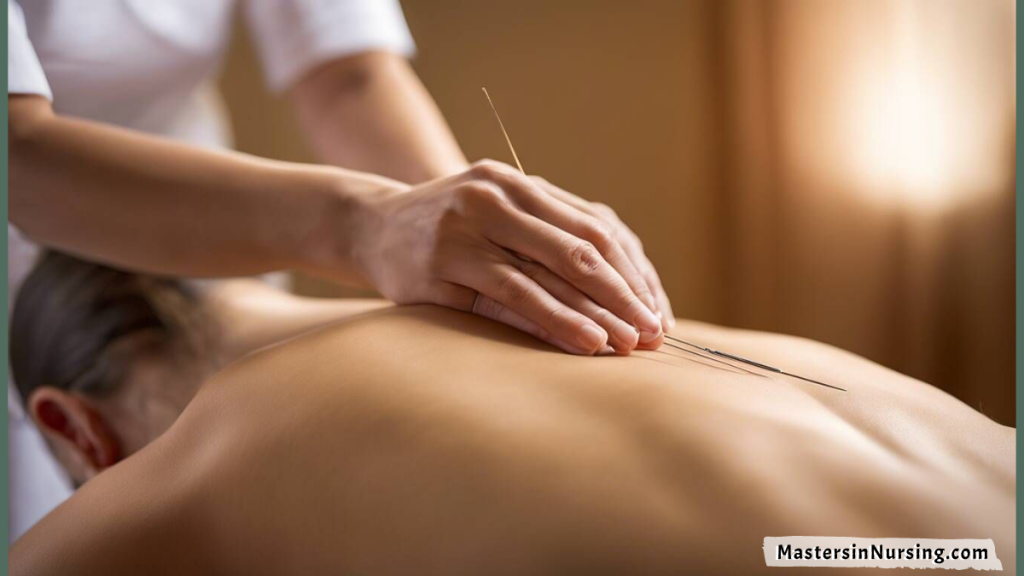
For instance, imagine a patient undergoing cancer treatment who is experiencing side effects like nausea and fatigue. The team might include an oncologist, a nutritionist, a physical therapist, and a holistic nurse. Together, they would develop a comprehensive plan that combines conventional medical treatments with therapies such as acupuncture to alleviate symptoms and enhance the patient’s well-being.
By fostering effective communication and collaboration within the healthcare team, holistic nurses ensure that the diverse needs of patients are addressed from multiple angles. This multidisciplinary approach enhances patient-centered care by considering all aspects of the individual – mind, body, and spirit.
Some may argue that incorporating alternative therapies into mainstream medicine dilutes evidence-based practice or promotes pseudoscientific ideas. However, it’s crucial to recognize that holistic nursing approaches are not about abandoning proven medical interventions but rather complementing them with additional modalities that have shown promise in promoting healing and improving quality of life for patients.
Having discussed the importance of adopting a team-based approach in holistic nursing, we can now explore the skills and qualifications required to become a holistic nurse.
Skills and Qualifications Needed to Become a Holistic Nurse
Becoming a holistic nurse requires a unique set of skills and qualifications that go beyond the traditional nursing scope. While the core nursing competencies such as basic healthcare knowledge, critical thinking, and compassion remain crucial, holistic nursing incorporates additional dimensions to provide comprehensive care.
One of the fundamental skills needed by a holistic nurse is active listening. By truly listening to patients’ concerns, fears, and desires, holistic nurses establish strong therapeutic relationships based on trust and empathy. They create a safe space for patients to share their experiences openly, allowing for a more accurate assessment of physical, emotional, mental, social, and spiritual needs.
For instance, imagine a patient who is struggling with chronic pain after undergoing multiple surgeries. Rather than solely focusing on administering pain medications, a holistic nurse would actively listen to the patient’s experience, exploring possible alternative therapies such as acupuncture or mindfulness techniques that address not only the physical but also the emotional and mental aspects of pain management.
Beyond active listening, emotional intelligence plays a crucial role in holistic nursing. This skill involves being self-aware of one’s own emotions and effectively recognizing and managing the emotions of others. It allows holistic nurses to connect with patients on a deeper level and provide compassionate care tailored to each individual’s unique needs.
Some key skills and qualities essential for holistic nurses include:
| Skills/Qualities | Description |
|---|---|
| Empathy | Demonstrating understanding and sensitivity towards patients’ feelings |
| Cultural Competence | Recognizing diversity and incorporating cultural beliefs into care practices |
| Communication | Effectively conveying information while actively listening |
| Critical Thinking | Analyzing situations in-depth to provide optimal solutions |
| Intuition | Trusting gut instincts while making clinical decisions |
| Self-Care | Practicing self-care to prevent burnout and promote personal well-being |
| Therapeutic Touch | Utilizing touch to establish a healing connection with patients |
| Holistic Knowledge | Acquiring knowledge in various complementary and alternative therapies |
| Reflective Practice | Engaging in self-reflection to continuously improve nursing practice |
| Spiritual Awareness | Recognizing the importance of spirituality in holistic care |
Alongside these skills and qualities, obtaining the necessary certifications and access to learning resources is crucial for aspiring holistic nurses.
Required Certifications and Learning Resources
To enhance your expertise and credibility as a holistic nurse, pursuing certifications is highly recommended. The American Holistic Nurses Credentialing Corporation (AHNCC) offers various certifications suitable for different levels of nursing practice. These include:
- Holistic Nurse Board Certified (HN-BC): This certification recognizes registered nurses who have met educational and clinical practice requirements in holistic nursing.
- Holistic Nurse Baccalaureate Board Certified (HNB-BC): For those with a baccalaureate degree, this certification emphasizes advanced practice in holistic nursing.
- Advanced Holistic Nurse Board Certified (AHN-BC): Designed for nurses holding a master’s or doctoral degree, this certification focuses on advanced holistic nursing practice.
- Advanced Practice Holistic Nurse Board Certified (APHN-BC): This certification validates the specialized knowledge and skills of nurses working at an advanced level within holistic nursing.
By obtaining these certifications, you demonstrate your commitment to providing holistic care, enhance your professional growth opportunities, and earn recognition among employers and colleagues.
In addition to certifications, learning resources are essential for expanding your understanding of holistic nursing. These resources can include books, online courses, workshops, conferences, and mentorship programs specializing in complementary therapies, mindfulness practices, energy healing, nutrition, and more.
For instance, attending a workshop on therapeutic touch can provide you with practical knowledge on using touch to promote healing and well-being in patients. Reading books written by renowned holistic nurses can offer valuable insights into integrating holistic care principles into your practice.
However, it’s worth noting that while certifications and learning resources contribute to professional development, they do not replace the importance of hands-on experience and personal growth as a holistic nurse. It is the combination of theoretical knowledge, skills, continuous reflection, and self-care that truly shapes an exceptional holistic nursing practice.
With the necessary skills and qualifications in place, holistic nurses are equipped to apply integrative approaches to promote wellness and healing in their patients.
Exploring the Modalities Practiced by Holistic Nurses
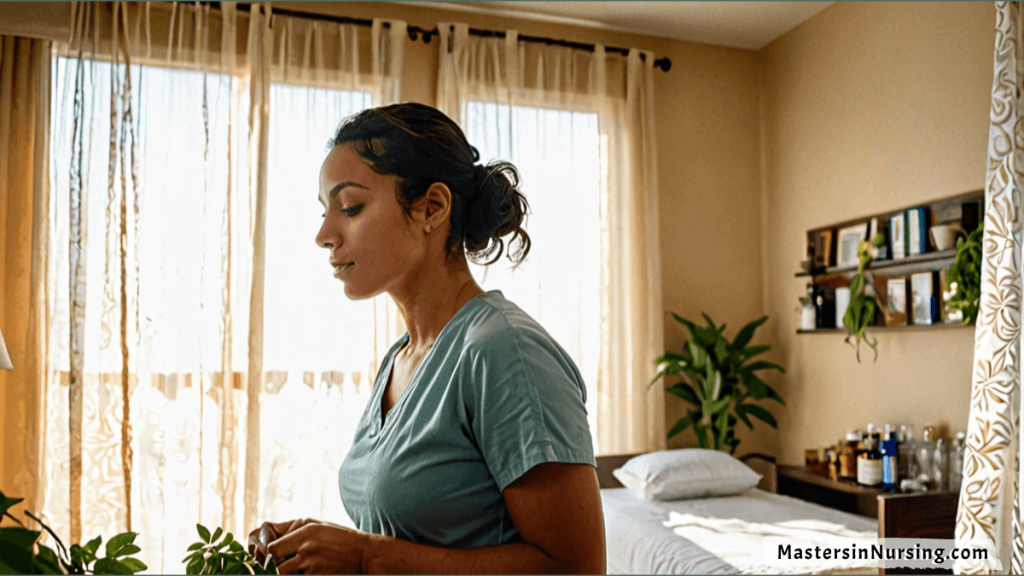
Holistic nursing embraces a wide range of modalities that go beyond conventional medical practices and focus on nurturing the mind, body, and spirit of patients. These modalities are designed to address the individual as a whole, acknowledging the interconnectedness of their physical, emotional, social, and spiritual well-being.
Some of the modalities commonly practiced by holistic nurses include:
- Reiki: A form of energy healing that promotes relaxation and balance by channeling universal life force energy.
- Aromatherapy: The use of essential oils to support physical and emotional health through inhalation or topical application.
- Mindfulness: The practice of being fully present in the moment, promoting stress reduction, self-awareness, and overall well-being.
- Herbal Medicine: Utilizing botanical remedies to support health and healing.
- Therapeutic Touch: A non-invasive energy therapy that aims to restore harmony and balance in the energy field surrounding the body.
For instance, imagine a patient who is experiencing high levels of anxiety before undergoing surgery. A holistic nurse might utilize aromatherapy by diffusing lavender essential oil in the room to promote relaxation and calmness. Additionally, they may incorporate mindfulness techniques such as deep breathing exercises to help the patient manage their stress and feel more grounded.
Each modality brings a unique set of benefits and can be tailored to meet the specific needs of patients. Holistic nurses are trained in these approaches and assess each patient holistically to determine which modalities may be most beneficial for their well-being.
Now that we have explored some of the modalities practiced by holistic nurses, let’s delve into how these practitioners bridge conventional medicine with alternative therapies.
- Holistic nursing embraces a wide range of modalities beyond conventional medicine, focusing on nurturing the mind, body, and spirit of patients. These modalities, such as reiki, aromatherapy, mindfulness, herbal medicine, and therapeutic touch, are designed to address the individual as a whole and promote overall well-being. Holistic nurses assess each patient holistically to determine which modalities may be most beneficial for their specific needs. By incorporating alternative therapies alongside conventional medicine, holistic nurses provide comprehensive care that bridges the gap between physical and emotional health.
Bridging Conventional Medicine and Alternative Therapies
Holistic nursing acknowledges the value of both conventional medicine and alternative therapies. Rather than viewing them as opposing approaches, holistic nurses strive to integrate the best of both worlds to provide comprehensive and patient-centered care.
Conventional medicine, with its evidence-based practices and pharmaceutical interventions, plays a crucial role in diagnosing and treating diseases. It excels in acute care, emergency situations, and complex medical conditions. On the other hand, alternative therapies focus on promoting overall well-being, preventing disease, and enhancing the body’s natural healing processes.
Holistic nurses act as advocates for their patients by bridging these two realms. They collaborate with healthcare providers to ensure that alternative therapies are used safely and effectively alongside conventional treatments. By integrating approaches such as acupuncture, massage therapy, or herbal supplements into a patient’s treatment plan, holistic nurses can enhance their overall health outcomes.
Imagine a cancer patient undergoing chemotherapy who is experiencing severe nausea as a side effect. A holistic nurse might work collaboratively with the oncology team to incorporate ginger capsules or acupuncture sessions to help alleviate the nausea while continuing with conventional cancer treatments.
This integration of conventional medicine and alternative therapies promotes a more holistic approach to patient care. It not only addresses the physical symptoms but also focuses on emotional support, pain management, stress reduction, and overall well-being.
By embracing both conventional medicine and alternative therapies, holistic nursing creates a powerful synergy that supports patients in their journey toward wellness.
The Impact and Benefits of Holistic Nursing
Holistic nursing, with its focus on integrative approaches for wellness and healing, has had a profound impact on the healthcare industry. By acknowledging and addressing the interconnectedness of the mind, body, and spirit, holistic nursing practices offer a more comprehensive and personalized approach to patient care.
One of the notable benefits of holistic nursing is its emphasis on preventative care. Rather than solely focusing on treating illness or symptoms, holistic nurses strive to promote overall wellbeing and prevent health issues before they arise. This proactive approach can have far-reaching positive effects on individuals’ physical, mental, and emotional health.
By considering the whole person rather than just their ailments, holistic nurses create a nurturing and patient-centered environment that encourages healing and empowerment. They prioritize building trusting relationships with patients, taking the time to listen to their concerns, values, and goals. This deep level of connection fosters an atmosphere of mutual respect and understanding that can greatly enhance patient satisfaction and engagement in their own healthcare journey.
For instance, imagine a patient who is grappling with chronic pain due to a combination of physical and emotional factors. A holistic nurse would not only provide pain management interventions but also explore the underlying emotions contributing to the pain. Through therapeutic techniques such as counseling, mindfulness practices, or alternative therapies like acupuncture or massage therapy, holistic nurses help patients find relief while addressing the root causes of their suffering.
Another essential benefit of holistic nursing is its commitment to providing care that is culturally sensitive and inclusive. Holistic nurses recognize that each individual brings unique cultural backgrounds, beliefs, and values to their healthcare experience. By incorporating elements from diverse healing traditions and integrating cultural practices into care plans, holistic nursing ensures that patients receive treatment that aligns with their cultural identities.
| Impact and Benefits of Holistic Nursing |
|---|
| Proactive approach to preventative care |
| Patient-centered care focused on mind, body, and spirit |
| Empowering patients to take an active role in their healthcare |
| Culturally sensitive and inclusive approach |
| Integration of diverse healing traditions |
While the impact and benefits are indeed substantial, it is important to acknowledge that holistic nursing practice is not without its challenges and controversies. Let us now explore some of these dynamics.
Challenges and Controversies in Holistic Nursing Practice
Like any emerging field, holistic nursing has faced its fair share of challenges and controversies as it gains recognition within the mainstream healthcare system. One challenge lies in establishing a solid evidence base for holistic nursing interventions. The holistic approach often incorporates alternative and complementary therapies that may not be widely recognized within traditional Western medicine. As a result, there is limited research funding available for holistic nursing practices. This can hinder the development of robust scientific studies to support the effectiveness of various interventions.
Think of this situation as attempting to build a bridge without sufficient resources and support to lay a strong foundation. Without substantial evidence, it becomes difficult to convince skeptics or gain widespread acceptance among traditional healthcare providers.
Moreover, another controversy surrounding holistic nursing relates to scope of practice issues within different healthcare settings. While holistic nurses embrace integrative approaches, they must also work within the confines of institutional policies and regulations. This delicate balance between providing comprehensive care and abiding by organizational guidelines can present ethical dilemmas for holistic nurses.
Lastly, there may be resistance or skepticism from both patients and colleagues who are not familiar with or understand the principles behind holistic nursing. Some individuals may view holistic nursing as unscientific or dismiss alternative therapies as lacking evidence-based efficacy. It is crucial for holistic nurses to engage in open dialogue, education, and conversations centered around evidence-based practices to address these concerns.
Despite these challenges and controversies, the positive impact that holistic nursing can have on patient outcomes cannot be denied. By highlighting the benefits and continually advocating for holistic nursing research and education, we can strive for a healthcare system that embraces the integration of mind, body, and spirit in patient care.