
Alternative and Holistic Nursing: Patient-Centered Care Approaches
As we stride into 2023, the healthcare paradigm is witnessing a significant shift. Traditional medicine no longer holds the monopoly as more and more patients increasingly crave personalized and holistic care experiences. Welcome to the unparalleled world of Alternative and Holistic Nursing – a patient-centered arena where physical health intersects with emotional wellbeing. This blog post will dive right into this health trend, busting myths, revealing truths, and showcasing how this approach caters to fostering optimum health by striking balance among mind, body, spirit, while centering around individual patient needs– because in this new era of healthcare, you are so much more than just a set of symptoms!
Alternative and holistic nursing is a practice that focuses on healing the whole person – body, mind, and spirit. It encompasses various complementary therapies, such as therapeutic touch, massage, yoga, aromatherapy, and more. This approach prioritizes patient well-being by addressing emotional, mental, social, and spiritual aspects of health in addition to physical care. Alternative and holistic nursing can be practiced by nurses in any specialty and is applicable in all healthcare settings.
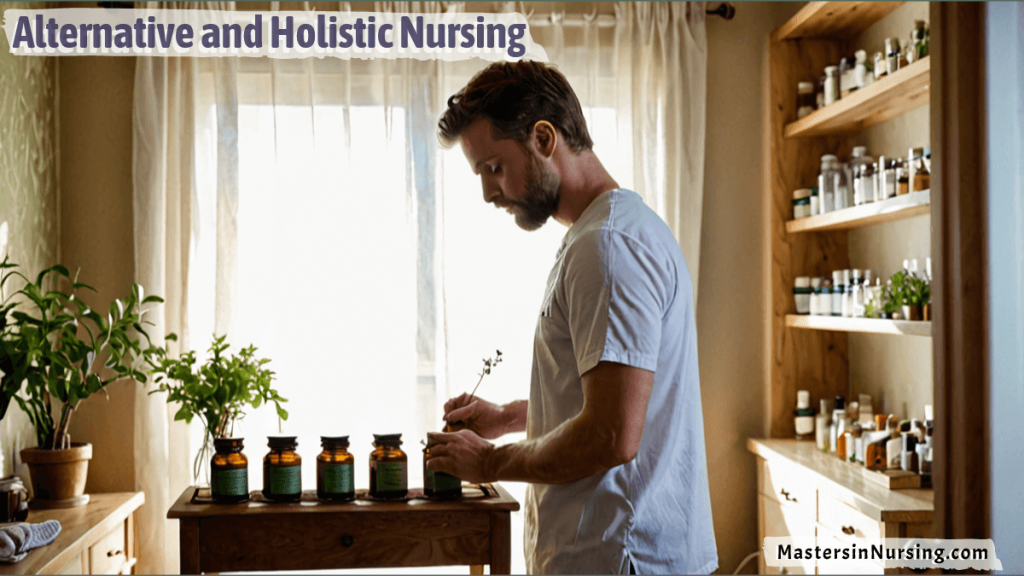
Understanding Alternative and Holistic Nursing
Alternative and holistic nursing is a practice that focuses on healing the whole person, not just the physical body. It recognizes that individuals are complex beings with emotional, mental, social, and spiritual dimensions that need to be addressed for true well-being. This approach is not limited to any particular specialty or setting and can be applied by nurses in various healthcare settings to provide patient-centered care.
At its core, alternative and holistic nursing differs from traditional nursing by prioritizing self-care, reflection, and spirituality. Nurses who prioritize self-care can be better rested and emotionally available to their patients, while reflection allows them to gain insight into their own biases and beliefs, enhancing their ability to provide non-judgmental care. Furthermore, incorporating spirituality into nursing practice acknowledges the importance of faith, hope, and meaning in promoting health and healing.
Many holistic nurses embrace a range of complementary and alternative medicine therapies as part of their practice. These may include therapeutic touch, massage therapy, acupuncture, reflexology, yoga, guided imagery, aromatherapy, and more. By integrating these modalities alongside conventional medical treatments, holistic nurses strive to address not only physical symptoms but also emotional distress and overall well-being.
Picture a patient undergoing cancer treatment who experiences severe pain and anxiety. In addition to administering pain medications and addressing other physical needs, a holistic nurse might also provide therapeutic touch or guided imagery techniques to help alleviate the patient’s distress and enhance their overall sense of comfort.
To become a holistic nurse, one first needs to obtain a nursing license. Afterward, there are optional steps that can be pursued for further specialization in this field. Certification through the American Holistic Nurses Credentialing Corporation (AHNCC) is available for those who want to demonstrate their dedication to holistic nursing practice. Additionally, pursuing additional education specific to holistic nursing can deepen knowledge in areas such as integrative therapies and whole-person care approaches.
It’s important to note that holistic nursing is not limited to specific healthcare settings. Holistic nurses can work in hospitals, hospice care, palliative care, long-term care facilities, private practice, consultancies, birth centers, academic/educational settings, and more. The versatility of this approach allows for the integration of holistic principles into various aspects of patient care.
The Meaning of Patient-Centered Care in Holistic Nursing
In holistic nursing, patient-centered care is at the core of the practice. It involves recognizing and respecting the unique experiences and perspectives of each individual, fostering a collaborative relationship between the nurse and the patient. This approach emphasizes the importance of active listening, empathy, cultural sensitivity, and shared decision-making.
“Patient-centered care acknowledges that each patient is an expert in their own life and values.” – Anonymous
Holistic nurses prioritize open communication and actively involve patients in their own healthcare journey. They seek to understand not just the physical symptoms but also the emotional and psychosocial factors that may impact a person’s well-being. By taking a comprehensive view of the individual, holistic nurses aim to provide personalized care that addresses all aspects of the patient’s health and promotes self-empowerment.
Imagine a patient with chronic pain who has tried various treatments without finding relief. A holistic nurse might spend time exploring not only the physical aspects of their pain but also their emotional state, stress levels, lifestyle factors, and personal beliefs about healing. Through this comprehensive assessment, the nurse can collaboratively develop a treatment plan tailored to the patient’s unique needs and goals.
In holistic nursing, patient-centered care extends beyond medical interventions alone. It encompasses supporting patients’ health literacy by providing information and education about their conditions or treatment options. Moreover, it involves advocating for patients’ rights, promoting autonomy, respecting diversity, and ensuring culturally sensitive care.
Now that we have a deeper understanding of patient-centered care in the context of holistic nursing, let’s explore the key components that shape this approach and guide holistic nurses in delivering person-centered care.
Key Components of Holistic Nursing

Holistic nursing is built upon a foundation of comprehensive care that addresses the physical, emotional, mental, social, and spiritual aspects of an individual’s well-being. The key components of holistic nursing encompass a range of principles and practices aimed at providing patient-centered care.
First and foremost, holistic nursing emphasizes the importance of holistic philosophy and education. This involves viewing patients as unique individuals with multifaceted needs and tailoring care plans accordingly. It also includes ongoing self-reflection and professional growth to enhance the nurse’s ability to provide compassionate and holistic care.
Next, ethics plays a vital role in holistic nursing. Nurses adhere to ethical standards that promote patient autonomy, respect for diversity, and informed decision-making. Ethical considerations guide nurses in offering care that aligns with the patient’s values and preferences while upholding professional integrity.
Incorporating evidence-based theories and research is another essential component of holistic nursing practice. By integrating current knowledge from various disciplines, including psychology, sociology, and complementary therapies, nurses can enhance patient outcomes.
Recognizing the significance of nurse self-care is another crucial aspect. Holistic nurses understand that taking care of themselves physically, emotionally, and spiritually allows them to be fully present for their patients. Engaging in activities like mindfulness practices, exercise, and nurturing relationships helps maintain balance and prevent burnout.
Effective communication is fundamental to establishing therapeutic relationships in holistic nursing. Nurses employ active listening skills, empathy, and open dialogue to foster trust and create an environment where patients feel comfortable expressing their needs.
Creating a therapeutic environment is central to holistic nursing practice. This involves promoting a healing space that encourages relaxation, privacy, safety, and respect for cultural beliefs. Attention is given to factors such as lighting, noise levels, aromatherapy, music therapy, or other modalities that enhance the patient’s healing experience.
Cultural competence is a key component of holistic nursing. Nurses strive to understand and respect the unique cultural backgrounds of their patients, incorporating cultural practices and beliefs into care plans. This approach ensures that care aligns with the personal and cultural values of each individual.
Lastly, the caring process forms the foundation of holistic nursing. Holistic nurses adopt a compassionate and empathetic mindset, recognizing the inherent worth and dignity of every person they encounter. This person-centered approach promotes healing and enhances the overall well-being of patients.
Now that we have explored the key components of holistic nursing, let us delve into one specific aspect – the mind-body connection in health restoration.
- Holistic nursing is a comprehensive approach to healthcare that considers the physical, emotional, mental, social, and spiritual aspects of an individual’s well-being. It encompasses various principles and practices aimed at providing patient-centered care. The key components of holistic nursing include holistic philosophy and education, ethics, incorporation of evidence-based theories and research, nurse self-care, effective communication, creating a therapeutic environment, cultural competence, and the caring process.
Holistic nursing emphasizes the importance of viewing patients as unique individuals with multifaceted needs and tailoring care plans accordingly. Nurses continuously reflect on their practice and engage in professional growth to enhance their ability to provide compassionate and holistic care. Ethical considerations guide nurses in offering care that aligns with the patient’s values while upholding professional integrity.
Holistic nursing incorporates evidence-based theories and research from various disciplines to enhance patient outcomes. The significance of nurse self-care is recognized, as it allows nurses to be fully present for their patients. Effective communication skills foster trust and create an environment where patients feel comfortable expressing their needs.
Creating a therapeutic environment involves promoting a healing space that encourages relaxation, privacy, safety, and respect for cultural beliefs. Cultural competence ensures that care plans incorporate the unique cultural backgrounds of patients. The caring process forms the foundation of holistic nursing, as nurses adopt a compassionate mindset that recognizes the worth and dignity of every person.
The mind-body connection in health restoration is one specific aspect that can be explored within holistic nursing. Overall, holistic nursing focuses on providing comprehensive care that addresses all aspects of an individual’s well-being to promote healing and enhance overall well-being.
Mind-Body Connection in Health Restoration
The mind-body connection is an integral concept within holistic nursing, highlighting the profound impact that thoughts, emotions, and attitudes can have on physical health and well-being. Holistic nurses recognize that addressing the underlying psychological and emotional aspects of a patient’s condition can support overall health restoration.
For instance, consider a patient experiencing chronic back pain. A traditional medical approach may focus solely on managing physical symptoms through medications or procedures. However, holistic nursing approaches would take into account factors such as stress levels, emotional distress, and lifestyle habits that could contribute to the pain experience. By exploring these elements, holistic nurses aim to identify potential root causes and develop comprehensive care plans that address all aspects of the individual’s well-being.
Holistic nursing employs various modalities to facilitate the mind-body connection in health restoration. These may include relaxation techniques like deep breathing exercises or guided imagery to reduce stress and promote overall relaxation. Meditation and mindfulness practices are often incorporated to cultivate awareness of body sensations and promote self-healing capacities.
Holistic nurses may also utilize therapeutic touch or massage therapy as non-invasive interventions that provide relief from pain and promote relaxation. Other modalities such as acupuncture, reflexology, or yoga may be integrated to rebalance the body’s energy and promote physical and emotional well-being.
By recognizing the interconnectedness of the mind and body, holistic nurses strive to empower individuals in taking an active role in their healing process. They encourage self-reflection, education, and empowerment to foster positive lifestyle changes that support long-term well-being.
- According to a report by National Health Statistics, it was found that approximately 38% of adults and nearly 12% of children are using some form of Complementary and Alternative Medicine (CAM), emphasizing the growing importance of holistic nursing.
- The U.S. Bureau of Labor Statistics anticipates a growth rate of 15% in the field of registered nursing from 2020 to 2030, much faster than the average for all occupations, indicating potential growth in all fields of nursing including holistic nursing.
- A study published in the Journal of Holistic Nursing found that over 80% of nurses believed in the importance of holistic interventions for their patients but only about half reported using these measures consistently, suggesting an implementation gap in practice.
Comparing Traditional and Holistic Nursing Practices
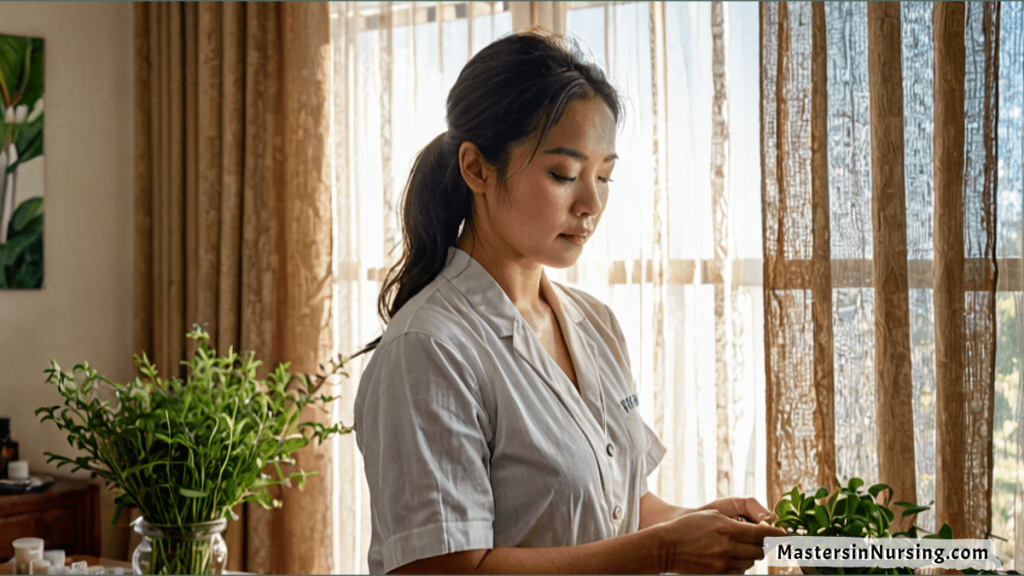
Traditional nursing practices have long been rooted in the biomedical model, focusing primarily on the physical aspects of a patient’s health. Diagnosis and treatment revolve around identifying and addressing specific symptoms or diseases. In contrast, holistic nursing takes a more comprehensive approach that considers the whole person, including their emotional, mental, social, and spiritual well-being. Holistic nurses understand that these aspects are interconnected and play a vital role in a patient’s overall health.
To better understand the difference, let’s consider an analogy. Imagine two individuals with the same physical symptoms of back pain. A traditional nurse might focus solely on alleviating the pain by prescribing medication or recommending physical therapy exercises. On the other hand, a holistic nurse would explore additional factors such as stress levels, lifestyle habits, emotional well-being, and potentially even spirituality. By addressing these deeper aspects, holistic nursing aims to identify and treat the root causes of illness rather than just its symptoms.
“The most important thing is that we learn from our patients within this model—we provide not only medical advice but also compassionate listening.” – Holistic nurse testimonial
Another key distinction between traditional and holistic nursing lies in their approaches to self-care and reflection. Holistic nurses recognize that in order to provide optimal care to their patients, they must prioritize their own well-being. This means engaging in regular self-care practices such as exercise, mindfulness, and seeking emotional support when needed. By nurturing themselves holistically, nurses can be better rested, emotionally available, and able to empathize with their patients’ experiences.
It’s important to note that holistic nursing does not replace traditional nursing; rather it complements it by incorporating additional dimensions of care. Nurses in any specialty can practice holistically by integrating its principles into their daily interactions with patients.
Now that we have explored the differences between traditional and holistic nursing practices, let’s shift our focus to the concept of patient diagnosis from a holistic approach.
Patient Diagnosis from a Holistic Approach
In traditional nursing, patient diagnosis is often based on standardized medical assessments, lab results, and physical examinations focusing solely on the symptoms presented. While this information is valuable, holistic nursing takes a broader perspective in patient diagnosis. A holistic nurse considers not only the physical symptoms but also delves into the emotional and psychological aspects of their patients’ lives.
For instance, when encountering a patient with recurring stomach issues, a holistic nurse would ask questions beyond the physical symptoms. They might explore the patient’s stress levels, dietary habits, sleep patterns, and emotional well-being. This comprehensive approach allows for a more thorough assessment of potential underlying causes or contributing factors to the patient’s condition.
“By adopting this holistic approach to patient diagnosis, we can uncover important connections between various aspects of a person’s life that may impact their health.” – Holistic nurse testimonial
Moreover, holistic nurses recognize that health concerns can go beyond the boundaries of the physical body and extend to social and spiritual dimensions as well. They understand that factors such as cultural background, support systems, beliefs, and values all play a significant role in an individual’s overall well-being.
By considering these broader aspects in patient diagnosis, holistic nursing aims to develop personalized care plans that address not only physical symptoms but also the underlying causes and promote healing on multiple levels.
Steps to Begin a Career in Holistic Nursing
Embarking on a career in holistic nursing is an exciting and fulfilling journey where you can make a positive impact on the lives of patients. To begin this career path, there are several crucial steps you should consider.
The first step is to obtain the necessary foundational education through a nursing program. This typically involves completing either an associate’s or bachelor’s degree in nursing (ADN or BSN), which provides the essential knowledge and skills required to become a registered nurse (RN). During your nursing education, you will learn about anatomy, physiology, pharmacology, and patient care techniques that serve as building blocks for holistic nursing.
For instance, imagine Sarah, a compassionate individual with a passion for providing comprehensive care to patients. She decides to pursue her dream of becoming a holistic nurse and enrolls in a Bachelor of Science in Nursing program at her local university. Throughout her coursework, Sarah learns about both traditional and holistic approaches to patient care, gaining insights into the body-mind-spirit connection and various Complementary and Alternative Medicine (CAM) therapies that can enhance healing.
In addition to formal education, it is valuable to gain practical experience by working as a registered nurse. This hands-on experience allows you to develop critical skills such as communication, assessment, and problem-solving. It also helps you understand the healthcare system and how to navigate patient care effectively.
Once you have gained some experience as an RN, the next step is to pursue additional training and certifications specific to holistic nursing. These certifications validate your specialized knowledge and demonstrate your commitment to providing holistic care.
Necessary Certifications and Education
To advance your career as a holistic nurse, acquiring necessary certifications and further education is crucial. One widely recognized certification is offered by the American Holistic Nurses Credentialing Corporation (AHNCC). They offer certification programs designed for RNs who aspire to become holistic nurses.
The Holistic Nurse Certification (HNC) is one of the certifications provided by AHNCC. This certification validates the competencies and knowledge necessary for holistic nursing practice. To be eligible for the HNC, you must meet specific criteria, including completing a minimum number of years of professional nursing experience.
For example, after working as an RN for several years, Sarah decides to pursue her passion for holistic nursing further. She applies for the HNC certification through AHNCC and successfully completes the requirements. This certification not only enhances her professional credibility but also provides her with a broader understanding of holistic principles and complementary therapies that can benefit her patients.
Additionally, it is essential to continue expanding your knowledge through continuing education courses in areas such as holistic philosophy, complementary therapies, and integrative approaches to healthcare. These educational opportunities allow you to stay updated with the latest research and practices in holistic nursing.
By combining a solid educational foundation with practical experience and specialized certifications, you will be well-equipped to embark on a fulfilling career in holistic nursing.
Career Pathways and Salaries in Holistic Nursing
Holistic nursing offers a vast array of exciting career pathways, allowing nurses to integrate conventional healthcare practices with alternative and complementary therapies. One common career path is becoming a certified holistic nurse, which involves completing additional education and training beyond the requirements for a registered nurse (RN). This certification equips nurses with a specialized skillset to deliver patient-centered care that not only treats physical ailments but also considers the whole person, including their mental, emotional, and spiritual well-being.
In addition to being a certified holistic nurse, there are various other opportunities within the field of holistic nursing. These include roles such as holistic wellness coach, holistic nurse practitioner, holistic nutritionist, and holistic health consultant. Each of these pathways requires additional education and training tailored to the specific area of practice. For example, becoming a holistic wellness coach may involve obtaining certifications in coaching and wellness practices. The diverse range of career options allows nurses to find their niche in providing holistic care.
When it comes to salaries in holistic nursing, it’s important to note that they can vary widely based on factors such as location, level of education, years of experience, and specialization within the field. According to available data [^notes], the average salary for a holistic nursing job in the United States is around $59,318 per year or approximately $28.52 per hour. However, it is crucial to consider that wages can range from as low as $9.13 per hour to as high as $64.66 per hour.
Let’s consider an example: A holistic nurse who specializes in a particular therapeutic approach such as acupuncture or aromatherapy might work in private practice or alongside integrative medical doctors or chiropractors. The salary for such specialized roles could potentially be higher due to the added expertise they bring to patient care.
It’s also worth mentioning that the salary range in holistic nursing can be influenced by the location of practice. The top 10 highest paying cities for holistic nursing jobs include Green River, WY; Richmond, CA; and Stamford, CT. These locations often boast higher living costs, which are reflected in their salary offerings.
Now that we have explored some career pathways and salary aspects of holistic nursing, let’s shift our focus to the question of where holistic nurses can practice their profession.
Where Can Holistic Nurses Practice?
The beauty of holistic nursing lies in its versatility and broad spectrum of potential work environments. Holistic nurses can practice in various healthcare settings such as hospitals, clinics, rehabilitation centers, long-term care facilities, and hospices. In these settings, they collaborate with a multidisciplinary team to provide comprehensive patient care grounded in holistic principles. Their holistic approach assists patients in healing not only physically but also mentally and emotionally.
Holistic nurses can also contribute to community health centers or work as educators, teaching future generations about holistic nursing practices and philosophies. By sharing their knowledge and expertise, they help shape the future of healthcare towards a more patient-centered and integrative model.
Outside of traditional healthcare facilities, holistic nurses may choose to establish private practices or join existing integrative health centers. In these settings, they have the freedom to explore alternative therapies more extensively while providing personalized care tailored to each individual’s unique needs.
For instance, a holistic nurse with expertise in energy healing modalities may decide to open a wellness center that offers services like Reiki or therapeutic touch alongside conventional nursing care practices. This allows them to create a welcoming space where patients can access a variety of complementary therapies under one roof.
As we’ve discovered, the possibilities for practicing holistic nursing are vast and diverse. However, it’s important for aspiring holistic nurses to consider their career goals and personal beliefs when choosing where to focus their practice.