
The Vital Role of a Triage Nurse in Emergency Medical Care
A triage nurse conducts the first assessment of patients at medical emergencies, making critical rapid-fire decisions on how to best provide them with care. They manage large numbers of patients, direct others on the medical staff, and stay calm when pressure is high. Beyond these high-stake tasks, exceptional communication ability is as vital as their health expertise, ensuring each patient’s situation is clearly understood by all involved. In more ways than one, they are the heartbeat of a smoothly functioning emergency system. Now, imagine the impact such a role has.
Triage nurses play a crucial role in evaluating and prioritizing patients’ needs in emergency settings. Their responsibilities include performing patient assessments, providing emergency treatment, sorting patients into priority groups, and collaborating with medical professionals to ensure timely and appropriate care.
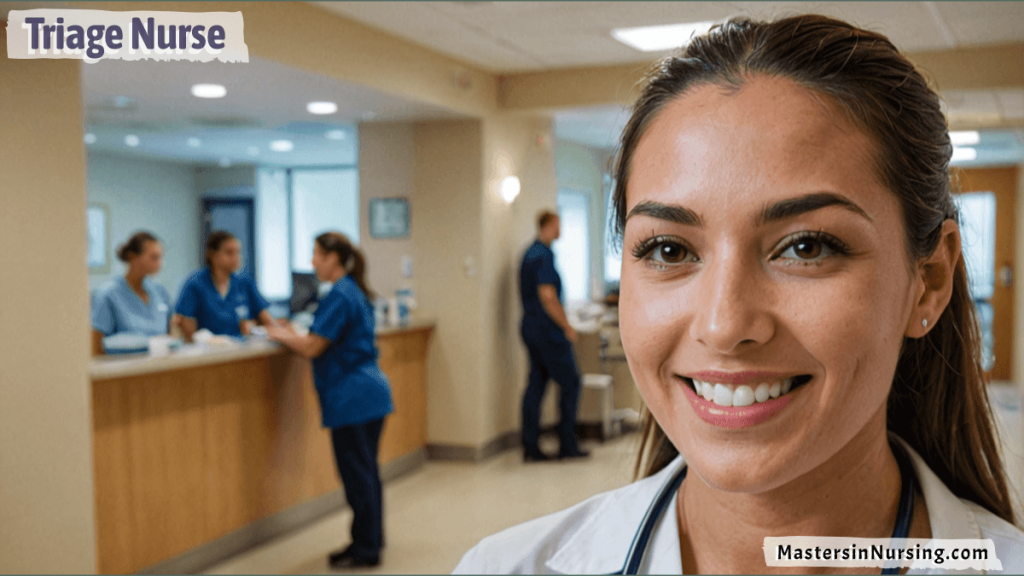
The Dynamic Role of a Triage Nurse
Imagine walking into a hospital’s emergency room and seeing patients of all ages, with different injuries and illnesses, and not knowing where to go or who needs help first. This is where a triage nurse steps in. A triage nurse is like the conductor of an orchestra. They have to quickly evaluate each patient as they arrive, then direct them to the right care team based on how sick or injured they are.
The triage nurse sets the tone for what happens next and ensures that their patients get the care they need as soon as possible.
Triage nurses need a lot of skills to do their job. First, they need to know how to stay calm even when things around them are tense. They also must be great listeners. When a patient comes in, they need to be able to talk to them and figure out what’s wrong really fast. It’s like being a detective but with people instead of clues.
And it’s not just patients they have to talk to—their job is also about helping doctors and other nurses too. For example, if there’s a big accident or a sudden rush of patients, the triage nurse has to tell the other staff where to go and what needs to happen next.
It’s kind of like being an air traffic controller but with patients instead of planes. And just like an air traffic controller has to keep track of lots of different planes at once, the triage nurse has to keep an eye on all the different patients coming in and make quick decisions about who needs help first.
The decisions they make are really important because they decide who gets help sooner rather than later. Sometimes those decisions can even mean the difference between life and death.
This level of responsibility demonstrates how important the role of a triage nurse is in an emergency setting—calmly orchestrating chaos, making critical decisions, and ensuring that everyone gets the timely attention they urgently need. Amidst the high-stakes demands and intricate decision-making, a set of essential skills equips triage nurses to navigate these challenges effectively. Let’s now explore the crucial aptitudes that define their success in emergency medical care.
Essential Skills for Triage Nursing
Triage nursing, being an extensive and demanding profession, calls for a particular set of skills to successfully navigate the fast-paced nature of emergency care. It’s crucial to possess these indispensable aptitudes that not only help in effective patient management but also contribute to maintaining composure under high-pressure scenarios.
Critical Thinking
One of the most critical competencies for a triage nurse is strong critical thinking. When patients arrive at the emergency room, it’s the duty of the triage nurse to swiftly analyze their symptoms and vital signs, allowing them to make rapid decisions about the urgency of care required. This requires a keen eye for detail, quick decision-making abilities, and an in-depth understanding of various medical conditions and their severity. Effectively prioritizing patient needs based on the severity of their condition is paramount.
This involves more than just recognizing the seriousness of a medical issue. It means having the capacity to assess multiple factors simultaneously to identify the most urgent cases. It’s akin to assembling a puzzle quickly where every piece represents a vital aspect of a patient’s health—putting the pieces together accurately can make all the difference in delivering timely and appropriate care.
Effective Communication
Effective communication is another fundamental skill required for triage nurses. They need to be able to gather crucial information about patients’ condition, convey vital information to patients and their families with clarity, and collaborate seamlessly with other healthcare professionals. Comforting and reassuring distressed patients while effectively relaying information about their care plan is vital in creating a positive patient experience even amidst stressful situations.
Moreover, clear communication within the medical team helps ensure that everyone involved with a patient’s care is well-informed and working cohesively to provide the best possible treatment.
Stress Management
In the whirlwind environment of an emergency room, possessing strong stress management abilities is non-negotiable. Triage nurses encounter high-pressure situations constantly and must remain calm and focused in order to make quick, accurate decisions. The ability to maintain composure under such extreme pressure is a testament to a nurse’s resilience and capacity for maintaining mental clarity when every second counts.
This isn’t just about staying calm; it’s about navigating through chaotic scenarios in such a way that ensures proper care and attention is given to each patient despite the overwhelming circumstances. It requires exceptional emotional intelligence and emotional stability, helping turn highly stressful moments into opportunities for effective action rather than panic.
Amidst an environment where split-second decisions save lives, these specialized skills form the backbone of effective emergency medical care. The next section delves into how quality control measures are employed to ensure that no detail jeopardizes patient well-being.
Quality Control and Care Assessment
In the fast-paced and high-pressure environment of an emergency room, ensuring accurate documentation and thorough assessments is crucial for every patient’s wellbeing. Triage nurses play a pivotal role in maintaining quality control through precise documentation of patients’ medical history, symptoms, and vital signs, forming the foundation for all subsequent medical interventions.
It’s not just about recording information—it’s about capturing the essence of a patient’s condition and accurately communicating it to the medical team. Triage nurses must articulate their assessments with clarity and precision, providing actionable insights that guide prompt medical interventions. By meticulously documenting each patient’s vital details, from allergies to previous medical conditions, they ensure that every medical decision is well-informed and aligned with the patient’s specific needs.
Moreover, conducting thorough assessments stands as a cornerstone of care assessment. Triage nurses are trained to swiftly identify potential risks, categorize patients based on the urgency of their needs, and continuously monitor their conditions to facilitate prompt medical intervention. This proactive approach allows them to promptly recognize deteriorations in patients’ health status, enabling swift adjustments in treatment priorities.
Consider a scenario where a patient arrives at the emergency room with severe chest pain. The triage nurse conducts a rapid yet comprehensive assessment, documenting the patient’s medical history, current symptoms, and vital signs. Through this meticulous process, the nurse recognizes the potential severity of the situation and promptly prioritizes the patient for urgent medical attention, minimizing delays in critical care delivery.
Furthermore, beyond the initial assessment, triage nurses play a key role in reassessing patients over time. As patients’ conditions may evolve rapidly in an emergency setting, triage nurses must remain vigilant and adaptable to adjust care priorities based on evolving patient needs to uphold the standard of care and ensure optimal patient outcomes.
In summary, maintaining quality control through accurate documentation and conducting precise care assessments are indispensable responsibilities of triage nurses in delivering effective emergency medical care.
Pathway to Becoming a Triage Nurse

Becoming a triage nurse is deeply fulfilling but requires dedication and perseverance. The first step is to become a registered nurse (RN), typically involving obtaining a nursing degree, such as a Bachelor of Science in Nursing (BSN), from an accredited program. A BSN can open up more opportunities and potentially lead to higher salaries for those entering the field.
Once the educational requirements are met, the next vital step is gaining clinical experience. Many nurses start their careers in general patient care, where they build essential skills in assessment, treatment, and patient interaction. This experience is invaluable as it lays the foundation for the specific demands of triage nursing, providing a solid understanding of how emergency departments operate and helping to develop critical thinking skills.
After gaining clinical experience, specializing in emergency care becomes the focus. In emergency care settings, nurses fine-tune their abilities to assess and prioritize patients based on the urgency of their conditions. They learn to work efficiently under pressure while ensuring accurate assessments and prompt decision-making.
Aspiring triage nurses are often required to obtain additional certifications, such as Advanced Cardiovascular Life Support (ACLS) or Pediatric Advanced Life Support (PALS), which provide specialized training for handling emergency situations. Continuous professional development in areas such as trauma care and disaster response further enhances a nurse’s ability to excel in triage roles.
For example, a common educational background for triage nurses may include holding a nursing degree and obtaining specialized certifications in emergency care. Additionally, many triage nurses pursue additional training in emergency care through workshops, online courses, or advanced degree programs to stay current with best practices and advancements in the field.
In summary, the pathway to becoming a triage nurse is built upon a strong educational foundation, clinical experience, specialized training in emergency care, and ongoing professional development. It requires dedication and continuous learning but offers tremendous opportunities to make a meaningful difference in emergency medical care.
Moving forward, let’s now delve into the academic and professional qualifications required to embark on this noble path of enhancing emergency medical care.
Required Academic and Professional Qualifications
Becoming a triage nurse is a journey, and like any journey, it starts with education. A bachelor’s degree in nursing (BSN) or an associate degree in nursing (ADN) from an accredited institution is the foundation, laying the groundwork for understanding the medical intricacies that will be fundamental to your role as a triage nurse.
However, education doesn’t stop at graduation. Registered Nurse (RN) licensure is a mandatory step, establishing your credibility and legal eligibility to practice. This process often involves rigorous testing and assessments to ensure that you are equipped with the knowledge and skills necessary for patient care, reflecting your commitment to professional excellence and dedication to providing quality care in emergency medical settings.
Moreover, specialized training in emergency care, such as trauma nursing, is highly valued in the field of triage nursing. The ability to efficiently assess and prioritize patients in high-stress situations is critical to ensuring timely and effective intervention. By undergoing specialized training, you can refine your skills in handling emergencies and gain a deeper understanding of the unique challenges associated with triage nursing.
To further enhance your qualifications, maintaining certifications in Basic Life Support (BLS) and Advanced Cardiovascular Life Support (ACLS) is vital. These certifications not only demonstrate your proficiency in life-saving techniques but also underscore your commitment to remaining updated with the latest advancements in emergency medical care. They equip you with the essential knowledge and expertise needed to respond adeptly to critical situations, instilling confidence in both patients and colleagues.
In addition to BLS and ACLS certifications, acquiring expertise in pediatric care through Pediatric Advanced Life Support (PALS) certification can be advantageous. As a triage nurse, you may encounter pediatric emergencies, and possessing specialized skills tailored to the unique needs of young patients can significantly impact the quality of care you’re able to provide.
These academic and professional qualifications serve as pillars of strength in preparing aspiring triage nurses for the multifaceted demands of their role. Each step on this journey contributes to building a solid foundation rooted in advanced knowledge, hands-on experience, and unwavering commitment to upholding excellence in emergency medical care.
Having gained insight into the academic and professional requirements for triage nursing, let’s now prepare for what lies ahead in the field—a firsthand encounter with the realities of triage nursing.
Field Experience: What to Expect
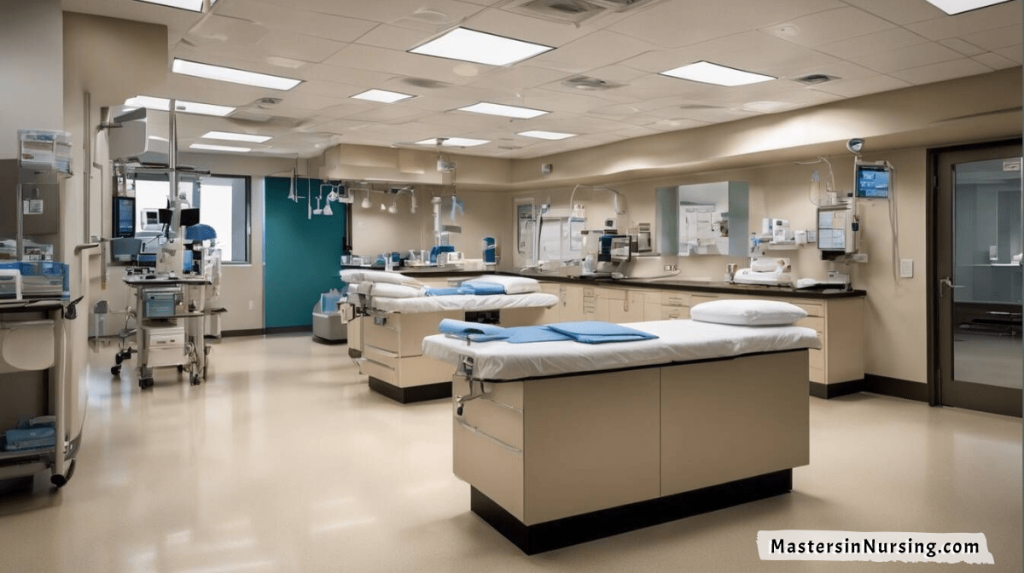
Once you enter the realm of triage nursing, you’re stepping into a world where every second counts. As a triage nurse, you can find yourself in various healthcare settings, from bustling emergency rooms and urgent care facilities to trauma centers. Each location presents its own unique set of challenges and experiences that can test your skills and resilience.
In the fast-paced environment of an emergency room, you need to be prepared to handle a wide spectrum of medical conditions. One minute, you might be assessing a patient with a minor injury, and the next, you could be faced with someone experiencing a life-threatening emergency. This swift transition demands that triage nurses possess the ability to make rapid assessments and quick decisions based on the severity of each patient’s condition.
An example of this might be encountering a patient with a persistent cough and difficulty breathing. While this may seem like a common symptom, it’s crucial for the triage nurse to recognize that it could indicate a serious underlying issue such as pneumonia or a pulmonary embolism. This requires astute observation and quick thinking to prioritize the patient’s care appropriately.
Think of it as being the conductor of an orchestra during a grand performance. You must skillfully manage different sections (or patients in this case), ensuring that each one receives the attention it requires while maintaining an overall harmony in the triage process.
Challenges Faced in the Field
Beyond the clinical aspects, there are also emotional and psychological challenges that come with being a triage nurse. You’ll often encounter patients and their families who are distressed, anxious, or even angry due to their medical situation. The ability to remain calm, empathetic, and composed in these challenging circumstances is an invaluable trait for a triage nurse.
Additionally, there’s the constant pressure of managing multiple tasks at once while maintaining accuracy and precision. This requires exceptional organizational skills and the ability to prioritize effectively in high-stress situations.
Remaining calm under extreme pressure is not just a cliché; it’s an absolute necessity for triage nurses.
An example would be when multiple ambulances arrive at the same time, each carrying patients with varying degrees of injuries. It’s during these intense moments that a triage nurse’s ability to stay strong under pressure truly shines.
Collaborative Environment
It’s important to note that as a triage nurse, you’re not working alone in this high-stakes environment. Collaboration with physicians, other nurses, and healthcare professionals is foundational to ensuring seamless patient care. Effective communication and teamwork are essential for providing timely treatment and delivering the best possible outcomes for patients.
Triaging patients is not just about assessment; it’s about being part of a well-oiled machine where every member plays a vital role in delivering efficient and effective care.
The field experience for triage nursing is multi-faceted, demanding a blend of clinical expertise, emotional intelligence, and seamless teamwork. Understanding these aspects will help you navigate the complexities of this critical role with confidence.
A Typical Day for a Triage Nurse in an Emergency Room
As the first medical professional a patient encounters upon arriving at the emergency room, a triage nurse is responsible for making quick, critical decisions to ensure each individual receives prompt attention and appropriate care. Picture a bustling emergency room with patients coming through the doors—some walking steadily while others are rushed in on stretchers. The triage nurse stands at the forefront, ready to assess and prioritize every person seeking help. It’s where the dedication, skill, and grace of these nurses come into play.
The primary role of a triage nurse involves tackling a constant stream of patients, assessing their needs, and determining their priority based on the severity of their condition. This means that the nurse must possess exceptional critical thinking skills and have the ability to remain composed under intense pressure. These nurses are quite literally at the front lines when it comes to patient care, determining who needs immediate attention and who can wait based on thorough assessments.
Collaborating with Medical Staff
In addition to evaluating patients, triage nurses work closely with physicians, specialists, and other healthcare personnel in the emergency department. Effective communication and teamwork are vital as they discuss patient cases, share critical information, and develop treatment plans together. For instance, if a patient’s condition suddenly changes or becomes more urgent, the triage nurse must quickly convey this information to the medical team to ensure swift action.
This seamless coordination between different medical professionals enables efficient delivery of care in high-stress situations. Clear communication is key within this dynamic environment where seconds count.
Providing Stabilizing Care
One crucial aspect of the triage nurse’s role is providing immediate care to stabilize patients during their initial moments in the emergency department. This could involve administering medication, performing necessary procedures such as applying bandages or providing respiratory support, and closely monitoring vital signs. Every decision made by the triage nurse must be rapid yet precise, addressing acute needs until further assessment and treatment by other healthcare providers.
In essence, triage nurses are like conductors orchestrating the initial phase of patient care in a highly synchronized manner. This involves staying calm under pressure, exhibiting sound judgment even amidst chaos, and remaining empathetic towards those seeking help during moments of vulnerability.
A typical day for a triage nurse in an emergency room encapsulates these critical aspects—continuous assessment and prioritization of patients, close collaboration with medical staff, and delivering immediate stabilizing care—all while navigating through a fast-paced environment where split-second decisions can make all the difference.
The invaluable impact of triage nurses cannot be overstated; they are truly the unsung heroes of emergency care—navigating through chaos with unwavering dedication to provide swift and accurate assessments that lay the groundwork for timely and effective treatment.