
Neonatal Nurse Practitioner (NNP): Job Duties, Salary, and Education
Neonatal Nurse Practitioners, or NNPs, offer important medical care to newborn babies. With intense training which starts with becoming a registered nurse and then earning a Master’s degree focusing on neonatal care, they are equipped to diagnose and manage health conditions in babies. Just imagine them collaborating with doctors and other specialists to come up with the best plan for the little ones. Meanwhile, they also guide parents during this delicate time. These services are crucial, hence an NNP’s income is worthwhile as it reflects the high level of education and responsibility they carry. Let’s delve deeper into their role…
To become a Neonatal Nurse Practitioner, individuals must first become a registered nurse with a U.S. state or territory license and work as an RN for two years before applying for an NNP program. Subsequently, successful completion of an NNP program that meets National Certification Corporation (NCC) requirements is necessary for certification as a neonatal nurse practitioner. Additionally, state certification as an NNP is required to practice, with renewal every three years.
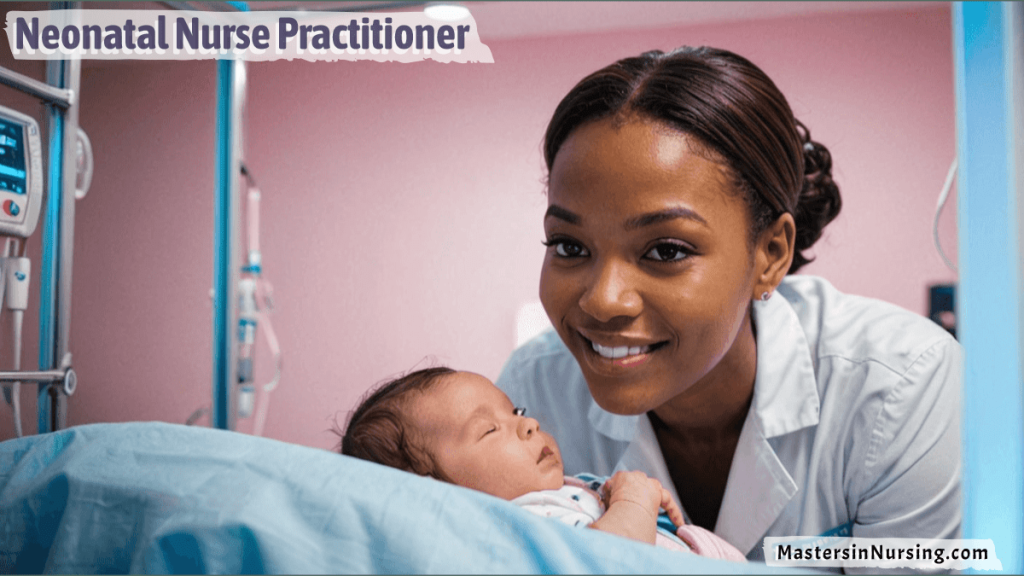
Duties and Responsibilities of a Neonatal Nurse Practitioner
Imagine walking into a world where every step matters. This is the kind of environment a Neonatal Nurse Practitioner (NNP) steps into every single day. Their main goal? To ensure the health, comfort, and wellbeing of the tiniest patients – premature and full-term newborns. Their work goes far beyond caring for these newborns; their holistic approach extends to providing emotional support and education to the families as well.
First things first, NNPs assess and diagnose conditions in newborns, which can be really challenging given the limitations in communication. By using advanced diagnostic skills and tools, their expertise helps them uncover underlying health issues and determine appropriate treatment plans by collaborating with neonatologists and other specialists.
Collaboration With Neonatologists
Collaboration with neonatologists and other healthcare professionals plays a key role in ensuring that comprehensive care is provided to the newborns. They work together to develop and implement care plans that cater to each infant’s unique needs. This collaboration helps in addressing critical medical needs while also ensuring that developmental milestones are met.
Beyond medical interventions, NNPs focus on family-centered care. During what is often an emotionally tumultuous period for parents, NNPs play an important role in educating and supporting them throughout their infant’s hospital stay and post-discharge. Their guidance provides comfort, reassurance, and empowers families to be active participants in their baby’s care plan.
The responsibilities don’t end there; NNPs also provide crucial developmental care to facilitate proper growth and mental well-being. They closely monitor babies’ progress to identify any developmental delays or concerns early on and integrate appropriate therapies or interventions.
The work of an NNP is multifaceted. On one hand, they are dealing with complex medical procedures and treatments for the tiny patients, while on the other hand, they’re dealing with worried parents seeking assurance. In both cases, their role requires deep empathy, resilience, and unwavering dedication.
Simply put, Neonatal Nurse Practitioners not only provide advanced medical care but also act as invaluable pillars of support for families during what can be an extremely challenging time. Their multidimensional role truly encompasses the essence of compassion, skill, and dedication.
With a deeper understanding of the critical role played by Neonatal Nurse Practitioners, let’s now turn our attention to unraveling the essential educational journey required to embark on this noble profession.
Education and Training for an NNP
Becoming a Neonatal Nurse Practitioner (NNP) isn’t a walk in the park. It requires dedication, specialized education, and hands-on experience. Before even considering an NNP program, individuals must first become a licensed registered nurse (RN) with at least two years of clinical experience in neonatal care. This experience is invaluable as it provides a solid foundation for understanding the complexities and challenges of working in neonatal care.
Once an RN has gained sufficient hands-on experience, they can then focus on obtaining a Master of Science in Nursing (MSN) degree with a specialization in neonatal care. These MSN programs dive deep into advanced topics related to neonatal nursing, health assessment, and pharmacology. They prepare aspiring NNPs for the multifaceted nature of managing complex medical conditions in newborns and infants.
Imagine an MSN program as an intense journey that equips students with the knowledge and skills to handle the intricate nuances of neonatal care. It’s not just about book smarts; it’s about developing critical thinking abilities, refining clinical judgment, and mastering the art of providing family-centered care.
Additionally, these programs often integrate clinical practicum experiences where students work closely with experienced neonatal nurses and physicians. This practical exposure allows them to apply their theoretical knowledge in real-life scenarios and gain confidence in their abilities to manage high-stakes situations effectively.
Length of NNP Education and Training
On average, an NNP program may take around 2-3 years to complete. However, this duration can vary depending on factors such as previous education, experience, and part-time or full-time enrollment.
Accredited Institutions Offering NNP Programs
Here are some accredited institutions offering NNP programs:
| Institution | Location | Program Format |
|---|---|---|
| ABC University | City, State | On-campus |
| XYZ College | City, State | Online |
| LMN School of Nursing | City, State | Hybrid (Online/On-campus) |
Think of choosing an institution for your NNP program like selecting the perfect tool for a job. Each one offers a unique learning atmosphere that suits different preferences and requirements.
Choosing where to pursue your NNP education is an important decision that can influence your learning experience and future career opportunities. It’s essential to research each institution thoroughly before making a choice.
The step towards becoming an NNP is undoubtedly rigorous, but the extensive educational and hands-on training provided by accredited institutions sets up aspiring NNPs for success in this challenging yet rewarding field.
Certification Process for NNPs
After successfully completing an NNP program that meets the standards set by the National Certification Corporation (NCC), individuals become eligible to take the certification examination. This assessment evaluates their knowledge, skills, and competency in neonatal care, ensuring that they meet the necessary criteria to practice as a certified neonatal nurse practitioner.
The certification exam covers a wide range of topics related to neonatal care, including but not limited to physiology, pharmacology, family-centered care, and ethical considerations. Its comprehensive nature ensures that NNPs possess a deep understanding of the complexities involved in providing advanced medical management and support to families in neonatal care settings.
For instance, questions may be presented in a scenario-based format that assesses the candidate’s ability to make critical decisions in high-pressure situations commonly encountered in neonatal care settings. This dynamic approach ensures that certified NNPs are equipped to handle real-world challenges with confidence and expertise.
Once an individual passes the certification exam, they are granted state licensure to practice as a neonatal nurse practitioner. However, it’s important to note that this credential requires renewal every three years to ensure that NNPs stay up-to-date with advancements in neonatal care and maintain their high level of competence.
In addition to passing the initial certification exam, continuing education is an integral part of maintaining NNP licensure. This involves actively participating in professional development activities and staying current with best practices and emerging trends in neonatal care.
By keeping their knowledge and skills sharp through ongoing education and professional development, certified NNPs can provide optimal care for newborns and infants while adapting to the evolving landscape of healthcare. This commitment to lifelong learning sets a standard of excellence within the field of neonatal nursing and underscores the dedication of NNPs to continually enhancing their expertise for the benefit of their patients.
As we’ve learned about the rigorous certification process for NNPs, it’s now essential to explore the specific skills required to provide effective care for newborns and infants in neonatal settings.
Skills Required for Effective Neonatal Care
Being a neonatal nurse practitioner (NNP) entails more than just knowing the medical aspects; it involves connecting with families, solving unique problems, and making rapid decisions in high-pressure scenarios. Picture being in a room full of beeping machines, worried parents, and a fragile baby that needs immediate care. That’s the environment where NNPs often find themselves.
Clinical Expertise
To deliver exceptional care to newborns, NNPs need to possess extensive knowledge and hands-on experience in various facets of neonatal care. This includes performing complex procedures, administering medications tailored to newborns, and effectively assessing and monitoring the health status of these delicate patients who may not be able to communicate their symptoms like older patients do.
This calls for comprehensive knowledge in neonatal resuscitation and stabilization techniques, proficiency in managing NICU equipment, and competence in conducting neonatal assessments and diagnostic procedures.
Compassion and Communication Skills
Beyond expertise, NNPs require the ability to connect with families during what can be an incredibly distressing time. Effective communication and collaboration not only comfort anxious parents but also enable NNPs to work closely with other healthcare professionals as part of a multidisciplinary team focused on providing holistic and family-centered care.
Critical Thinking and Decision-Making
In the chaotic world of a NICU, quick thinking is essential. There’s no room for second-guessing when a newborn’s life is at stake. An NNP must be adept at critical thinking, swiftly analyzing clinical situations, and making accurate decisions while constantly evaluating the needs of each infant under their care.
For instance, imagine a situation where a premature infant suddenly shows signs of respiratory distress. The NNP must immediately assess the situation, make rapid decisions, and execute necessary interventions to stabilize the infant.
High-Stress Environment
The work environment for NNPs can be intense due to the critical nature of their job. It demands resilience and mental fortitude as they navigate through emotionally charged situations while maintaining focus on providing top-notch care for their tiny patients.
In summary, the demanding role of an NNP requires a unique combination of clinical expertise, compassionate communication skills, critical thinking abilities, and the capacity to thrive in high-stress environments—a true testament to the dedication and strength exemplified by those who choose this noble profession.
With a deeper understanding of the skills required for effective neonatal care, let’s now direct our attention to the career prospects awaiting aspiring neonatal nurse practitioners.
NNP Career Prospects
The demand for skilled healthcare professionals specialized in neonatal care has been steadily increasing, and Neonatal Nurse Practitioners (NNPs) play a crucial role in meeting this need. Regions facing shortages of healthcare professionals in neonatal care actively seek qualified NNPs to provide advanced medical management and support to families in neonatal care settings, spawning diverse working environments and career opportunities.
Versatile Work Environments
NNPs are not confined to traditional hospital settings. They can be found across various healthcare settings, including neonatal intensive care units (NICUs), delivery rooms, emergency rooms, and specialty clinics. Their proficiency in both acute and non-acute care settings allows them to significantly contribute to the healthcare industry.
Their ability to work independently or in collaboration with neonatologists or other specialists makes them valuable assets in the continuum of care, guaranteeing that infants receive comprehensive and integrated medical attention tailored to their specific needs. This adaptability and broad scope of practice enhance the employment prospects for NNPs and provide them with opportunities for professional growth and development.
For instance, in underserved or rural areas where access to specialized healthcare services may be limited, NNPs can fill a vital role in providing expert neonatal care to vulnerable populations. Beyond traditional hospital settings, they can contribute significantly to outreach programs and community initiatives aimed at improving neonatal health outcomes.
The versatility and expertise of NNPs enable them to navigate through diverse healthcare environments, making them indispensable contributors to the holistic care of newborns and infants. This dynamic role offers substantial career advancement opportunities and a rewarding professional journey for individuals pursuing a career in neonatal nursing.
Salary Expectations for NNP
As a neonatal nurse practitioner, your specialized skills and dedication to caring for vulnerable newborns make you a valuable asset in the healthcare industry. The compensation for NNPs reflects their high level of expertise and the critical nature of their work. According to the National Association of Neonatal Nurses (NANN), NNPs with less than five years of experience earned a mean base salary of $119,000. This figure, however, is just the tip of the iceberg when it comes to understanding the potential earnings of neonatal nurse practitioners.
Salaries can vary significantly based on several key factors. One of the most influential factors is experience. As you gain more years in practice and continue to refine your skills, your earning potential as an NNP is likely to increase. Additionally, the geographic location in which you work plays an essential role in determining your salary. For example, in New York, neonatal nurse practitioners earn more than the national average salary, with an average annual salary of $147,372.
Let’s take a look at some hard numbers. In New York specifically:
- The highest paying cities for neonatal nurse practitioners are Mount Kisco and Bronx.
- Salaries range from $31,180 to $184,344 per year.
- The average monthly pay is $12,281.
- The average hourly wage is $71.
It’s clear that experience and location both significantly impact an NNP’s earning potential. If you’re aiming for a higher salary as a neonatal nurse practitioner, gaining more experience and considering employment in areas where demand for NNPs is high may be key strategies to reach your financial goals. In addition to these factors, the specific healthcare institution you work for can also influence your salary. Large teaching hospitals or prestigious medical centers may offer higher salaries compared to smaller healthcare facilities. Neonatal surgeons, pediatric neonatologists, and remote neonatologists typically earn even higher salaries compared to the average neonatal nurse practitioner.
The potential for growth in this field is promising. As more attention is drawn to the crucial role played by NNPs in providing specialized care to newborns, it’s likely that compensation for these skilled professionals will continue to reflect their indispensable contributions.
Understanding the intricacies of NNP salary expectations is crucial as you consider pursuing or advancing within this field.
Advanced Knowledge and Expertise in Neonatal Care
The role of a Neonatal Nurse Practitioner (NNP) extends beyond typical nursing duties. NNPs are equipped with advanced knowledge and specialized expertise necessary for managing the most delicate and intricate healthcare needs of newborns. While many may not immediately recognize the depth of understanding and skill required, the responsibilities that NNPs assume demand an exceptional level of proficiency.
Their training doesn’t just cover basic infant care. NNPs immerse themselves in subjects like fetal and neonatal development, neonatal pharmacology, and the complexities involved in managing critical health conditions in newborns. This extensive education elevates their capabilities to address even the most challenging cases within the neonatal population.
Managing Diverse Neonatal Issues
Consider this – NNPs are trained to handle a wide spectrum of neonatal issues, ranging from prematurity and low birth weight to congenital abnormalities and infections. Their profound understanding of these complex conditions enables them to assist neonatologists in effectively caring for their tiny patients, contributing significantly to improving outcomes for these vulnerable infants.
For instance, prematurity carries substantial risks and complications, which NNPs are well-prepared to manage due to their comprehensive knowledge on the subject. From addressing respiratory distress syndrome to providing care for infants requiring ventilator support, NNPs are proficient in handling such critical situations.
At the same time, they are also adept at diagnosing and managing congenital abnormalities such as congenital heart defects or genetic disorders, ensuring that infants receive timely treatments and interventions vital for their well-being.
Moreover, their expertise extends to infections that particularly affect newborns, from sepsis to pneumonia. The ability to identify subtle signs of infection and promptly initiate treatment is a cornerstone of an NNP’s role, underscoring the critical nature of their skills.
It’s remarkable how much specialized knowledge NNPs acquire to effectively handle such diverse and intricate aspects of neonatal care. Their contributions significantly impact the overall neonatal healthcare landscape by bridging the gap between medical care and compassionate support for both infants and their families.
Understanding the depth and breadth of knowledge and expertise that NNPs possess highlights the vital role they play in delivering exceptional care to our tiniest patients, making them indispensable members of the neonatal care team.