
NICU Nurse: Providing Expert Care for Premature Babies in the Hospital
A Neonatal Intensive Care Unit (NICU) nurse is an expert in caring for sick or early-born babies. Not only do they monitor important health signs but also, they give needed medicine and provide round-the-clock care. Teamwork is a must as they work in groups to answer the intricate needs of these delicate newborns. Requirements like easy-to-wake alerts, delicate touch when setting tiny IV lines, and the learned skill of reading the faintest signs such as the color and temperature of the baby’s skin only come with practice. With this know-how and training, they’re vital in aiding these fragile lives into recovery.
A NICU nurse provides specialized care to sick or premature newborns, including monitoring their vital signs, administering medications, and providing emotional support to families. They require expert-level skills in neonatal care and communication to ensure the well-being of both babies and their families.
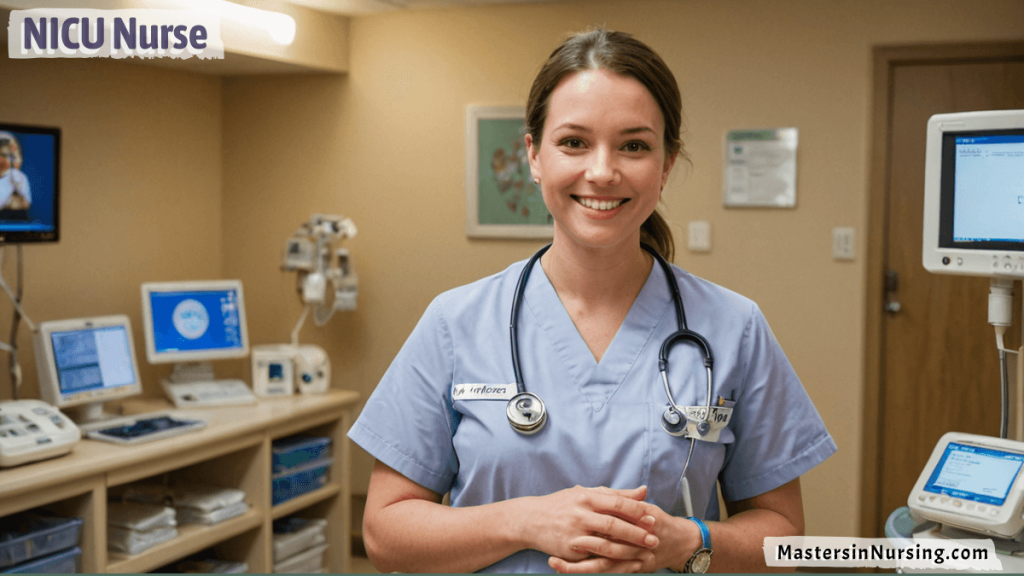
Defining a NICU Nurse
What sets a NICU nurse apart is their deep expertise in managing the delicate needs of premature or critically ill newborns. Their specialized care ranges from basic newborn care to intensive treatment for infants with severe health challenges, poised at the intersection of compassionate healthcare and advanced medical intervention.
NICU nurses are the guardians of tiny lives, often performing life-saving interventions while also providing emotional support to families navigating the vulnerability of their newborns. Their innate ability to foster quick emotional bonds with both fragile infants and anxious parents is what makes them an indispensable asset in the NICU environment. This combination of proficiency in medical procedures and emotional intelligence is crucial in ensuring the well-being of not only the infants but also their families during a challenging time.
While nursing typically involves comfort and medication administration, NICU nursing entails meticulous tracking of subtle vital changes, administering complex treatments, and close collaboration with a multidisciplinary team to provide holistic care for their patients.
The Dynamic Role of a NICU Nurse
A day in the life of a NICU nurse demands unwavering attention to detail amidst a volatile setting. They are responsible for administering life-sustaining treatments, closely monitoring any signs of distress, and fostering holistic growth and development in the babies under their watch. Their domain extends beyond stabilizing infants medically—they often function as primary educators for parents who are learning how to care for their fragile newborns once they leave the hospital.
Imagine this: A NICU nurse meticulously calculates the precise amount of nutrition needed by a premature infant, monitors their breathing patterns and heart rate with precision, all while comforting parents who are feeling overwhelmed and anxious about their baby’s condition. It requires exceptional empathy, clinical acumen, and resilience to thrive in such a high-stakes environment.
The bond between NICU nurses and the families they serve extends beyond the hospital stay, as they continue to provide support during the transition from hospital to home. They play an instrumental role in preparing parents for the medical requirements and potential challenges that may arise upon taking their infant home.
By virtue of their dedication to nurturing new life under challenging circumstances, these caregivers epitomize compassion, expertise, and resilience—not only within hospital walls but also within the hearts of countless families.
The expertise and compassion of NICU nurses play a pivotal role in the care and well-being of premature babies. Now let’s delve into the essential skills and knowledge base required for excelling in this specialized field.
Essential NICU Nurse Skills and Knowledgebase
Being a NICU nurse is a highly specialized and demanding role that requires a unique set of skills and a robust knowledgebase to provide optimal care for premature and critically ill infants. The ability to respond quickly and effectively in high-stress situations is crucial, making specialized skills and deep understanding of neonatal care indispensable.
Specialized Skills
A NICU nurse must be proficient in various specialized skills to address the distinct needs of premature and ill infants. This includes expertise in neonatal resuscitation, ventilator management, and intravenous therapy. For instance, when a vulnerable premature baby experiences respiratory distress, the ability to perform neonatal resuscitation can be life-saving. Ventilator management is critical as many NICU infants require mechanical ventilation to support their breathing. The intricate nature of working with such tiny patients demands precision and expertise in administering intravenous therapy for medication delivery and fluid management.
Furthermore, the intricate nature of neonatal care necessitates advanced assessment skills to recognize subtle changes in an infant’s condition, often before these changes become critical. Therefore, honing assessment skills is crucial for NICU nurses to intervene promptly and prevent complications. This vigilance extends beyond physical assessments to include monitoring developmental milestones, feeding patterns, and interactions with parents; all important aspects of holistic nursing care.
Knowledge of Neonatal Care
In addition to specialized skills, NICU nurses need a strong knowledge base in areas such as infant development, neonatal pharmacology, and neonatal diseases. Understanding infant development allows nurses to anticipate, recognize, and support developmental milestones appropriate to each baby’s gestational age. Proficiency in neonatal pharmacology ensures safe medication administration while recognizing the unique pharmacokinetics and pharmacodynamics of medications in neonates—an essential aspect of providing comprehensive care.
Consider a case where an infant presents symptoms indicative of a potentially serious condition such as necrotizing enterocolitis or respiratory distress syndrome. A NICU nurse with a sound grasp of common neonatal diseases can quickly identify these signs, initiate appropriate interventions, and communicate effectively with the healthcare team—essential steps in ensuring the best possible outcomes for these vulnerable patients.
Expertise in neonatal care extends beyond medical interventions; it also includes providing support and education to families during what is often an emotionally challenging time. This comprehensive approach underscores the importance of having a broad knowledge base that encompasses not only medical aspects but also psychosocial elements crucial for patient- and family-centered care.
In being a NICU nurse demands not only specialized skills but also a wealth of knowledge specific to neonatal care. It involves being vigilant, empathetic, detail-oriented, and consistently updated on evidence-based practices—an ongoing commitment that truly defines the dedication required in this vital healthcare role.
Moving forward from individual expertise in the NICU nursing domain, let’s now explore the collaborative ecosystem within the Neonatal Intensive Care Unit
Interprofessional Cooperation in the NICU
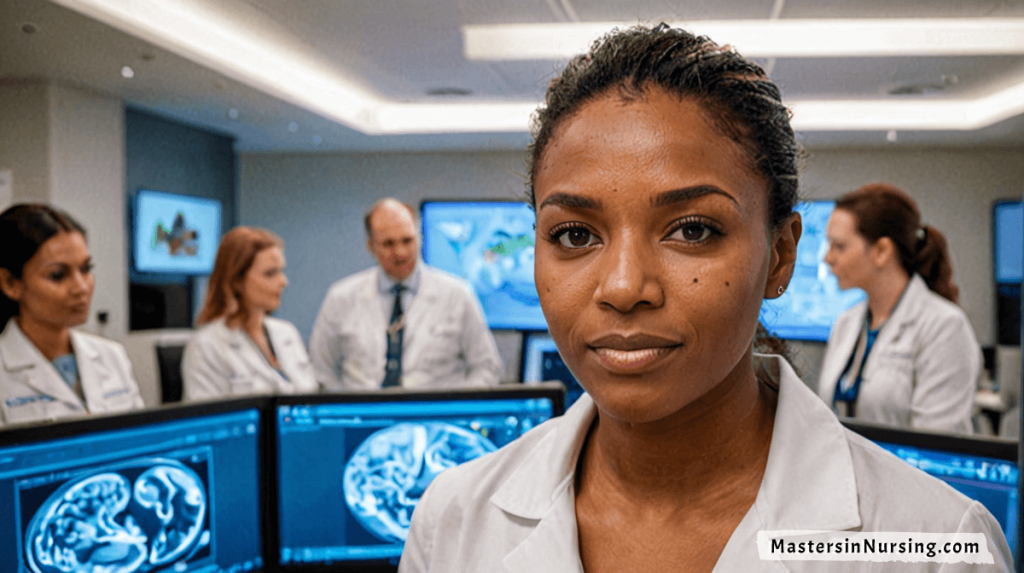
In the Neonatal Intensive Care Unit (NICU), nurses play a pivotal role in collaboratively caring for premature babies. The expertise of neonatologists, respiratory therapists, social workers, and NICU nurses come together to form a cohesive web of support for infants in crisis. Interprofessional cooperation involves open communication, information sharing, and joint decision-making to ensure comprehensive and effective care.
The ability of NICU nurses to closely work with neonatologists and other healthcare professionals is vital in addressing the complex needs of premature infants. This collaboration extends beyond individual patient care to regular team meetings that focus on developing and refining treatment plans. It’s in these meetings where different perspectives coalesce to create holistic approaches tailored to the unique needs of each infant.
For instance, a preterm baby with respiratory distress may require input from both the neonatologist and respiratory therapist. By working together, they can adjust ventilation settings and medications based on the baby’s response, leading to improved outcomes. This seamless teamwork exemplifies the benefits of interprofessional collaboration in the NICU.
To enhance this collaborative effort, specialized training in interprofessional cooperation is invaluable for NICU nurses. Skills in effective communication, mutual respect, and understanding each discipline’s role significantly contribute to optimized patient care. Such training fosters an environment where every member’s expertise is valued, creating a conducive space for shared learning and efficient problem-solving.
Imagine a scenario where a social worker is working with a family struggling to navigate their infant’s complex medical needs. By collaborating with the NICU nurse, the social worker gains insights into the daily challenges faced by the family, enabling them to provide more nuanced support tailored to the family’s specific circumstances.
Overall, by promoting open collaboration among various healthcare professionals, NICU nurses ensure that every infant receives not only expert medical care but also attends to emotional and social aspects crucial for their overall well-being.
With a solid foundation established on interprofessional cooperation within the NICU, it’s essential to shine a light on another significant aspect crucial to the well-being of premature babies—empathic communication.
Empathic Communication in the NICU
Working in the NICU can be remarkably demanding, not only due to the specialized medical care provided but also because of the emotional support required for parents and families. When a baby arrives prematurely or with health challenges, it can be an overwhelming and distressing experience for the parents.
One of the most crucial roles of a NICU nurse is to provide empathic communication that helps families comprehend complex medical information in a compassionate and understandable manner. This involves more than just sharing medical knowledge; it involves listening to parents’ concerns, fears, and hopes while offering support and comfort during what might be one of the most difficult times in their lives.
Imagine being a NICU nurse talking to new parents about their premature baby’s condition—explaining why interventions are necessary and what they can expect in the coming weeks or months. Many parents are anxious, confused, or scared, and it’s your responsibility as a nurse to convey information clearly and kindly, ensuring they feel supported and informed throughout this tough journey.
NICU nurses have to balance providing accurate medical updates with showing empathy and building trust with families. This requires exceptional communication skills, patience, and understanding. Understanding how to handle delicate situations and provide emotional support is as crucial as managing medical care in the NICU environment. It’s also important to recognize that each family copes differently and may have unique needs for support, so being adaptable and attentive is key.
By fostering trust and rapport through empathic communication, NICU nurses become an essential source of comfort for families navigating through challenging times. The ability to communicate effectively not only eases parental stress but also empowers them to be involved in their baby’s care and decision-making process.
Remember: A kind word or gentle touch can make a significant difference during such emotionally trying periods.
In essence, empathic communication lies at the heart of a NICU nurse’s role, ensuring that parents feel heard, understood, and supported throughout their journey in the neonatal intensive care unit.
Now let’s shift our focus towards understanding the training and education required for embarking on a career as a NICU nurse, laying down the groundwork for providing expert care to premature babies in the hospital.
Preparing for a NICU Nurse Career: Training and Education
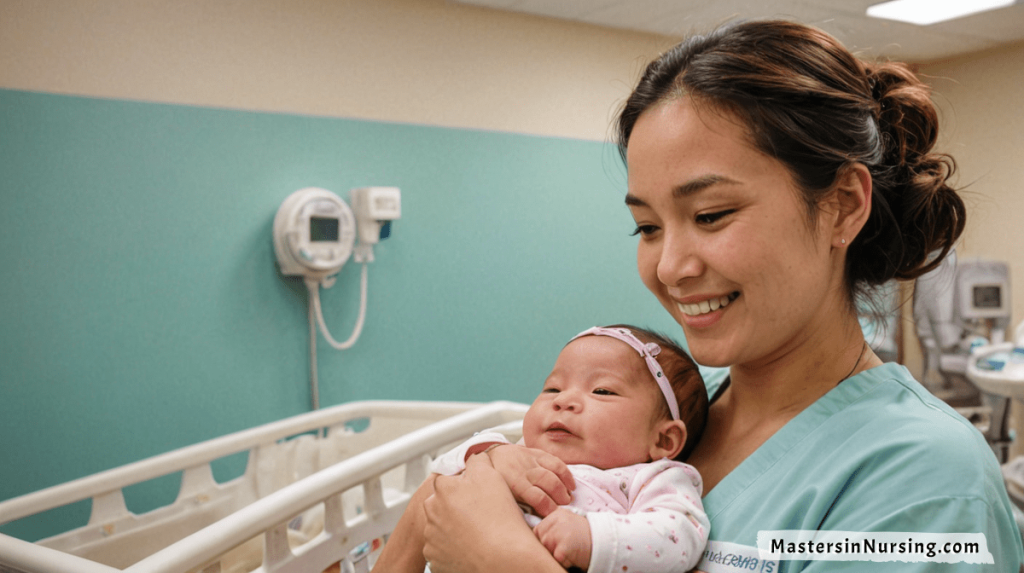
The journey to becoming a Neonatal Intensive Care Unit (NICU) nurse is both exciting and challenging, and it all commences with the right education. Academic preparation holds significant weight for aspiring NICU nurses. Most institutions mandate a Bachelor of Science in Nursing (BSN) degree. This advanced level of study equips future nurses with in-depth knowledge and practical skills necessary for working in highly specialized units like the NICU.
The curriculum includes courses tailored not only to general nursing principles but also to the unique needs of infants, including premature babies and those with complex health conditions. Specialization in neonatal care through relevant coursework and clinical experiences provides students with a profound understanding of the critical care requirements of newborns.
In addition to academic qualifications, licensure and certification are crucial steps on the path to becoming a NICU nurse. After completing their education, aspiring NICU nurses must pass the National Council Licensure Examination for Registered Nurses (NCLEX-RN) to become a licensed registered nurse (RN). This comprehensive exam assesses their competence to practice as entry-level nurses, ensuring that they have the knowledge and skills needed to provide safe and effective care.
Furthermore, additional certifications such as Neonatal Resuscitation Program (NRP) certification are often required for specific roles within the NICU. This certification focuses on teaching proper resuscitation techniques for newborns, ensuring that nurses are well-prepared to respond to emergency situations commonly encountered in the NICU.
As you can see, becoming a NICU nurse demands not only a strong educational background but also specialized certifications to ensure that you can provide the highest level of care to these vulnerable patients. Now, let’s delve into the practical aspects of this fulfilling career.
Job Satisfaction and Salary of a NICU Nurse
Working in the Neonatal Intensive Care Unit (NICU) can be tremendously rewarding. It offers the opportunity to make a significant impact on the lives of vulnerable newborns and their families. According to Nicole, a veteran NICU nurse: “Being able to care for these tiny fighters and support their families through such a critical time in their lives is incredibly gratifying. Witnessing the resilience of these newborns and knowing that your care plays a crucial role in their development is an indescribable feeling.”
The emotional aspect of the job is balanced with the fulfillment that comes from seeing premature babies grow stronger each day. The bond that forms between NICU nurses and the families they work with creates a sense of community and support during very difficult moments. Moreover, the specialized care provided by NICU nurses directly contributes to improving survival rates and long-term health outcomes for premature infants, making their work uniquely meaningful.
Salary Range
The average annual wage for a NICU nurse is around $136,592, which roughly equates to $66 per hour. However, factors such as experience, location, and any additional certifications can influence this figure.
This particular figure reflects not only the high level of skill and expertise required to work in this field but also the demand for qualified professionals who can provide exceptional care to fragile newborns. Certain areas may offer higher compensation due to increased demand or cost of living.
For many NICU nurses like Nicole, the deeper satisfaction derived from positively impacting young lives adds immeasurable value to the profession. The combination of meaningful work, ample opportunities for growth and development, and competitive compensation allows NICU nursing to stand out as an extremely attractive career path for many healthcare professionals.
To be in a role that provides both financial stability and emotional fulfillment is an uncommon and valued balance in any profession. For those called to this unique line of work, it proves to be an immensely rewarding career choice—both personally and professionally.
As we’ve seen, working as a NICU nurse brings not only professional satisfaction but also valuable emotional rewards. Now, let’s explore some remarkable success stories from accomplished NICU nurses.
Success Stories: Accomplished NICU Nurses
Success can be measured in many ways, and for NICU nurses, it often means watching a tiny baby they’ve cared for grow stronger each day. There are countless stories of hard work, dedication, and compassion within the neonatal intensive care unit, each contributing to the larger narrative of NICU nursing.
In fact, many accomplished NICU nurses have made notable contributions that have positively impacted not only the lives of the babies they’ve cared for but also the families and communities they serve. Let’s take a moment to spotlight some inspiring success stories from these exceptional individuals.
One such nurse is Sarah Jenkins, who has been a NICU nurse for over 15 years. Throughout her career, Sarah has not only cared for premature babies but has also advocated for better resources and support systems for parents with babies in the NICU. She has led initiatives to improve communication between medical staff and parents, recognizing the crucial role parental involvement plays in a baby’s journey to health.
Sarah’s tireless efforts have resulted in the implementation of family-centered care practices within her hospital, leading to better outcomes for both babies and their families. Her dedication and innovation have set a high standard for NICU nursing care, inspiring her colleagues and shaping the future of neonatal care.
Additionally, we have the remarkable story of Dr. Michael Rodriguez, a NICU nurse practitioner with a passion for research and education. Dr. Rodriguez has not only provided exceptional direct care to premature babies but has also contributed extensively to neonatal research, publishing groundbreaking studies on respiratory treatments for preterm infants.
Dr. Rodriguez’s commitment to advancing the understanding of neonatal medicine has led to improved protocols in caring for premature babies with respiratory challenges. He has also devoted significant time to educating future generations of NICU nurses, imparting his knowledge and expertise to ensure that the legacy of outstanding care continues beyond his tenure.
And then there’s Nurse Emily Chen, whose journey as an accomplished NICU nurse includes international outreach projects. Over the years, she has volunteered her skills and expertise in underprivileged regions around the world, providing essential neonatal care training to local healthcare professionals and helping establish sustainable practices for improving infant mortality rates.
Nurse Chen’s impactful work has not only saved countless lives but has also fostered collaboration and learning across diverse healthcare settings. Her dedication to sharing knowledge underscores the global relevance of NICU nursing expertise and the profound impact it can have on vulnerable populations.
These stories are just a few examples of the remarkable contributions made by accomplished NICU nurses—and they represent countless other unsung heroes within the field. Their passion, innovation, and unwavering commitment inspire us all to strive for excellence in providing expert care for premature babies in the hospital.
The extraordinary dedication and impact of these accomplished NICU nurses exemplify the critical role they play in providing expert care to fragile newborns. Their stories serve as a reminder of the immense difference an individual can make in ensuring the well-being of premature babies and their families.