
A Comprehensive Guide to Becoming an Infection Control Nurse
Starting your career as an Infection Control Nurse means entering a critically important field. This role is instrumental in healthcare settings, ensuring that infections are controlled and prevented, thus safeguarding the health of patients, staff, and visitors alike. It’s not just about wearing scrubs and a mask; it involves understanding complex infection control protocols, tirelessly surveying potential hotspots and educating everyone in the facility about prevention measures – an essential job requiring specific skills and education. But before we dive into those specifics, let’s first understand what exactly an Infection Control Nurse does.
Infection Control Nurses play a vital role in identifying, preventing, and controlling diseases within healthcare settings. They are responsible for monitoring and implementing infection control measures, educating staff on best practices, and working to minimize the risk of infectious diseases for both patients and healthcare workers. Additionally, they may be involved in research, policy development, and project management to support overall infection prevention efforts.

Defining an Infection Control Nurse
An Infection Control Nurse is akin to a guardian angel for infection prevention. They bear the responsibility of preventing, identifying, and managing infections within healthcare settings. It’s quite an intricate role with a multitude of responsibilities.
By collaborating closely with healthcare teams, they ensure that all protocols for maintaining cleanliness and safety are in place and functioning effectively. This involves establishing rules and procedures for everyone to adhere to, minimizing the risk of spreading illnesses.
For instance, they may set guidelines on the frequency of surface cleanings or the protective gear that staff should wear when dealing with infectious patients. These protocols not only safeguard patients from worsening illnesses but also prioritize the safety of healthcare workers.
Moreover, an Infection Control Nurse conducts surveillance for infections. It’s not merely about monitoring for infections; rather, it’s akin to being a detective, identifying where and how infections may originate. By closely tracking patterns and trends in infections, they can promptly intervene before an outbreak occurs.
In addition to developing protocols and conducting surveillance, they play a vital role in educating staff, patients, and families on infection prevention measures. This aspect of their work is crucial because it ensures that everyone comprehends their role in halting the spread of infections.
They communicate updates from organizations such as the CDC (Centers for Disease Control and Prevention) and educate staff on best practices to defend against infectious threats. This could involve delivering talks or creating informative materials that elucidate why specific precautions are necessary.
For example, during the emergence of a new virus, the Infection Control Nurse needs to educate others on recognizing symptoms and preventing further spread of the virus. Educating everyone—patients, families, and staff—helps minimize the risk of infectious diseases taking hold in a healthcare setting.
In summary, the role of an Infection Control Nurse is multifaceted and plays a critical part in maintaining a safe and healthy environment for patients, healthcare workers, and visitors within medical facilities. Without their insight and guidance, healthcare settings would be vulnerable to outbreaks that could affect both those seeking care and those providing it.
In exploring the pivotal role of an Infection Control Nurse, we have witnessed how they serve as the linchpin in safeguarding healthcare environments against infectious threats. Now let’s delve into the critical educational path and training required to embark on this noble career journey.
Essential Education and Training
Becoming an Infection Control Nurse involves obtaining a specific set of skills and knowledge through rigorous education and training. So, how does one navigate this path towards becoming a specialized infection preventionist? Let’s dive into the key educational and practical steps required.
Obtain a Nursing Degree
To embark on the journey to becoming an Infection Control Nurse, aspiring individuals need to earn a Bachelor of Science in Nursing (BSN) or an Associate’s Degree in Nursing (ADN). Both paths pave the way for eligibility to take the NCLEX-RN exam, leading to becoming a Registered Nurse (RN). The BSN program typically takes about four years to complete, while ADN programs generally require two to three years. These educational tracks equip students with foundational knowledge in nursing concepts, clinical experience, and critical thinking skills crucial for success in the field.
Moreover, a BSN curriculum delves into community health nursing, which includes coursework in communicable diseases, epidemiology, and infection control strategies. On the other hand, the ADN program focuses on foundational nursing courses but also offers training in direct patient care, pharmacology, and health assessments. Both educational paths are designed to provide future nurses with the fundamental knowledge and clinical expertise required to address various healthcare challenges, including infection control and prevention.
Gain Clinical Experience
After completing their nursing degree and passing the NCLEX-RN exam, aspiring infection control nurses are encouraged to gain practical experience through clinical work. Spending at least two years working within the field of infection control enables nurses to apply theoretical knowledge in real-world scenarios, honing their skills in implementing infection prevention and control measures. This hands-on experience provides valuable insights into different healthcare settings, including hospitals, clinics, public health departments, and long-term care facilities.
During this period of clinical experience, nurses have the opportunity to work alongside experienced infection control specialists, observing their approach to surveillance, monitoring, and response to infectious agents. This exposure allows nurses to grasp the complexities of managing disease outbreaks, implementing effective containment measures, and collaborating with multidisciplinary teams to safeguard patient welfare. Through these experiences, nurses develop critical thinking abilities essential for identifying potential infectious hazards and executing appropriate preventive strategies.
Obtain CIC Certification
Upon gaining sufficient clinical experience in infection prevention and control, aspiring Infection Control Nurses should pursue additional credentials by earning the Certified in Infection Control (CIC) Certification. Administered by the Certification Board of Infection Control and Epidemiology (CBIC), this certification validates expertise in infection prevention practices and is recognized as a hallmark of proficiency within the healthcare industry.
The CIC certification test assesses candidates’ comprehension of core infection control principles, epidemiology, microbiology, employee health procedures, environmental cleaning standards, and regulatory compliance measures. By successfully obtaining this certification, nurses demonstrate their commitment to upholding high standards of patient safety, acquiring advanced knowledge in preventing healthcare-associated infections (HAIs), and effectively mitigating transmission risks within healthcare facilities.
Mastering these foundational educational and training milestones marks the beginning of an enriching career path dedicated to safeguarding public health by curbing infectious threats. Aspiring Infection Control Nurses equipped with comprehensive education and hands-on expertise can bring invaluable insights to the forefront of infection prevention initiatives within diverse healthcare settings.
As we continue our exploration into the world of infection prevention and control, let’s now turn our attention to the crucial skills that pave the path for success in this vital healthcare role.
Skills for Success in Infection Control

Becoming an Infection Control Nurse demands a unique set of skills beyond clinical knowledge. These pivotal abilities are not only crucial in mitigating risks, but they are fundamental to ensuring healthcare settings remain safe for both patients and staff. Let’s take a closer look at each one:
Analytical Skills
Infection Control Nurses are the first line of defense against infectious diseases. So, it’s crucial that they have strong analytical skills to interpret data related to infection rates, trends, and outcomes. By understanding this information, they can identify potential issues and develop effective prevention strategies. This aspect of the role ties directly into their ability to understand and communicate patterns in disease occurrence.
Analyze this way: It’s like being a detective who doesn’t just catch criminals but stops them from making more mischief. Infection Control Nurses keep a close eye on what’s going on with infections in the hospital or healthcare facility so that they can spot any problems early and make things better before they get worse.
Communication Skills
Effective communication is a cornerstone of the Infection Control Nurse role. They must be able to convey complex medical information to healthcare teams, patients, and families in a way that is easy to understand. This is essential for ensuring that infection control protocols are clearly communicated and followed for the safety of all involved.
Imagine having to explain complicated ideas to different people every day – that’s what an Infection Control Nurse does! They need to be good at breaking down tricky health information into simple pieces so that everyone understands how to stay safe from infections.
Attention to Detail
Infection Control Nurses can’t afford to miss anything because every little thing can make a big difference when it comes to preventing infections. They have to meticulously follow protocols and guidelines to ensure thorough infection prevention measures are in place. For them, it’s all about being incredibly thorough.
It’s sort of like being a professional spot-the-difference puzzle solver. They have to carefully check every nook and cranny, making sure that everything is exactly as it should be.
Adaptability
The field of healthcare is always evolving, and so are infectious threats. Infection Control Nurses need to stay updated with the latest infection control practices and adapt swiftly to evolving healthcare environments. Their ability to swiftly implement new infection control measures is vital in safeguarding public health.
Just like how superheroes must adjust to new villains and find new ways to save the day, Infection Control Nurses must stay on their toes to respond effectively when faced with emerging infectious threats. Their adaptability ensures they remain at the forefront of infection control measures, ready to address any new challenges thrown their way.
In short, these skills—analytical prowess, effective communication, attention to detail, and adaptability—are pivotal for those aspiring to become successful Infection Control Nurses.
As we’ve delved into the essential skills for becoming an Infection Control Nurse, it’s time now to explore the tangible impact these professionals have on the quality of patient care.
Impact on Patient Care Quality
The role of an Infection Control Nurse isn’t merely about enforcing hygiene protocols and following guidelines; its impact extends far beyond that. The work of these specialized nurses directly influences patient care quality in various ways. First and foremost, infection control measures significantly reduce the incidence of healthcare-associated infections, which is a critical contribution to improved patient outcomes and reduced hospitalization costs. When patients are spared from potentially life-threatening infections, it not only saves lives but also results in better recovery rates and overall well-being.
By meticulously overseeing infection prevention, nurses in this field play a key role in maintaining a safe and sanitary environment for patients. This means that the risk of contracting additional illnesses or infections during their stay is minimized, allowing patients to focus on their recovery without added health concerns. Patients and their families deserve the peace of mind that comes with knowing that the medical facility they rely on for care is devoted to their safety and well-being.
“Moreover, the proactive nature of infection control nursing leads to a positive domino effect. By preventing the spread of infections, it reduces the burden on healthcare resources by alleviating unnecessary hospitalization costs for patients affected by preventable infections.”
This not only benefits the individual patient but also contributes to a more efficient allocation of healthcare resources and services at large.
“Additionally, the efforts put into infection control help establish a culture of safety and vigilance within healthcare settings.”
This commitment to maintaining high standards of cleanliness and disease prevention has a lasting impact on patient care quality. Patients are more likely to feel confident in their treatment when they see that infection control practices are being prioritized, fostering trust between patients and healthcare providers.
For instance, imagine a hospital that successfully lowers its rate of hospital-acquired infections due to effective infection control measures. As a result, there’s a 20% decrease in mortality rates associated with these infections. This translates to improved patient outcomes, reduced suffering, and ultimately, lives saved.
In essence, the diligent work of Infection Control Nurses directly contributes to maintaining a safe and sanitary environment for patients, underscoring their significant impact on enhancing overall patient care quality. It’s clear that their contributions extend far beyond the surface, making a profound difference in the lives of those under their care.
Shifting focus from understanding the substantial impact of Infection Control Nurses on patient care quality, let’s now turn our attention to the best practices employed in managing infectious threats within healthcare environments.
Infection Management Best Practices
When it comes to controlling infections, a few key best practices can make a huge difference. As an Infection Control Nurse, your role in implementing and monitoring these practices is pivotal in maintaining a safe and healthy environment for patients and healthcare workers.
Implementing and Monitoring Hand Hygiene Protocols
Effective hand hygiene is one of the most crucial ways to prevent the spread of infections. This entails ensuring that everyone in the healthcare setting follows proper handwashing techniques, uses hand sanitizers when appropriate, and adheres to the recommended guidelines for donning and doffing gloves. As an Infection Control Nurse, you’ll need to educate staff about the importance of hand hygiene and continuously monitor compliance to ensure that protocols are being followed rigorously.
Effective Use of Personal Protective Equipment (PPE)
The correct use of PPE such as masks, gloves, gowns, and eye protection is vital for preventing the transmission of infectious agents. In your role, you’ll be responsible for training staff on how to properly use and dispose of PPE, ensuring that they understand the type of equipment required for different scenarios, and regularly auditing PPE usage to guarantee adherence to safety protocols.
Proper Waste Disposal
Safe disposal of medical waste is a critical component of infection control. You’ll need to oversee the implementation of procedures for segregating, packaging, and disposing of various types of waste generated in healthcare settings. This includes biohazardous waste, sharps disposal, and general medical waste. Ensuring that all waste is managed according to regulations will significantly contribute to maintaining a hygienic environment throughout the facility.
Thorough Cleaning and Disinfection Procedures
A clean environment is essential for preventing the spread of infections. Your responsibility as an Infection Control Nurse involves developing and enforcing cleaning protocols for patient rooms, treatment areas, equipment, and high-touch surfaces. This includes overseeing the choice of disinfectants used, monitoring cleaning frequencies, and performing regular inspections to guarantee compliance with standardized cleaning procedures.
In summary, as an Infection Control Nurse, you will play a pivotal role in ensuring these best practices are implemented effectively across healthcare settings. By diligently monitoring hand hygiene protocols, the use of PPE, waste disposal practices, and stringent cleaning and disinfection procedures, you will contribute significantly to curbing the spread of infections and upholding high standards of patient care quality.
As an Infection Control Nurse dedicated to upholding stringent hygiene protocols in healthcare settings, your expertise opens doors to numerous career opportunities. Let’s now explore the wide array of avenues available in this dynamic field.
Infection Control Nurse Career Opportunities
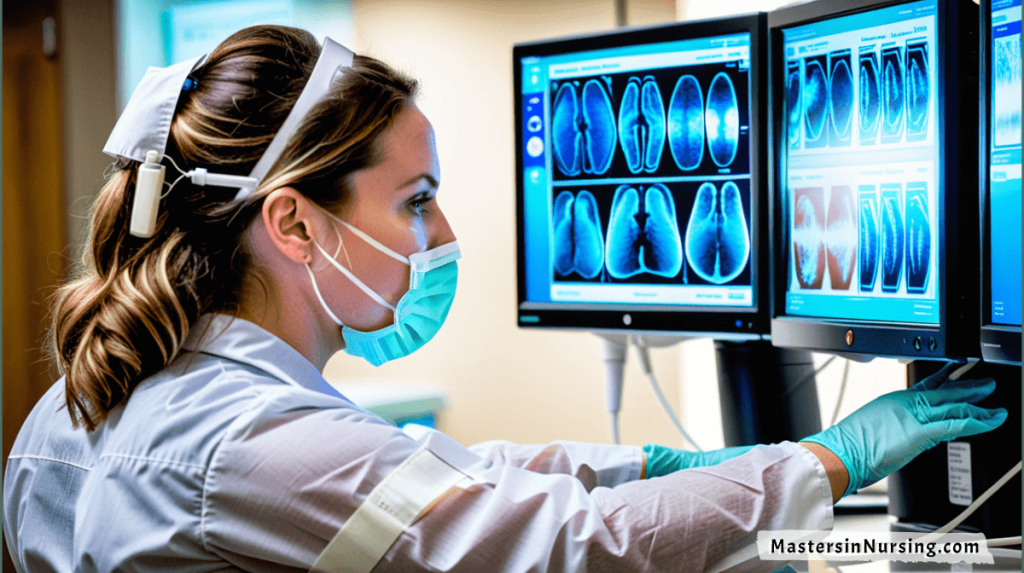
Being an Infection Control Nurse opens up a vast array of career paths and opportunities within the healthcare sector. The demand for Infection Control Nurses continues to grow, providing a wide range of professional pathways and further development prospects.
In addition to the essential role of managing infections and ensuring patient safety, Infection Control Nurses have the chance to branch out into various areas such as research, education, policy development, and project management within healthcare settings. By taking on these roles, they contribute significantly to the improvement of infection prevention measures within healthcare facilities. For instance, conducting research can lead to the discovery of new infection control strategies and technology, while involvement in policy development impacts the overall standard of care provided.
Moreover, Infection Control Nurses may assume leadership positions as infection control coordinators or directors. In these roles, they play a crucial part in overseeing and coordinating infection control programs and policies across entire healthcare organizations. This involves collaborating with other healthcare professionals to implement comprehensive infection control measures and drive continuous improvement efforts.
For example, an Infection Control Nurse who has transitioned into an educational role might conduct training sessions for medical staff on the latest infection control protocols and best practices. On the other hand, one involved in project management might lead initiatives to enhance infection control procedures within their facility.
Advancement Opportunities
Expanding further into leadership roles, Infection Control Nurses may progress to positions where they are responsible for directing multiple healthcare facilities’ infection control strategies. Their expertise is relied upon to guide decision-making processes that impact the health and safety of both patients and staff.
Just as a captain steers a ship through rough waters, these leaders navigate complex challenges in infection control practices, ensuring that facilities adhere to stringent standards and continuously improve their ability to prevent infectious diseases from spreading.
Amidst the diverse career avenues available to Infection Control Nurses, there are also formidable real-life challenges they face in their daily practice. Let’s now delve into the complexities and hurdles encountered by these diligent professionals.
Real-life Challenges in Infection Control Nursing
Infection Control Nurses are the frontline warriors against rapidly evolving infectious threats. They have to stay ahead of the curve, constantly updating their knowledge and practices to effectively combat the latest infectious diseases. This involves keeping a sharp eye on new emerging pathogens and understanding the ever-increasing risk of antimicrobial resistance. The rise of antibiotic-resistant infections has made it more challenging to treat patients, putting extra pressure on Infection Control Nurses to implement best practices for prevention and control.
Compliance with infection control measures presents another significant challenge for these nurses. They play a pivotal role in ensuring that all healthcare staff strictly adhere to established protocols for infection prevention. Convincing everyone to consistently follow guidelines, from hand hygiene to personal protective equipment usage, can be an ongoing battle in a healthcare environment where busy schedules and high-stress situations can lead to oversight.
Moreover, effective communication is essential in this profession. Infection Control Nurses need to articulate the importance of adherence to infection control measures not only to their colleagues but also to patients and their families. Communicating complex medical information in a way that is easily understandable is crucial for ensuring patient compliance and cooperation.
The recent COVID-19 pandemic has thrust these challenges into the spotlight. Infection Control Nurses have been at the forefront of addressing this global health crisis, working tirelessly to prevent the spread of the virus within healthcare facilities while simultaneously educating and reassuring anxious patients and families.
It’s akin to being the conductor of a symphony, harmonizing intricate infection control measures among healthcare professionals while simultaneously ensuring that patients are well-informed and reassured. It’s a delicate balance that requires both expertise and empathy.
As we can see, the challenges faced by Infection Control Nurses are multifaceted, demanding both technical proficiency and exceptional interpersonal skills.
The role of an Infection Control Nurse is not just about battling infectious diseases; it’s about navigating through complex challenges with expertise and empathy. Their dedication is crucial for ensuring the safety and well-being of patients and healthcare staff alike.