
Nurse Researcher: A Guide to the Role, Education, and Impact
A Nurse Researcher is key in improving healthcare quality. Through careful study and analysis, they create better treatment methods and improve overall patient care. Often unseen are their contributions to the growth of medical knowledge and the changes they inspire in healthcare policies. A career in nurse research requires not only a strong base in nursing, but also skills like data interpretation, communication, and statistical analysis. The road to becoming one may be demanding, yet the impact is significant, extending beyond individual patients to influence the entire healthcare industry. Get ready to delve deeper into this fascinating career choice as we explore further.
Nurse researchers play a vital role in advancing healthcare through scientific study and data analysis. They focus on various aspects of health, illness, and healthcare, aiming to improve patient outcomes, develop better healthcare services, and contribute to innovative approaches in delivering patient care.
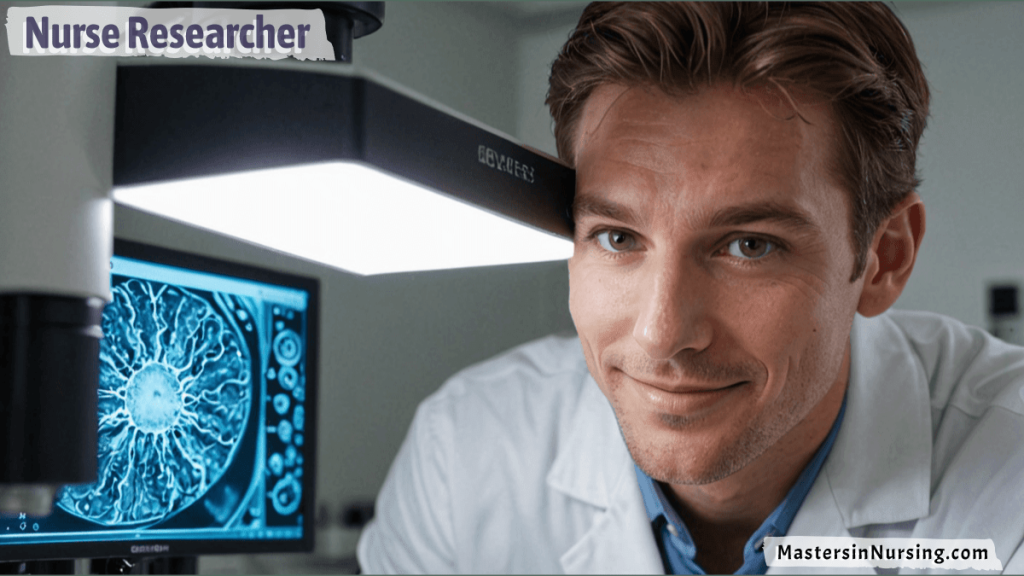
Advantages of Nurse Researchers in Healthcare
Nurse researchers play a vital role in our healthcare system and their contributions are far-reaching. One of the key advantages of nurse researchers is their ability to improve patient outcomes and enhance the quality of care provided. Through in-depth studies and analysis, they help identify effective treatment strategies, leading to better patient recovery rates and overall satisfaction with the healthcare experience.
Their work significantly contributes to the development of evidence-based healthcare practices and policies. This means that their research findings serve as a foundation for creating treatment and care protocols that are proven to be effective based on scientific evidence. Essentially, nurse researchers ensure that healthcare providers have access to the most up-to-date, reliable information to guide their practice, resulting in better patient care.
Moreover, nurse researchers actively participate in advancing medical knowledge within their field. Their studies and investigations often focus on addressing critical knowledge gaps in healthcare, leading to innovative solutions and advancements. As a result, nurse researchers not only influence current best practices but also drive progress and change within the healthcare system, benefiting patients, healthcare professionals, and the industry as a whole.
Understanding the direct impact of their work on patient outcomes, nurse researchers continue to refine and shape treatments and care plans to ensure optimal results. Their comprehensive approach enables them to address specific healthcare challenges based on empirical data, ultimately enhancing the quality of care delivered across various healthcare settings.
It’s crucial to realize that nurse researchers are not just adding information to medical textbooks; they’re providing real-world solutions to complex healthcare issues by bridging the gap between scientific discoveries and practical applications.
The pivotal contributions of nurse researchers extend beyond individual patient care to shape the landscape of evidence-based practices within the broader healthcare system. Their impact resonates throughout clinical settings, policy development, and medical education, emphasizing the undeniable importance of their work in advancing the delivery of quality healthcare.
This remarkable impact points to the essential skills and expertise required for nurse researchers. It underscores the significance of their role in shaping evidence-based practices within healthcare.
Required Skills and Expertise for Nurse Researchers
The role of a nurse researcher demands a diverse set of skills and expertise that extend beyond routine medical tasks. A combination of scientific acumen, communication finesse, and analytical prowess is crucial to drive meaningful advancements in healthcare. Let’s explore the key competencies needed for success in this pivotal role.
Analytical Skills
Nurse researchers must have a keen eye for detail and the ability to scrutinize complex data sets, allowing them to identify patterns, trends, and outliers within their research. This capacity to discern critically relevant details from large volumes of information is crucial in designing, executing, and interpreting research findings.
Communication Proficiency
In addition to analytical skills, nurse researchers must possess excellent written and verbal communication abilities. Clear and concise communication is vital for conveying research findings effectively to diverse audiences, including healthcare professionals, policymakers, and the general public.
Statistical Analysis and Research Methodologies
Proficiency in statistical analysis methods is fundamental for nurse researchers as they carry out quantitative studies to uncover insights that can influence healthcare practices. The ability to determine statistical significance ensures the reliability and validity of their findings. Furthermore, a comprehensive understanding of various research methodologies equips nurse researchers to design studies that provide robust evidence for implementing practical solutions within the healthcare landscape.
Overall, nurse researchers play a critical role in advancing patient care and shaping healthcare policies by conducting rigorous studies that unearth actionable insights. The combination of analytical skills, effective communication strategies, and expertise in statistical analysis and research methodologies enables nurse researchers to contribute substantively to the evolution of healthcare practices.
With a thorough understanding of the essential requirements for nurse researchers in place, let’s now turn our attention to the advanced educational prerequisites for professionals in this field.
Advanced Nursing Education Requirements
Becoming a nurse researcher is an honorable pursuit that demands dedication to learning and pushing the boundaries of nursing knowledge. As we explore the advanced education requirements for nurse researchers, it’s important to understand the significant commitment and specialized training these professionals undergo to contribute to the advancement of nursing science.
Ph.D. in Nursing
Earning a Ph.D. in nursing involves rigorous academic study combined with hands-on research experience. This doctoral degree equips nurse researchers with the skills necessary to design and conduct high-quality studies, analyze complex data, and contribute innovative solutions to the field of nursing. Doctoral programs in nursing often offer a variety of specializations, allowing nurse researchers to focus on areas such as public health, clinical research, or healthcare systems.
Doctor of Nursing Practice (DNP)
In addition to a Ph.D. in nursing, some nurse researchers pursue a Doctor of Nursing Practice (DNP) with a research-focused concentration. The DNP provides a unique pathway for nurse researchers to combine advanced clinical expertise with essential research skills. This comprehensive approach allows nurse researchers to bridge the gap between evidence-based practice and cutting-edge research, ultimately enhancing patient care and healthcare outcomes.
Specialized Knowledge and Research Training
The advanced degrees attained by nurse researchers not only provide specialized knowledge but also impart valuable research training. These educational programs emphasize critical thinking, literature review skills, grant writing, ethical considerations in research, and advanced statistical analysis. Nurse researchers graduate with the ability to critically evaluate existing literature and design original research studies that address gaps in nursing science.
The Impact of Advanced Education
The impact of advanced education on nurse researchers is profound. They are equipped with the necessary tools to tackle complex healthcare challenges, develop evidence-based interventions, and contribute significant findings that shape healthcare policy and practice. This level of expertise enhances the overall quality of nursing care provided to individuals, families, and communities.
It should be noted that obtaining these advanced degrees requires significant commitment, perseverance, and passion for advancing nursing science. Nurse researchers who pursue these educational paths play a pivotal role in shaping the future of healthcare through their relentless pursuit of knowledge and innovation.
As nurse researchers deepen their expertise through advanced education, they open doors to various specialized areas of focus within their field. Let’s now delve into the diverse realms where nurse researchers make substantial contributions.
Areas of Specialization for Nurse Researchers

Nurse researchers can specialize in a wide range of areas, each of which presents unique opportunities to make a positive impact on patient outcomes and healthcare practices. Let’s explore some of these exciting specializations and understand their significance in the broader context of healthcare improvement.
Chronic Illness Management
One significant area of specialization for nurse researchers is chronic illness management, focusing on the investigation and development of effective care protocols for individuals with long-term health conditions. This involves studying the impact of chronic illnesses such as diabetes, heart disease, and cancer on patients’ lives, as well as examining innovative interventions to enhance their quality of life. Nurse researchers specializing in this area often collaborate with healthcare teams to implement evidence-based strategies that improve patient outcomes and overall well-being.
Patient Safety
Patient safety is another critical domain for nurse researchers, emphasizing the study of factors that influence safety in various healthcare settings. This includes investigating medical errors, adverse events, infection control measures, and medication safety protocols. By identifying vulnerabilities and designing interventions to mitigate risks, nurse researchers specializing in patient safety contribute to the creation of safer care environments, ultimately reducing preventable harm to patients.
Health Promotion
Health promotion emerges as an essential specialization area for nurse researchers dedicated to enhancing wellness and preventive care practices. This involves examining lifestyle behaviors, community health initiatives, and public health policies with the aim of promoting healthier choices and disease prevention. Nurse researchers in this field play a significant role in developing evidence-based programs that empower individuals to adopt healthier habits and reduce the burden of chronic diseases within communities.
End-of-Life Care
In the realm of end-of-life care, nurse researchers focus on improving the quality of care provided to individuals nearing the end of their lives. This specialty involves exploring palliative care interventions, symptom management strategies, and communication approaches that support patients and their families during challenging circumstances. By advancing the understanding and delivery of compassionate end-of-life care, nurse researchers help foster dignity, comfort, and emotional support for individuals facing terminal illnesses.
Healthcare Delivery Strategies
Lastly, healthcare delivery strategies encompass an important area of specialization for nurse researchers involved in investigating innovative models of care delivery, health system performance, and healthcare access. Nurse researchers specializing in this domain seek to enhance care coordination, resource utilization, and equity in service provision across diverse populations. Their work contributes to the refinement of healthcare systems to ensure efficient, equitable, and high-quality care delivery for all patients.
Diverse specializations provide nurse researchers with avenues to deepen their knowledge and skills while directly impacting patient care outcomes. These focused areas enable nurse researchers to contribute meaningfully to the advancement of healthcare practices within specific domains, ultimately benefiting patients and communities alike. Now that we have explored the crucial areas where nurse researchers make a profound impact, let’s pivot our attention to understanding the intricate process behind research design in healthcare.
Understanding the Research Design Process in Healthcare
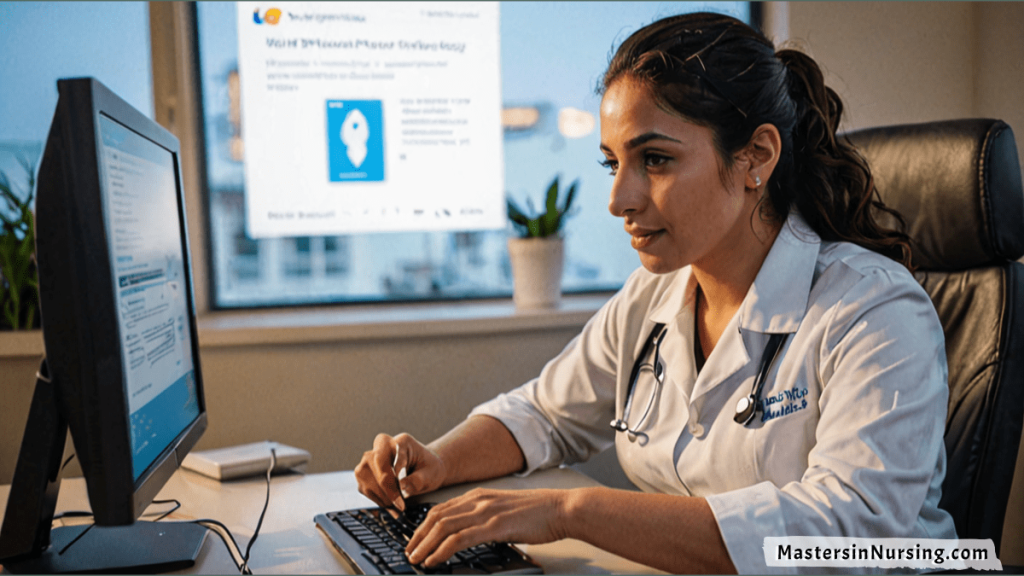
The research design process serves as the roadmap that guides nurse researchers as they embark on their quest for knowledge and evidence. It all begins with formulating clear, concise, and meaningful research questions. These questions serve as the foundation upon which the entire research will be built and provide the direction for the study.
Once the questions are established, nurse researchers move on to designing data collection methods. This involves making critical decisions about what kind of data to collect, how to collect it, and from whom. The choices made during this step can significantly affect the quality and relevance of the findings.
After gathering data, comes the all-important process of analyzing it. This is where nurse researchers unlock hidden insights and patterns within the data using various statistical methods and advanced analytical tools to interpret the information they’ve gathered.
Once the data has been scrutinized, nurse researchers draw conclusions based on their analyses – making connections between their findings and existing knowledge in the field. They compare their results with previous studies and evaluate the implications of their findings for clinical practice and policy development.
For example, a nurse researcher may conduct an experimental study to test a new intervention aimed at reducing hospital-acquired infections. Through a carefully designed research plan, they collect data from multiple hospitals, analyze it using statistical methods, and draw conclusions about the effectiveness of the intervention. These insights can significantly impact patient care and healthcare policies.
The research design process is a meticulous journey undertaken by nurse researchers to address complex healthcare issues and generate valuable evidence to inform clinical decision-making.
Role and Responsibilities of Nurse Researchers
Nurse researchers are more than just scientists with a stethoscope; they are the pillars of evidence-based practice in healthcare. Their core responsibility lies in the design and execution of scientific studies aimed at a better understanding of various health-related issues, from exploring the effectiveness of new treatments to identifying patterns in patient care.
This role involves meticulous attention to detail, critical thinking, and a deep understanding of research methodologies to ensure that studies are conducted ethically and with scientific integrity. Their findings have the power to shape nursing practice, policy, and education in profound and enduring ways.
Apart from this, nurse researchers also play a pivotal role in mentorship by guiding the next generation of nurse scientists. By imparting their extensive knowledge, experience, and skills, they pave the way for a sustainable pipeline of talented researchers.
Imagine Jenn, a seasoned nurse researcher who is not only immersed in her groundbreaking studies but also dedicates time to nurturing young talents. Her guidance creates ripples that extend far beyond her own work, shaping the future landscape of nursing research.
In addition to mentoring, nurse researchers often engage in teaching activities within academic settings, sharing their expertise with budding healthcare professionals. Through these educational endeavors, they significantly contribute to cultivating a research-minded mindset amongst students.
Furthermore, grant writing plays a crucial part in the duties of nurse researchers. As they strive to push the boundaries of medical knowledge, securing funding is imperative for conducting their groundbreaking studies. The prowess of nurse researchers extends beyond laboratories; it encompasses eloquent articulation and persuasion to secure financial support for their research endeavors.
In essence, nurse researchers are not only torchbearers of scientific inquiry but also nurturers of aspiring minds and champions of healthcare innovation. They undertake immense responsibilities to drive progress and ensure that the quality of patient care continues to elevate through evidence-based practice and research-backed insights.
Now, let’s delve into the career progression and salary prospects for nurse researchers as they continue their vital contributions to the field of healthcare.
Career Progression and Salary of a Nurse Researcher
Nurse researchers play a vital role in advancing healthcare through their research endeavors. For those with doctoral degrees, several career opportunities await in academia, research organizations, healthcare facilities, and non-profit organizations.
Within academia, nurse researchers can take up faculty positions at universities, guiding future nursing professionals and contributing to the growth of knowledge in the field. With clinical expertise and an inclination towards research, they can engage in research organizations, working on innovative studies aimed at improving healthcare delivery. Similarly, many nurse researchers find gratifying roles within healthcare settings, where they apply their research findings to enhance patient care and treatment protocols. Lastly, non-profit organizations provide platforms for nurse researchers to address crucial healthcare issues and work towards promoting public health initiatives.
Salary Outlook
The average salary for a nurse researcher is around $95,000 per year, presenting a competitive remuneration package for professionals in this field. However, it’s important to note that this figure can vary based on factors such as experience, geographic location, and specific employer.
Here are some key statistics to consider:
- The average salary for a Nurse Researcher in the United States is $113,102 per year or $54.38 per hour.
- Salaries for Nurse Researchers can range from $30,000 to $164,500 per year.
- The majority of Nurse Researcher salaries fall between $67,000 (25th percentile) and $154,000 (75th percentile).
Professionals with significant experience and a strong publication record can command higher salaries within this role due to the emphasis on research output and contributions to the field. This highlights the value placed on continuous learning and the generation of new knowledge within the nursing research domain.
With time and dedication to their craft, nurse researchers have the opportunity to advance into leadership positions where they can make substantial contributions to healthcare research and practice. These leadership roles allow them to influence policy decisions, mentor aspiring researchers, and shape the trajectory of nursing research.
A career as a nurse researcher offers diverse paths for professional growth and meaningful impact within the healthcare landscape. From academic leadership to pivotal roles within healthcare facilities and organizations, nurse researchers can carve out rewarding careers while contributing significantly to the evolution of nursing research.
Impact of Nurse Research in Hospitals and Academic Settings
Nurse researchers play a pivotal role in advancing healthcare practices and policies within hospital and academic environments. Their dedicated work in conducting studies and gathering evidence is crucial in shaping clinical guidelines, nursing procedures, and healthcare policies. By placing a strong emphasis on evidence-based practice, nurse researchers help establish a foundation for high-quality care that ultimately benefits patients, their families, and the entire healthcare system.
One key contribution of nurse research lies in its ability to drive evidence-based practice, using the best available evidence to guide clinical decision-making, directly impacting patient outcomes. For example, through their research findings, nurse researchers influence specific interventions or treatment protocols that prove to be more effective in certain patient populations. They bridge the gap between theoretical knowledge and practical application, ultimately improving the standard of care provided to patients.
Moreover, nurse research fosters a culture of continuous improvement within hospital settings by identifying areas for enhancement in healthcare delivery practices, patient safety measures, and disease management strategies. Their insights contribute to the ongoing refinement of care processes and the development of innovative solutions that enhance the overall quality of healthcare services.
The impact of nurse research extends beyond clinical settings into academic environments. Nurse researchers play a vital role in mentorship and knowledge dissemination within educational institutions. Their expertise and groundbreaking findings provide valuable insights for the next generation of nursing professionals, fueling an environment of intellectual curiosity and driving future research endeavors.
For instance, a study conducted by nurse researchers on the effectiveness of a new pain management technique could lead to the adoption of improved pain relief strategies in hospitals, directly benefiting patients by addressing their unique needs during medical care.
In another scenario, a nurse researcher’s study on nursing workload and patient outcomes may prompt policy changes within hospital administrations to optimize staffing levels for improved patient safety. These policy adjustments not only positively impact patient care but also contribute to creating a healthier work environment for nursing staff.
The far-reaching impact of nurse research is evident in its multifaceted contributions to evidence-based practice, continuous improvement, policy reform, and academic advancement within both hospital and academic settings.
The role of nurse researchers as drivers of positive change across healthcare landscapes cannot be overstated. Their dedication to generating actionable insights continues to shape the future of healthcare delivery and education.