
The Ultimate Guide to Becoming a Nurse Educator: Training, Curriculum, and Certification
Becoming a nurse educator is not an easy task, but one that breeds fulfillment. It requires deep clinical expertise coupled with the heart to nurture learning in others. This significant role involves shaping future healthcare by creating and delivering educational courses that equip budding nurses with key skills for high-quality patient care. This journey starts with earning advanced degrees in nursing education or a related field—a path filled with rich experiences and lifelong learning.
Nurse educators play a crucial role in shaping the next generation of nurses by providing instructional and clinical training, developing curriculum, and staying abreast of the latest advancements in healthcare. They also mentor and support students, contribute to program development, and conduct ongoing research to enhance nursing education.

Understanding the Role of a Nurse Educator
Imagine a nurse who not only takes care of patients but also teaches others how to do the same. That’s exactly what a nurse educator does. They act as a bridge between expert medical knowledge and those who are just starting out in the field.
A nurse educator merges their clinical experience with their passion for teaching to develop educational programs. These programs span basic nursing concepts to advanced training in hospitals or other clinical settings, ensuring that nursing students acquire all the knowledge and skills they need to provide exceptional patient care.
You see, being a nurse is challenging work. There’s so much to learn, from understanding different illnesses, treatments, and medications to learning how to communicate effectively with patients and their families. A nurse educator is there to guide new nurses through this maze of knowledge. Their role is about more than just teaching facts; it’s about helping future nurses understand how to apply those facts in real-life situations.
For instance, they might utilize simulations that replicate real hospital settings where students can practice caring for pretend patients. This helps students feel more at ease as they transition into the real world of patient care.
Additionally, many educator nurses become mentors, guiding new nurses as they step from being students into their new roles as professional nurses, boosting confidence and providing support during challenging times.
By blending clinical expertise with a passion for teaching, nurse educators play an indispensable role in shaping the healthcare professionals of tomorrow.
Intriguingly, this role extends beyond just classroom instruction; it positively influences future healthcare practices by ensuring that nurses are not only knowledgeable but also compassionate caregivers.
Now, let’s delve into how one can fulfill the academic requirements necessary to become a competent nurse educator.
Academic Requirements for Becoming a Nurse Educator
Becoming a nurse educator is not solely about teaching; it demands a profound understanding of nursing practice, curriculum development, and educational methodologies. Typically, the minimum academic requirement is a master’s degree in nursing education or a related field. This advanced degree equips aspiring nurse educators with the necessary knowledge in both nursing and education to bridge the gap between clinical expertise and teaching abilities.
Some institutions may prefer candidates with an even higher level of education such as a Doctor of Nursing Practice (DNP) or a Ph.D. in Nursing. These terminal degrees provide an in-depth understanding of advanced nursing concepts, research methodologies, and educational leadership. Holding a DNP or Ph.D. demonstrates an individual’s commitment to scholarly pursuits and positions them to spearhead innovative advancements in nursing education.
Aspiring nurse educators should thoroughly research specific academic prerequisites from accredited nursing schools, considering varying requirements regarding degrees, coursework, and practical experience. For example, some programs may emphasize research and scholarship, making a Ph.D. more desirable, while others may prioritize advanced clinical skills, favoring candidates with a DNP.
Choosing the Right Academic Program
Given the diverse educational paths available to nurse educators, it’s crucial to carefully consider which academic program aligns with one’s career goals and aspirations. Accredited nursing schools offer specialized programs tailored specifically for nurse educators, focusing on advanced nursing theories, evidence-based teaching practices, curriculum design, and the role of nurse educators in both academic and clinical settings.
Tips for Choosing the Right Academic Program:
- Research the faculty members
- Explore the curriculum
- Consider practicum opportunities
Our site provides detailed guidance on selecting the appropriate academic program to achieve the goal of becoming a nurse educator. We offer insights into various nursing education programs, their unique features, and tips for making informed decisions based on individual career objectives.
Importance of Clinical Experience and Teaching Skills
As a nurse educator, your clinical background isn’t just a formality—it’s a vital asset. Your firsthand experience in healthcare settings gives you a deeper understanding of patient care, medical procedures, and the challenges faced by nursing professionals every day. This knowledge allows you to bridge the gap between theory and practice. You can share real-world examples and insights, making the learning experience more engaging and relevant for your students.
Moreover, honing effective teaching skills is crucial for conveying complex medical procedures and theories in a way that resonates with aspiring nurses. Developing the ability to break down intricate concepts into understandable chunks and using varied teaching methods ensures that students are equipped with the skills and knowledge they need to excel in their future careers.
For instance, let’s say you’re teaching about administering IV medications. Your clinical experience enables you to share personal anecdotes, tips, and best practices, which enriches the learning process for your students. By drawing on your own experiences, you can provide context that goes beyond what’s found in textbooks.
It’s not just about sharing knowledge; it’s about imparting wisdom based on real-world scenarios. Your ability to integrate practical experiences with theoretical concepts creates a holistic learning environment that prepares students for the rigors of nursing practice.
By leveraging your clinical expertise and pedagogical skills, you can create an engaging and impactful learning environment that nurtures the next generation of nursing professionals.
Understanding how to blend clinical experiences with effective teaching methods is fundamental to excelling as a nurse educator. It not only enriches your instructional approach but also equips your students with the practical insights they need to thrive in their future nursing careers.Developing Impactful Programs as a Nurse Educator is all about creating innovative pathways for student success and navigating the fast-paced world of nursing education.
Developing Impactful Programs as a Nurse Educator

As a nurse educator, your role in shaping the future of nursing practice is significant. The programs you create not only affect the students’ education but also impact their ability to provide quality care in real-world healthcare settings. Crafting comprehensive and effective curricula involves a blend of art and science, requiring a keen understanding of the latest healthcare advancements, learning methodologies, and best practices.
The first step in developing impactful programs is staying updated with the advancements in nursing practices and healthcare. This requires continuous learning and networking within the industry. Attending conferences, engaging in professional development courses, and fostering relationships with clinical experts are essential for refining your educational programs. With this knowledge at hand, you can then proceed to design courses that align with the evolving demands of the healthcare landscape. Integrating elements of patient-centered care, evidence-based practice, and interdisciplinary collaboration into the curriculum prepares students to adapt seamlessly to the dynamic healthcare environment they’ll eventually work in.
Creating teaching materials that resonate with diverse learning styles is another crucial aspect. This might involve leveraging multimedia resources, interactive simulations, case studies, and real-world scenarios to engage students effectively. By catering to different learning preferences, you ensure that each student has an opportunity to excel in their studies.
For instance, incorporating virtual reality simulations in nursing education allows students to immerse themselves in lifelike patient care scenarios, providing a unique hands-on learning experience that enhances critical thinking and decision-making skills.
Integrating modern teaching methodologies such as active learning, flipped classroom approaches, and peer teaching fosters a dynamic and engaging learning environment. These techniques encourage students to take an active role in their education, promoting deeper understanding and retention of nursing concepts. Lastly, assessing learning outcomes is pivotal as it provides insights into the effectiveness of your programs. Implementing formative and summative assessments allows educators to measure student progress, identify areas for improvement, and tailor teaching strategies accordingly.
In essence, developing impactful educational programs as a nurse educator involves a blend of continuous learning, strategic course design, diverse teaching methodologies, and robust assessment strategies to prepare future nurses for success in the ever-evolving healthcare landscape.
As educators continue to play a crucial role in shaping nursing professionals’ education, it’s essential to examine their influence on professional development from a broader perspective.
Role of a Nurse Educator in Professional Development
The role of a nurse educator goes beyond the classroom. They act as mentors and guides for practicing nurses, guiding them through the ever-evolving landscape of healthcare. An essential aspect of their role involves providing continuing education and specialized training to ensure that nurses are well-equipped to deliver high-quality care in line with the latest clinical advancements.
Nurse educators stay current with medical breakthroughs and technological advancements, aligning their teachings with these developments to equip nurses with updated skills and knowledge. By meticulously dissecting and interpreting this information, nurse educators craft workshops, seminars, and in-service training programs designed to elevate the proficiency of nursing professionals.
In essence, they serve as conduits for the transfer of valuable knowledge that directly impacts patient care. Their influence ripples out far beyond individual nurses, reaching entire healthcare facilities through the dissemination of best practices and innovative techniques.
Consider a scenario where a nurse educator identifies an emerging trend in patient care management. Armed with this knowledge, they organize a seminar outlining the implications and applications of this new approach. As a result, nurses gain insights that enhance their ability to provide comprehensive care, ultimately benefiting the patients under their watch.
Moreover, nurse educators foster an environment of continuous learning, instilling a culture of professional growth among nursing staff. This proactive approach not only ensures that nursing professionals remain updated with the latest industry developments but also cultivates a sense of empowerment and confidence within the workforce.
With this understanding, it becomes clear that nurse educators occupy a pivotal position in nurturing the ongoing development of nursing professionals by providing tailored education and supporting them in acclimating to the dynamic healthcare landscape.
Having explored how nurse educators play an integral role in shaping the professional growth of nursing staff, let’s now shift our focus to the ever-evolving landscape of nurse educator careers.
The Future of Nurse Educator Careers
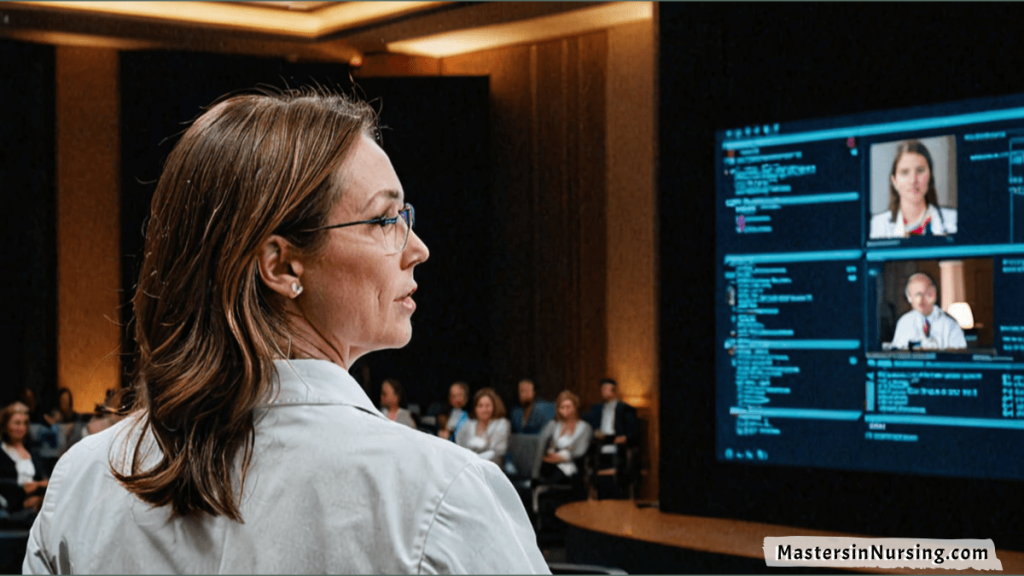
Nurse educators play a crucial role in preparing the next generation of nurses. As the healthcare landscape continues to evolve, their position is becoming increasingly significant, especially with the growing need for knowledgeable and experienced educators to address the nursing workforce shortage.
The demand for nursing professionals is on the rise, creating a greater need for skilled educators to train and guide these future healthcare providers. Therefore, nurse educators will continue to be pivotal in preparing nurses to meet the evolving healthcare needs.
To further understand the future trajectory of nurse educator careers, it’s important to consider the impact of technological advancements and innovative teaching methodologies within nursing education. The integration of technology and specialized training techniques presents exciting opportunities for nurse educators to enhance the learning experience for their students. For example, by embracing advancements in simulation-based learning, virtual reality applications, and interactive digital resources, nurse educators can create immersive and engaging educational environments that effectively prepare students for real-world challenges in healthcare settings.
An ever-increasing emphasis on evidence-based practice and interdisciplinary collaboration in healthcare positions nurse educators well to foster a culture of lifelong learning and critical thinking among their students. This not only contributes to the professional development of future nurses but also reinforces the adaptability and resilience required in today’s healthcare landscape.
As nurse educator roles continue to evolve, there’s a growing emphasis on mentoring and guiding nurses to navigate complex ethical dilemmas, cultural competency issues, and rapidly changing technological advancements in patient care. These areas represent key aspects of nursing education that will shape the future capabilities of healthcare professionals. For instance, incorporating case studies that explore ethical decision-making processes or designing interprofessional education initiatives can provide practical experiences that prepare nursing students for multifaceted challenges encountered in contemporary healthcare delivery.
Understanding these key aspects sheds light on the immense potential inherent in nurse educator careers, capturing both their significance in addressing nursing workforce shortages and their vital role in shaping the next generation of nursing professionals.
Now that we’ve explored the promising landscape of nurse educator careers, let’s shift our focus to uncovering the pathway to certification and what steps aspiring nurse educators can take to thrive in this dynamic field.
Pathway to Certification and Next Steps
Becoming a certified nurse educator is a crucial leap in advancing your career in education and nursing. It not only enhances your credibility but also underscores your expertise in the field. The certification process typically involves meeting clinical practice and educational requirements, such as obtaining a specific number of supervised direct patient care hours.
If you’re considering this professional journey, it’s essential to gain insights into the necessary steps and resources involved. Certification can open up a world of opportunities, allowing you to have a greater impact as an educator within the nursing field.
One of the first steps in pursuing nurse educator certification is ensuring that you have the required clinical experience and direct patient care hours. Many certification programs mandate a minimum number of hours spent in direct patient care to ensure that educators have practical experience alongside their teaching skills. This emphasis on clinical practice hours ensures that nurse educators have a profound understanding of patient care, bringing real-world experiences into their instruction for the ultimate benefit of the students they teach.
Once these clinical requirements are fulfilled, aspiring nurse educators should explore the available certification programs and determine which one aligns best with their career goals and aspirations. For instance, the ANCC offers two prominent certification programs, including the “Pathway to Excellence” and “Magnet Recognition.” Each program has its own set of criteria and requirements, and it’s crucial for individuals to assess which program aligns with their professional objectives.
For those seeking Pathway to Excellence certification, organizations must meet specific standards related to nursing work environments. Achieving this recognition signifies excellence in nursing practice and provides a supportive environment for both nurses and students. Moreover, preparation for certification often involves enrolling in specialized courses or workshops designed to enhance teaching skills, curriculum development, and evaluation techniques. These resources are valuable assets in preparing for the rigorous examination process that many certifications require.
As you navigate through the pathway to certification, it’s important to consider how each step contributes to your growth as a nurse educator. Embracing this journey can lead to new opportunities for professional development and positively impact your role within the nursing community.
Becoming a nurse educator requires dedication and commitment, but the rewards are numerous. Taking these crucial steps towards certification paves the way for an impactful career dedicated to shaping the future of nursing. Good luck on your journey!