
School Nurse Responsibilities: A Guide to the Vital Role They Play
School nurses are crucial puzzle pieces in the entirety of a student’s educational journey. They not only handle sudden health concerns such as injuries but also take care of students with ongoing health conditions. Their role doesn’t stop in the confines of the school infirmary, they bridge gaps between the school, parents, and healthcare providers to synthesize optimal care for students. It might surprise you how they navigate through stacks of medical records to ensure each student is up-to-date with necessary vaccines protecting not just an individual but the entire school population. Ready for a detailed look?
The main responsibilities of a school nurse include managing students’ health conditions like diabetes, providing first aid for injuries and illnesses, administering medications, conducting health education, and ensuring immunization compliance. They play a vital role in maintaining the health and safety of students while at school.
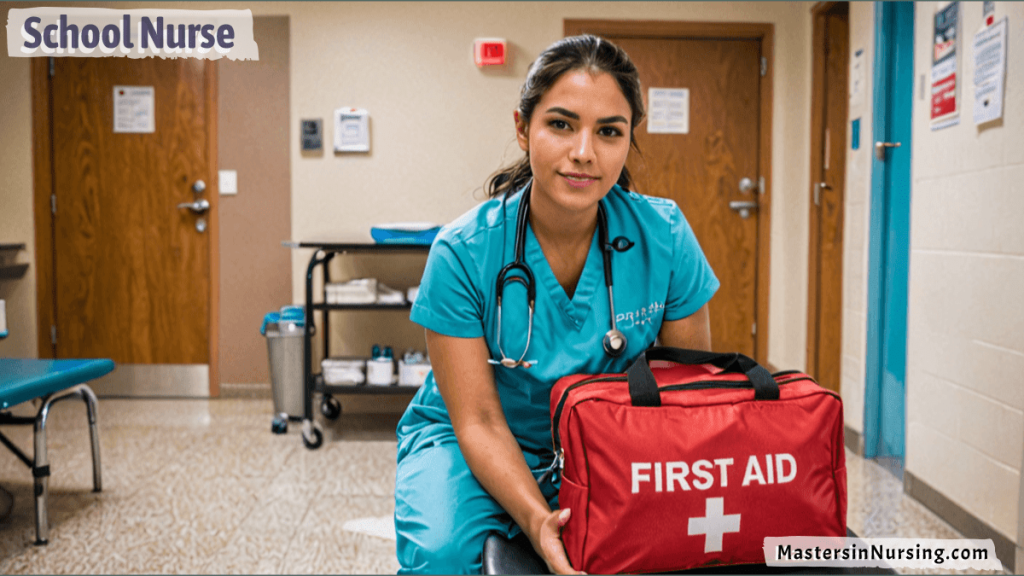
Roles and Responsibilities of a School Nurse
When you or your child is at school, the one person responsible for keeping students healthy is the school nurse. They have an incredibly important job that goes far beyond putting band-aids on injuries.
First off, school nurses are experts at assessing the health needs of students, looking for any signs of illness, injuries, or chronic health conditions like diabetes or asthma. Spotting problems early allows kids to get the help they need as soon as possible—school nurses do this every day.
Also, whenever there’s a tumble or a scrape, the school nurse is the one who gives first aid, cleans and dresses wounds, manages fevers, and provides comfort to unwell children. It’s like having a caring family member who knows just what to do when something goes wrong.
In addition to providing first aid, administering medications is also a big part of their job. The school nurse ensures that students receive their medication safely and correctly during the school day.
If that wasn’t enough, school nurses also develop care plans for students with chronic conditions, working with students, parents, and healthcare providers to create action plans so everyone knows exactly what to do if a student has a health emergency.
Moreover, school nurses keep track of students’ immunization records to ensure they comply with public health requirements. Their efforts in monitoring and enforcing immunization compliance help prevent the spread of infectious diseases in school settings.
They’re involved in health screenings too! School nurses often spearhead eye tests and hearing checks, helping identify health issues early so that treatment can start promptly.
So, not only do school nurses provide immediate care and support, but they also play a key role in maintaining a healthy environment for learning. From managing daily health needs to preventing long-term health barriers, school nurses are truly indispensable in supporting students’ overall well-being and academic success.
With their significant responsibility for providing essential care and ensuring a safe environment for learning, school nurses’ role expands into offering first-aid, emergency care, and triage. Let’s now explore this pivotal aspect of their duties.
Offering First-Aid, Emergency and Triage
Picture a bustling school morning—students chattering as they get ready for the day ahead. In the midst of this flurry, a child falls on the playground, scraping their knee and bursting into tears. This is just one of many scenarios where a school nurse steps in to offer immediate care and comfort.
A school nurse’s day is dynamic; there’s seldom a dull moment. They are like the first responders, ready to handle a spectrum of health-related incidents—ranging from minor cuts and scrapes to more serious conditions that demand urgent attention. When a student approaches them with an injury or feels unwell during the school day, the nurse promptly assesses the situation and administers the necessary treatment. The unpredictability of each day underscores the pivotal role of a school nurse in maintaining a safe and nurturing environment.
First-Aid Response
Dealing with first-aid needs is a significant part of a school nurse’s duties. They need to be well-prepared to counteract various mishaps or medical issues that may arise on the premises. From cleaning wounds and applying dressings to giving medications for minor complaints, their swift intervention addresses immediate health concerns and provides reassurance to both students and staff.
A well-stocked first-aid kit is an essential tool for any school nurse.
Emergency Care
Beyond routine first aid, school nurses must be equipped to respond effectively to more serious scenarios. They undergo regular training to administer life-saving interventions in cases of severe allergic reactions, asthma attacks, or other critical medical emergencies that could occur in the school setting. In these high-pressure situations, their sound judgment and quick action may well make all the difference between a positive outcome and a potentially grave situation.
Triage Management
Aside from administering immediate care, school nurses are responsible for triage management – prioritizing which patients need care first based on the severity of their condition. This crucial task ensures that those requiring urgent attention receive it promptly.
By handling these responsibilities with skill and compassion, school nurses play an integral role in fostering safety and wellness within the school community. Their vigilance and expertise ensure that students can focus on learning without worry while knowing that help is always at hand when needed most.
Amidst the array of responsibilities shouldered by school nurses lies an equally critical aspect—the promotion of comprehensive health education to empower students in making informed decisions about their well-being.
Comprehensive Health Promotion and Education

Imagine walking into a room filled with eager young faces staring back at you. Their eyes light up as they listen intently, absorbing every word you say. That’s the power of the school nurse when it comes to educating students about health and wellness.
While providing first aid and tending to injuries is crucial, school nurses also play a proactive role in promoting healthy habits and educating students on various health topics. They’re like modern-day guardians, planting the seeds for lifelong well-being. Through engaging wellness programs and interactive sessions, they empower students to take charge of their health.
Building Healthy Habits
School nurses lead the charge in creating educational materials that resonate with students and deliver important information in an accessible way. Whether it’s through eye-catching posters or informative handouts, they ensure that their messages about nutrition, exercise, hygiene, and mental health are both educational and engaging.
To put it simply: It’s not just about what they teach—it’s about how they teach it.
By tailoring their approach to different age groups, school nurses make health education relatable and fun. For example, they might use games or team activities to teach the importance of regular handwashing or organize cooking demonstrations to promote healthy eating habits. This hands-on approach fosters a positive attitude toward well-being from an early age.
A nurturing culture of well-being is the foundation for student success.
Students are encouraged to reflect on their choices related to diet, physical activity, screen time, and stress management in collaboration with their school nurse – as these daily habits hold great significance for their overall health.
Empowerment Through Knowledge
Information is power. School nurses aim to equip students with the knowledge and skills needed to make informed decisions about their health. They go beyond simply sharing facts; they foster an environment where students feel empowered to advocate for their own well-being.
This may involve hosting workshops on stress management techniques, organizing peer support groups, or even arranging talks by healthcare professionals. These initiatives go a long way in building resilience and self-efficacy among the student body.
Cultivating a Culture of Well-being
Lastly, school nurses contribute significantly to nurturing a culture of well-being within the school community. By integrating health education into all aspects of the school environment – from classroom learning to extracurricular activities – they instill a holistic understanding of well-being.
It’s not just about delivering lessons; it’s about fostering an environment where everyone values and prioritizes good health. Through their guidance, school nurses inspire students to embrace healthy choices not just at school but throughout their lives.
In summary, by championing comprehensive health promotion and education efforts, school nurses become pillars of empowerment and encouragement in shaping the wellness journey of each student they touch.
Medical Monitoring and Assessment
In ensuring the ongoing health and well-being of students with chronic health conditions, school nurses play a vital role. This responsibility includes continuous oversight and assessment of students’ health status at school to effectively address their medical needs. By routinely monitoring and assessing students, school nurses can identify emerging health concerns or changes in condition, allowing for timely intervention and support.
One of the core duties of school nurses is to maintain careful records and track the varying health statuses of students with chronic conditions. By closely monitoring these students, school nurses can identify patterns or fluctuations in their health, essential for tailoring individualized care plans. This meticulous observation enables early identification of potential health issues, preventing them from escalating and ultimately leading to improved overall well-being.
Furthermore, medication management is a crucial aspect of medical monitoring and assessment carried out by school nurses. They are responsible for ensuring that students receive their prescribed medications at the appropriate times and doses. This involves developing a comprehensive understanding of the medications each student requires, including potential side effects or adverse reactions, as well as being vigilant in managing any medication-related concerns that may arise during the school day.
Implementing Individualized Healthcare Plans
School nurses are also involved in developing and implementing individualized healthcare plans (IHPs) for students with chronic health conditions. These personalized plans outline specific care requirements and necessary accommodations to address each student’s unique medical needs while at school. This involves collaborating with healthcare providers, parents, and school staff to ensure that the student receives proper medical attention and support within the school environment.
Regular assessment is key in gauging the effectiveness of IHPs and making any necessary adjustments based on evolving health needs. By continually evaluating students’ responses to interventions outlined in their IHPs, school nurses play a pivotal role in optimizing each student’s health outcomes.
For example, a student diagnosed with diabetes may have an IHP that includes provisions for regular blood sugar monitoring, dietary considerations, access to snacks or glucose tablets, and specific protocols for managing high or low blood sugar levels during the school day.
Moreover, by maintaining an integrative approach to medical monitoring and assessment, school nurses strive to minimize absenteeism related to chronic health conditions. With proactive management strategies tailored to each student’s needs, they aim to promote regular attendance and active participation in academic activities while effectively managing any health-related barriers that may arise.
The diligent medical monitoring and assessment performed by school nurses not only contribute to the overall well-being of students but also plays a fundamental role in fostering an inclusive and supportive learning environment within schools.
With a strong foundation laid upon understanding the pivotal role of school nurses in ensuring student well-being, let’s now embark on exploring their contribution towards Developing and Administering Health Programs.
Developing and Administering Health Programs
School nurses have a vital role that goes beyond simply tending to sick or injured students. They also take on the critical responsibility of planning, implementing, and evaluating health-related programs in schools, such as vaccination clinics, health fairs, workshops on nutrition or mental health, and physical activities. These programs play a pivotal role in shaping how students perceive their health and can significantly influence their future choices.
When nurses organize vaccination clinics, they’re helping ensure that students are protected against serious illnesses that can easily spread in a school environment, safeguarding the well-being of everyone in the school community. Additionally, health fairs bring together resources and professionals to discuss important health topics, provide screenings, and answer questions—a mini-expo right at the school where students can learn how to make healthier choices in their everyday lives.
The overarching goal is to create an environment where students feel supported in making healthy choices for themselves, both now and in the future. By addressing health issues at a population level, school nurses contribute to shaping behaviors that promote well-being.
Positive Impact on Students’ Health Behaviors
Teaching young people how to be healthy leaves a lasting impression into adulthood. Therefore, the responsibilities of school nurses extend beyond addressing problems as they arise; they aim to prevent these issues from occurring in the first place by instilling good health habits early on. Through participation in health programs, students learn good hygiene practices and tips for staying active, fostering lifelong healthy habits.
Moreover, beyond disseminating information during campaigns or fairs, school nurses offer individual attention to students who may need extra support with their health. For instance, if a student has missed vaccinations or requires more information about healthy eating, school nurses are readily available for one-on-one conversations. This personalized approach makes a significant difference in ensuring that all students receive proper care for their well-being.
By creating health programs and working closely with students on these issues, school nurses set the stage for a positive change in how young people think about and take care of their health for years to come.
The profound influence of school nurses on student well-being carries vast implications for supporting holistic wellness in educational settings. Now, let’s delve into the multifaceted strategies aimed at supporting students’ physical and mental wellness.
Supporting Students’ Physical and Mental Wellness
School nurses serve as a crucial source of support for students’ emotional well-being, addressing concerns beyond just physical ailments. Whether it’s dealing with anxiety, depression, or simply the stress of academic life, students can rely on the guidance and care of their school nurse.
When it comes to mental wellness, the school nurse is often the first line of defense. They provide early intervention for mental health concerns, offering a safe and confidential space for students to express themselves without fear of judgment. By fostering open communication and trust, they create a nurturing environment where students feel comfortable reaching out for help when they need it most.
For instance, let’s say a student comes in feeling overwhelmed by schoolwork and is exhibiting signs of stress. The school nurse can provide active listening, offer coping strategies, and even refer them to mental health resources if necessary. This kind of immediate support can make a world of difference in a student’s life.
Moreover, the school nurse works closely with other staff members to ensure that students receive comprehensive care. They collaborate with teachers, counselors, and other healthcare professionals to develop holistic wellness plans tailored to each student’s unique needs.
In addition to providing direct support, school nurses also contribute to the overall school environment by promoting mental health awareness. By organizing educational workshops and campaigns, they help reduce the stigma associated with mental illness and encourage open conversations about emotional well-being.
By fostering a holistic approach to wellness, school nurses help create an environment where students feel supported in all aspects of their health.
It’s important to recognize that mental wellness is inherently linked to physical health. School nurses understand this interconnectedness and work towards maintaining a balance between the two. By advocating for policies that promote healthy lifestyles and offering guidance on nutrition and exercise, they strive to cultivate healthy habits that positively impact both physical and mental well-being.
In summary, our school nurses play a pivotal role in supporting students’ physical and mental wellness. Through their dedication to fostering a nurturing environment, providing essential support services, and advocating for comprehensive well-being programs, they contribute significantly to the holistic development of every student under their care.
Now, let’s shift our focus to the collaborative efforts between school nurses and staff/administration in ensuring a conducive environment for student well-being.
Collaboration with Staff and Administration
School nurses play a pivotal role in collaborating with teachers, administrators, counselors, and various school personnel to advocate for the health and wellness of all students. This collaboration integrates health promotion initiatives into the school’s educational mission, fostering an environment where students can thrive not only academically but also concerning their overall well-being.
By working closely with teachers, school nurses provide valuable insights that contribute to a more holistic learning experience. For example, if a student is struggling with concentration in class due to an undiagnosed health issue, the nurse collaborates with teachers and parents to ensure the student receives appropriate care and support, directly impacting the student’s ability to effectively engage in their studies.
Additionally, collaborating with administrators allows school nurses to contribute evidence-based recommendations for creating a healthier physical environment within the school setting. This includes initiatives to reduce stress levels during exam periods or introduce ergonomic seating options in classrooms to promote better posture among students. These small adjustments can have a significant positive impact on the physical and mental well-being of students.
Moreover, this collaboration extends beyond day-to-day activities and reaches emergency preparedness. School nurses often lead emergency response drills in coordination with staff and administration, ensuring that everyone in the school community is prepared to handle potential health-related crises. Whether it’s responding to allergic reactions or managing chronic health conditions during school hours, the teamwork between nurses and school personnel is essential for maintaining a safe and supportive learning environment.
In conclusion, collaboration with staff and administration empowers school nurses to influence policies, practices, and programs that benefit the entire school community. By coming together to prioritize student health and wellness, this collaborative effort underscores the comprehensive approach needed to address diverse health needs within the school setting.
Equipped with these insights into the vital role of school nurses, let’s now turn our attention to how these dedicated professionals keep up with training and resources essential for providing top-notch care to students.
Keeping Up with Training and Resources
The role of a school nurse extends far beyond administering Band-Aids or checking temperatures. To provide the best possible care to students, they need to continually learn and grow—much like teachers who further their education during summer breaks. Staying current and effective means school nurses are always on top of the latest health issues affecting school-age children. This involves keeping an eye on new illnesses and health concerns that might arise, as well as different ways to treat known conditions.
This ongoing professional development also encompasses skill enhancement. Not everyone is adept at giving injections right away, but with practice and training, anyone can learn to do it well. It’s important for school nurses to participate in regular workshops and training sessions, which help them stay sharp while also allowing them to share experiences and tips with other nurses.
Think of school nurses as being like superheroes who need to keep practicing with their powers to ensure they don’t get rusty when they’re needed most.
Another critical aspect of staying ahead is seeking out resources to support their practice. This could mean networking with other healthcare professionals, using online resources to access the latest research or best practices, or partnering with local clinics or hospitals for continuing education opportunities. By seeking out these resources, school nurses ensure they have all the tools they need to give the best care possible.
When a student comes into the office with an unusual fever or rash, it’s the wealth of knowledge gained from these ongoing trainings and resources that allows the school nurse to quickly assess the situation and provide proper care. It makes a world of difference for both the students and their families.
In the end, staying updated, seeking out resources, and always looking for ways to improve their skills helps school nurses provide top-notch care and support for the students in their charge.
The dedication of school nurses to continually update their knowledge base and skills equips them to meet the diverse health needs of students effectively. Their commitment ensures a safe and healthy environment for all students under their care.