
Community and Public Health Nursing Roles and Responsibilities: A Comprehensive Guide
Picture for a moment a global tapestry woven with invisible threads of compassion, care, and community welfare. This intricate network is expertly fortified by the tireless hands of Community and Public Health Nurses. Unsung heroes in our healthcare system, these professionals play the quintessential roles that bridge the gap between individual health and collective wellbeing. In this blog post, we give you an insightful tour into the extensive landscape of their roles and responsibilities. Brace yourselves as we unveil the profound impact of their work on our societies and how they contribute to create healthier futures for us all.
The book “Community and Public Health Nursing” serves as an essential resource for understanding population-focused care in various healthcare settings. It covers a broad range of community and public health issues, including caring for vulnerable populations such as older adults, homeless individuals, veterans, refugees, and the LGBTQ community. With evidence-based practice examples, real-world scenarios, and learning exercises, this updated 10th edition provides a comprehensive guide for applying population-focused tools and interventions in acute care, community, and public health settings.
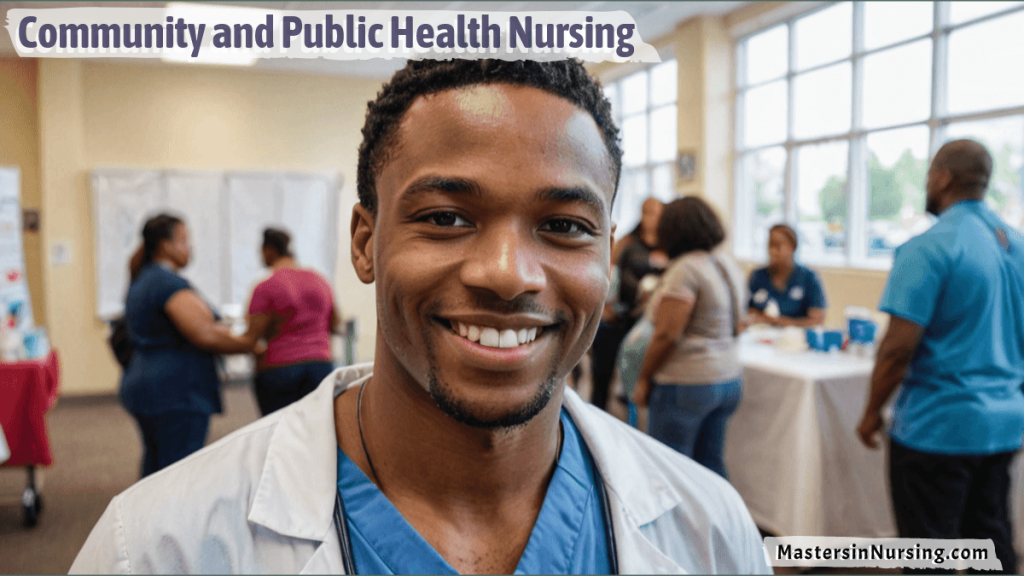
Community and Public Health Nursing: Scope and Roles
Community and public health nursing play a vital role in promoting the overall health and well-being of individuals, families, and communities. The scope of this nursing specialty goes beyond traditional bedside care, extending into the realm of population-focused care. This means that instead of focusing on individual patients, community and public health nurses concentrate on the health needs of entire populations or communities.
As community and public health nurses, their roles encompass a wide range of responsibilities that are crucial in ensuring the delivery of effective care. They collaborate with various stakeholders such as community leaders, healthcare organizations, government agencies, and advocacy groups to assess the health needs of specific populations. By conducting extensive assessments, they identify prevalent health issues, gaps in services, and social determinants of health that affect the community’s well-being.
For instance, imagine a community nurse working in a rural area where access to healthcare services is limited. They may partner with local clinics to provide mobile clinics or arrange transportation options for residents who otherwise wouldn’t be able to reach medical facilities easily.
Once the community’s health needs are understood, community and public health nurses take on a proactive approach by designing and implementing interventions aimed at improving population health outcomes. They develop evidence-based programs that address identified health concerns while considering cultural and socioeconomic factors unique to each community they serve.
Collaboration is key in this process as community nursing isn’t an individual effort; it involves teamwork and engagement with community members themselves. Nurses work closely with individuals and groups within the community to empower them through education about preventive measures, healthy lifestyle choices, and self-care practices.
Let’s say a public health nurse is tasked with addressing the rising rates of obesity in a certain population. Besides organizing workshops on nutrition and physical activity, they might also partner with local schools to implement healthy school lunch initiatives or advocate for policy changes related to food access and affordability.
Another critical aspect of community and public health nursing is focusing on addressing the healthcare needs of vulnerable populations within communities.
Working with Vulnerable Populations
Vulnerable populations are groups that face significant health disparities due to various factors such as socioeconomic status, race/ethnicity, age, homelessness, mental health issues, or substance abuse. Community and public health nurses play a vital role in advocating for and providing comprehensive care to these underserved populations.
One example of working with vulnerable populations is providing healthcare services to homeless individuals. In this role, nurses may establish partnerships with local shelters or outreach programs to develop targeted interventions aimed at improving their access to healthcare services. They may also provide preventive care and health education to address acute and chronic conditions commonly observed among this population.
Consider a community nurse working at a clinic for refugees who have recently resettled in a new country. In addition to ensuring their immediate healthcare needs are met, the nurse may assist in connecting the refugees with social services, language support programs, and cultural integration resources.
The work of community and public health nurses extends beyond direct care provision. They also engage in advocacy efforts by promoting policies that address social determinants of health and reducing health disparities.
Serving Diverse Communities
In the field of community and public health nursing, one of the primary objectives is to serve diverse communities. This means understanding and meeting the unique healthcare needs of individuals from different cultural, ethnic, socioeconomic, and demographic backgrounds. Public health nurses play a vital role in promoting health and preventing disease within these communities by providing culturally sensitive care, advocacy, and education.
To illustrate this point, let’s consider an example: Imagine a public health nurse working in a low-income neighborhood with a predominantly immigrant population. The nurse would need to consider various factors that may impact the community’s health such as language barriers, limited access to healthcare services, and cultural beliefs about illness and wellness. By addressing these specific needs through tailored interventions and resources, public health nurses can effectively bridge the gap between the healthcare system and underserved communities.
To serve diverse communities successfully, public health nurses must be skilled in cultural competence. This means having an awareness and understanding of different cultural norms, values, practices, and beliefs related to health. It also involves being able to adapt nursing care strategies to meet individual and community preferences and needs. By embracing diversity, public health nurses can establish trust and build strong relationships with the communities they serve.
In addition to cultural competence, public health nurses must also consider social determinants of health when serving diverse communities. These determinants include factors such as income level, education, housing conditions, access to healthy food, transportation, and social support networks. By addressing these underlying social factors that influence health outcomes, public health nurses can make a significant impact on improving overall community well-being.
By actively engaging with individuals and communities from diverse backgrounds through open communication channels, effective collaboration, and partnership development with local organizations and stakeholders, public health nurses can better understand the unique challenges faced by these communities. This understanding enables them to create targeted interventions aimed at reducing health disparities while fostering a sense of empowerment among individuals and communities.
Now that we have explored the importance of serving diverse communities, let’s delve into the key responsibilities of community and public health nurses in fulfilling their role.
Key Responsibilities in Community and Public Health Nursing
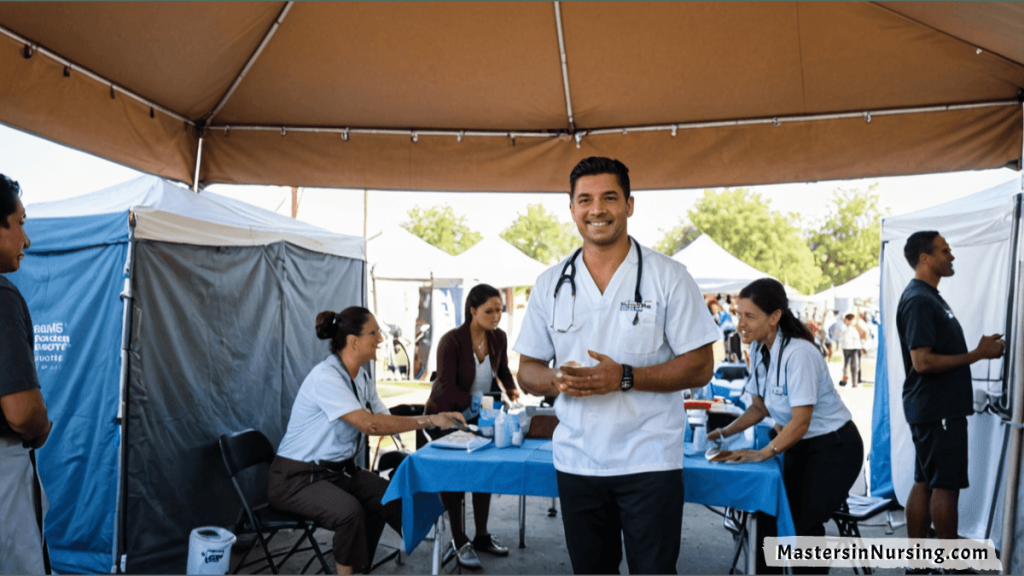
Public health nursing encompasses a wide range of roles and responsibilities aimed at promoting health, preventing disease, and improving the well-being of populations. Some key responsibilities include:
- Health Planner: Public health nurses play a crucial role in assessing community needs, identifying health gaps, and developing strategic plans to address those gaps. They collaborate with stakeholders to prioritize health issues and create evidence-based interventions.
- Patient Coordinator: Public health nurses serve as patient coordinators by assisting individuals in navigating the complex healthcare system. They provide guidance, resources, and referrals to specialized care when needed.
- Educator: Public health nurses are educators who raise awareness of critical health issues among individuals, families, and communities to prevent illness. They conduct educational sessions, workshops, and outreach programs to promote healthy behaviors and lifestyles.
- Statistician and Research Scholar: Public health nurses collect and analyze data related to population health outcomes. They use this information to identify trends, evaluate program effectiveness, and inform evidence-based practice.
- Advocate: Public health nurses serve as advocates for individuals and communities by voicing their concerns, addressing social determinants of health, and promoting policies that improve public well-being.
Overall, public health nurses work in assessment, advocacy, education, prevention, and evaluation within the community. Their holistic approach encompasses not only individual care but also focuses on the broader social factors that impact population health.
Health Promotion Initiatives
Health promotion initiatives are essential for community and public health nursing, as they aim to educate individuals, families, and communities to adopt healthier lifestyles and prevent the onset of diseases. These initiatives focus on empowering individuals to take control of their health and make informed decisions regarding their well-being.
One example of a health promotion initiative is promoting physical activity and healthy eating habits within a community. Community and public health nurses may collaborate with schools, local organizations, or community centers to develop programs that encourage regular exercise and incorporate nutritious food choices into daily routines. By providing resources, education, and support, these initiatives can help combat rising rates of obesity, cardiovascular diseases, and other chronic conditions linked to unhealthy lifestyles.
Another crucial aspect of health promotion initiatives is raising awareness about mental health. Mental health disorders affect millions of individuals worldwide, yet there is still a significant stigma surrounding this issue that prevents people from seeking help. Community and public health nurses play a vital role in organizing campaigns or workshops that promote mental health literacy and destigmatize seeking professional assistance. By fostering a supportive environment and providing the necessary resources, these initiatives contribute to improved mental well-being within communities.
Let’s consider a real-life scenario: A community is experiencing high rates of substance abuse among its youth population. Community and public health nurses may collaborate with schools, parents, and local authorities to design prevention programs tailored to address this specific issue. The initiatives could include educational sessions about the dangers of substance abuse, offering counseling services within the school setting, organizing positive recreational activities as alternatives to substance use, or establishing support groups for affected individuals or families. By implementing such interventions, community and public health nurses aim to prevent the initiation of substance abuse among young people while also providing support for those already struggling with addiction.
- Health promotion initiatives are vital for community and public health nursing. They involve educating individuals, families, and communities to adopt healthier lifestyles and prevent diseases. Examples of such initiatives include promoting physical activity and healthy eating habits, raising awareness about mental health, and addressing specific issues like substance abuse. By providing resources, education, and support, these initiatives contribute to improved overall well-being within communities.
Disease Prevention Strategies
In addition to health promotion initiatives, disease prevention strategies are crucial components of community and public health nursing. These strategies aim to identify and address risk factors associated with diseases to prevent their occurrence or minimize their impact on individuals and communities.
Primary prevention is a fundamental approach that focuses on reducing the risk of developing diseases in healthy populations. It involves interventions such as immunizations, screenings, education on healthy behaviors, and implementing policies to promote a safe and healthy environment. By targeting the underlying causes and risk factors, primary prevention helps prevent the onset of diseases or limits their progression.
For instance, let’s consider the prevention of sexually transmitted infections (STIs) through primary prevention strategies. Community and public health nurses may collaborate with local clinics or healthcare providers to provide education about safe sexual practices, distribute condoms, offer free or low-cost STI testing services, and advocate for comprehensive sex education in schools. These interventions not only reduce the risk of STI transmission but also promote overall sexual health awareness within the community.
However, it’s important to note that disease prevention strategies extend beyond primary prevention alone. Secondary prevention focuses on early detection and intervention in individuals who may have asymptomatic or early-stage diseases. This often involves regular screenings or assessments to detect diseases before they progress further.
Some may argue that secondary prevention is more resource-intensive compared to primary prevention since it requires active monitoring and screening efforts. However, identifying diseases at an earlier stage allows for timely treatment and management, potentially preventing complications or severe consequences down the line.
| Primary Prevention | Secondary Prevention | |
|---|---|---|
| Purpose | Reduce risk factors and prevent disease onset | Detect diseases early and prevent progression |
| Interventions | Immunizations, education, screenings, policy implementation | Regular screenings, assessments, early interventions |
| Benefits | Prevents occurrence of diseases | intervene before complications develop |
By combining health promotion initiatives with disease prevention strategies, community and public health nurses can make a significant impact on the overall health and well-being of individuals and communities. These roles encompass a range of responsibilities and require various skills to effectively promote health, prevent disease, and improve healthcare outcomes for all.
Skills Required for Community and Public Health Nursing
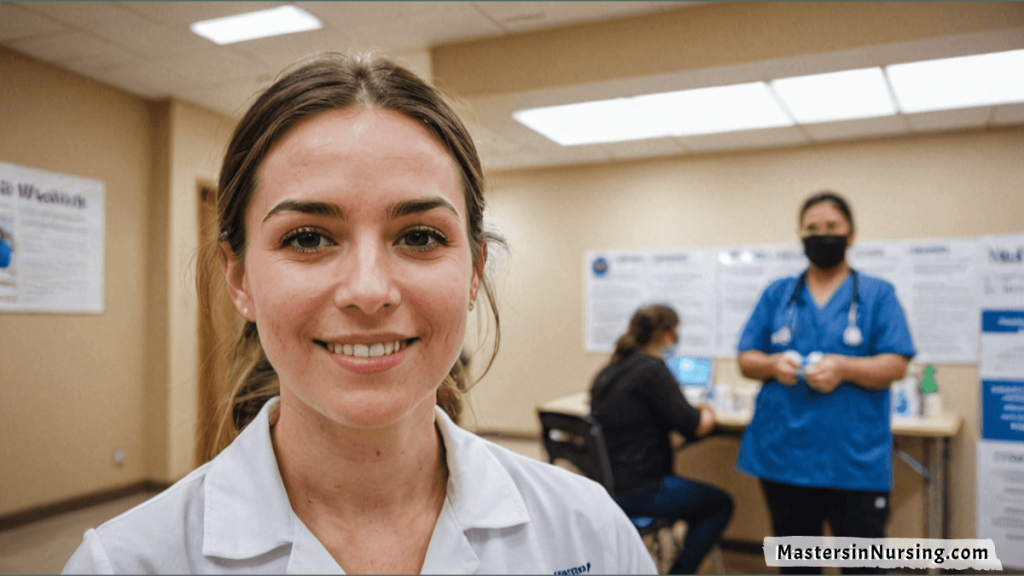
Community and public health nursing is a multifaceted field that requires a diverse set of skills to effectively address the complex health needs of populations. Beyond the fundamental nursing skills, community and public health nurses must possess specific competencies to fulfill their roles and responsibilities.
First and foremost, effective communication skills are paramount in this field. Community and public health nurses collaborate with diverse individuals, groups, and communities. They need to be adept at active listening, conveying information clearly, and facilitating open dialogue to promote individual and community health.
Think of community and public health nurses as skilled translators who bridge the gap between healthcare systems and communities. Their ability to communicate effectively ensures that valuable health information reaches those who need it most.
Equally crucial is cultural competency. Understanding and respecting cultural beliefs, practices, values, and traditions fosters trust within communities. It enables community and public health nurses to provide care that is respectful, inclusive, and tailored to the specific needs of diverse populations.
Additionally, critical thinking skills are vital in the ever-evolving landscape of community and public health nursing. Nurses in this role must be able to analyze complex data, assess population health needs, identify trends, develop evidence-based interventions, and evaluate outcomes. This analytical mindset allows them to make informed decisions that positively impact the overall well-being of communities.
Being proactive problem solvers is another essential skill for community and public health nurses. They often encounter challenges related to limited resources, social determinants of health, and navigating intricate healthcare systems. These nurses must demonstrate creativity, adaptability, resourcefulness, and resilience to overcome obstacles in their mission to improve population health outcomes.
Moreover, leadership skills play a crucial role in community and public health nursing. Nurses must be able to advocate for vulnerable populations, lead interdisciplinary teams, collaborate with stakeholders, mobilize community assets, and facilitate policy change. By assuming leadership roles, community and public health nurses can effectively address the complex issues affecting population health.
Now that we have explored the essential skills required in community and public health nursing, let’s dive into the education and training pathways that prepare nurses for this rewarding career.
Education and Training Pathways
Becoming a community and public health nurse requires a solid foundation of knowledge, skills, and experience. The educational pathways for this specialization may vary, but there are standard routes that aspiring nurses can take to embark on this fulfilling career path.
One common pathway is completing a Bachelor of Science in Nursing (BSN) program. This four-year degree equips students with a comprehensive understanding of nursing theory and practice. BSN programs provide a broader perspective on healthcare systems, community health promotion, and evidence-based nursing interventions. This foundational education prepares individuals for licensure as registered nurses (RNs) while laying the groundwork for further specialization in community and public health nursing.
For instance, Sarah pursued her BSN degree at XYZ University. Throughout her program, she gained valuable clinical experience in various healthcare settings, including community-based clinics and public health departments. These experiences deepened her understanding of the unique challenges faced by populations outside the traditional hospital setting.
After obtaining a BSN degree and acquiring RN licensure, nurses can pursue advanced education to enhance their expertise in community and public health nursing. Master’s degree programs such as the Master of Public Health (MPH) or Master of Science in Nursing (MSN) with a focus on community/public health nursing offer specialized coursework in areas like epidemiology, biostatistics, policy development, population assessment, and program planning.
While an MPH degree provides a broader public health perspective, an MSN degree offers more specialized nursing knowledge. Both paths equip nurses with advanced skills necessary for leadership roles in community and public health. Nurses can choose the educational pathway that aligns with their career goals and personal interests.
Additionally, nurses who aspire to pursue research or teaching roles may consider Doctor of Nursing Practice (DNP) or PhD programs in nursing. These terminal degrees provide advanced training in clinical practice, research methodologies, evidence-based practice, and healthcare policy analysis. They enable nurses to contribute to the advancement of community and public health nursing through research, policy development, and education.
Now that we have explored the education and training pathways available for aspiring community and public health nurses, let’s move forward to discuss the challenges and opportunities this field presents.
- According to the American Public Health Association (APHA), over 40% of all US-based health professionals work in public health or community nursing roles.
- The Bureau of Labor Statistics in 2020 predicted a growth rate of 7% for nursing occupations, including community and public health nurses, from 2019 to 2029, faster than the average for all occupations.
- A 2019 study published in Public Health Nursing reported that public health intervention programs led by public and community health nurses resulted in a 33% reduction in mortality rates due to preventable diseases.
Challenges and Opportunities in Community and Public Health Nursing
Community and public health nursing play a vital role in promoting the well-being of individuals, families, and communities at large. While these nursing specialties come with their fair share of challenges, they also provide numerous opportunities for making a significant impact on population health. Let’s explore some of the key challenges and opportunities faced by community and public health nurses.
One of the primary challenges in community and public health nursing is addressing the complex health issues prevalent in diverse communities. These issues can range from chronic diseases like diabetes and hypertension to infectious diseases such as tuberculosis or HIV/AIDS. Each community comes with its unique set of healthcare needs, cultural beliefs, and social determinants of health that must be taken into account when planning interventions and providing care.
For instance, imagine a community with limited access to fresh produce and nutritious food options leading to high rates of obesity and related conditions. A community health nurse working in this setting would face the challenge of designing impactful interventions that address not only individual behavior change but also systemic issues such as food deserts or unequal distribution of resources.
To overcome these challenges, community and public health nurses must possess excellent communication skills and cultural competence. Building trust within communities is essential to understanding their specific needs and collaborating effectively with stakeholders to implement evidence-based programs.
Another major challenge in this field is the limited resources available for comprehensive healthcare services. Public health budgets are often stretched thin, which can hinder the implementation of necessary preventive measures, screenings, and interventions. This constraint highlights the importance of advocating for increased funding for public health initiatives to ensure equitable access to quality care for all members of society.
Additionally, an opportunity lies in the growing recognition of the significant role played by community and public health nurses in achieving better health outcomes. With an increasing emphasis on preventive care, population health management, and reducing healthcare disparities, these nursing roles are gaining more visibility and importance within the healthcare system.
Think of community and public health nursing as being on the front lines of healthcare, like firefighters combating a spreading wildfire. They work tirelessly to prevent the outbreak and spread of diseases, promote healthy lifestyles, and intervene promptly in times of crisis. Their work is crucial in protecting and improving the health of entire communities.
Engaging with diverse communities also provides an opportunity for broadening one’s cultural competence and developing a deeper understanding of social determinants of health. By addressing these determinants, such as poverty or housing instability, community and public health nurses can play a pivotal role in reducing health inequities and promoting health equity for all individuals.
It is worth noting that while community and public health nursing offer immense opportunities for making a positive impact, it can also be emotionally demanding work. Nurses may encounter situations where they witness the effects of social injustices or face resistance to change from various stakeholders. These circumstances require resilience, self-care strategies, and ongoing support to cope with the emotional toll that comes with this type of nursing practice.
In conclusion, community and public health nursing present both challenges and opportunities. While addressing complex health issues and limited resources can be daunting, there are plenty of avenues for making a difference in improving population health outcomes. By actively engaging with diverse communities, advocating for increased funding, and promoting health equity, community and public health nurses are at the forefront of creating healthier communities for all.