
Everything You Need to Know About Becoming an Adult Gerontology Acute Care Nurse Practitioner
Picture this: you’re at the forefront of acute medical management, dealing with complex health conditions that mainly affect the elderly population. Where are you? You’re in the shoes of an Adult Gerontology Acute Care Nurse Practitioner (AGACNP) – one of today’s most rewarding and rapidly growing healthcare professions. This career path isn’t just a job; it’s an opportunity to make impactful, life-altering differences while addressing the escalating health needs of our aging population. So buckle up, because we’re about to unfold everything you need to know to step into this important role, intricately woven into the fabric of modern healthcare. From educational requirements and day-to-day responsibilities, to tips for navigating your career pathway successfully – indulge yourself in this comprehensive guide on becoming an AGACNP.
An Adult Gerontology Acute Care Nurse Practitioner (AGACNP) is a specialized healthcare professional who provides comprehensive care to young adults, older adults, and geriatric patients with complex, acute conditions. They work in various settings such as intensive care units, trauma units, specialty clinics, and long-term care facilities. AGACNPs develop treatment plans, focus on preventing complications, and improve patient health. They may also engage in administrative tasks, teaching, and research related to acute care.
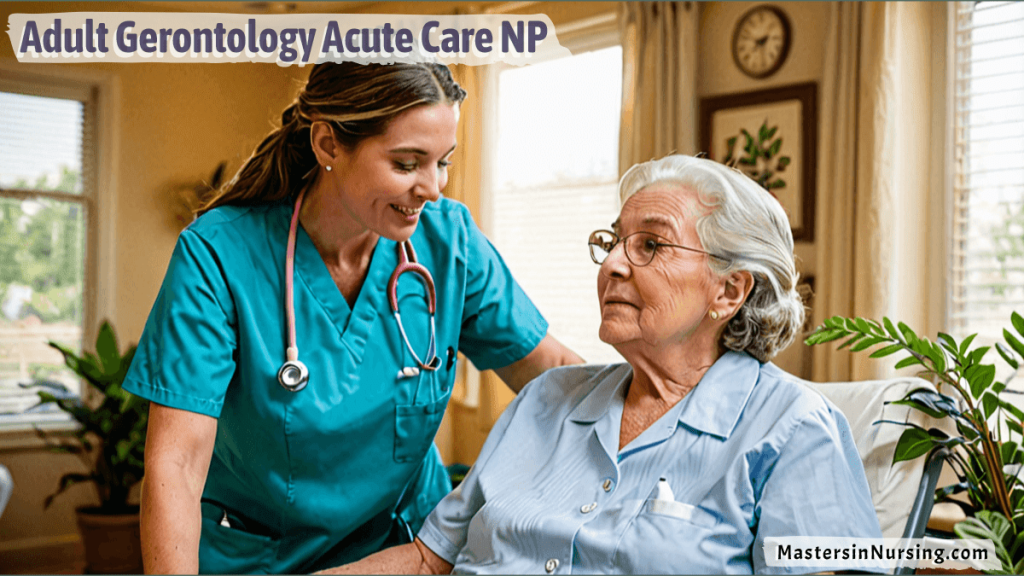
What is an Adult Gerontology Acute Care Nurse Practitioner (AGACNP)?
Are you passionate about providing comprehensive care to individuals with acute and complex conditions? If so, then pursuing a career as an Adult Gerontology Acute Care Nurse Practitioner (AGACNP) might be the perfect fit for you. AGACNPs are advanced practice registered nurses (APRNs) who specialize in caring for young adults, older adults, and geriatric patients with complex acute health issues. They work in various healthcare settings, including intensive care units, trauma or acute care units, specialty clinics, and long-term care facilities.
Imagine yourself working in a bustling intensive care unit, diligently monitoring patients with life-threatening conditions and developing multifaceted treatment plans to promote their recovery. As an AGACNP, you would use your expertise to manage acute illness episodes, prevent future complications, provide patient education, and improve overall health outcomes.
The role of an AGACNP extends beyond clinical practice. Apart from providing direct patient care, they also have administrative responsibilities such as managing medical staff and overseeing quality improvement initiatives. Additionally, they play a crucial role in teaching and mentoring nursing students and engaging in research to advance evidence-based practice.
Now that we have an understanding of what an Adult Gerontology Acute Care Nurse Practitioner entails let’s explore the steps to embark on this fulfilling career path.
- According to the American Association of Nurse Practitioners (AANP), AGACNPs on average have 6.3 years of experience in their field.
- In terms of salary, the median total annual income for AGACNPs is approximately $113,000.
- Regarding areas of focus, AGACNPs primarily cater to critical care, cardiovascular and hospitalist needs with top diagnoses including hypertension, heart failure, and diabetes.
Steps to Become an AGACNP
Embarking on the journey to become an AGACNP involves several key steps that require dedication, perseverance, and a passion for providing exceptional healthcare. Let’s delve into the process:
1. Earn a Bachelor of Science in Nursing (BSN): The first step towards becoming an AGACNP is to complete a BSN program. This four-year degree provides the foundation of nursing knowledge and skills necessary for advanced practice roles.
2. Obtain Licensure as a Registered Nurse (RN): Once you’ve completed your BSN program, you must pass the National Council Licensure Examination for Registered Nurses (NCLEX-RN) to become a licensed RN. Each state has its own licensing requirements, so be sure to familiarize yourself with your state’s specific regulations.
3. Gain Clinical Experience: Prior to pursuing a master’s degree in nursing, it is essential to gain valuable clinical experience as an RN. This experience not only helps you develop essential skills but also provides insight into different healthcare settings and patient populations.
4. Pursue a Master of Science in Nursing (MSN) Degree: To become an AGACNP, you will need to obtain a Master of Science in Nursing degree with a focus on adult gerontology acute care. This program typically takes two to three years to complete and provides advanced clinical knowledge and skills specific to acute care nursing.
5. Obtain Certification: After completing your MSN degree, you will need to obtain national certification as an Adult Gerontology Acute Care Nurse Practitioner from one of the NP certification boards, such as the American Nurses Credentialing Center (ANCC) or the American Association of Critical-Care Nurses Certification Corporation (AACN).
6. State Licensure: In addition to national certification, you will need to obtain state licensure as an Advanced Practice Registered Nurse (APRN) in the state where you plan to practice. The specific requirements for APRN licensure vary by state and typically include passing a certification exam and meeting educational and practice criteria.
Imagine taking each step along this journey, from earning your bachelor’s degree to gaining clinical experience and pursuing advanced education. Each milestone brings you one step closer to achieving your goal of becoming an AGACNP.
Now that we have explored the necessary steps to become an AGACNP, it is important to acknowledge the commitment and hard work required to excel in this role. By embarking on this career path, you have the opportunity to make a lasting impact on patients’ lives and contribute to the advancement of acute care nursing.
- Becoming an Adult Gerontology Acute Care Nurse Practitioner (AGACNP) requires a dedicated and determined approach. The key steps involved in this journey include earning a Bachelor of Science in Nursing (BSN), obtaining licensure as a Registered Nurse (RN), gaining clinical experience, pursuing a Master of Science in Nursing (MSN) degree with a focus on adult gerontology acute care, obtaining national certification, and securing state licensure as an Advanced Practice Registered Nurse (APRN). Each milestone brings you closer to achieving your goal of becoming an AGACNP and making a meaningful impact on patients’ lives in the field of acute care nursing.
Educational Pathway
To embark on the journey of becoming an Adult Gerontology Acute Care Nurse Practitioner (AGACNP), obtaining the necessary education is essential. Typically, individuals looking to pursue this specialization have a solid foundation in nursing and possess a Bachelor of Science in Nursing (BSN) degree. However, some institutions may offer direct entry programs for individuals without a nursing background.
The educational pathway to becoming an AGACNP usually involves pursuing either a Master of Science in Nursing (MSN) or a Doctor of Nursing Practice (DNP) degree. These advanced degrees provide the theoretical knowledge and clinical skills necessary to excel in this specialized field.
During the master’s or doctoral program, aspiring AGACNPs will delve into courses specifically tailored to acute care nursing, such as advanced pathophysiology, pharmacology, health assessment, and complex care management. These courses equip them with the expertise required to manage patients with complex acute conditions across various age groups.
Additionally, most programs incorporate clinical rotations that allow students to gain hands-on experience in diverse settings such as intensive care units, trauma centers, acute care units, and specialty clinics. This practical experience is crucial in developing clinical competence and enhancing critical thinking skills when dealing with complex patient situations.
While completing their education, aspiring AGACNPs can also choose to specialize further by focusing on specific areas within acute care practice. These areas may include critical care, cardiovascular care, hospitalist medicine, or other specialties aligned with their interests and career goals.
For instance, imagine a nursing student named Sarah who decides to pursue her dream of becoming an AGACNP after completing her BSN. She enrolls in a reputable MSN program specializing in acute care nursing. Over the course of her studies, Sarah engages in rigorous coursework that hones her knowledge on managing acute conditions in patients throughout the lifespan. She gains valuable hands-on experience during clinical rotations where she cares for critically ill patients in various settings. Through her studies and clinical experiences, Sarah builds a solid foundation that will prepare her to provide comprehensive care as an AGACNP.
Now that we have explored the educational pathway to becoming an AGACNP, let’s shift our focus to the next important aspect: obtaining certification.
Obtaining Certification
After completing the required educational program, aspiring AGACNPs must obtain national certification in order to practice as a qualified professional. Certification demonstrates competence and proficiency in the field while ensuring that practitioners adhere to established standards of care.
AGACNPs have two options when it comes to certification: they can choose to pursue certification through either the American Nurses Credentialing Center (ANCC) or the American Association of Critical-Care Nurses (AACN). Both certifying bodies offer a rigorous examination process that evaluates an individual’s knowledge, clinical skills, and ability to provide safe and effective care in acute care settings.
The certification examinations cover a wide range of topics relevant to adult gerontology acute care nursing, including disease management, diagnostic tests and procedures, pharmacology, patient assessment, and advanced practice roles. These exams assess critical thinking abilities and application of evidence-based practice guidelines in complex patient scenarios.
Preparing for these certification exams often involves independent study, review courses, and practical experience in acute care settings. Resources include textbooks, online modules, practice questions, and review materials provided by the certifying bodies themselves or other reputable sources.
Let’s take Sarah, our aspiring AGACNP from earlier, as an example. After completing her MSN program specializing in acute care nursing, she decides to pursue national certification through the ANCC. She dedicates several months to studying independently using review material recommended by the certifying body. Additionally, she takes advantage of practice questions and online modules available on reputable nursing websites. Alongside her exam preparation, Sarah continues to gain valuable clinical experience in acute care settings, further honing her skills and knowledge.
Obtaining certification is a crucial step in establishing oneself as a competent Adult Gerontology Acute Care Nurse Practitioner. Once certified, AGACNPs can explore the wide range of roles and responsibilities they can undertake in their nursing career.
Roles and Responsibilities of an AGACNP

As an Adult Gerontology Acute Care Nurse Practitioner (AGACNP), you play a vital role in providing comprehensive care to patients with complex, acute conditions. Your responsibilities extend beyond clinical practice to encompass administrative, teaching, and research components as well. Let’s explore the key roles and responsibilities of an AGACNP in detail.
One of your primary responsibilities as an AGACNP is to develop and implement multifaceted treatment plans for young adults, older adults, and geriatric patients with acute health issues. This involves conducting thorough assessments, diagnosing acute conditions, and managing the treatment process while collaborating with other healthcare providers. You must possess advanced clinical expertise and stay updated on the latest evidence-based practices to ensure optimal patient outcomes.
For instance, imagine you are working in an intensive care unit (ICU) caring for a critically ill patient who has suffered multiple organ failures. Your role as an AGACNP would include monitoring their vital signs, administering medications, coordinating diagnostic tests, interpreting lab results, and communicating with the interdisciplinary healthcare team to address any changes in the patient’s condition promptly.
In addition to direct patient care, you also have a crucial responsibility in preventing future complications and improving the overall health of your patients. This includes educating patients about their conditions, providing guidance on managing chronic illnesses or lifestyle modifications, and helping them navigate through treatment options.
Being part of the healthcare team is another significant aspect of your role as an AGACNP. Let’s explore how you collaborate within the healthcare team to provide holistic care to your patients.
In the Health Care Team
As an AGACNP, you work collaboratively with a diverse group of healthcare professionals to provide comprehensive care to your patients. Your contributions within the healthcare team are crucial for delivering optimal outcomes and ensuring coordinated and patient-centered care.
Within the team, you collaborate closely with physicians, nurses, pharmacists, respiratory therapists, social workers, and other members of the healthcare team. You bring your specialized knowledge in acute care management to the table and work collectively to develop patient-centered treatment plans.
Think of the healthcare team as a well-orchestrated orchestra where each member plays a crucial instrument, contributing their unique skills and expertise to create harmony and provide the best possible care to patients. As an AGACNP, you are like the conductor ensuring all the elements come together seamlessly.
In this collaborative setting, you actively participate in multidisciplinary rounds, case conferences, and patient care meetings. Your input is essential for discussing patient progress, adjusting treatment plans, addressing complex issues, and making important decisions regarding patient care.
Furthermore, an integral part of your role within the healthcare team is serving as an advocate for your patients. You ensure their voices are heard, their concerns are addressed, and their preferences are considered during decision-making processes. Effective communication and teamwork are paramount in fostering a culture of interdisciplinary collaboration.
Now that we have explored the roles and responsibilities of an AGACNP as well as their involvement within the healthcare team let’s dive into the specific skills and expertise required for this rewarding profession.
Skills and Expertise Required
Becoming an Adult Gerontology Acute Care Nurse Practitioner (AGACNP) requires a diverse set of skills and expertise to provide comprehensive care for patients with complex, acute conditions. Here are some essential qualities that aspiring AGACNPs should possess:
Picture this: You walk into the intensive care unit of a hospital bustling with activity. The beeping of machines, the hushed conversations among healthcare professionals, and the urgency in the air are reminiscent of a well-orchestrated symphony. As an AGACNP, you must thrive in such high-pressure environments.
Clinical Skills: AGACNPs need to have a strong clinical foundation to assess and manage acute conditions effectively. This includes performing physical examinations, ordering diagnostic tests, interpreting test results, and prescribing appropriate treatments. They should also be skilled in procedures like suturing wounds, inserting central lines, and managing ventilators.
Critical Thinking: In the fast-paced world of acute care, AGACNPs need sharp critical thinking abilities to make quick and sound decisions. They must analyze complex patient data, identify potential complications or deteriorations, and intervene promptly to prevent adverse outcomes.
Communication and Interpersonal Skills: AGACNPs work collaboratively with multidisciplinary teams, including physicians, nurses, pharmacists, and other healthcare professionals. Excellent communication and interpersonal skills are crucial for effective teamwork, clear patient education, and establishing trust with patients and their families.
Problem-Solving: AGACNPs encounter unique challenges daily and must approach them with a solution-oriented mindset. From managing emergencies to identifying treatment options for complex cases, problem-solving skills are paramount for ensuring optimal patient outcomes.
Empathy and Compassion: Providing care to acutely ill patients can be emotionally challenging. Empathy and compassion help AGACNPs connect with patients on a deeper level, acknowledge their fears and concerns, and provide support throughout their healthcare journey.
Attention to Detail: In acute care settings, even the smallest details can have a significant impact on patient outcomes. AGACNPs must possess keen observational skills and attention to detail to identify subtle changes in a patient’s condition and respond appropriately.
Job Settings and Work Schedules for AGACNPs
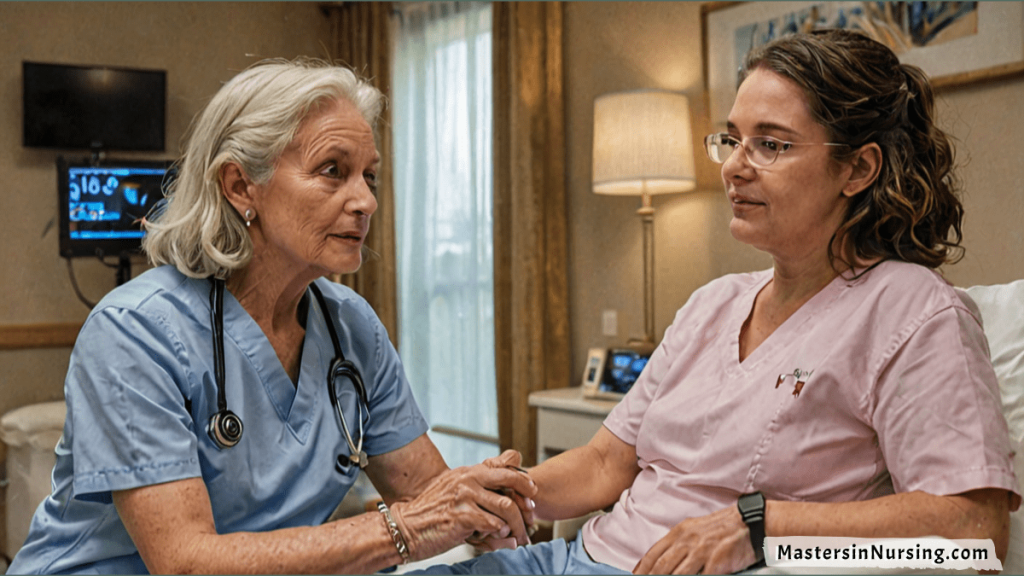
AGACNPs have diverse job opportunities and can work in various settings. Some common practice areas include intensive care units, trauma or acute care units, specialty clinics, and long-term care facilities. While hospitals are the most common setting, AGACNPs may also find employment in outpatient clinics or physician offices.
Think of AGACNPs as versatile professionals who can adapt to different environments like chameleons changing their colors to suit their surroundings.
The work schedule for an AGACNP in acute care is often non-traditional and may include weekends, nights, and being on-call. Acute conditions do not adhere to a 9-to-5 schedule, and providing round-the-clock care is essential for patient safety. Flexibility in working hours is crucial for AGACNPs who thrive in this dynamic environment.
Additionally, the role of an AGACNP extends beyond clinical practice. They may engage in administrative tasks such as designing protocols or leading quality improvement initiatives. Teaching future nurses or contributing to research are other possibilities that enhance the scope of their profession.
Now that we have explored the necessary skills and expertise required for AGACNPs, let’s dive deeper into the financial aspects of this career path – salary expectations and career prospects.
Salary Expectations and Career Prospects for AGACNPs
When considering a career as an Adult Gerontology Acute Care Nurse Practitioner (AGACNP), it’s natural to have questions about salary expectations and career prospects. As of November 2023, the average salary for an AGACNP in the United States is $107,222. However, it’s important to note that salaries can vary depending on factors such as education, certifications, additional skills, and years of experience.
To gain an understanding of the salary range for AGACNPs, it’s helpful to consider specific figures. The salary range typically falls between $101,115 and $114,933. This means that while some AGACNPs may earn below the average salary due to certain circumstances or starting out in their careers, others might exceed the average by possessing advanced degrees or specialization in high-demand areas.
Career prospects for AGACNPs are promising, with a growing demand for healthcare professionals specializing in acute care for adult gerontology patients. Hospitals, clinics, healthcare systems, and other medical facilities are actively seeking these practitioners to provide patient admission, assessment, diagnosis, treatment, follow-up, and outcome evaluation. With an aging population and increasing acuity of illness among older adults, the need for skilled AGACNPs continues to rise.
For example, some organizations that offer job opportunities in this field include Northwell Health – Forest Hills in NY, Sanford Health in Sioux Falls in SD, UTHealth Houston in TX, Walsh University in Canton OH, and FDIHB in Fort Defiance AZ. These institutions recognize the value of AGACNPs and are willing to compensate them accordingly.
It’s worth mentioning that along with a competitive salary package, many institutions also offer additional benefits known as total rewards. These benefits can include factors such as longevity pay after two years of service and retirement/pension plans. For instance, UTHealth Houston provides a retirement/pension plan as part of their total rewards package, ensuring long-term financial security for AGACNPs.
With an understanding of salary expectations and career prospects, let’s explore how AGACNPs can advance in their careers through further specialization and development opportunities.
Advancing the AGACNP Career: Further Specialization and Development Opportunities
While becoming an AGACNP is already a significant achievement, many practitioners aspire to further advance their careers by specializing in specific areas or pursuing additional development opportunities. These endeavors not only enhance their knowledge and skills but also open doors to new career paths and higher earning potential.
One path for advancement is pursuing certification in specialized areas such as critical care, cardiology, or oncology. By obtaining these certifications, AGACNPs can demonstrate their expertise in specific subspecialties and position themselves for roles that focus on these areas. This can lead to increased responsibilities and higher compensation.
Continuing education is another avenue for career development. AGACNPs can pursue advanced degrees such as Doctor of Nursing Practice (DNP) or a Master of Science in Nursing (MSN) with a focus on administration or education. These degrees provide opportunities to become leaders in healthcare organizations, educators for future generations of nurse practitioners, or researchers contributing to evidence-based practice.
Additionally, some universities offer online adjunct instructor positions for their graduate nursing programs in Adult Gerontology Acute Care Nurse Practitioner among other specializations. For example, Walsh University offers such positions, allowing AGACNPs to share their knowledge and experience with aspiring nurse practitioners while further enhancing their own professional growth.
Networking within professional organizations and attending conferences is yet another way to expand one’s horizons. By connecting with colleagues in the field and staying up-to-date with the latest advancements, AGACNPs can stay at the forefront of medical knowledge and potentially discover new opportunities for career growth and collaboration.
The journey to advanced specialization and development is unique to each AGACNP, as it depends on their interests, goals, and the needs of the healthcare landscape. However, one thing is certain – there are ample opportunities for professional growth and advancement in this field.
What settings do Adult Gerontology Acute Care Nurse Practitioners typically work in?
Adult Gerontology Acute Care Nurse Practitioners typically work in a variety of healthcare settings, including hospitals, intensive care units, emergency departments, and specialty clinics. According to the U.S. Bureau of Labor Statistics, as of 2020, the majority of nurse practitioners were employed in physicians’ offices (28%), followed by hospitals (19%), outpatient care centers (9%), and educational services (4%). These diverse settings allow AG-ACNPs to provide comprehensive and specialized care to acutely ill adults and older adults throughout their healthcare journey.
What are the primary responsibilities of an Adult Gerontology Acute Care Nurse Practitioner?
The primary responsibilities of an Adult Gerontology Acute Care Nurse Practitioner (AGACNP) include assessing, diagnosing, and managing acute and chronic medical conditions in adult patients. AGACNPs collaborate with interdisciplinary teams to develop care plans, prescribe medications, provide acute interventions, and monitor patient progress. According to the Bureau of Labor Statistics, the employment of nurse practitioners is projected to grow 45% from 2019 to 2029, highlighting the increasing demand for these advanced practice registered nurses in acute care settings.
What is the role of an Adult Gerontology Acute Care Nurse Practitioner?
The role of an Adult Gerontology Acute Care Nurse Practitioner (AGACNP) is to provide advanced nursing care to adults and older adults with complex acute and chronic conditions. AGACNPs work in settings such as hospitals, emergency departments, and specialized acute care units. They assess and diagnose patients, order and interpret diagnostic tests, prescribe medications, manage treatment plans, and support patients and their families throughout their healthcare journey. According to the American Association of Critical-Care Nurses (AACN), there has been a growing demand for AGACNPs due to the aging population and increasing prevalence of chronic diseases, making them essential in delivering high-quality acute care.
What specific skills and qualifications are required for becoming an Adult Gerontology Acute Care Nurse Practitioner?
To become an Adult Gerontology Acute Care Nurse Practitioner, specific skills and qualifications are necessary. Firstly, a strong foundation in nursing is essential, including a Bachelor’s degree in Nursing (BSN) and a registered nurse (RN) licensure. Additionally, acquiring a Master’s or Doctorate degree in Nursing with a focus on adult gerontology acute care is crucial for advancing in this field. Practical experience through clinical rotations and internships is highly recommended to gain hands-on skills. According to the American Association of Critical-Care Nurses (AACN), as of 2020, over 95% of Acute Care Nurse Practitioners possess either a Master’s or Doctorate degree. Furthermore, having excellent critical thinking abilities, advanced assessment skills, and the ability to make quick decisions under pressure are important qualities for success in this role.
How does the scope of practice differ between Adult Gerontology Acute Care Nurse Practitioners and other nurse practitioners?
The scope of practice for Adult Gerontology Acute Care Nurse Practitioners (AGACNPs) differs from other nurse practitioners primarily in terms of their specialized focus on the care of adults across the age spectrum, particularly those with acute and complex health conditions. AGACNPs are trained to manage the comprehensive needs of acutely ill patients, including diagnosing, prescribing medications, ordering and interpreting diagnostic tests, and providing direct patient care in acute care settings. They possess a higher level of autonomy and responsibility compared to other NPs due to the critical nature of their patients’ conditions. According to a survey conducted by the American Association of Nurse Practitioners (AANP), as of 2022, AGACNPs constituted approximately 15% of all certified nurse practitioners in the United States, highlighting their specialized role within the nursing profession.
(Statistics source: American Association of Nurse Practitioners, 2022)