
Becoming an Acute Care Nurse: Career Opportunities and Education Requirements
In the rapidly evolving field of healthcare, the role of an Acute Care Nurse stands out to be one of the most challenging and rewarding professions. The comforts and satisfactions of helping patients at their most vulnerable or critical states, coupled with endless professional growth opportunities, make this career path truly enticing. Let’s delve into the world of acute care nursing – where courage meets compassion and career mobility meets job security. We’ll demystify everything you need to know about becoming an Acute Care Nurse, from education prerequisites to exciting possibilities that await in your career journey. This blog post intends to be the map to guide you along your expedition into this dynamic profession and ensure that no prospective nurse is left without crucial information. The journey towards becoming an Acute Care Nurse begins now.
The role of an acute care nurse involves providing specialized short-term treatment to patients with sudden illnesses or injuries. They work in fast-paced environments such as emergency departments, ICUs, trauma units, and urgent care clinics. Acute care nurses have advanced training and skills in areas like cardiology, pulmonology, or neurology. They assess patients’ symptoms, monitor vital signs, create care plans, administer medications and treatments, perform tasks such as airway management and resuscitation pharmacotherapy, and use specialized medical equipment.

Understanding Acute Care Nursing
Acute care nursing is a specialized field within healthcare that focuses on providing immediate and intense care to patients with sudden or life-threatening illnesses or injuries. As an acute care nurse, you would work in fast-paced settings like emergency departments, ICUs, trauma units, and urgent care clinics. Your primary goal would be to stabilize patients, manage their symptoms, and ensure their well-being during critical moments.
The role of an acute care nurse requires advanced training and specialized skills. Many nurses choose to further specialize in areas such as cardiology, pulmonology, or neurology, allowing them to focus on specific patient populations and conditions. With expert observational skills, rapid reflexes, and the ability to act quickly during emergencies, acute care nurses are vital members of the healthcare team.
Imagine working in an emergency department where you encounter patients with severe trauma from accidents or sudden cardiac events. As an acute care nurse, you would be responsible for triaging patients based on their condition’s urgency, assessing their symptoms and vital signs, and initiating necessary interventions. Your knowledge of medical procedures and equipment would play a crucial role in managing airway management, arrhythmia analysis, resuscitation pharmacotherapy, central line insertion, and other critical tasks.
Now that we have explored the essence of acute care nursing let’s proceed to dive deeper into the specific responsibilities carried out by these skilled professionals.
Responsibilities of an Acute Care Nurse
As an acute care nurse, your main responsibilities revolve around assessing and monitoring patients’ conditions closely. This involves evaluating symptoms, monitoring vital signs such as heart rate, blood pressure, oxygen saturation levels, and respiratory rate. By diligently observing changes in these indicators, you can quickly identify any deterioration or improvement in a patient’s health status.
However, patient evaluation and vital signs monitoring are just part of the overall responsibilities of an acute care nurse. You would also be responsible for creating and implementing comprehensive care plans for patients, ensuring that they receive the appropriate treatments and medications. This may involve administering intravenous medications, monitoring the effectiveness of interventions, and making adjustments as necessary.
Moreover, acute care nurses are proficient in using various specialized medical equipment. For instance, you may need to operate cardiac monitors, ventilators, or infusion pumps. It is important to have a deep understanding of these devices and be able to troubleshoot any issues that arise during patient care.
In a hectic ICU setting, let’s say you are caring for a patient who has just undergone major surgery. Your responsibilities would include monitoring their post-operative progress closely, managing pain medication administration, and ensuring proper wound care. Additionally, you would collaborate with other healthcare professionals like doctors and respiratory therapists to coordinate patient care effectively.
Patient Evaluation and Vital Signs Monitoring
In the world of acute care nursing, patient evaluation and vital signs monitoring are fundamental components of providing high-quality healthcare. As an acute care nurse, you will be responsible for assessing patients’ symptoms, analyzing their vital signs, and gathering crucial information to determine their current health status. This process involves conducting comprehensive physical examinations, employing sophisticated assessment tools, and relying on your expertise to identify any abnormalities or potential risks.
When evaluating patients, acute care nurses employ various techniques and tools. They observe patients closely, paying attention to their appearance, behavior, and overall condition. By keenly observing these aspects, nurses can detect any visible signs of distress or discomfort. Additionally, they utilize specialized instruments such as stethoscopes and blood pressure cuffs to assess vital signs like heart rate, blood pressure, respiratory rate, oxygen saturation levels, and body temperature. These indicators provide valuable insights into a patient’s overall physiological well-being.
For instance, suppose you encounter a patient who presents with shortness of breath and complains of chest pain. Through careful examination and monitoring their vital signs, you may identify an elevated heart rate, increased respiratory rate, low blood oxygen saturation levels, and high blood pressure. These findings could indicate possible cardiac or pulmonary issues requiring immediate intervention by a healthcare provider.
Moreover, patient evaluation goes beyond just observing physical manifestations. Acute care nurses also engage in active communication with patients to gather subjective information about their symptoms and medical history. By maintaining open dialogues with patients, asking relevant questions regarding their symptoms or concerns, nurses can obtain critical details that aid in accurate diagnoses and appropriate treatment plans.
Part of an acute care nurse’s role is to synthesize all the data collected during the patient evaluation process. They must possess astute critical thinking abilities to analyze this information holistically and swiftly identify any complications or changes that require immediate attention. Understanding the significance of each component in the patient’s overall health is essential when making clinical judgments and providing effective care.
Vital signs monitoring and patient evaluation are just the beginning of an acute care nurse’s responsibilities. Once assessments have been made, intervention measures and patient care become the subsequent focus.
Intervention Measures and Patient Care
Once an acute care nurse has thoroughly evaluated a patient, it is time to implement appropriate intervention measures and deliver specialized patient care. This phase requires nurses to draw upon their extensive medical knowledge and skills to address patients’ unique needs effectively.
The intervention measures taken by acute care nurses encompass a wide range of tasks and responsibilities. It includes administering medications, treatments, and therapies as prescribed by physicians or other healthcare providers. Acute care nurses are proficient in using advanced medical equipment and technology for procedures such as airway management, wound care, intravenous therapy, catheterizations, and more. They also collaborate with interdisciplinary teams to develop comprehensive care plans tailored to each patient’s specific condition.
Let’s take an example: Imagine you are an acute care nurse responsible for caring for a patient who recently underwent abdominal surgery. In this scenario, your intervention measures may include monitoring the patient’s pain levels closely, managing post-operative complications such as infection prevention, ensuring proper wound dressing techniques, administering pain medication as ordered by the physician, promoting early mobilization through exercises or range of motion activities, coordinating physical therapy sessions for optimal rehabilitation, and providing emotional support throughout the recovery process.
In acute care settings, where patients often face severe health problems that require immediate attention, nurses must be prepared to handle emergencies swiftly and competently. These professionals receive specialized training in resuscitation techniques, including cardiopulmonary resuscitation (CPR) and advanced life support measures. Being adept at identifying signs of deteriorating conditions and responding promptly can be critical in saving lives during critical situations.
The skillful execution of intervention measures and the provision of patient care are crucial aspects of being an acute care nurse. However, effectively managing emergencies in acute care settings demands an additional level of expertise.
Managing Emergencies in Acute Care
In the high-stakes environment of acute care, nurses play a critical role in managing emergencies to ensure optimal patient outcomes. Whether in a fast-paced emergency department, trauma unit, or intensive care unit (ICU), acute care nurses possess specialized skills and advanced training to handle sudden and life-threatening illnesses or injuries.
In the midst of a medical crisis, acute care nurses must be able to act swiftly and decisively. They rely on their expert observational skills to assess patients’ symptoms, monitor vital signs, and identify any alarming changes. This ability to quickly recognize and respond to emergency situations is crucial in providing immediate and appropriate interventions.
When faced with emergencies such as cardiac arrest, respiratory distress, or severe trauma, acute care nurses are trained in advanced techniques like airway management, arrhythmia analysis, and resuscitation pharmacotherapy. They also have experience in central line insertion for rapid administration of life-saving medications. These specialized skills enable them to stabilize patients and initiate critical treatments promptly.
Imagine a scenario where an acute care nurse receives an emergency code for a patient experiencing cardiac arrest. With adrenaline pumping through their veins, they rush to the scene equipped with defibrillators and other necessary equipment. They work closely with the healthcare team, following established protocols to perform cardiopulmonary resuscitation (CPR) while ensuring adequate oxygenation and maintaining hemodynamic stability. Through their competence and coordination during these intense moments, they contribute significantly to saving lives.
Furthermore, acute care nurses are well-versed in using specialized medical equipment required for emergency procedures and interventions. They are skilled in interpreting diagnostic test results promptly, such as blood gas analysis or electrocardiograms (ECGs), enabling them to make swift clinical decisions based on those findings.
As we’ve explored the essential role of acute care nurses in managing emergencies effectively, let’s shift our focus to another crucial aspect of their practice: decision-making and problem-solving.
Decision-Making and Problem-Solving in Acute Care

The high-pressure environment of acute care demands acute care nurses to possess exceptional decision-making and problem-solving skills. They are often faced with complex situations that require quick thinking and the ability to evaluate multiple factors simultaneously.
In acute care settings, decisions need to be made swiftly, yet accurately. Acute care nurses must rely on their clinical expertise, critical thinking abilities, and knowledge of evidence-based practices. By carefully assessing patient data, understanding medical history, and considering the urgency of the situation, nurses can make informed choices that align with the best interests of their patients.
For instance, a patient with multiple chronic health conditions is brought into the emergency department with increasing shortness of breath. The acute care nurse needs to consider various factors like the patient’s baseline respiratory status, recent medication changes, vital signs, possible infections, or cardiac issues. Based on this assessment, they collaborate with the healthcare team to determine appropriate interventions such as supplemental oxygen administration or ordering further diagnostic tests like chest X-rays or arterial blood gas analysis.
In addition to decision-making, acute care nurses are adept at problem-solving. They encounter situations where immediate action is required to address unforeseen complications or rapidly changing patient conditions. Through effective problem-solving skills, these nurses can adapt to evolving circumstances and find creative solutions while maintaining patient safety.
Dealing with unexpected challenges like medication reactions, unstable vital signs, or sudden deterioration in a patient’s condition requires acute care nurses to remain calm under pressure. They communicate efficiently with other healthcare professionals involved in the patient’s care and collaboratively develop strategies to mitigate risks and provide optimal care.
Having explored the critical aspects of managing emergencies and making complex decisions in acute care nursing, let’s now turn our attention to the educational path and licensure requirements necessary to pursue this challenging yet rewarding career.
- The high-pressure environment of acute care requires nurses to possess exceptional decision-making and problem-solving skills. These nurses must be able to think quickly, evaluate multiple factors simultaneously, and make informed choices that align with their patients’ best interests. Acute care nurses rely on their clinical expertise, critical thinking abilities, and knowledge of evidence-based practices to swiftly and accurately make decisions. They also have strong problem-solving skills, allowing them to adapt to rapidly changing patient conditions and find creative solutions while maintaining patient safety. Acute care nurses remain calm under pressure and effectively communicate with other healthcare professionals to provide optimal care in emergencies. Pursuing a career in acute care nursing requires a specific educational path and licensure requirements.
Education and Licensing Requirements for Acute Care Nursing
If you have a strong passion for healthcare and an interest in providing specialized care to patients with serious or complex illnesses, a career in acute care nursing may be the perfect fit for you. However, before embarking on this rewarding career path, it’s essential to understand the education and licensing requirements.
To become an acute care nurse, one must first complete a nursing degree program. There are several educational pathways available, including diploma programs, associate’s degree programs, and bachelor’s degree programs. While all of these options will provide you with the necessary foundation in nursing knowledge and skills, employers may prefer candidates with a Bachelor of Science in Nursing (BSN) as it offers a more comprehensive understanding of theory, research, and evidence-based practice.
Regardless of the chosen pathway, all nursing degree programs include supervised clinical experience, which allows aspiring nurses to apply what they have learned in real-world healthcare settings under the guidance of experienced professionals.
After completing an approved nursing education program, aspiring acute care nurses must pass the National Council Licensure Examination for Registered Nurses (NCLEX-RN) to become licensed. This comprehensive exam ensures that nurses possess the knowledge and skills necessary to provide safe and effective care to patients across various healthcare settings.
While there is no specific certification required for the acute care nursing specialty after becoming an RN, some employers may prefer certified critical-care nurses (CCRNs). Earning this certification demonstrates your competence in critical care nursing and showcases your dedication to professional development.
Let’s consider Sarah as an example. After completing her bachelor’s degree in nursing and passing the NCLEX-RN, she decided to pursue a career in acute care nursing. Sarah recognized the importance of continuous learning and obtained her CCRN certification shortly after gaining some experience in a critical care unit. This credential not only helped her stand out among other applicants but also provided her with valuable knowledge and skills specific to the acute care setting.
Now that we understand the education and licensing requirements for acute care nursing, let’s explore the exciting career opportunities and advancements within this field.
Career Opportunities and Advancements in Acute Care Nursing
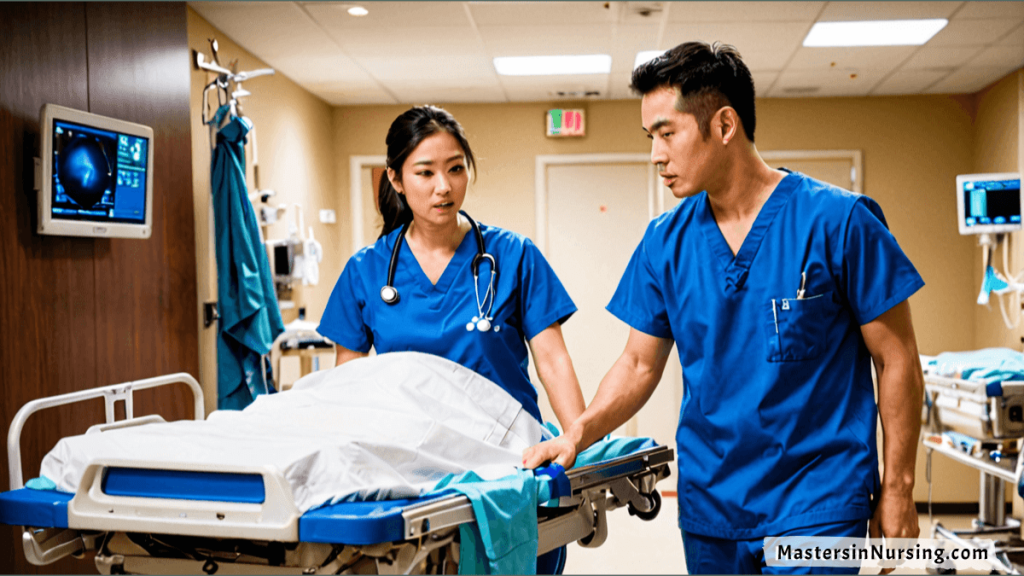
Acute care nurses have a wide range of career opportunities available to them. They can work in various healthcare settings, including hospitals, emergency and intensive care units, home care, ambulatory care, long-term care facilities, rehabilitation centers, and even virtual locations. The versatile nature of the acute care nurse role allows professionals to apply their expertise across different specialties such as cardiology, neurology, oncology, and more.
As an acute care nurse, you will be responsible for assessing, diagnosing, planning, and intervening on behalf of your patients. You will have the opportunity to provide direct patient care, engage in health assessment and screening activities, promote health literacy and risk reduction measures among patients and communities. Additionally, you will play a critical role in preventing illness and managing acute or chronic conditions.
In terms of career advancements, acute care nursing offers a pathway for growth and professional development. Nurses with specialized experience or advanced degrees may pursue leadership roles as nurse managers or clinical educators within their respective units or organizations. Others may choose to further expand their knowledge by pursuing a master’s degree in nursing (MSN) or a doctoral degree (DNP or PhD), opening doors to advanced practice roles such as nurse practitioners or clinical nurse specialists.
Take Mark as an example. He started his career as an acute care nurse working in a busy emergency department. Over time, Mark developed expertise in trauma management and became a go-to resource for his colleagues. Impressed by his skills and leadership abilities, the hospital administration offered him a managerial position where he could make impactful decisions that would shape patient care delivery within the unit.
It’s important to note that while acute care nursing offers exciting career opportunities and the potential for growth, it also comes with its challenges. The fast-paced environment, high patient acuity levels, and intense workload can be demanding both physically and emotionally. Nurses must prioritize self-care, maintain a healthy work-life balance, and seek support when needed to ensure their overall well-being.
Now that we have explored the career opportunities and advancements within acute care nursing let’s weigh the pros and cons of working in this dynamic healthcare environment.
- According to a report by the Institute of Medicine, as of 2020, 55% of American nurses were prepared at the Bachelor’s degree level or higher — many needing this education for the demands of acute care nursing.
- A 2018 study discovered that turnover rates in U.S acute care hospitals ranged from 15.6 % to 18%, standing as a testament to the high-stress nature of acute care nursing.
- In a recent survey conducted by the American Association of Critical-Care Nurses (AACN), nearly half (49%) of the respondents reported experiencing nurse bullying in the workplace, often leading to burnout – an issue prevalent in acute care settings due to its high-intensity environment.
Pros and Cons of Acute Care Nursing Environment
The environment of acute care nursing offers both advantages and disadvantages that professionals should consider when pursuing a career in this field. Let’s explore some of the pros and cons.
One of the significant advantages of being an acute care nurse is the opportunity to witness the direct impact on patients’ lives. Working in fast-paced emergency departments, trauma units, or ICUs allows nurses to provide immediate, life-saving treatment to individuals facing critical conditions. It can be incredibly rewarding to see patients recover and regain their health with the help of your expertise and care.
I remember a particular case during my time as an acute care nurse where a patient arrived in the emergency department with severe difficulty breathing. Through rapid assessment, intervention, and collaboration with a multidisciplinary team, we quickly stabilized the patient and initiated necessary treatments. Witnessing their subsequent improvement was not only gratifying but also served as a constant reminder of why I chose this profession.
On top of the potential for life-changing experiences, acute care nursing often presents diverse patient cases. Nurses have the opportunity to work with individuals from various backgrounds who present an array of medical conditions. This exposure enhances clinical skills, critical thinking abilities, and adaptability, creating a stimulating and intellectually engaging work environment.
However, it’s important to acknowledge that working in an acute care setting can come with its fair share of challenges. The physical demands can be intense, requiring nurses to be on their feet for long hours, lift heavy objects, and perform strenuous tasks. The fast-paced nature of the environment leaves little room for downtime or breaks, which can contribute to fatigue and burnout over time.
Imagine being on a rollercoaster ride that demands your constant attention and quick reflexes while offering minimal chances to catch your breath. The thrill is undeniable, but it comes at a price – physically and mentally.
Additionally, the long hours associated with acute care nursing may impact personal and family life. Shift work, including overnight and weekend shifts, can disrupt regular routines and make it challenging to balance work commitments with personal responsibilities. This aspect of the job requires careful consideration, as it can affect relationships and overall well-being.
It is essential to note that not everyone thrives in a high-pressure environment like acute care. Some individuals may find the constant intensity overwhelming or struggle to cope with the emotional toll of working with critically ill patients. Self-care practices and a strong support system are crucial for maintaining mental health in such an environment.
Another point of tension within the acute care nursing environment is the potential for conflicts between different healthcare professionals. There have been instances where nurses and rehab professionals clash over scope of practice issues and accountability for patient care. These conflicts can create negative dynamics within the team, affecting collaboration and overall patient outcomes.
In conclusion, working as an acute care nurse offers a dynamic and fulfilling career path. The direct impact on patients’ lives, exposure to diverse cases, and intellectually stimulating work environment are definitely strong positives. However, it’s essential to consider the physical demands, long hours, potential strain on personal life, risk of burnout, and potential conflicts when weighing the pros and cons of this nursing specialty.