
Best Graduate Nursing Programs: Concentrations, Tracks and Specializations
In the dynamic and rapidly evolving world of healthcare, growing demands for specialized nursing services are redefining career trajectories. Navigating this labyrinth can be daunting, but selecting the right graduate nursing program tailored to your aspirations is a significant milestone. Journey with us today as we unveil the best-kept secrets about graduate nursing programs, highlighting the most sought-after concentrations, tracks, and specializations that can catapult your nursing career into spheres you’ve only ever dreamt about! With a hyper-focused exploration, let’s decipher what each program offers and how it transforms you into a master in patient care, research, education or leadership roles. Don your stethoscope, fasten your seatbelt; let’s take a dive on this insightful expedition.
Graduate nursing programs offer a wide range of concentrations, tracks, and specializations to cater to different areas of interest and career goals. Some common options include Advanced Practice Registered Nurse degrees such as Nurse Practitioner (NP), Clinical Nurse Specialist (CNS), Certified Registered Nurse Anesthetist (CRNA), and Certified Nurse Midwife (CNM). Additionally, there are other specialties like Public Health, Clinical Nurse Leader (CNL), Nurse Educator, Nursing Informatics, Nurse Administrator or Executive, and Nurse Researcher. It’s important to research each specialization to find one that aligns with your career aspirations.
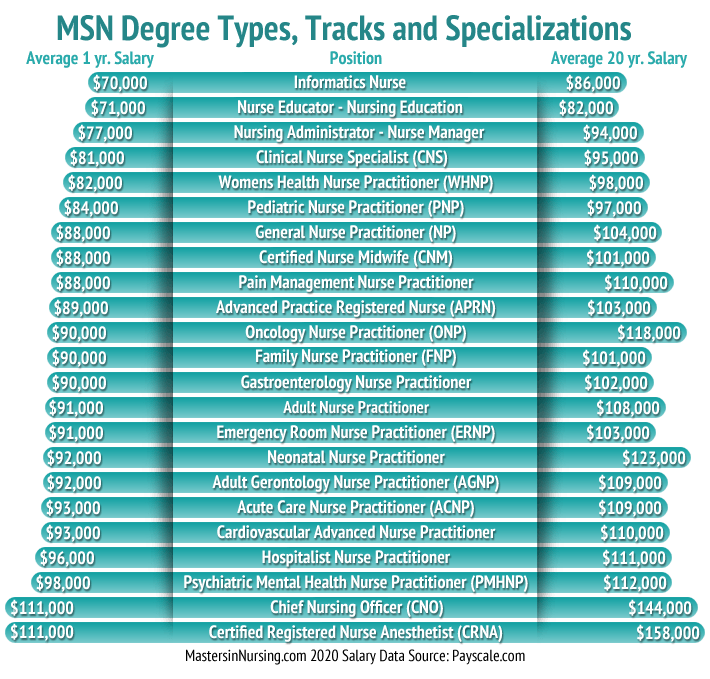
Exploring Graduate Nursing Concentrations
When pursuing a graduate nursing program, students have the opportunity to specialize in a variety of concentrations according to their interests and career goals. These concentrations provide additional knowledge and skills in specific areas of healthcare, allowing nurses to excel in their chosen field. Let’s take a closer look at some common graduate nursing concentrations and what they entail.
One popular concentration is acute care, which focuses on providing specialized care to patients with complex medical needs. Nurses in this concentration work in fast-paced environments such as emergency departments, intensive care units, and surgical units. They develop expertise in managing critical situations and utilizing advanced technologies to deliver high-quality care.
Another concentration is pediatric care, where nurses specialize in caring for infants, children, and adolescents. This specialization equips nurses with the skills to handle common pediatric health conditions, provide vaccinations, and support families in promoting overall well-being. Pediatric nurses may work in various settings such as hospitals, clinics, schools, or even offer home-based care.
For those interested in maternal and newborn health, a concentration in obstetrics offers an opportunity to focus on prenatal care, childbirth assistance, and postpartum support. Obstetric nurses play a vital role in monitoring the health of mothers and babies during pregnancy and providing education on childbirth preparation, breastfeeding, and newborn care.
If mental health is an area that intrigues you, consider a concentration in psychiatric nursing. Psychiatric nurses work closely with individuals facing mental health challenges, providing therapeutic interventions, facilitating group sessions, and collaborating with psychiatrists for medication management. They may work in psychiatric hospitals, community mental health centers or private practice settings.
Imagine you have always had an interest in working with individuals struggling with addiction or substance abuse. Pursuing a graduate nursing concentration in addiction nursing would equip you with the knowledge and skills necessary to address the unique needs of these patients. You would learn about evidence-based treatments, harm reduction strategies, and methods for supporting individuals in their journey towards recovery.
By exploring these graduate nursing concentrations, students can gain specialized knowledge and skills that align with their passion and career aspirations. These concentrations open up various opportunities for nurses to make a difference in specific areas of healthcare.
Now that we have explored different graduate nursing concentrations, let’s turn our attention to the Advanced Practice Registered Nurse (APRN) tracks, which offer another avenue for specialization within the field of nursing.
Advanced Practice Registered Nurse Tracks
APRNs are highly skilled and autonomous healthcare providers who have completed advanced education and training beyond the registered nurse level. They are authorized to diagnose and treat health conditions, prescribe medications, and provide comprehensive care to patients across the lifespan. APRNs have several specialized tracks they can choose from based on their interests and desired focus of practice. Let’s delve into a few common APRN tracks:
- Family Nurse Practitioner (FNP): FNPs focus on primary care across the lifespan and provide comprehensive health services to individuals and families. They diagnose and manage acute and chronic illnesses, order diagnostic tests, collaborate with other healthcare professionals, and promote disease prevention and health promotion.
- Adult-Gerontology Nurse Practitioner (AGNP): AGNPs specialize in providing healthcare services to adults from young adulthood through old age. They assess health status, manage chronic illnesses, coordinate care transitions, order diagnostic tests, and educate patients on disease prevention and management.
- Pediatric Nurse Practitioner (PNP): PNPs dedicate their practice to providing primary care to infants, children, adolescents, and young adults. They conduct well-child visits, manage pediatric conditions like asthma or diabetes, administer vaccinations, provide anticipatory guidance to parents, and collaborate with pediatric specialists when needed.
These are just a few examples of the many specialty tracks available to APRNs. Other options include psychiatric-mental health, women’s health, neonatal, and acute care nurse practitioner tracks. Each track equips nurses with the specialized knowledge and skills necessary to provide expert care in their chosen area.
With a deep understanding of the various graduate nursing concentrations and APRN tracks, nurses can pursue paths aligned with their interests and career aspirations. The field of nursing offers a wide range of opportunities for specialization, ensuring that healthcare professionals can make a notable impact in specific areas of patient care.
Non-Clinical Graduate Nursing Roles
While nursing is often associated with direct patient care, the field extends far beyond hospital walls. As a nurse, you have the opportunity to explore various non-clinical roles that contribute to healthcare in invaluable ways. These roles allow nurses to utilize their clinical knowledge and expertise while branching out into different domains.
One such non-clinical graduate nursing role is that of a nurse educator. Nurse educators play a vital role in shaping the future generation of nurses by teaching and mentoring aspiring nursing students. They work in academic institutions, designing curriculum, developing educational programs, and imparting knowledge and skills to help students excel in their careers. The impact of nurse educators is far-reaching, as they contribute to improving the overall quality of nursing education.
Another non-clinical route within nursing is healthcare administration. Nurses who pursue this path take on leadership positions where they manage and coordinate healthcare services at various levels. These roles involve planning, organizing, and overseeing operations to ensure efficient delivery of care. Healthcare administrators work closely with interdisciplinary teams, making strategic decisions that impact the organization’s success and improvement initiatives.
Nurse informaticists are yet another group of professionals catered to non-clinical roles. They blend their clinical background with expertise in technology and data management to improve healthcare information systems. Nurse informaticists analyze data, develop protocols, implement new technologies, and ensure that electronic health records are accurate and secure. Their work streamlines processes, enhances patient safety, and drives evidence-based practices through the effective use of technology.
These examples illustrate how pursuing non-clinical roles can provide diverse career opportunities for graduate nurses. It allows individuals to maximize their impact on healthcare from different angles while leveraging their clinical expertise.
Now that we’ve explored some non-clinical graduate nursing roles, let’s turn our attention towards research and clinical nursing concentrations.
- According to the American Association of Colleges of Nursing, as of 2021, there are over 2,000 nursing schools in the U.S. that offer graduate programs with various specializations.
- The Bureau of Labor Statistics (BLS) reports that the job outlook for Nurse Practitioners, a popular specialization in graduate nursing programs, is projected to grow at a rate of 45% from 2020 to 2030 – much faster than the national average growth rate for all occupations.
- As per the National League for Nursing, more than 25% of master’s degree students pursuing nursing were enrolled in Family Nurse Practitioner (FNP) programs in 2020, making it one of the most pursued specializations in nursing education.
Research and Clinical Nursing Concentrations
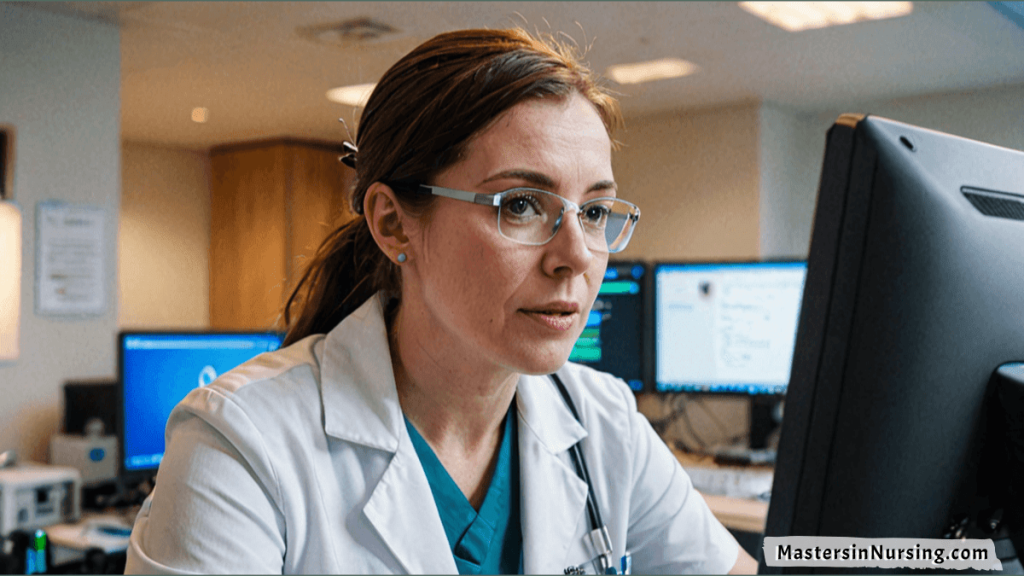
Graduate nursing programs offer various concentrations and tracks that allow nurses to specialize in specific areas of interest. Two prominent concentrations are research and clinical nursing, each with distinct focuses and opportunities for career growth.
Research nursing concentration is ideal for nurses who have a passion for inquiry and scientific investigation. This concentration equips students with the skills necessary to design, conduct, and evaluate research studies that contribute to advancing healthcare knowledge. Graduates may find themselves working in academic institutions, research organizations, or healthcare facilities, collaborating on groundbreaking studies that shape evidence-based practice. Research nurses play a critical role in translating research findings into clinical settings, ensuring that patient care is based on the latest evidence.
On the other hand, clinical nursing concentration provides advanced training in direct patient care across various specialties. Nurses pursuing this concentration deepen their understanding of complex patient conditions, gain expertise in specialty-specific interventions, and refine their clinical decision-making abilities. Whether it’s in critical care, pediatrics, gerontology, or any other specialized area, graduates with a clinical nursing concentration excel in providing high-quality and specialized care to patients. They may work in hospitals, clinics, long-term care facilities, or even private practices.
Both research and clinical nursing concentrations offer unique advantages and fulfill different aspects of nursing practice. It ultimately comes down to individual interests and career goals when choosing between these two pathways.
For example, if you have a deep curiosity for exploring new knowledge and have an analytical mindset, research nursing might be an excellent fit for you. On the other hand, if you thrive on direct patient interactions and enjoy the challenges of hands-on care within a specialized field like neonatology or oncology, then a clinical nursing concentration may be more appealing.
- The takeaway from this information is that graduate nursing programs offer concentrations in research and clinical nursing, allowing nurses to specialize in areas of interest. Research nursing focuses on conducting scientific investigations and contributing to healthcare knowledge through research studies. Clinical nursing, on the other hand, provides advanced training in direct patient care across various specialties. Both concentrations offer unique opportunities for career growth, and the choice between them ultimately depends on individual interests and career goals.
Gaining Skills for Job Usability
When it comes to pursuing a graduate nursing program, it’s crucial to consider the skills and knowledge you’ll gain that will make you more marketable in the job market. Gaining skills for job usability means acquiring the necessary tools and experiences to excel in your chosen nursing specialization or concentration.
One aspect of gaining job usability is developing strong clinical skills. This includes hands-on experience in areas such as patient care, pharmacology, and health assessment. By honing these skills, you’ll become proficient in providing quality care to patients and be prepared for the demands of a healthcare setting.
For example, in Vanderbilt University Medical Center’s (VUMC) Adult Acute Care Surgical track, nurses receive specialized training in adult surgery. This track provides new nurses with the opportunity to develop their clinical skills in various surgical specialties like Orthopaedic/Orthopaedic Trauma, Transplant & Surgical Care, and Neurology/Epilepsy. Through hands-on experience and mentorship from experienced practitioners, these nurses gain valuable skills that are highly sought after in the industry.
Another crucial aspect of job usability is developing essential non-clinical skills that contribute to effective nursing practice. Strong communication and collaboration abilities are vital for coordinating care with interdisciplinary teams and ensuring optimal patient outcomes. Additionally, leadership and critical thinking skills are valuable assets for making confident and informed decisions in high-pressure situations.
Now that we understand the importance of gaining job usability through skill development, let’s explore one particular area within graduate nursing programs: Acute Care and Hospital Nursing Tracks.
Acute Care and Hospital Nursing Tracks
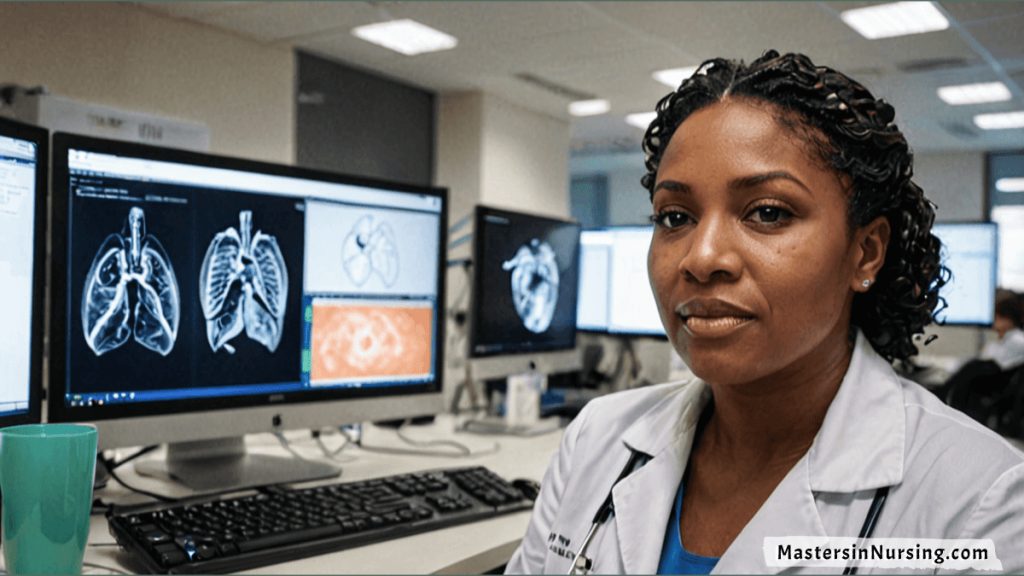
Acute care and hospital nursing tracks are popular specializations within graduate nursing programs due to their focus on providing comprehensive care to patients with complex medical conditions across different healthcare settings. These tracks equip nurses with specialized knowledge and expertise that are specific to acute care environments such as hospitals, critical care units, and emergency departments.
Nurses who choose to specialize in acute care and hospital nursing gain a deep understanding of managing acute illnesses, assessing changes in patient conditions, and administering advanced treatments. They learn to work efficiently as part of a multidisciplinary team while providing high-quality care to patients with critical needs.
For instance, Vanderbilt University Medical Center offers a variety of specialized acute care tracks, including the Adult Acute Care Surgical track mentioned earlier. This track focuses on providing comprehensive surgical care to adult patients with complex surgical needs. Nurses in this track acquire advanced skills for managing post-operative care, wound management, pain management, and working closely with surgical teams to ensure optimal patient outcomes.
Acute care and hospital nursing tracks also emphasize the development of critical thinking skills. Nurses are trained to quickly analyze complex situations, prioritize patient needs, and implement evidence-based interventions accordingly. In addition, they gain expertise in utilizing advanced technologies and equipment commonly found in acute care settings.
As we have explored the significance of gaining job usability through skill development and delved into the realm of acute care and hospital nursing tracks, it’s evident that the field of graduate nursing offers a multitude of opportunities for specialization. Graduates with these specialized skills are well-equipped to excel in their careers and make meaningful contributions to the healthcare industry.
Specific Knowledge for Healthcare Careers
As aspiring nurses pursue their graduate nursing education, it’s essential to recognize the significance of acquiring specific knowledge for healthcare careers. While foundational nursing knowledge is crucial, specialized skills and expertise can open up exciting opportunities in various healthcare fields. Let’s explore some key areas where graduate nursing programs offer specialized concentrations, tracks, and specializations.
One prominent specialization is nursing informatics, which focuses on the intersection of technology, data management, and healthcare. This concentration equips nurses with the skills to analyze complex health data, implement electronic health records (EHRs), and develop innovative ways to improve patient outcomes through technological advancements. Nurses specializing in informatics play a vital role in optimizing healthcare delivery systems and enhancing patient safety.
Another area of specialization is nurse anesthesia, where nurses are trained to administer anesthesia to patients undergoing surgical procedures. These advanced practice nurses work collaboratively with anesthesiologists and surgeons to ensure patient comfort and safety during surgery. The intensive training in pharmacology, physiology, and critical care prepares nurse anesthetists to manage anesthesia plans tailored to individual patients’ needs.
For instance, imagine a nurse anesthetist working alongside a surgical team during a complex cardiac surgery. They closely monitor the patient’s vital signs, administer medications as needed, adjust anesthesia levels throughout the procedure, and provide immediate intervention in case of any complications.
Nurse midwifery is another specialized area that focuses on providing holistic care to women throughout their pregnancy journey. Nurse-midwives offer comprehensive prenatal care, facilitate safe childbirth experiences, provide postpartum support, and offer well-woman care services. With their expertise in both nursing and midwifery practices, they contribute significantly to improving maternal and infant health outcomes.
Additionally, other popular specializations include pediatric nursing, psychiatric-mental health nursing, geriatric nursing, nursing education, and public health nursing. Each of these specializations provides unique opportunities to make a difference in specific patient populations and healthcare settings.
Now that we’ve explored the importance of acquiring specific knowledge for healthcare careers through specialization, let’s turn our attention to the opportunities for elective graduate nursing learning.
Opportunities for Elective Graduate Nursing Learning
In addition to specialized concentrations, graduate nursing programs often offer opportunities for elective courses that allow students to pursue an area of interest in nursing. These elective courses can help students expand their knowledge base, develop expertise in particular areas, and tailor their education based on their career goals and interests.
One type of elective course available is graduate independent studies/elective courses. These experiences are student-initiated, allowing students to focus on a specific area of interest in nursing with guidance from a faculty preceptor. The number of credits for these courses can be determined by agreement between the student and instructor before enrolling.
For instance, a student passionate about pediatric oncology may initiate an independent study course, where they work closely with a faculty member specializing in this area. They may engage in research, shadowing experiences, or clinical rotations that focus specifically on pediatric oncology care. This allows them to gain specialized knowledge and skills, enhancing their preparation for a career in this field.
Another option for elective learning is graduate electives, which are commonly available courses offered within the program. Students can check the class schedule for availability in a particular term and choose courses that align with their interests and professional aspirations. Examples of these courses may include advanced topics in pharmacology, evidence-based practice, advanced health assessment, or leadership in nursing practice.
While the availability of specific elective courses may vary between institutions and programs, it’s essential for students to explore these opportunities as they plan their graduate nursing education journey. By pursuing elective learning experiences, students can tailor their education to align with their passions, career goals, and the evolving needs of the healthcare industry.
MSN/MBA, MSN/MPH, MSN/MHA, MSN/MPA Options
The field of nursing offers a diverse range of career paths and specializations. For those seeking to expand their skill set and broaden their knowledge beyond clinical practice, pursuing a dual master’s degree can be an excellent option. One such pathway is the combination of a Master of Science in Nursing (MSN) degree with a Master of Business Administration (MBA), Master of Public Health (MPH), Master of Healthcare Administration (MHA), or Master of Public Administration (MPA). These combinations provide unique opportunities for nurses to integrate advanced nursing practice with business, public health, healthcare administration, or government policy.
An MSN/MBA program combines the clinical expertise gained through an MSN degree with the essential business acumen provided by an MBA program. This dual degree equips nurses with leadership skills, financial management expertise, and strategic planning abilities necessary for managerial roles in healthcare organizations. Graduates may pursue careers as nurse executives, healthcare consultants, or hospital administrators.
Similarly, an MSN/MPH program blends advanced nursing knowledge with public health principles. This combination prepares nurses to address population health issues at both individual and community levels. Graduates are equipped to work in diverse settings such as government agencies, non-profit organizations, or international health organizations. They may engage in health promotion initiatives, epidemiological research, or policy development.
An MSN/MHA program focuses on merging nursing leadership and management skills with a deep understanding of healthcare administration principles. Nurses who pursue this dual degree are prepared for leadership positions in healthcare organizations such as hospitals, clinics, or long-term care facilities. They may undertake roles as healthcare managers or executives responsible for managing budgets, improving quality outcomes, and ensuring efficient operations within healthcare systems.
Lastly, an MSN/MPA program combines nursing knowledge with public administration principles. This dual degree equips nurses with the skills to work in government agencies, policy think tanks, or healthcare advocacy organizations. Graduates can contribute to developing and implementing healthcare policies that benefit the public, addressing disparities in access to care, or advocating for nursing professionals’ interests.
For instance, Maria, a registered nurse passionate about improving healthcare delivery systems and policies, enrolled in an MSN/MBA program. Through this dual degree, she developed a comprehensive understanding of the business side of healthcare and honed her leadership skills. This allowed her to secure a position as the director of operations at a large healthcare organization. With her clinical expertise and business acumen, Maria implemented strategies to enhance patient care outcomes while optimizing resources and managing budgets effectively.
As you consider pursuing a dual master’s degree in nursing, it’s essential to evaluate your career goals and determine which specialization would align best with your interests and aspirations. Reflect on whether you are drawn more towards the business and financial aspects of healthcare (MSN/MBA), community health and population-based interventions (MSN/MPH), leadership within healthcare organizations (MSN/MHA), or public policy development (MSN/MPA).
While pursuing a dual master’s degree can be beneficial for career advancement and diversifying your skill set, it’s important to weigh the investment required in terms of time, finances, and personal commitment. It is crucial to research programs comprehensively and make informed decisions based on your individual circumstances.