
Advanced Practice Registered Nurse (APRN) Roles and Responsibilities: A Comprehensive Guide
Navigating the ever-evolving landscape of healthcare can be quite challenging, especially when attempting to understand the myriad layers and positions that contribute to its efficacy. Taking center stage in the sphere of advanced nursing practices is the role of an Advanced Practice Registered Nurse (APRN), a position whose relevance and importance has blossomed along with the complexities of modern medicine. This blog post will serve as a comprehensive guide to understanding what APRNs do, what their roles entail, and how they continue to mould the face of patient care and healthcare at large. Comprehending these aspects will no longer be like trying to crack an enigma code; instead, it’ll be like taking an enriching walk through the very corridors of modern healthcare itself. Buckle up and prepare to dive deep into the multifaceted world of APRNs.
As an Advanced Practice Registered Nurse (APRN), individuals have completed advanced education and training beyond that of a registered nurse. APRNs are qualified to provide a range of specialized healthcare services, including primary care, mental health, birthing, anesthesia, and more. They play a crucial role in expanding access to high-quality healthcare and can work independently or collaborate with other healthcare professionals.

Understanding APRN Roles and Responsibilities
Advanced Practice Registered Nurses (APRNs) play a vital role in the healthcare system, offering a wide range of services to meet the increasing demand for healthcare services. But what exactly are their roles and responsibilities? Let’s explore.
At its core, the APRN role encompasses providing direct patient care, conducting diagnostic assessments, developing treatment plans, prescribing medications, and managing patient outcomes. They work collaboratively with physicians, nurses, and other healthcare professionals to ensure comprehensive and holistic care for patients.
APRNs have the authority to diagnose and treat illnesses and injuries, order and interpret diagnostic tests, conduct physical examinations, provide counseling and education to patients and their families, make referrals to specialists when necessary, and coordinate care across different healthcare settings. In essence, their scope of practice aligns with their specialized knowledge and skills obtained through advanced education and training.
For instance, consider Gaye Douglas, a family nurse practitioner who established a health clinic on a school campus in a rural area. She not only provides primary care to students but also offers mental health support, monitors chronic conditions like asthma or diabetes, performs routine check-ups, administers immunizations, and ensures overall wellness among the student population. Gaye’s responsibility extends beyond just treating individual patients; she plays a significant role in promoting preventive care within the community.
It is worth noting that the specific roles and responsibilities of APRNs vary depending on their specialized focus area. Let’s explore some common specializations within the APRN role.
- Advanced Practice Registered Nurses (APRNs) have a crucial role in the healthcare system, providing a wide range of services to meet the increasing demand for healthcare. They are responsible for direct patient care, diagnostic assessments, treatment planning, prescribing medications, and managing patient outcomes. APRNs work collaboratively with other healthcare professionals to ensure comprehensive care. They have the authority to diagnose and treat illnesses, order and interpret tests, provide counseling and education, make referrals, and coordinate care across settings. The specific roles and responsibilities of APRNs may vary depending on their specialization.
Specializations within the APRN Role
APRNs can pursue different specializations based on their interests and passion for specific areas of healthcare. These specializations include:
- Family Nurse Practitioner (FNP): FNPs provide primary care across all age groups, from newborns to older adults. They focus on diagnosing and treating acute and chronic illnesses, promoting healthy lifestyles, and emphasizing preventive care.
- Adult-Gerontology Nurse Practitioner (AGNP): AGNPs specialize in providing primary care for adults and older adults. They manage chronic health conditions, conduct health screenings, and deliver evidence-based care to improve the overall well-being of their patients.
- Psychiatric Mental Health Nurse Practitioner (PMHNP): PMHNPs focus on providing mental health assessment, diagnosis, and treatment for individuals across the lifespan who are experiencing mental health disorders or emotional distress. They may prescribe medications, provide therapy, and collaborate with other healthcare professionals to promote optimum mental health outcomes.
- Certified Nurse Midwife (CNM): CNMs are specialized APRNs who provide comprehensive healthcare to women throughout their reproductive lifespan. Their services include prenatal care, childbirth assistance, gynecological care, family planning counseling, and postpartum care.
- Certified Registered Nurse Anesthetist (CRNA): CRNAs administer anesthesia to patients undergoing surgical procedures or pain management interventions. They monitor vital signs during anesthesia administration and ensure patients’ safety throughout the surgery.
Think of these specializations as different branches on a tree – each branch caters to specific patient populations or healthcare needs, but they all stem from the same foundation of advanced nursing practice.
It’s essential to remember that these specializations represent just a few examples within the diverse landscape of APRN roles. Each specialization requires additional education and training beyond the basic APRN certification.
Now that we have explored the various specializations within the APRN role, let’s turn our attention to the skills and knowledge necessary for APRNs to excel in their fields.
Skills and Knowledge for APRNs
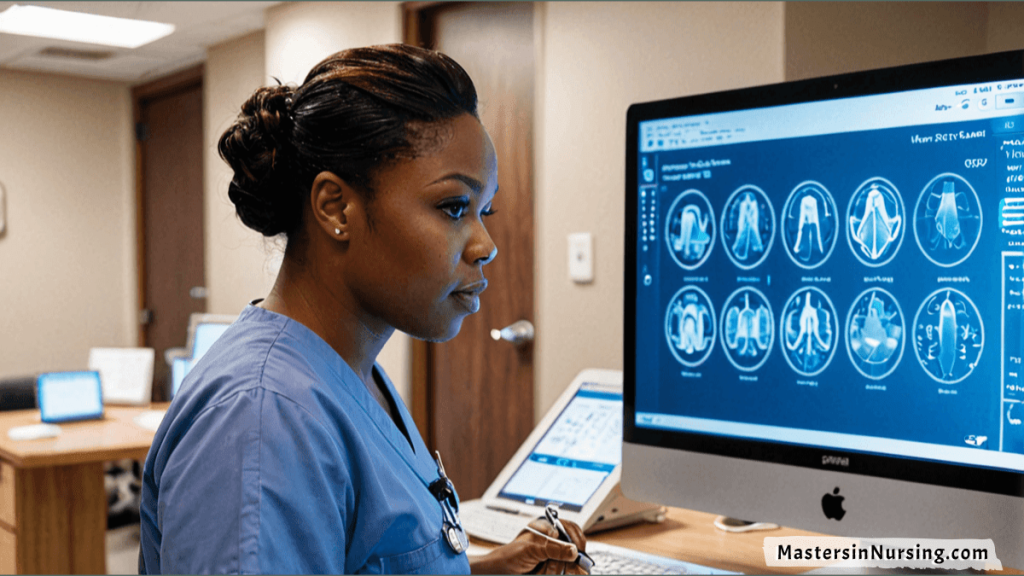
Advanced Practice Registered Nurses (APRNs) are highly trained healthcare professionals who possess a specialized skill set and extensive knowledge in their respective fields. To excel in their roles, APRNs require a combination of clinical expertise, critical thinking abilities, and strong communication skills.
APRNs must have a solid foundation in core nursing principles and be adept at assessing, diagnosing, and managing healthcare needs across the lifespan. They need a comprehensive understanding of human anatomy and physiology, pharmacology, pathophysiology, and evidence-based practice to deliver high-quality care.
Furthermore, APRNs require advanced clinical skills specific to their areas of specialization. For example:
- Family Nurse Practitioners (FNPs) must be proficient in primary care management, including health promotion, disease prevention, and treatment of common acute and chronic illnesses.
- Psychiatric-Mental Health Nurse Practitioners (PMHNPs) should possess expertise in mental health assessment, diagnosis, psychotherapy, psychopharmacology, and crisis intervention.
- Certified Nurse Midwives (CNMs) need specialized knowledge in prenatal, intrapartum, postpartum care, as well as family planning services.
- Nurse Anesthetists (CRNAs) must be skilled in administering anesthesia during surgical procedures while monitoring patients’ vital signs and ensuring their safety.
In addition to clinical skills, APRNs must demonstrate exceptional interpersonal and communication abilities. They play an integral role in educating patients about their health conditions and treatment plans. They also collaborate with interdisciplinary teams to ensure coordinated care delivery. Effective communication enables them to build trust with patients, provide emotional support, and empower individuals to take an active role in managing their health.
Just like a skilled conductor orchestrates a symphony by blending different instruments together harmoniously, APRNs use their skills and knowledge like musical notes to deliver comprehensive care that addresses the unique needs of each patient.
Now that we have explored the essential skills and knowledge required for APRNs, let’s delve into the diverse and complex care tasks they handle in their roles.
Complex Care Tasks Handled by APRNs
APRNs fulfill a crucial role in the healthcare system, providing advanced care to patients across various settings. They are equipped to perform complex clinical tasks that extend beyond those traditionally associated with registered nurses. These tasks can vary depending on the APRN’s specialization but generally involve:
- Diagnosing and treating common acute and chronic conditions: APRNs assess patients, order and interpret diagnostic tests, diagnose health conditions, develop treatment plans, prescribe medications within their scope of practice, and provide ongoing management for patients with conditions such as hypertension, diabetes, respiratory illnesses, mental health disorders, and more.
- Performing physical examinations: APRNs conduct comprehensive physical assessments, including obtaining medical histories, evaluating signs and symptoms, identifying potential risk factors, and recommending appropriate interventions based on their findings. These examinations serve as a foundation for accurate diagnosis and personalized treatment planning.
- Collaborating with healthcare teams: APRNs work alongside physicians, nurses, pharmacists, social workers, and other professionals to provide comprehensive care. They actively participate in interdisciplinary rounds, case conferences, and team meetings to ensure coordinated care delivery and promote positive patient outcomes.
- Providing patient education: A significant aspect of an APRN’s responsibilities is educating patients about their health conditions, treatment options, lifestyle modifications, medication adherence, preventive measures, and self-care strategies. This empowers individuals to make informed decisions about their health and take an active role in managing their well-being.
While some argue that certain complex procedures should solely be performed by physicians, it is important to recognize that APRNs undergo extensive training in their specialized fields. Studies have demonstrated that APRNs provide safe and effective care, and their contributions are crucial in addressing healthcare access gaps, especially in underserved areas.
With a solid foundation in skills and knowledge and the ability to handle complex care tasks, APRNs play a vital role in meeting the diverse healthcare needs of individuals across the continuum of care.
Scope of Practice for APRNs
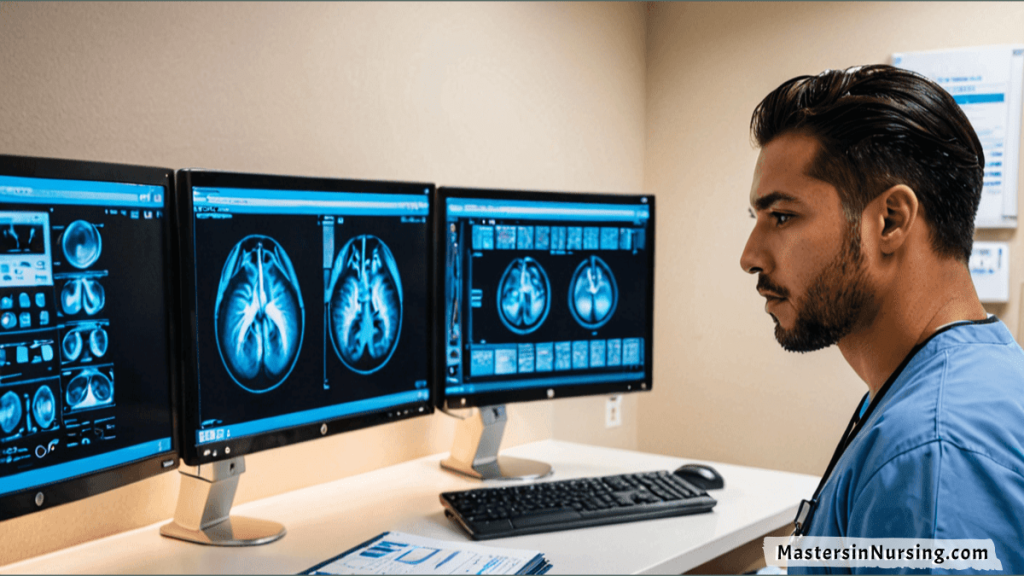
The scope of practice for Advanced Practice Registered Nurses (APRNs) encompasses a wide range of responsibilities and services. Recognized as expert healthcare providers, APRNs are equipped with advanced education and specialized training that enables them to deliver high-quality care to their patients. It is important to understand the scope of practice for APRNs in order to fully appreciate the value and contribution they bring to the healthcare system.
APRNs are authorized to diagnose and treat illnesses, prescribe medications, and provide preventive care. However, the specific scope of practice can vary depending on state regulations and individual specialty certifications. In some states, APRNs have full practice authority, allowing them to practice independently without physician supervision or collaboration. This affords them the autonomy to make clinical decisions, manage patients’ health conditions, and provide comprehensive care.
For instance, in states with full practice authority, a nurse practitioner (NP) can establish their own primary care clinic, diagnose and treat acute and chronic illnesses, order diagnostic tests, prescribe medications, and even refer patients to specialists when necessary – all without requiring approval from a physician.
However, it is worth noting that not all states grant full practice authority to APRNs. In reduced practice states, APRNs may still require some level of physician involvement such as collaborative agreements or supervision in certain aspects of their practice. Restricted practice states have even more limitations on APRN practice, often requiring direct physician oversight for prescription authority or other specific functions.
Additionally, the scope of practice for APRNs is influenced by federal regulations. For example, Medicare rules regarding reimbursement for services provided by APRNs may require collaboration with physicians or setting certain conditions for billing purposes.
It is important for APRNs to stay updated on the legal and regulatory landscape in their respective states and at the federal level to ensure they are practicing within their authorized scope. Advocacy efforts from professional organizations like the American Association of Nurse Practitioners (AANP), American Association of Colleges of Nursing (AACN), and American Nurses Association (ANA) aim to expand APRN practice authority across the nation.
With a clear understanding of the scope of practice for APRNs, let’s now explore the primary health care services provided by these highly trained and specialized healthcare professionals.
- According to the American Academy of Nurse Practitioners (AANP), there were approximately 290,000 licensed APRNs in the United States as of 2020.
- A study from the National Center for Health Workforce Analysis in 2018 found that employment for APRNs is expected to grow by 28% from 2018 to 2028, much faster than the average for all occupations.
- In a Health Affairs publication, it was found that states with full scope-of-practice laws for APRNs had increased health care access and quality, particularly in rural areas where physician shortages are common.
Primary Health Care Services Provided by APRNs
APRNs play a vital role in providing primary health care services, bridging gaps in access to care, and improving health outcomes for patients across various settings. They possess the knowledge and skills necessary to provide comprehensive care throughout individuals’ lifespan, from birth to end-of-life.
One of the key contributions made by APRNs is their ability to conduct thorough assessments, perform physical examinations, and identify health problems. They utilize advanced clinical judgment to diagnose and treat acute illnesses, manage chronic conditions, and promote disease prevention. This includes ordering diagnostic tests, interpreting results, and developing individualized treatment plans in collaboration with patients.
APRNs also excel in health promotion and patient education. They are well-positioned to counsel individuals on healthy lifestyle choices, disease prevention strategies, medication management, and self-care techniques. By empowering patients with knowledge and facilitating their active participation in their healthcare journey, APRNs contribute to better overall health outcomes.
Moreover, APRNs are increasingly involved in specialized areas within primary care such as women’s health, pediatrics, mental health, geriatrics, and family medicine. They provide comprehensive care within these specialties, including performing gynecological exams, delivering babies in the case of certified nurse-midwives (CNMs), managing mental health conditions through therapy and prescribing medications when needed as psychiatric-mental health nurse practitioners (PMHNPs), and caring for older adults as adult-gerontology nurse practitioners (AGNPs).
In addition to their clinical expertise, APRNs are also leaders in research, education, and advocacy. They contribute to the advancement of nursing knowledge, participate in teaching nursing students and healthcare professionals, and advocate for policies that enhance patient access to quality care.
Health Care Reforms and APRN Practice
Over the years, health care reforms have played a crucial role in shaping and expanding the practice of Advanced Practice Registered Nurses (APRNs). These reforms have aimed to address various barriers that hindered the full utilization of APRNs’ skills and abilities in providing high-quality, accessible, and cost-effective care to patients.
Prior to these reforms, many states imposed strict regulations on APRN practice, which often required them to work under the supervision or collaboration of physicians. This limited their autonomy and ability to provide care independently, despite having advanced education and training. However, with an increasing demand for primary care providers due to a growing aging population and physician shortage, health care reforms recognized the need to unleash the full potential of APRNs.
One significant change brought about by health care reforms is Full Practice Authority (FPA) for APRNs. FPA allows APRNs to have the authority to diagnose, treat patients, prescribe medications independently, and practice without physician oversight. It recognizes their advanced education, training, and expertise in delivering quality care across various settings.
Furthermore, health care reforms have also emphasized the importance of interprofessional collaboration among healthcare providers. APRNs now work collaboratively with physicians and other members of the healthcare team to provide comprehensive patient-centered care. This collaborative approach ensures that all healthcare professionals can contribute their unique expertise and skills while maximizing patient outcomes.
Additionally, reimbursement policies have been revised to compensate APRNs more accurately for the services they provide. In many instances, they are now reimbursed at levels similar to physicians for comparable services. These changes not only reflect the value of the care provided by APRNs but also help address economic barriers by ensuring fair compensation for their services.
With enhanced practice authority and greater recognition within the healthcare system comes an increased demand for APRNs. Let’s explore this growth in demand further.
The Growth Demand for APRNs in Healthcare System
The field of healthcare is experiencing a paradigm shift, and the demand for APRNs is on the rise. This increased demand can be attributed to several factors that underscore the vital role APRNs play in meeting the evolving healthcare needs of individuals and communities.
Consider the impact of an aging population. As older adults require more healthcare services due to chronic conditions and age-related illnesses, the need for primary care providers becomes even more critical. APRNs, particularly Nurse Practitioners (NPs), are positioned to fill this gap by providing comprehensive primary care, including preventive services, health promotion, disease management, and patient education.
Moreover, there is an ongoing physician shortage across various regions in the United States. The Association of American Medical Colleges projects a shortage of up to 139,000 physicians by 2033. This shortage further highlights the importance of APRNs in delivering accessible and timely healthcare services, especially in underserved areas where physicians may be scarce.
The Affordable Care Act (ACA) implemented in 2010 has also contributed to the growing demand for APRNs. By expanding access to health insurance coverage for millions of Americans, the ACA has increased the need for primary care providers who can deliver comprehensive care and manage chronic conditions effectively. APRNs are uniquely positioned to provide these essential primary care services and bridge the gap created by physician shortages.
Furthermore, research consistently demonstrates that care provided by APRNs is safe, effective, and comparable to that provided by physicians. Patients report high satisfaction rates with care received from APRNs, highlighting their ability to deliver quality healthcare.
Given these factors and projections for future demand, choosing a career as an Advanced Practice Registered Nurse presents a promising outlook for registered nurses seeking to make a significant impact in modern healthcare.
Real-life Profiles of Successful APRNs
APRNs play a vital role in shaping the healthcare landscape by providing high-quality, specialized care to patients across a range of settings. To truly comprehend the impact and potential of these advanced practice nurses, let’s explore some inspiring real-life profiles of successful APRNs.
Meet Gaye Douglas, a dedicated family nurse practitioner who recognized the pressing need for healthcare services in a rural area. Determined to make a difference, she took the bold step of establishing a health clinic on a school campus. This not only provided convenient access to healthcare for students and their families but also helped alleviate some of the burden on overwhelmed local hospitals. Through her tireless efforts, Gaye has become a respected pillar of support and care in her community.
Another remarkable example is Anjli Aurora Hinman, a certified nurse midwife with an unwavering passion for bringing holistic and personalized care to women during pregnancy and childbirth. Frustrated by limited options, Anjli decided to open her own midwifery practice in Atlanta. Her vision extends beyond merely providing exceptional care; she plans to establish an independent birth center to serve as a sanctuary for expectant mothers seeking natural childbirth experiences. Anjli’s dedication and commitment have earned her recognition as an advocate for women’s reproductive health.
Janice Miller, a nurse practitioner based in Philadelphia, showcases how APRNs can make a significant difference in managing chronic conditions. Specializing in diabetes management and preventive care, Janice understands the critical role education plays in empowering patients to take control of their health. Through her work, she not only helps individuals manage their condition but also advocates for the crucial role that nurse practitioners play in driving healthcare reform.
These profiles highlight just a few examples of how APRNs are making a substantial impact within their respective communities. They demonstrate that being successful in this field goes beyond providing medical expertise; it requires empathy, innovation, and a genuine desire to improve the well-being of individuals and communities.
Now that we have gained insight into the real-life profiles of successful APRNs, let’s take a closer look at the responsibilities and roles these advanced practice nurses undertake in their everyday practice.